

Similes Worksheet
This similes worksheet gives 3rd grade students practice completing, analyzing, and writing similes, with an illustrated prompt and an answer key included so every child can describe the world more vividly.
$6.97
Or free with a membership — get this and 10,000+ resources. See plans
Teaching is easier with a membership
Unlimited printables, games & videos for PreK–6th — for your classroom or homeschool. Cancel anytime.
Start your 3-day free trialNo commitment · Cancel anytime · Instant access to 10,000+ resources
About this resource
Description
Similes are one of the first tools young writers use to make their language come alive, and this similes worksheet gives third graders focused practice with them. A simile compares two different things by using the word like or as, and recognizing that move is the heart of Common Core standard L.3.5a, which asks students to tell the difference between literal and nonliteral language. When a child reads that a pond was “as smooth as glass,” they need to understand that the pond is not made of glass at all — the writer is helping them picture how still the water looked. This 3rd grade figurative language worksheet builds exactly that habit of mind.
The activity is printable, ready to use, and needs no preparation. Students begin with a word bank and complete four similes by choosing the word that fits each clue. Next they read three complete similes and name the two things each one compares, which pushes them past simple recognition and into analysis. Finally, they study an original illustration and write two similes of their own, so the skill moves from identifying to creating. Print one copy per student, work through the first item together as a class, then let students finish independently or with a partner. The included answer key makes checking fast, whether you grade the page yourself or run it as a quick partner review.
What’s Included
- One printable, full-color worksheet page in PDF format
- Part A: a four-item word bank activity for completing similes
- Part B: three similes to analyze by naming the two things compared
- Part C: an illustrated writing prompt for two original similes
- A complete answer key with sample responses
Three Reasons This Helps Kids
- It strengthens reading comprehension. Students who spot figurative language stop reading it literally, so tricky passages on tests and in chapter books finally make sense.
- It grows descriptive vocabulary. Naming the two things a simile compares teaches children to notice precise, vivid word choices they can borrow for their own writing.
- It builds writing confidence. The picture prompt gives every student something concrete to describe, so even reluctant writers can produce a strong original sentence.
Teacher and Parent Ideas
Use this similes worksheet as a warm-up before a descriptive writing unit, as a small-group station during literacy centers, or as homework that families can finish together in about fifteen minutes. Challenge early finishers to hunt for similes in the book they are reading and add them to a class chart. At home, play a quick simile game at dinner: name an object on the table and take turns finishing “as ______ as a ______.” Pair the page with a poetry lesson and students will start hearing comparisons everywhere.
Related Resources
What teachers say
Reviews
You must be logged in to post a review.

Using Compare and Contrast Across Cultures Activity, students compare and contrast two or more versions of the same story by different authors or from different cultures.
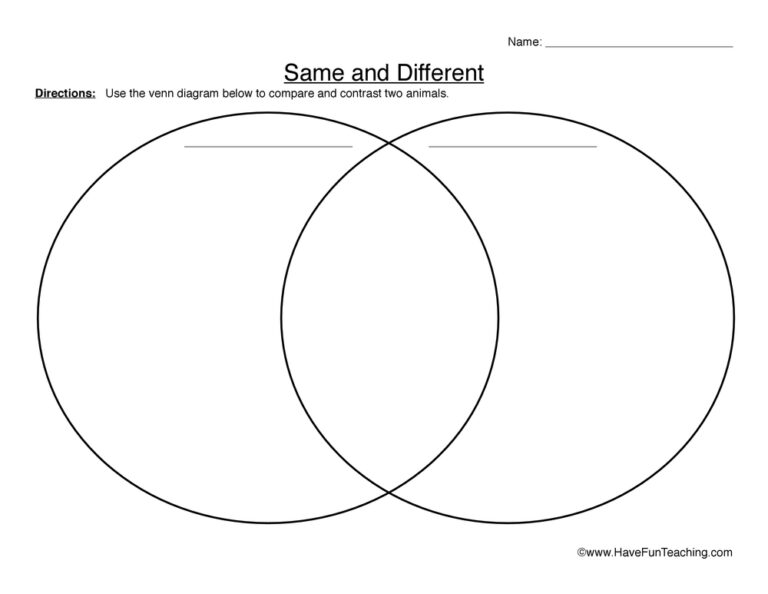
Using this Comparing Animals Venn Diagram Worksheet, students compare two animals using a Venn Diagram.
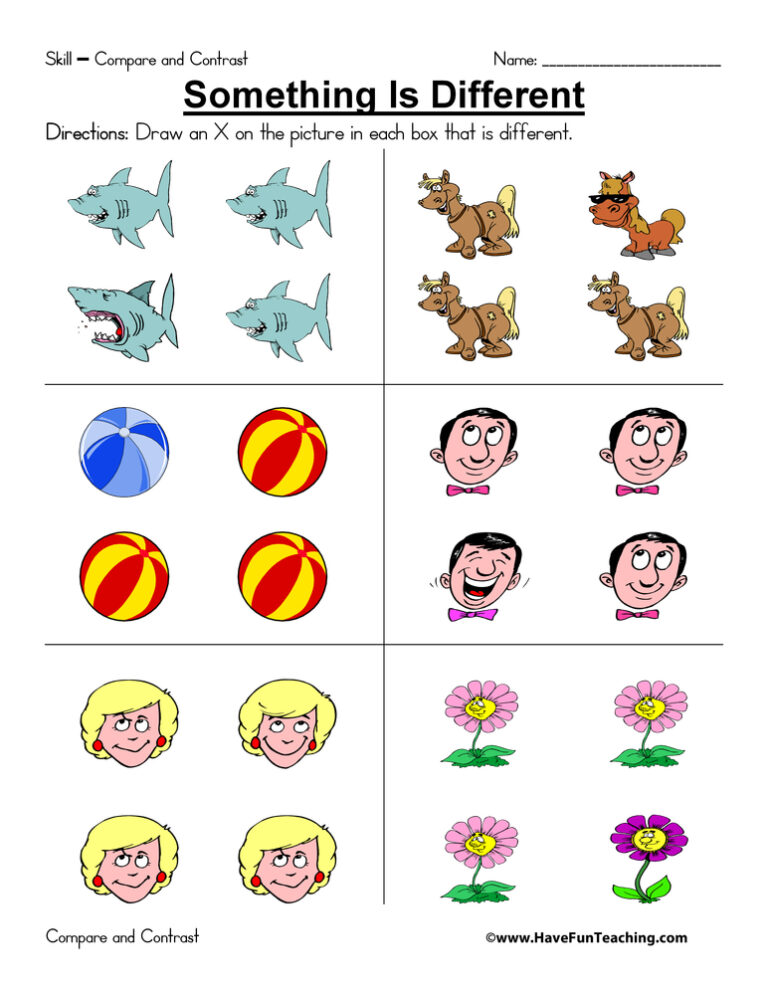
Using this Compare and Contrast Cross Out Worksheet, students look at four pictures and cross out the picture that is different from the rest.
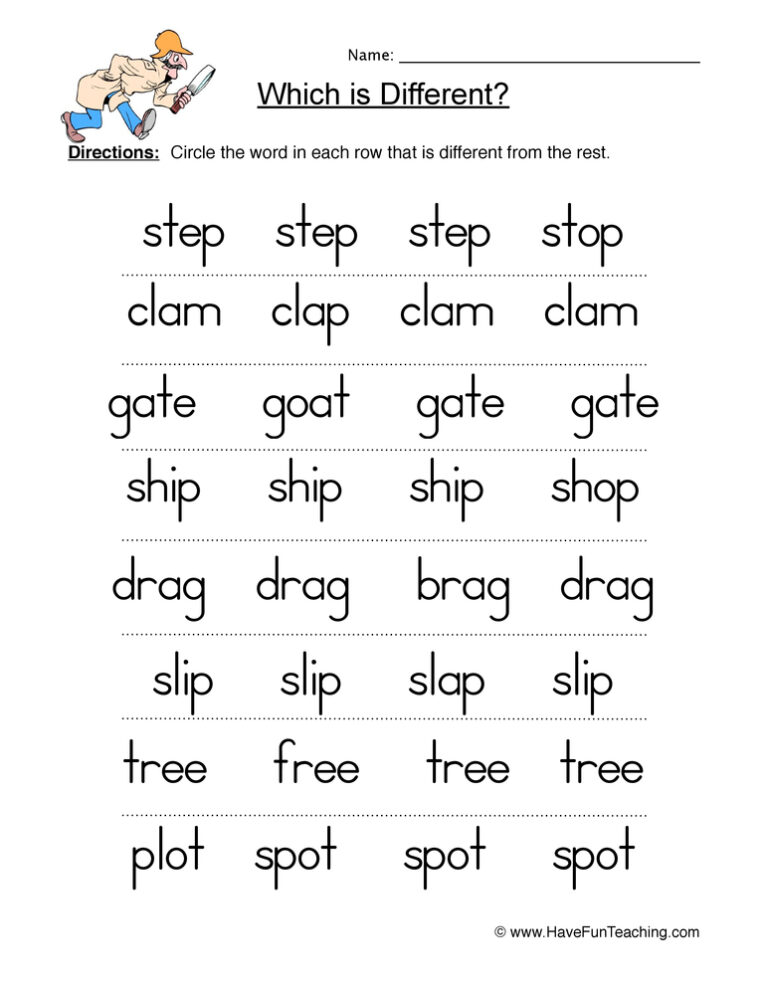
Using Same Different Four Letter Words Worksheet, students look for the word that is different in the list to build their letter recognition and fluency skills.
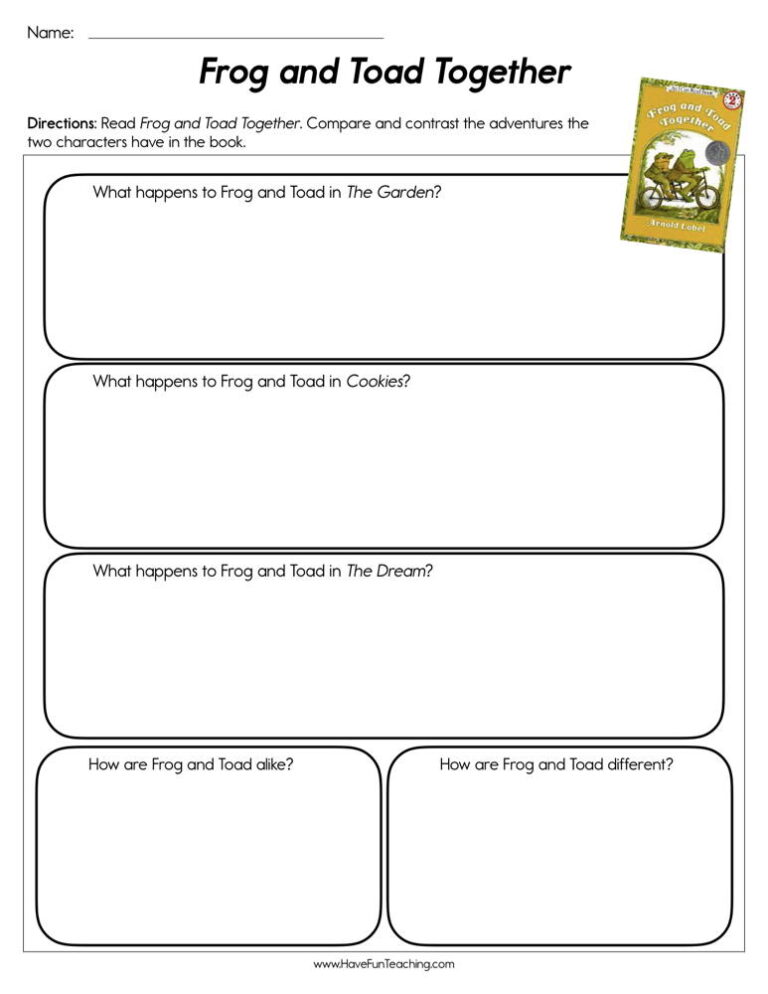
Using this Frog and Toad Together Worksheet, studentsread Frog and Toad Together to compare and contrast the adventures the two characters have in the book.

Using Same Different Categories Worksheet, studentsread the first word in each row, then circle the words in each row that belong to the first word ºs group.

Using Same Different Objects Worksheet, students look for the picture that is different in order to build their comparing skills.
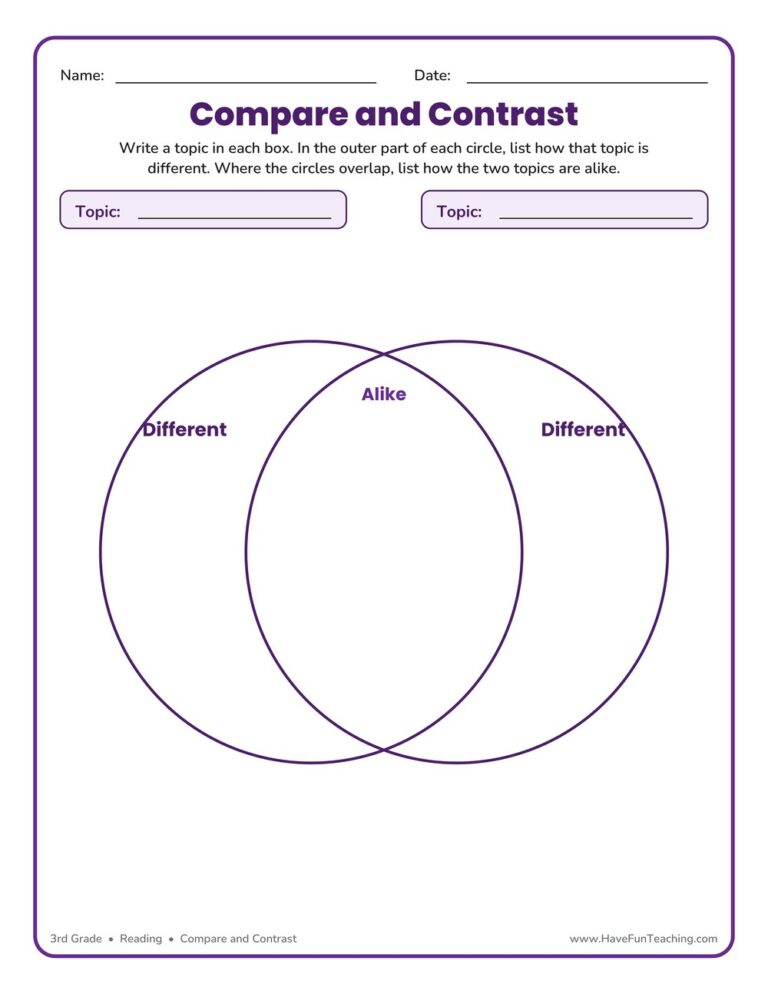
This Compare and Contrast Topics Graphic Organizer Worksheet gives 3rd graders a large Venn diagram to sort how two topics are alike and different. A flexible, no-prep reading tool for any two subjects at home or school.

Using Things That Go Together Worksheet, students look for the picture that is different in order to build their comparing skills.

UsingComparing Adjectives Comparatives and Superlatives Activity, studentsuse the picture cards to practice using comparing adjectives.
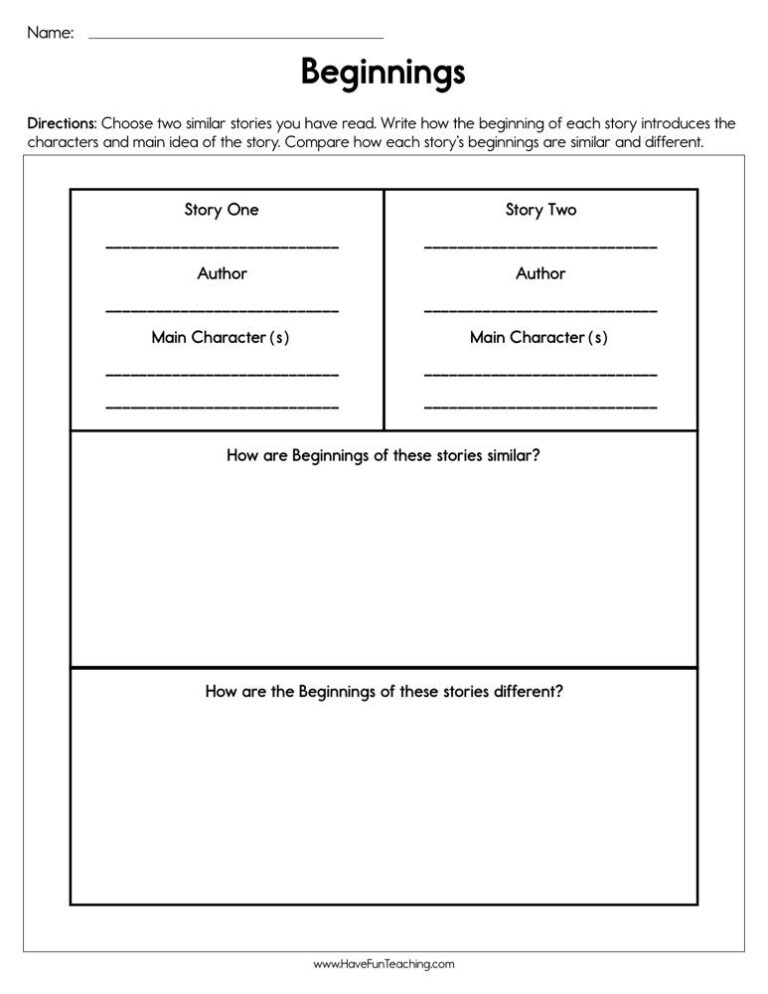
Using Beginnings Worksheet, students write how the beginning of each story introduces the characters and main idea of the story to compare the two similar stories read.
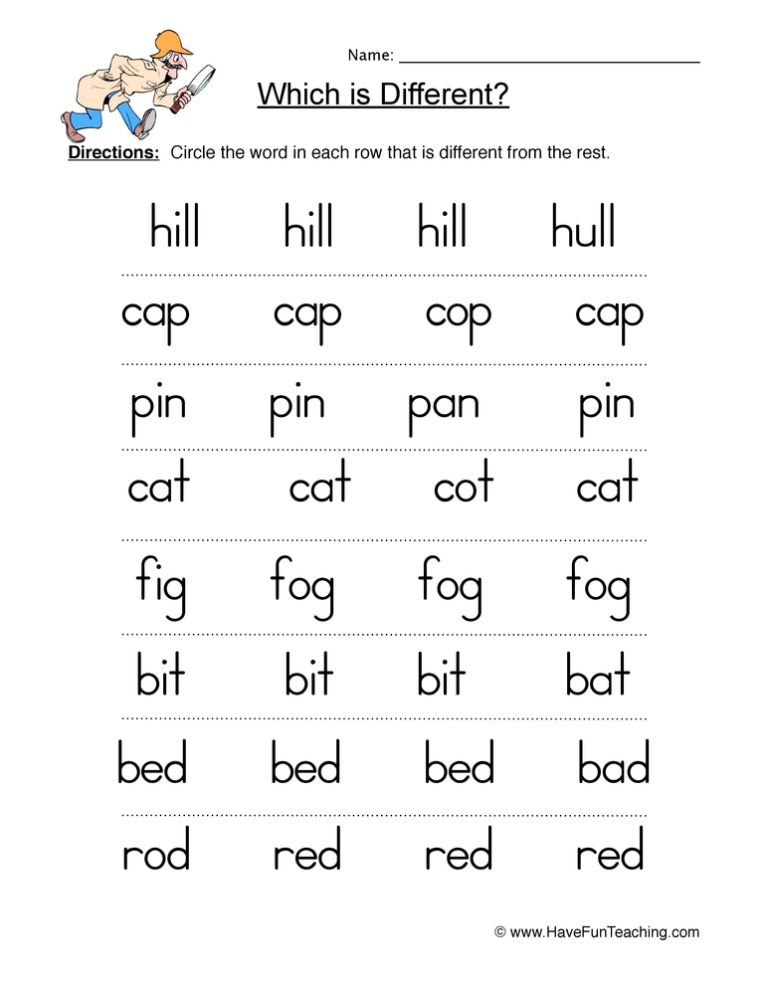
Using Same and Different Words Worksheet, students look for the word that is different in the list to build their letter recognition and fluency skills.
Reviews
There are no reviews yet