
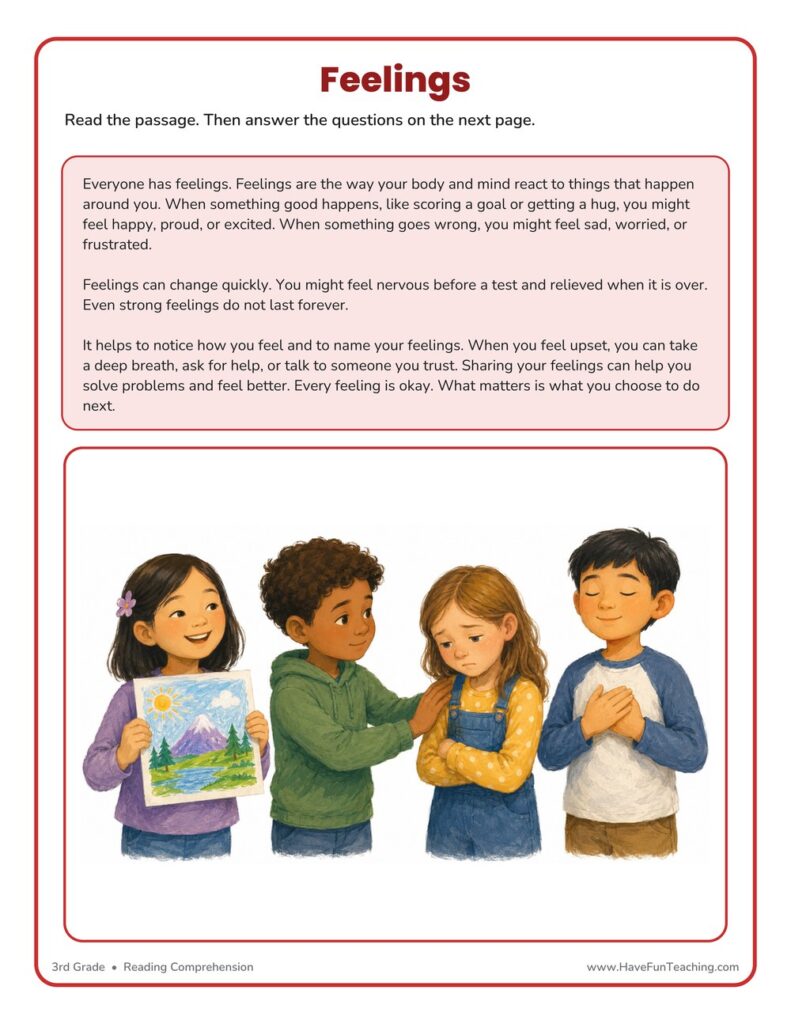
Feelings Worksheet
This feelings worksheet gives 3rd grade students a short passage about emotions plus reading comprehension questions and a reading-response prompt. Includes a complete answer key, a gentle way to build reading skills and emotional awareness.
$6.97
Or free with a membership — members pay $3.33/mo for all 10,000+ resources. See plans
Want this one free?
Tell us where to send it and it’s yours — no card, no catch.
One free resource per teacher. We’ll also send free teaching ideas each week — unsubscribe anytime.
Teaching is easier with a membership
Unlimited printables, games & videos for PreK–6th — for your classroom or homeschool. Cancel anytime.
Start your 3-day free trial$0 today · cancel anytime · Instant access to 10,000+ resources
About this resource
Description
Help students understand and talk about their emotions with this Feelings Worksheet. Designed for 3rd grade reading, this printable pairs a short, kid-friendly passage about feelings with comprehension questions, so students practice reading closely while learning that everyone has feelings and that every feeling is okay. It is a gentle, encouraging way to build reading comprehension and social-emotional awareness at the same time.
This 3rd grade emotions worksheet begins with an original passage that explains what feelings are, how they can change, and healthy ways to handle big emotions. After reading, students answer four multiple-choice questions and two short-response questions, including one where they write their own question about the text. Use it during guided reading, as an independent reading-response activity, or as a quick assessment. Read the passage together, model how to find answers in the text, then let students work through the questions on their own.
What’s Included
- 1 print-ready PDF worksheet (3 pages)
- Answer key
- A reading passage plus 4 multiple-choice and 2 written-response questions
This feelings worksheet helps children in three ways. First, it strengthens reading comprehension by asking students to find the main idea and key details in a real passage. Second, it builds emotional vocabulary — words like proud, nervous, frustrated, and relieved — that helps kids name what they feel. Third, the reading-response question encourages deeper thinking, since students must return to the text to write and answer their own question.
Teachers and parents can extend this lesson in fun, simple ways. Make a feelings chart and have children point to how they feel each morning. Act out different emotions and guess them like charades, or keep a feelings journal where kids write about a moment from their day. You can also reread the passage and highlight every feeling word, then talk about a time each one happened. These conversations turn a single worksheet into an ongoing, supportive routine.
Related Resources
What teachers say
Reviews
You must be logged in to post a review.


Using Feeling Words Activity, students read Amy Goes to First Grade to find words and phrases that describe Amy's feelings on the first day of school.

This So Tired Reading Comprehension Worksheet gives 3rd Grade students an original story about a tired girl and her dad, plus six questions and an answer key, so comprehension practice takes one page.
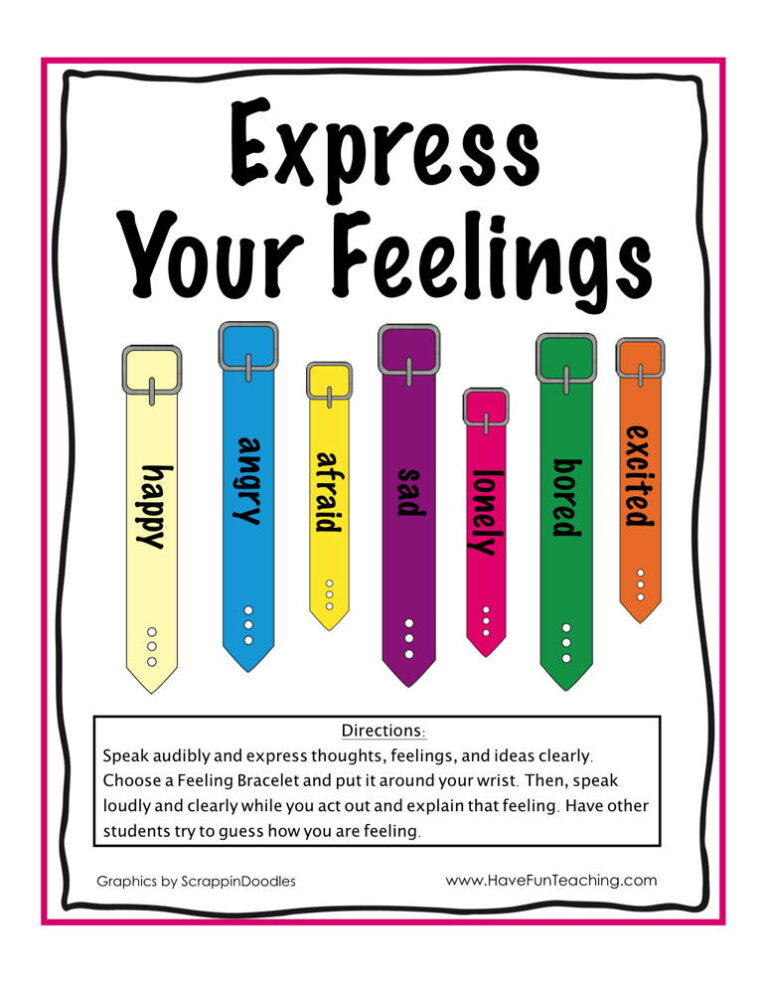
Using this Express Your Feelings Character Education Activity, students express thoughts, feelings, and ideas clearly.
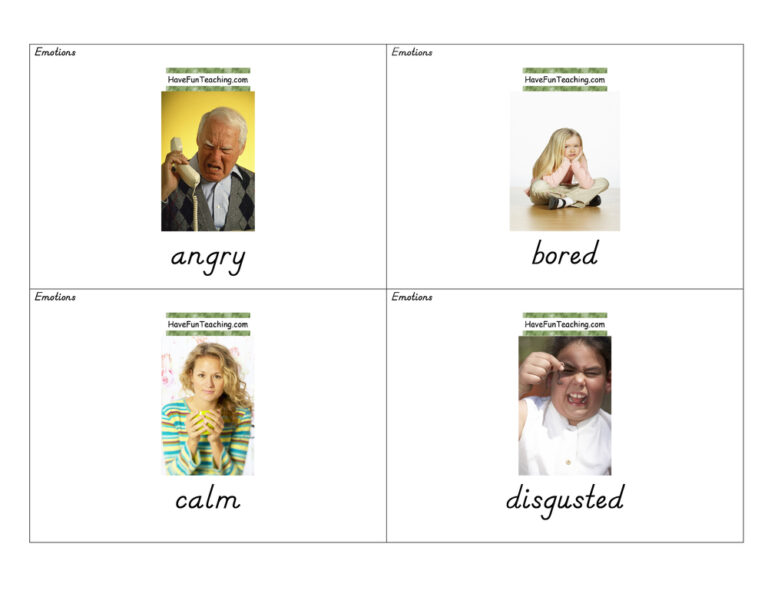
Using these Emotions Flash Cards, students improve their emotion vocabulary by describing the colorful flash cards to use in their writing.
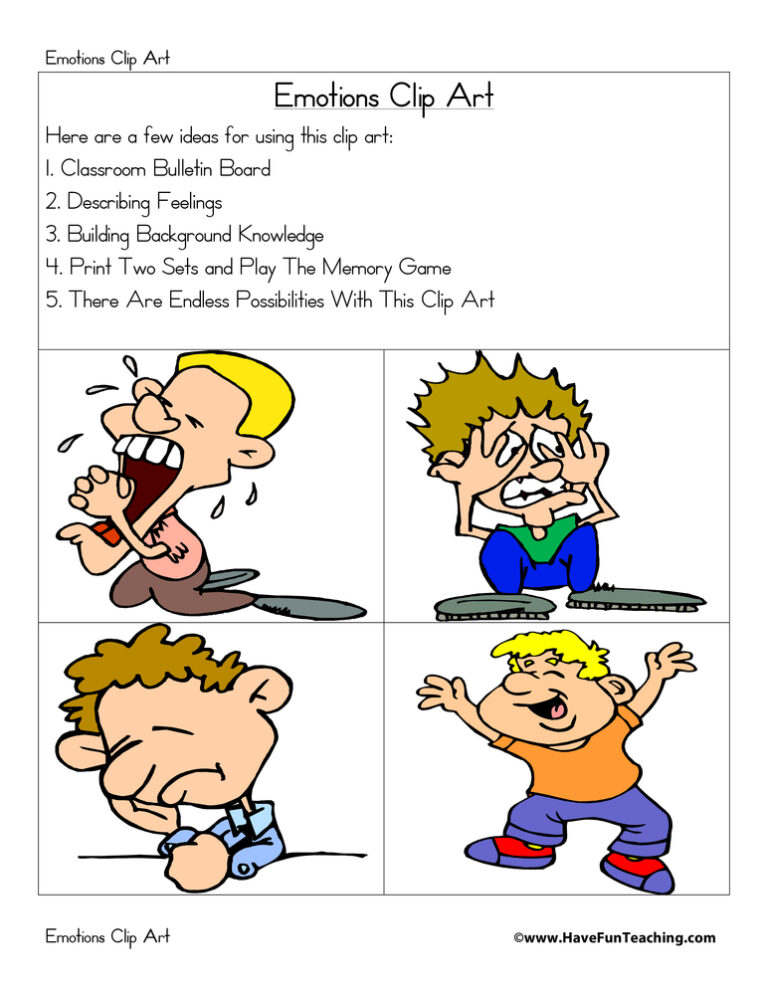
This Emotions Clip Art is a perfect addition to any bulletin board, flyer, or other printable that you use in your classroom.
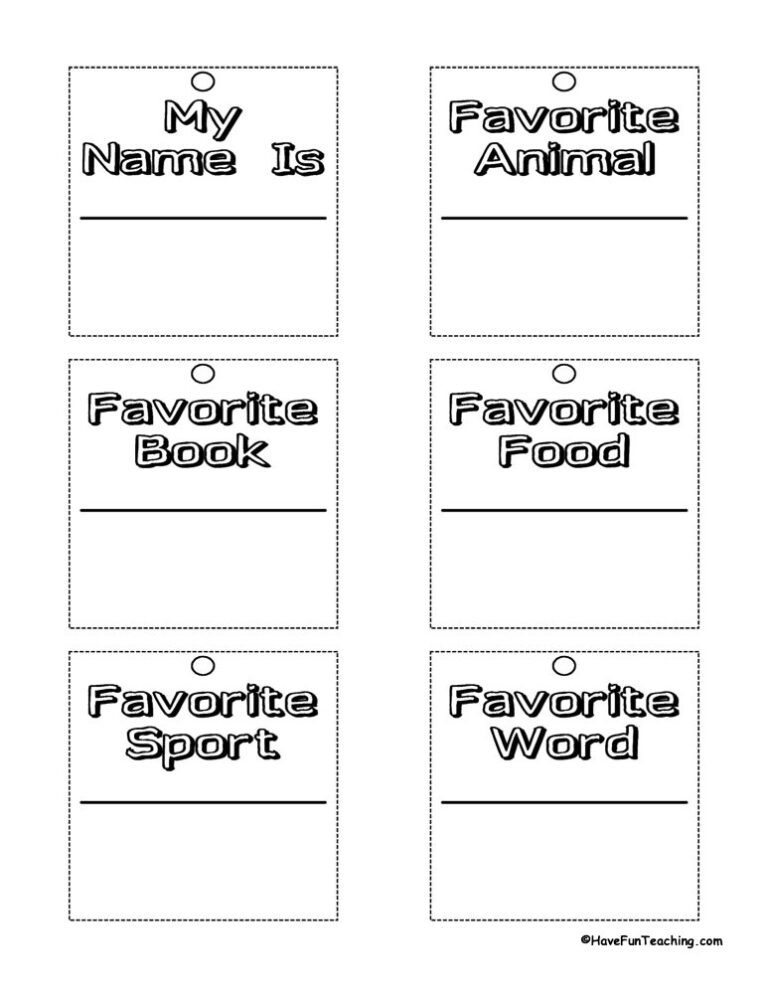
Using About Me Mobile Activity, students can create a mobile to introduce themselves and share important information about themselves at the beginning of a new school year!
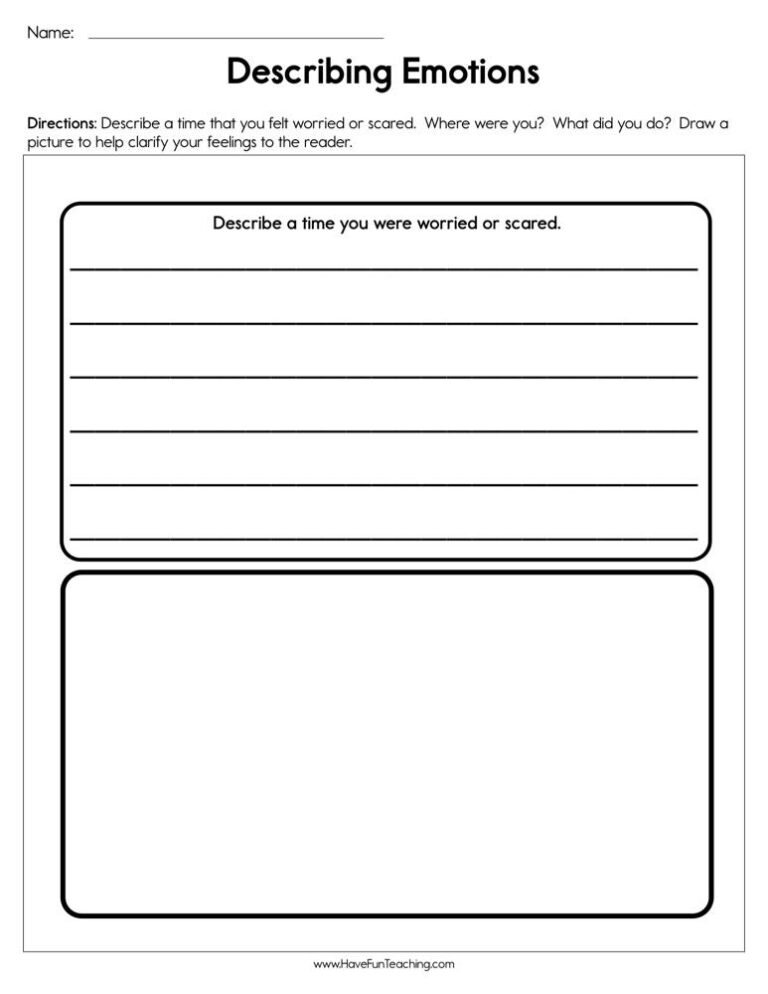
This describing emotions worksheet has 3rd graders pick the feeling word each sentence supports, then swap a plain word for a stronger one. Answer key included for quick, no-prep word-choice practice.
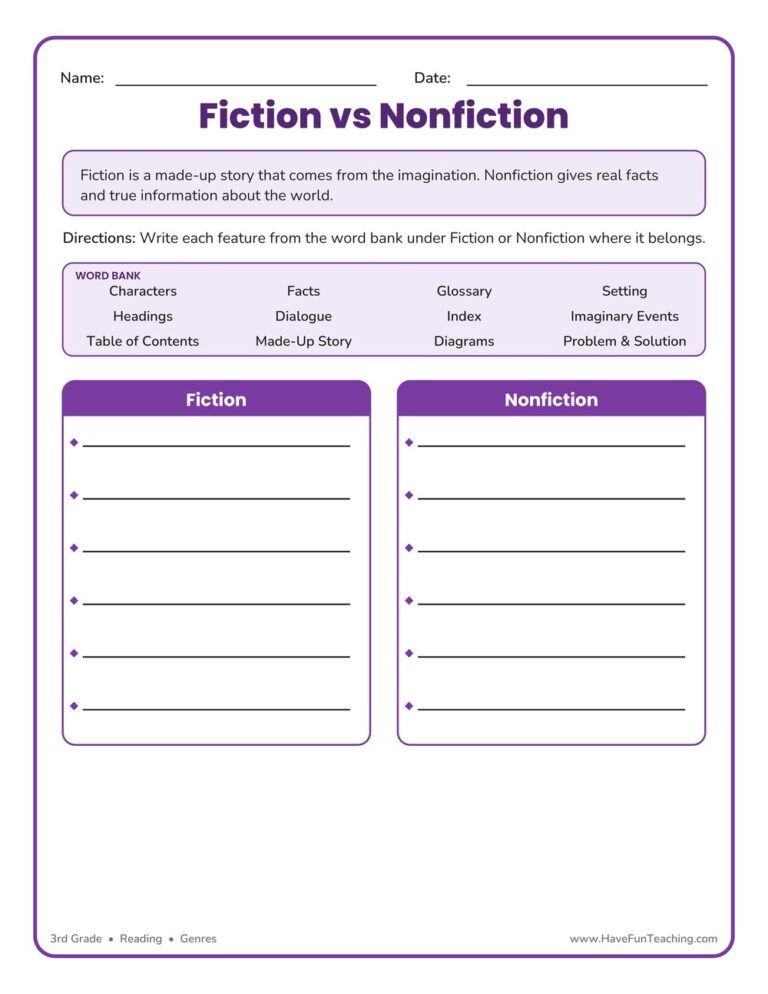
This fiction and nonfiction features worksheet has 3rd graders sort twelve text features into Fiction and Nonfiction columns. An answer key is included, making it a quick, no-prep way to build genre awareness.
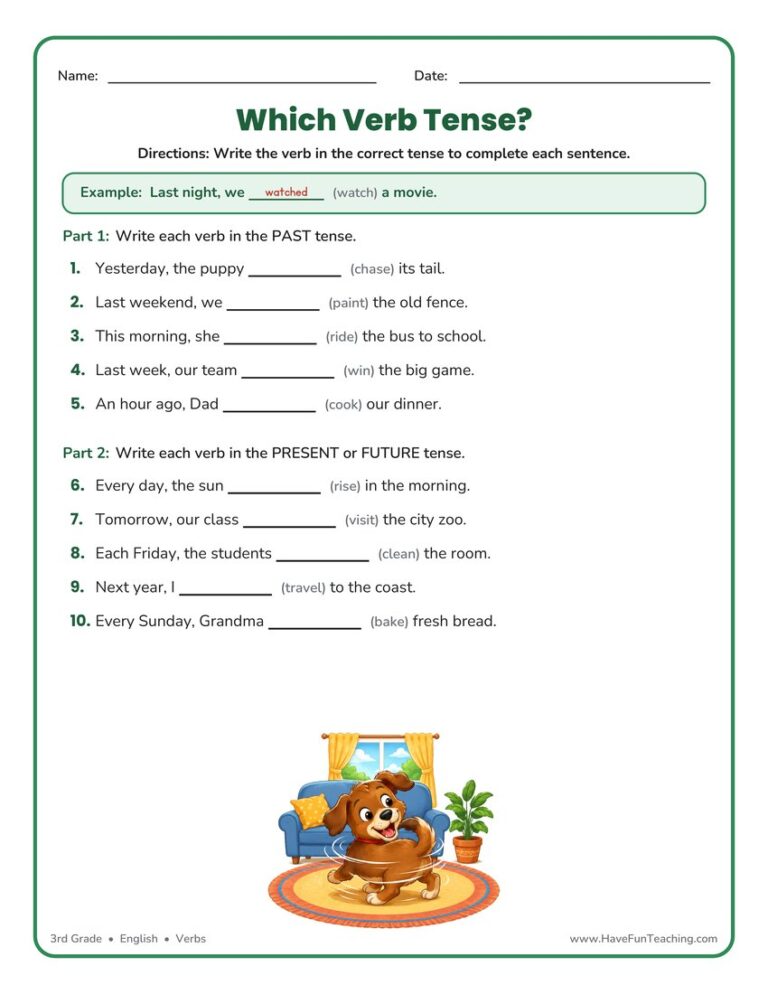
This Verb Tenses Fill in the Blank Worksheet helps 3rd graders choose the correct past, present, or future verb form using clear time clues. Answer key included—a quick, no-prep grammar practice for home or class.
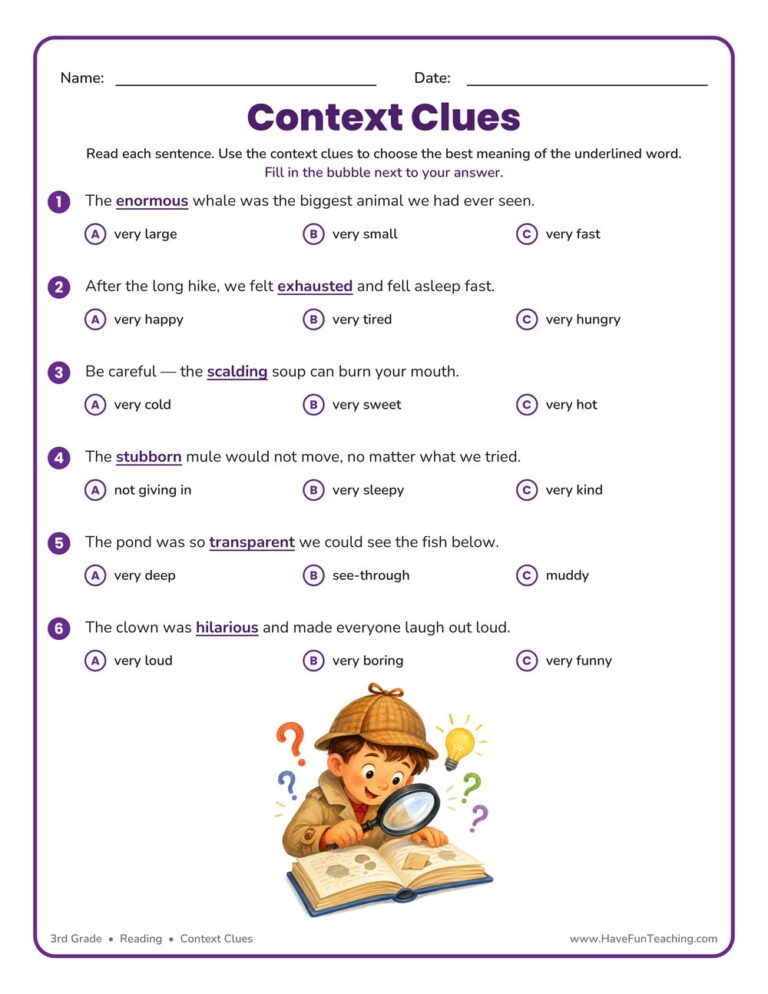
A 3rd grade Context Clues Worksheet with six multiple-choice sentences where students use the surrounding words to find the meaning of each underlined word. Answer key included for fast, no-prep vocabulary practice.
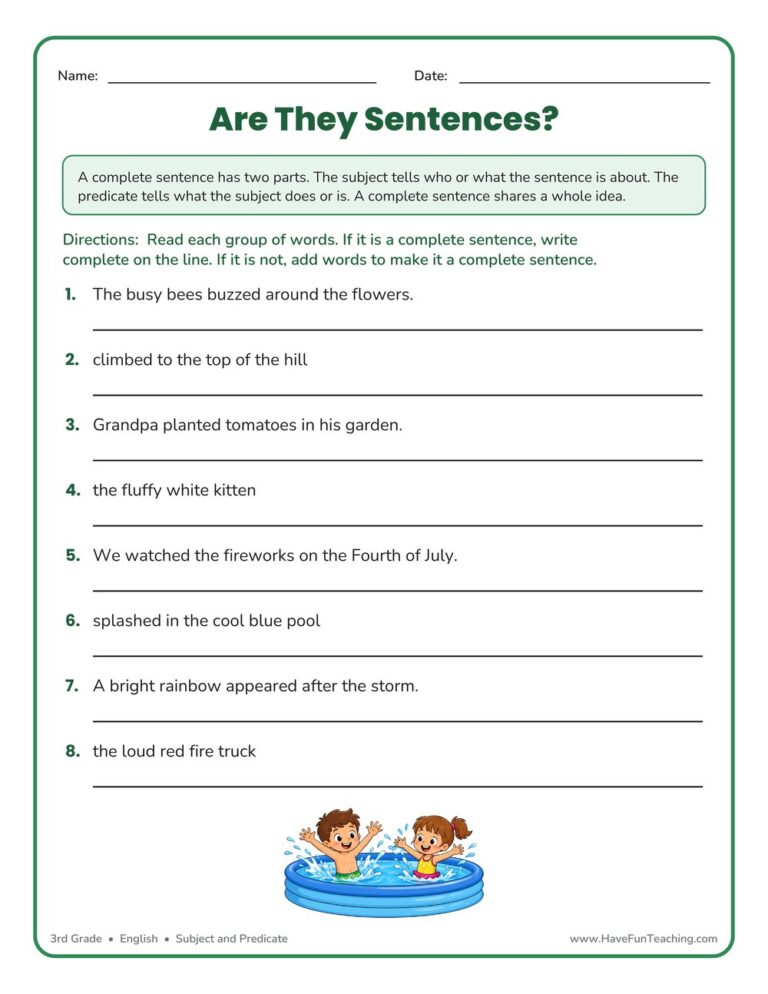
This Creating Complete Sentences Worksheet asks 3rd graders to spot complete sentences and fix fragments by adding a missing subject or predicate. Answer key included — perfect for quick, no-prep grammar practice at home or school.




Reviews
There are no reviews yet