
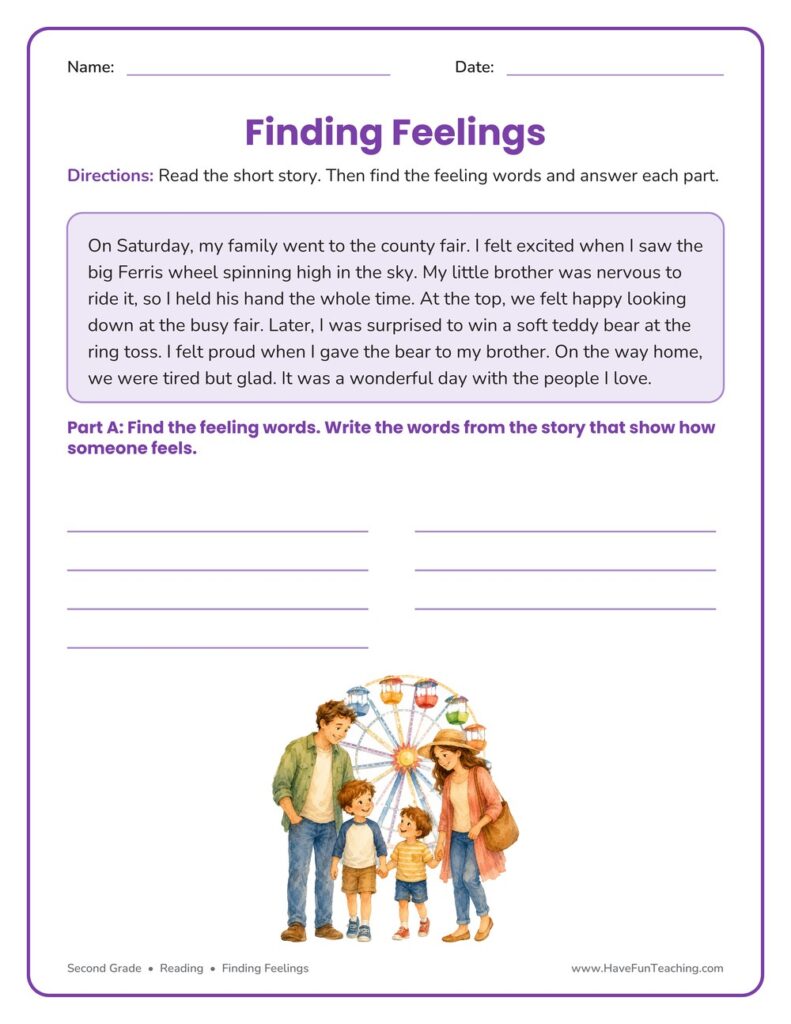
Finding Feelings Worksheet
This Finding Feelings Worksheet has second graders read a short story, find the feeling words, and match story moments to emotions. Answer key included — a no-prep way to build reading comprehension and empathy.
$6.97
Or free with a membership — members pay $3.33/mo for all 10,000+ resources. See plans
Want this one free?
Tell us where to send it and it’s yours — no card, no catch.
One free resource per teacher. We’ll also send free teaching ideas each week — unsubscribe anytime.
Teaching is easier with a membership
Unlimited printables, games & videos for PreK–6th — for your classroom or homeschool. Cancel anytime.
Start your 3-day free trial$0 today · cancel anytime · Instant access to 10,000+ resources
About this resource
Description
Understanding emotions is an important reading and social skill, and this Finding Feelings Worksheet helps second graders notice how characters feel as they read. When students learn to spot feeling words in a story, they connect more deeply with the text and build both comprehension and empathy. Exploring feelings like excited, nervous, proud, and glad turns reading into a meaningful chance to talk about real emotions.
This identifying feelings worksheet gives students a short, wholesome story about a family’s day at the county fair, then asks them to find the feeling words hidden in the text. After reading, children match parts of the story to the emotions the characters felt and write about a time they felt happy or proud. Use it during guided reading, as a reading-response activity, or as an independent center — simply print it and hand it out, and it is ready to go with no extra preparation.
What’s Included
- 1 print-ready PDF worksheet
- Answer key
- A short story, a feeling-word hunt, a story-to-feeling matching activity, and a personal writing response
This Finding Feelings Worksheet helps children in three ways. First, hunting for feeling words builds vocabulary and close-reading habits that carry over to every book they read. Second, matching story events to emotions strengthens comprehension and shows how authors reveal the way characters feel. Third, the writing prompt lets students connect the story to their own lives, deepening empathy and self-expression.
Teachers and parents can extend this skill in many fun ways. Read a favorite picture book aloud and pause to ask, “How is this character feeling right now?” Keep a classroom feelings word wall and add new emotion words as students discover them in their reading. At home, talk about feelings during everyday moments — a big game, a new experience, or a kind gesture from a friend — so children practice naming emotions with growing confidence.
Related Resources
What teachers say
Reviews
You must be logged in to post a review.


Using Feeling Words Activity, students read Amy Goes to First Grade to find words and phrases that describe Amy's feelings on the first day of school.

A Finding Feelings Within a Text Worksheet for 2nd grade readers, with an original story about a nervous boy and questions asking which words show how he feels. An answer key is included, so checking takes seconds.
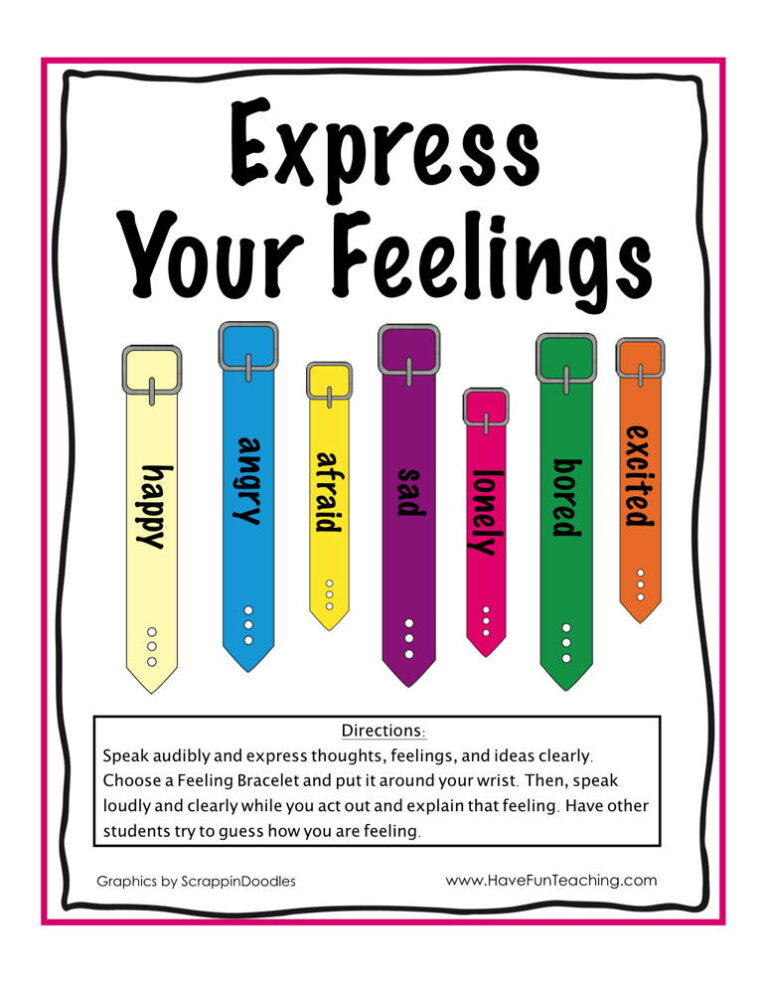
Using this Express Your Feelings Character Education Activity, students express thoughts, feelings, and ideas clearly.
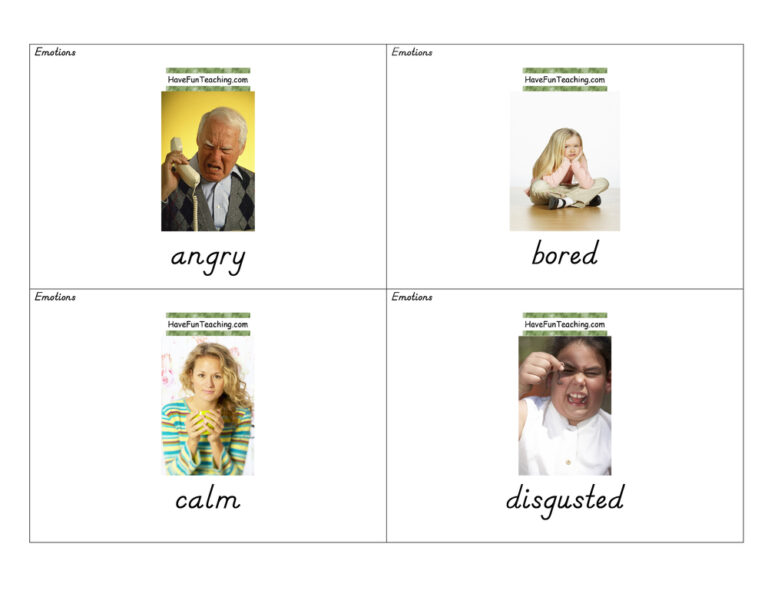
Using these Emotions Flash Cards, students improve their emotion vocabulary by describing the colorful flash cards to use in their writing.
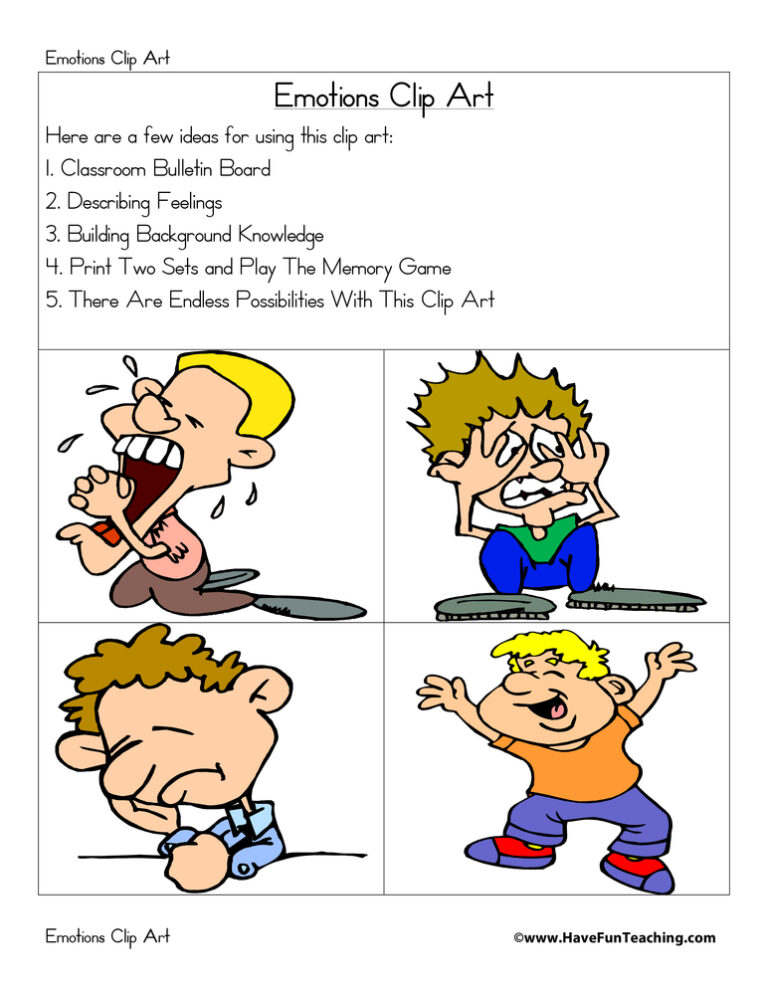
This Emotions Clip Art is a perfect addition to any bulletin board, flyer, or other printable that you use in your classroom.
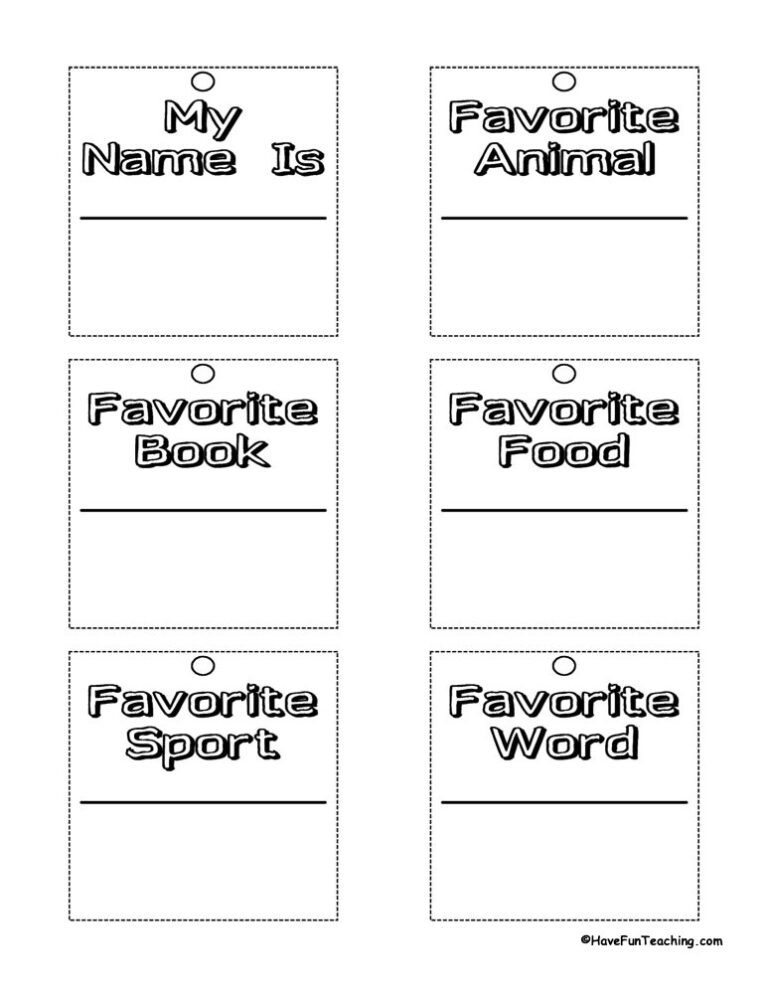
Using About Me Mobile Activity, students can create a mobile to introduce themselves and share important information about themselves at the beginning of a new school year!
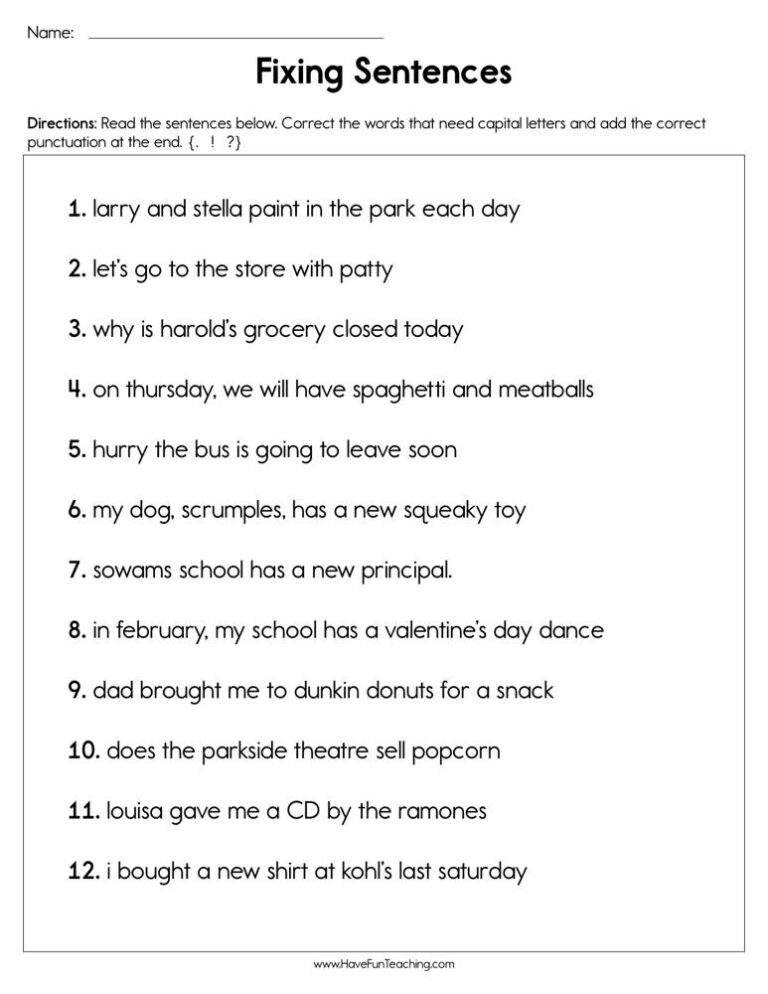
This editing sentences worksheet gives 2nd graders eight sentences to rewrite with the correct capital letters and end marks. Includes a complete answer key—perfect for quick, no-prep proofreading practice at home or school.
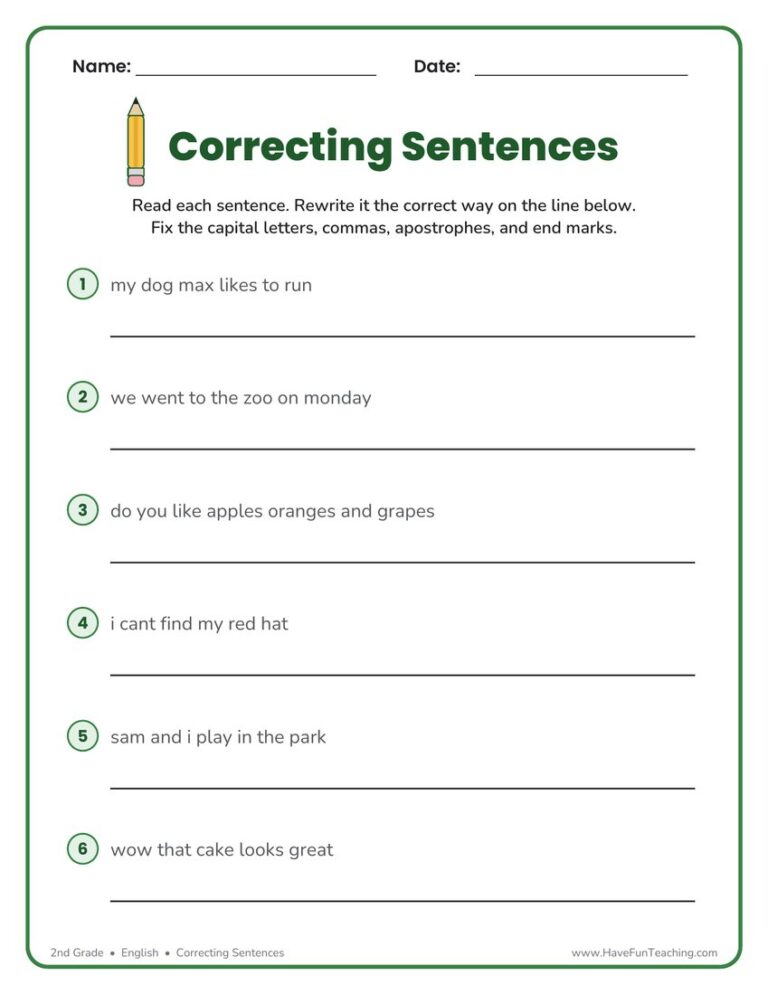
A 2nd grade correcting sentences worksheet where students rewrite six sentences to fix capital letters, commas, apostrophes, and end marks. Includes an answer key for quick, no-prep proofreading practice.
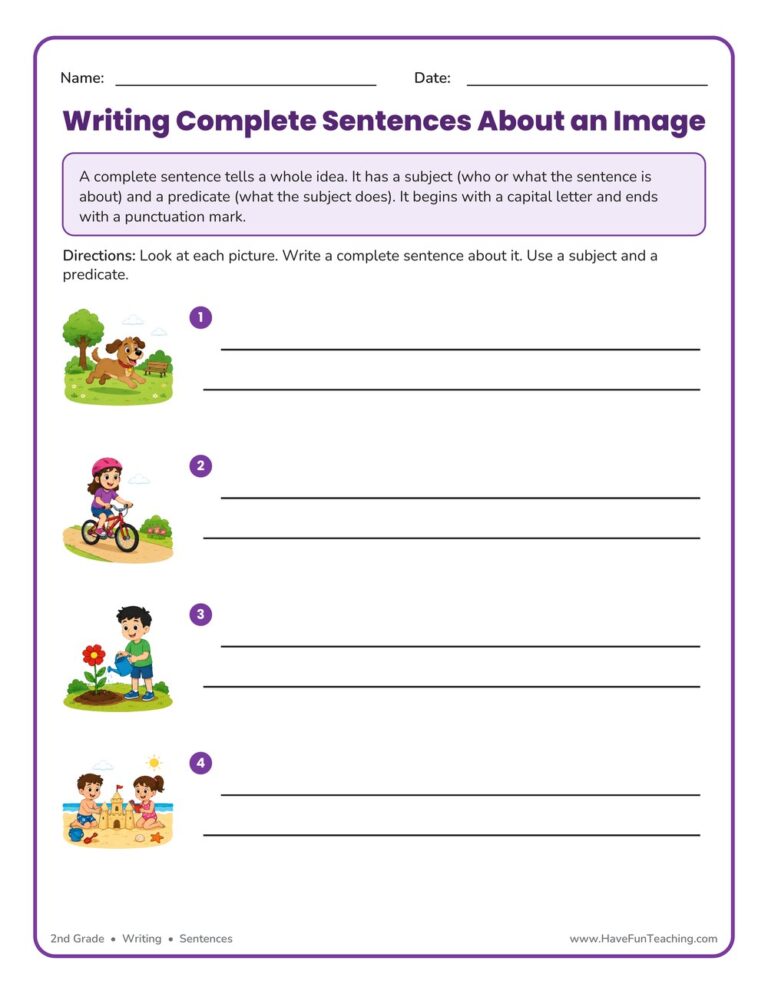
This Writing Complete Sentences About an Image Worksheet gives 2nd graders four picture prompts to practice building sentences with a subject and predicate. Includes sample answers — great for no-prep grammar and writing practice.
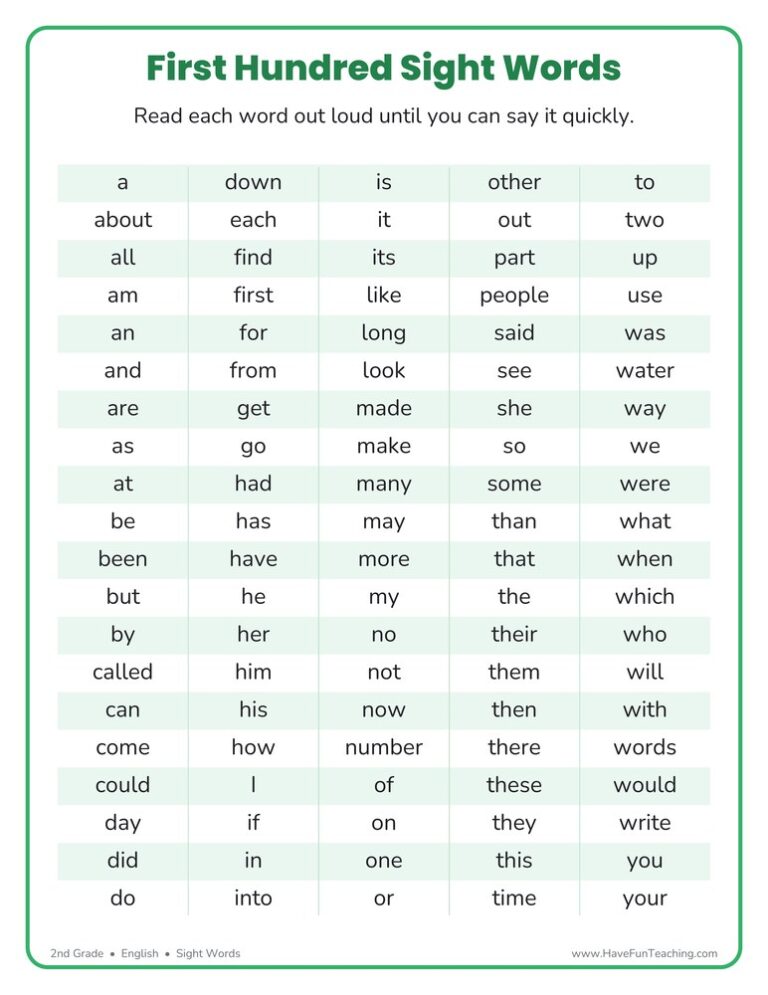
A three-page Fry's 300 Sight Words List reference chart for 2nd grade, sorted into the first, second, and third hundred words. Print it once and build fast, confident word recognition all year long.
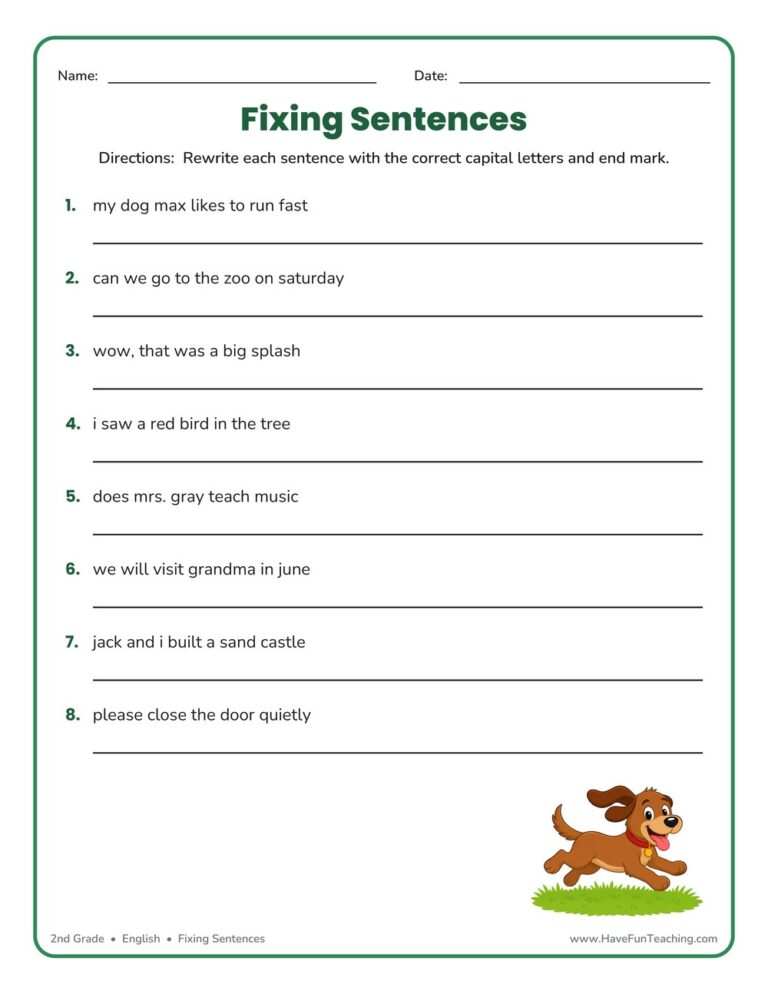
This Fixing Sentences Worksheet gives 2nd graders eight sentences to rewrite with the correct capital letters and end marks. Includes a complete answer key — perfect for no-prep grammar and editing practice.




Reviews
There are no reviews yet