

Fluency Progress Chart
A one-page fluency progress chart worksheet where 2nd graders record the date, passage, words read, errors, and words per minute after each one-minute reading. Watch reading rate climb week after week.
$6.97
Want this one free?
Tell us where to send it and it’s yours — no card, no catch.
One free resource per teacher. We’ll also send free teaching ideas each week — unsubscribe anytime.
Free teacher account · no credit card
Membership
Get every game, song, & printable
- Every game, on any device
- 10,000+ printables
- Assign online with HFT Classroom
Then $39.97/year · cancel anytime · See plans
- Instant digital download
- Printable PDF + answer key
- Made by real teachers
Teacher / Family membership
Teaching is easier with every resource
One membership for your whole year: 10,000+ worksheets, games, songs and videos for Preschool–6th, for your classroom or homeschool.
- Unlimited printables & downloads
- Every game, on any device
- Assign online with HFT Classroom
- Cancel anytime
Teacher / Family membership · 3 days free
Yearly
Monthly would be $119.64 a year
$3.33/month
Billed $39.97 once a year
You save $79.67 every year
Start My 3 Free Days$0 today · cancel anytime
Monthly
$9.97/month
Flexible, month to month
Yearly is just $3.33/mo. Switch and save $79.67
Start My 3 Free Days$0 today · cancel anytime
About this resource
Description
Reading fluency is the bridge between decoding words and understanding what a story actually means. A second grader who reads smoothly, at a comfortable pace, and with very few mistakes has room left over to think about the text instead of the letters. The fastest way to build that smoothness is to read a short passage out loud again and again and to watch the numbers climb, and this fluency progress chart worksheet gives students a simple place to record every one of those readings.
This 2nd grade fluency worksheet is a clean, one-page recording chart with eleven roomy rows. After a student reads a practice passage out loud for one minute, the teacher counts the total words read and the errors, and the student writes the date, the name of the passage, the total words read, the errors, and the resulting words per minute. A short reminder box at the top of the page shows the arithmetic: total words read minus errors equals words per minute. Because every row is filled in by the student, the sheet doubles as handwriting-and-numbers practice and as a running record the teacher can pull out at conferences.
What’s Included
- 1 print-ready PDF recording chart
- A five-column progress table with 11 recording rows
- Columns for date, passage name, total words read, errors, and words per minute
- A words-per-minute reminder box
- Name and date lines for one student
Three things make this fluency progress chart worksheet work. First, it makes progress visible: a child who can see last week’s number wants to beat it, so the chart turns repeated reading into a personal goal instead of a chore. Second, it separates accuracy from rate. By recording errors in their own column, a student and teacher can tell the difference between reading too fast and reading carefully, which is exactly the judgment second graders are still learning to make. Third, it builds ownership. The student, not the teacher, writes the numbers down, and that small act of record-keeping is what turns a score into something a child pays attention to.
Teachers and parents can stretch the chart in a few easy ways. Keep one copy per student in a reading folder and use the same passage for a whole week so the growth is unmistakable. Time a partner read, with one child reading and the other tracking words on a copy of the text. Graph the words-per-minute column on grid paper at the end of the month to turn the chart into a math lesson. Read the same passage in different voices, since expression is part of fluency too. And send the chart home so a parent can be the one holding the timer, which makes practice a two-minute nightly habit rather than a school-only task.
Related Resources
What teachers say
Reviews
Write a review, earn store credit
Get 25¢ in credit for every approved review of a resource you’ve downloaded, played or purchased — up to 15 a month. Credit applies automatically to your membership payments, so your reviews can help pay for your membership.
Honest reviews only — any star rating earns the same. Program rules
Log in to write a review and earn store credit.

This reading fluency worksheet gives 2nd Grade students a 129-word passage to read out loud in one minute, with a running word count and a six-row chart for tracking their score week by week.
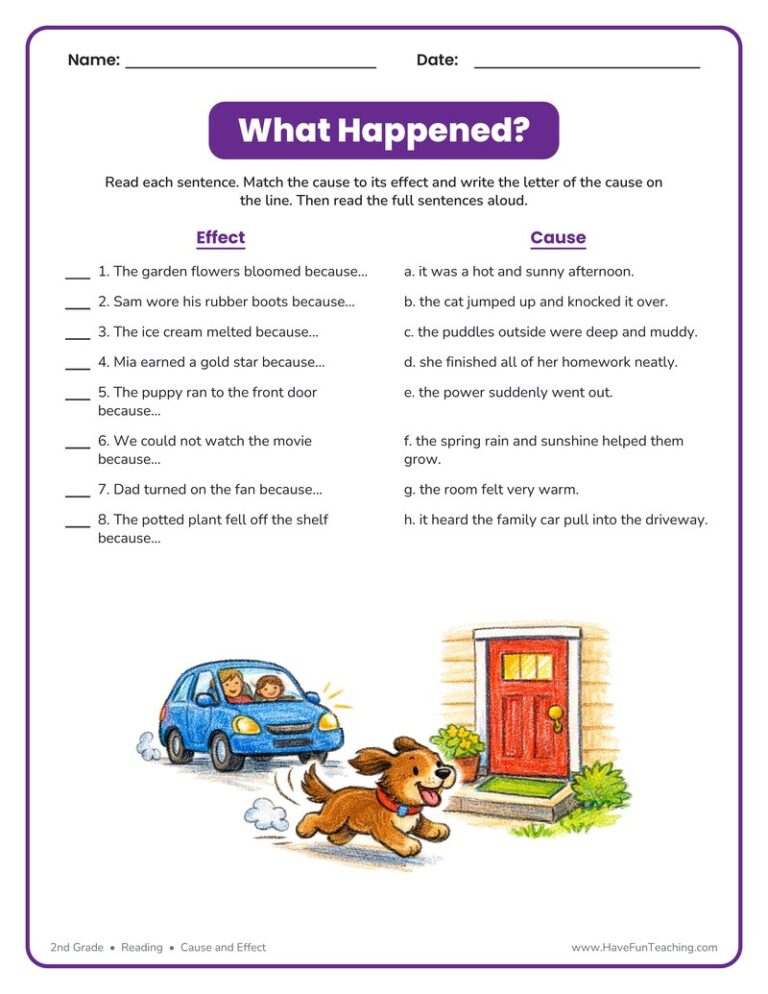
The What Happened Cause Effect Matching Worksheet has 2nd graders match eight everyday effects to their causes, then read the full sentences aloud for fluency. Includes a complete answer key for quick, no-prep reading practice.

A second grade r-controlled vowels word hunt worksheet: students read a short farm story, circle the twelve bossy r words, then sort them by ar, or, and er/ir/ur. Answer key included for fast, no-prep phonics practice.
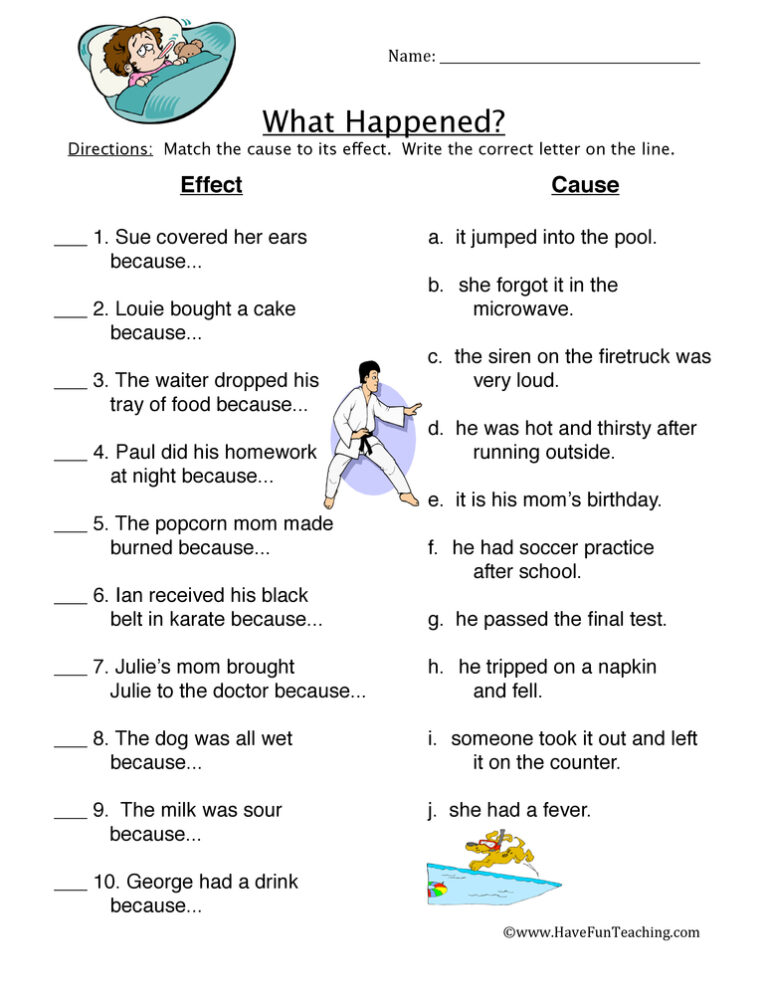
This what happened cause effect worksheet gives 2nd graders five matching pairs and three bubble questions that link each reason to its result. Answer key included, so reading practice is ready in one print.

Kids point to each word and find the one word a friend skipped on this reading one to one accuracy practice worksheet for 2nd grade, with an answer key to build careful readers.

Using Read It Syllables Activity, students know and apply grade-level phonics and word analysis skills in decoding words.
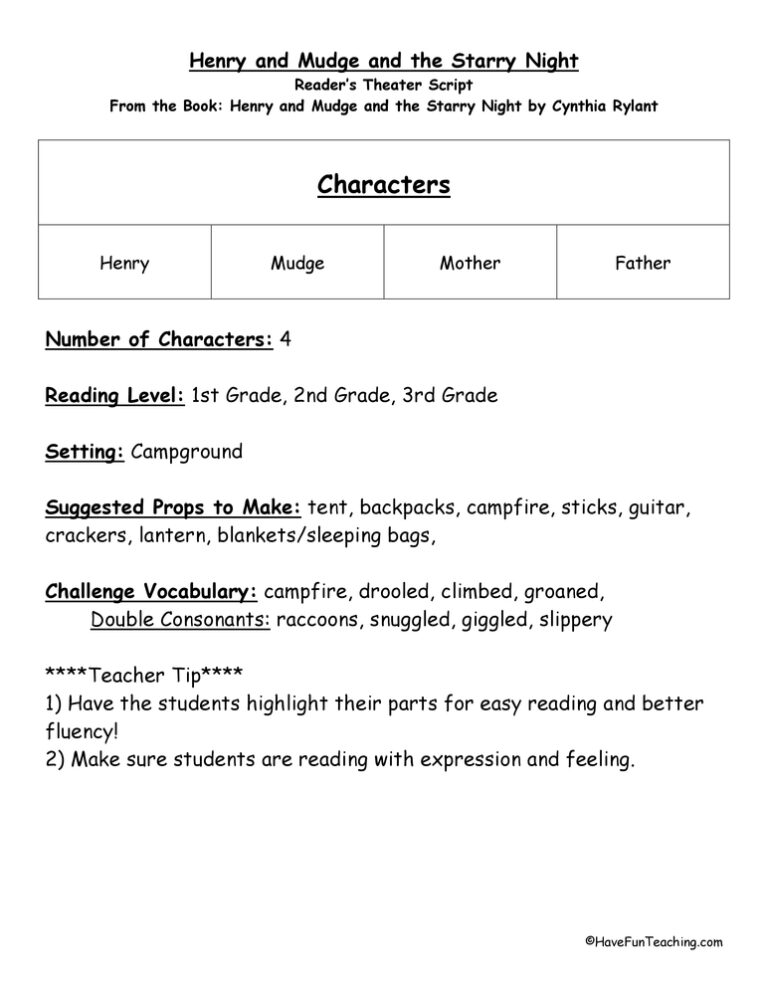
Using Henry and Mudge and the Starry Night Reader's Theater, students act out different parts in the story in this beloved story to build their reading fluency and accuracy skills.
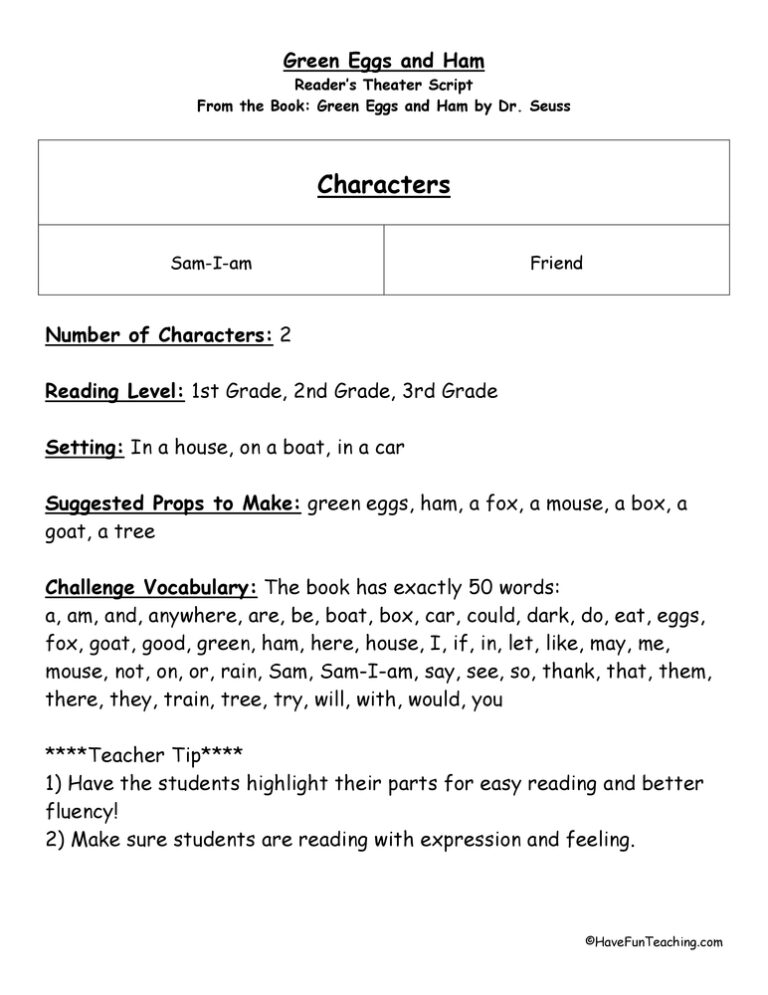
Using Green Eggs and Ham Reader's Theater, students act out different parts in the story Green Eggs and Hall to learn more about Dr. Seuss.

Using the Practice Makes Perfect Fluency Activity, students read the passage with accuracy and fluency while you take notes on their reading.

Using Read it Fluently Cooperative Learning Activity, students readwith sufficient accuracy and fluency to support comprehension.

Using this Reading Simple Sentences Activity Board Game, students practice reading these sentences one word at a time to build reading accuracy and fluency skills.
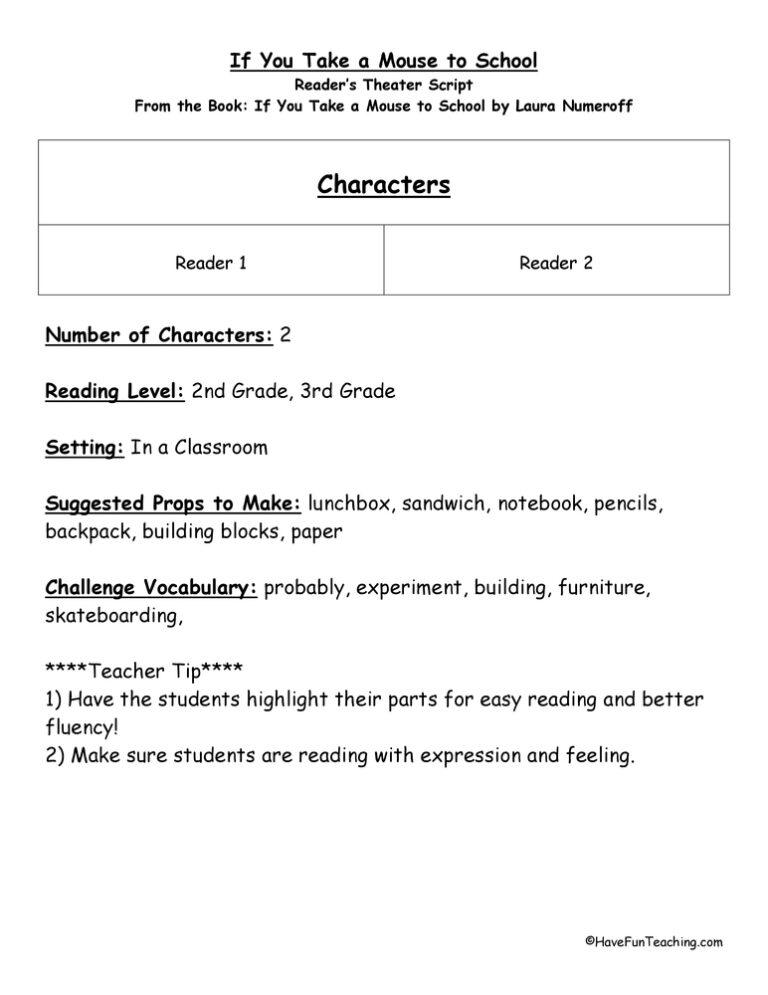
Using If You Take A Mouse To School Reader's Theater, students act out different parts in the story in this beloved story to build their reading fluency and accuracy skills.

Reviews
There are no reviews yet