

Note Taking and Summarizing Graphic Organizer
This Note Taking and Summarizing Graphic Organizer Worksheet gives 3rd Grade students one page for notes, a drawing of the big idea, and a short summary of any book or article they read.
$6.97
Or free with a membership — members pay $3.33/mo for all 10,000+ resources. See plans
Want this one free?
Tell us where to send it and it’s yours — no card, no catch.
One free resource per teacher. We’ll also send free teaching ideas each week — unsubscribe anytime.
Teaching is easier with a membership
Unlimited printables, games & videos for PreK–6th — for your classroom or homeschool. Cancel anytime.
Start your 3-day free trial$0 today · cancel anytime · Instant access to 10,000+ resources
About this resource
Description
The Note Taking and Summarizing Graphic Organizer Worksheet gives students one clean page to hold everything they pull out of a text. They write the title of the book or article at the top, jot their notes on five ruled lines, draw a picture of the big idea, and finish by writing a short summary in their own words. Three numbered sections keep the work in the order good readers actually use it, so the page teaches the habit as well as the skill.
This 3rd grade graphic organizers worksheet works with any text a class is already reading, which makes it a page teachers can reach for all year. Use it with a chapter book, a science article, a nonfiction read-aloud, or a passage from a reading program. Because the notes come first and the summary comes last, students learn that a summary is built from what they collected, not written from memory. The drawing box in the middle gives visual thinkers a place to plan before they write, and it often shows a teacher at a glance whether the big idea landed.
What’s Included
- One printable page with Name and Date lines and a title line for the text
- A notes section with five full-width writing lines
- A large box for drawing the big idea
- A summary section with three writing lines
Three Reasons This Helps Kids
- Notes, picture, and summary sit in the order a reader uses them, so the page models the process.
- Writing the summary in their own words is what moves students past copying sentences out of the text.
- The drawing box gives every student a way in, including the ones who freeze at a blank line.
Ideas for Teachers and Parents
Model the page once on a document camera with a short article before students try it alone. Ask them to keep their notes to phrases rather than whole sentences, then cover the notes and have them say the summary out loud before writing it. The Note Taking and Summarizing Graphic Organizer Worksheet also works as a reading log at home: print a stack, and let a child fill one in after each chapter so the summaries build into a record of the whole book.
Related Resources
What teachers say
Reviews
You must be logged in to post a review.

This who what when where why graphic organizer worksheet helps 3rd graders record the five key details — who, what, when, where, and why — from any story or article. A clear, reusable note-taking template.

A Who What When Where Why Summary Graphic Organizer Worksheet that walks 3rd graders from a short story to the five W answers and on to a written summary. Answer key included, so students get quick feedback and real confidence.

This read a recipe worksheet gives 3rd grade students a banana-bread recipe to read, then four multiple-choice questions and a written response. An answer key is included, so following directions is easy to check.
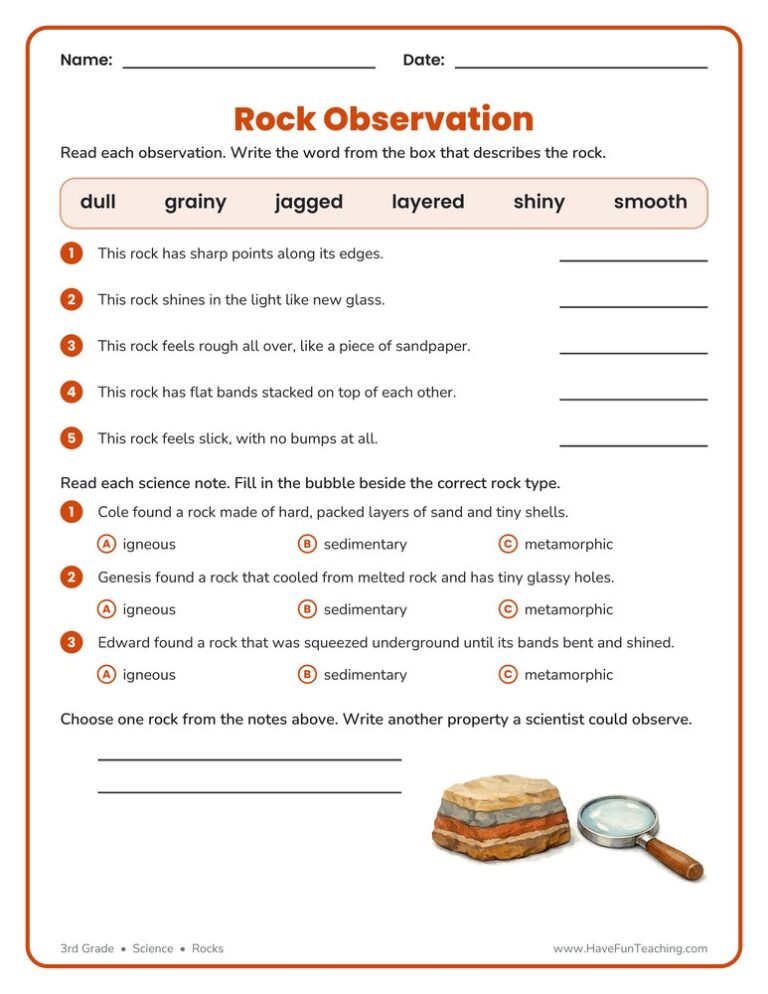
This Rock Observation Worksheet has 3rd grade students match describing words to five rock observations, name three rock types, and record one more property. An answer key is included, so it is ready to print.
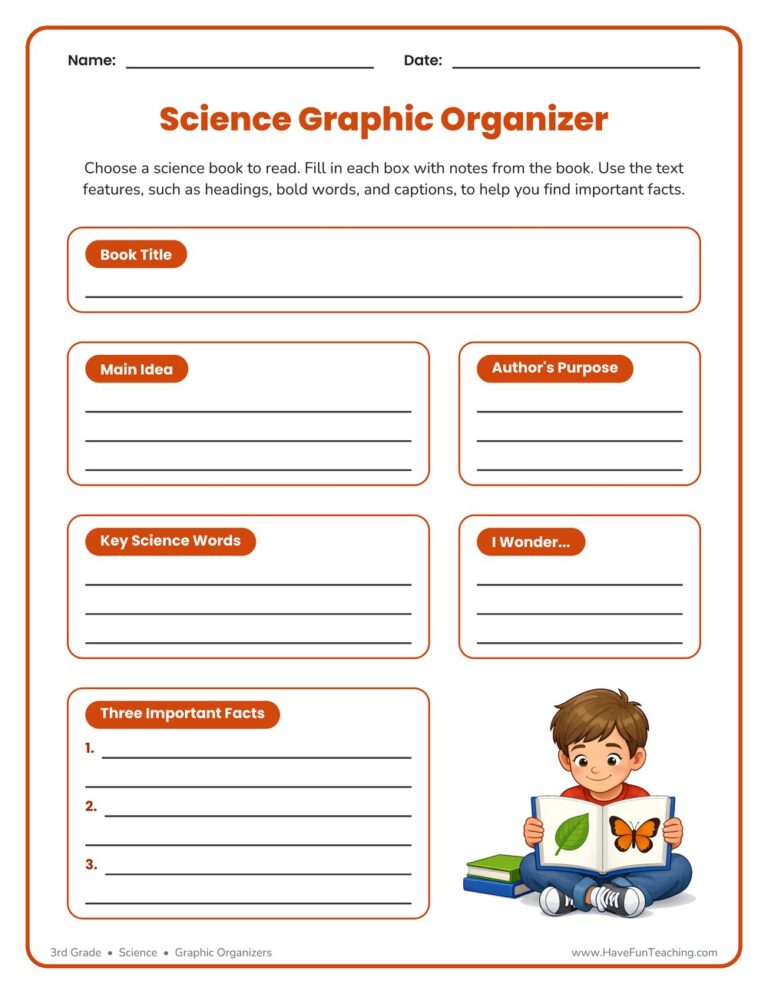
This science graphic organizer worksheet helps 3rd graders take notes on any nonfiction science book, from main idea and author’s purpose to key science words and three important facts. A reusable page that turns reading into real understanding.
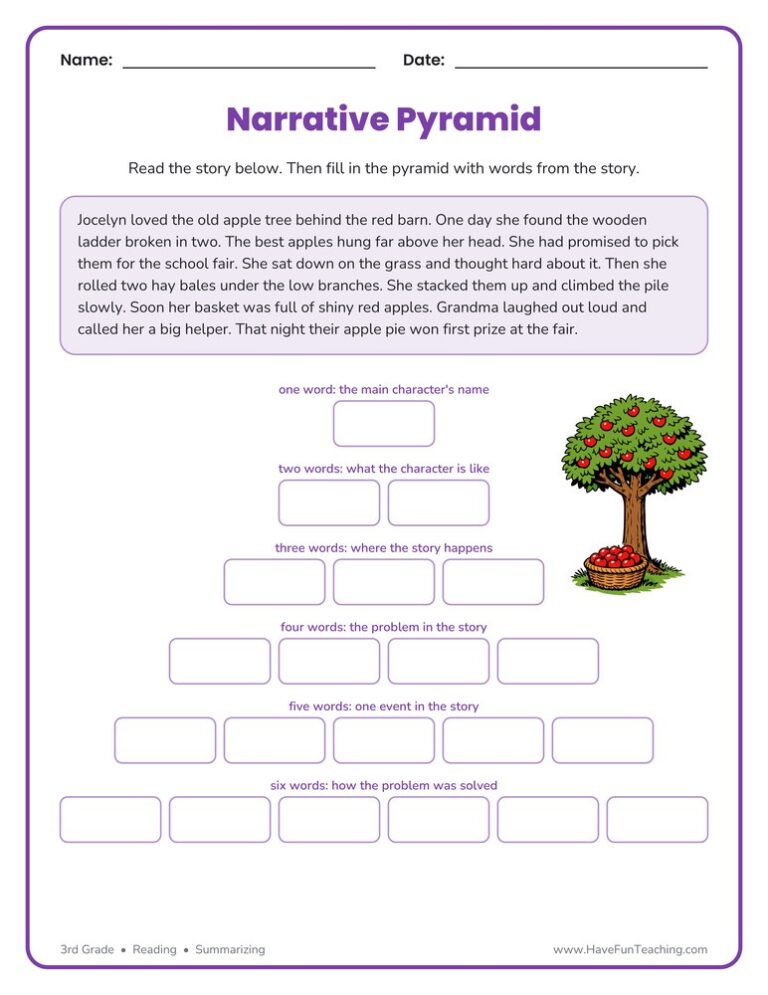
This Narrative Pyramid Worksheet prints an original story for 3rd graders, then asks them to summarize it row by row, from one word up to six. An answer key is included, so it works as a quick reading check or a pre-writing plan.
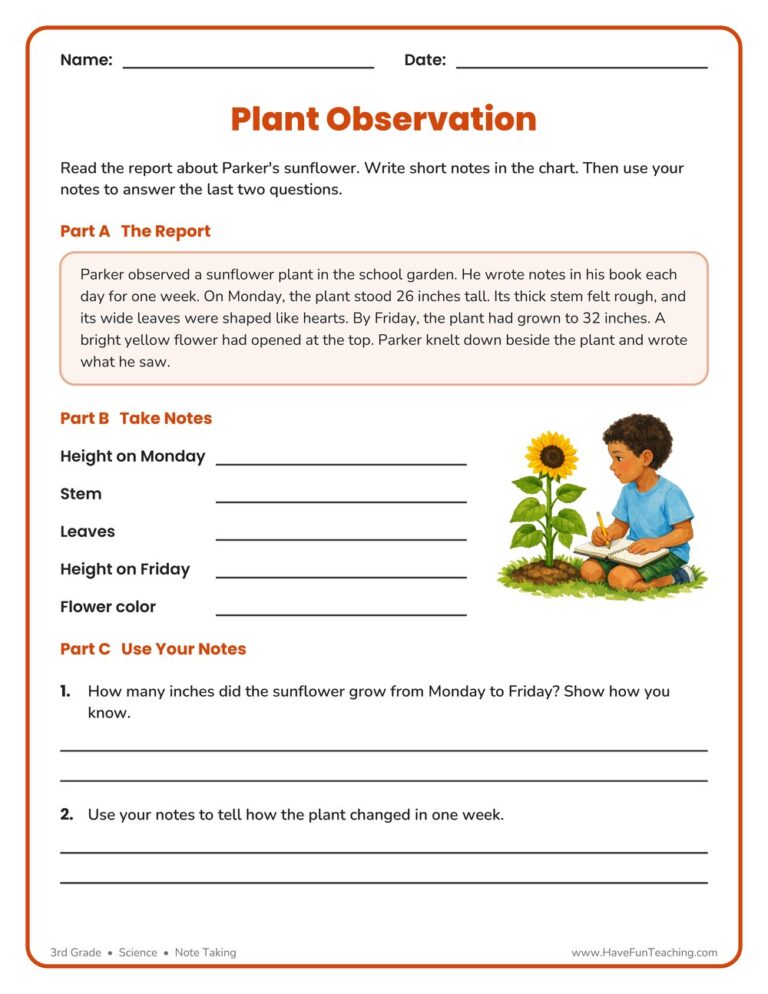
This plant observation worksheet gives 3rd graders a short sunflower report to read and a chart for taking clear, useful notes. An answer key is included, so checking work takes seconds.
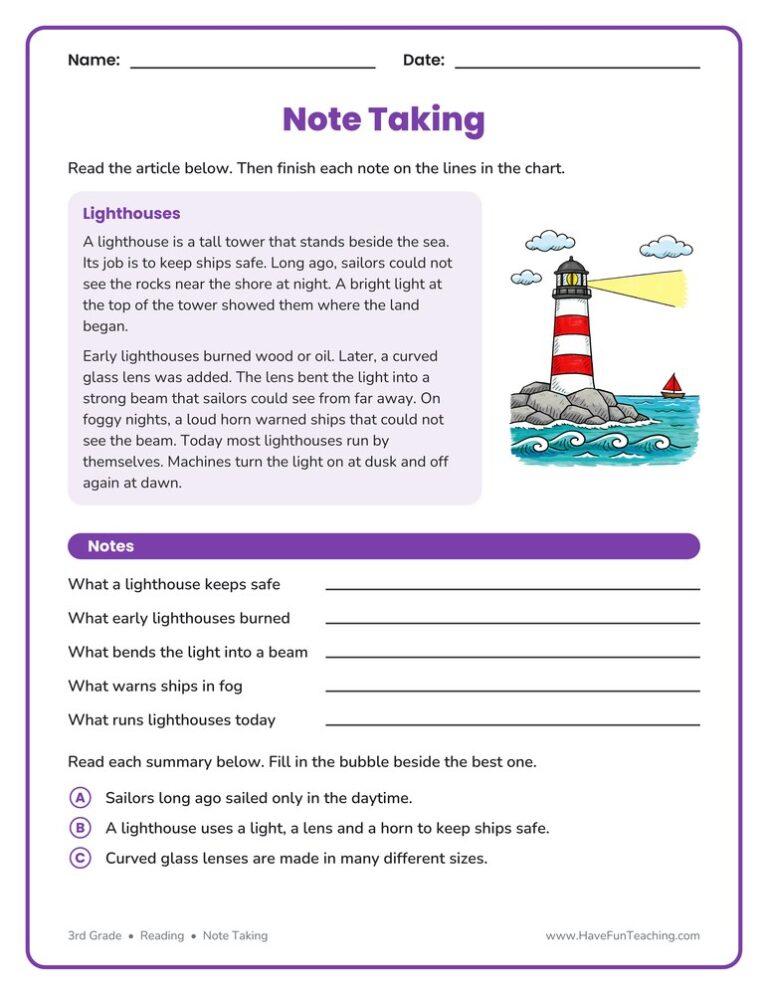
This note taking worksheet has 3rd Grade students read a short article about lighthouses, finish five notes in a chart, and choose the best summary. An answer key is included.

This story map worksheet lets 3rd grade students record the characters, setting, problem, main events, and solution of any story they read, building stronger comprehension and retelling skills.
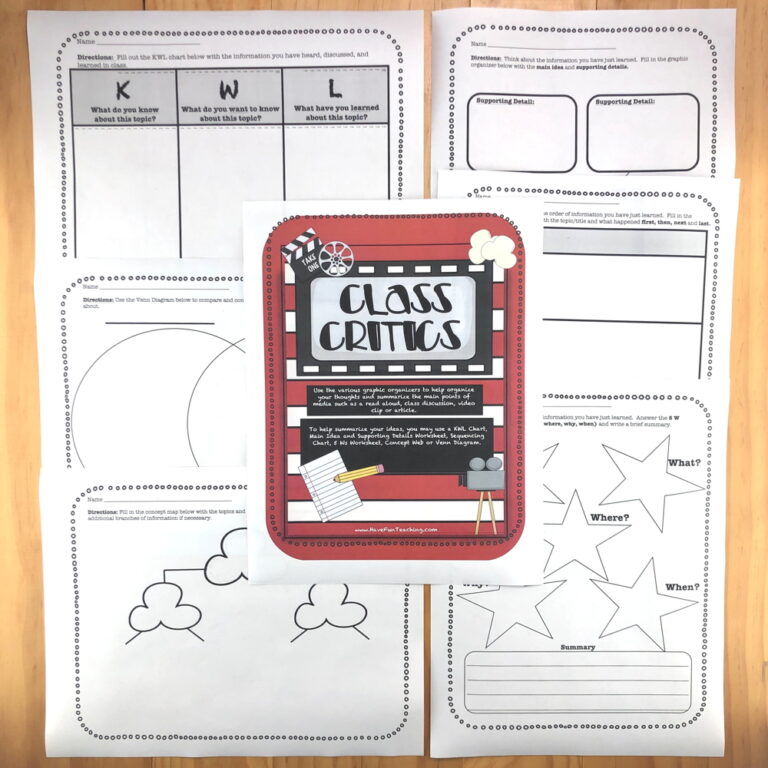
Using Retell the Story Activity, students read Floppy Ears aloud to students and then use the question chart to assess students ability to retell the story.
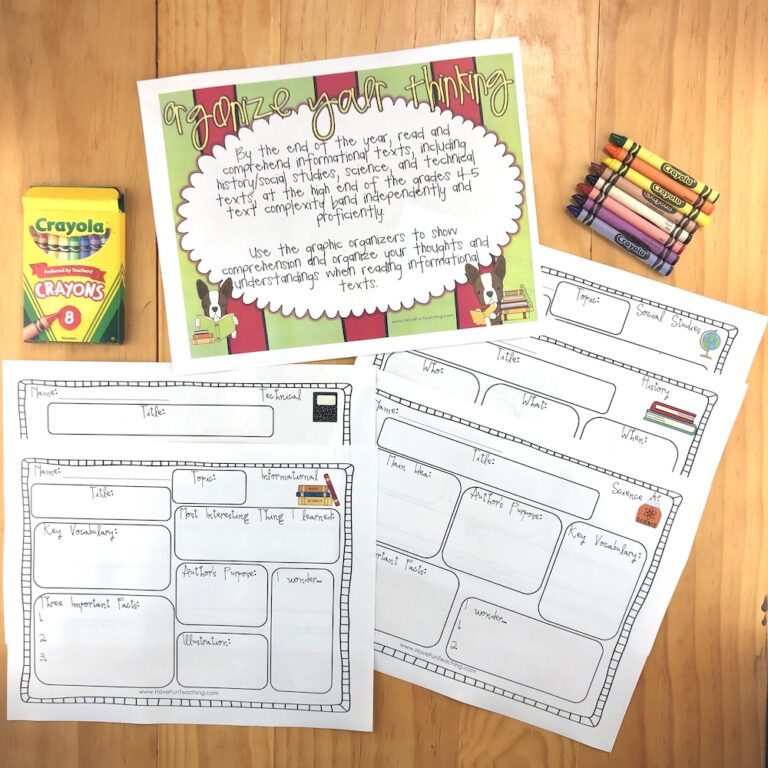
Using this Organize Your Thinking Informational Text Activity, students will have the opportunity to demonstrate their comprehension of informational texts by organizing their thoughts and understandings.
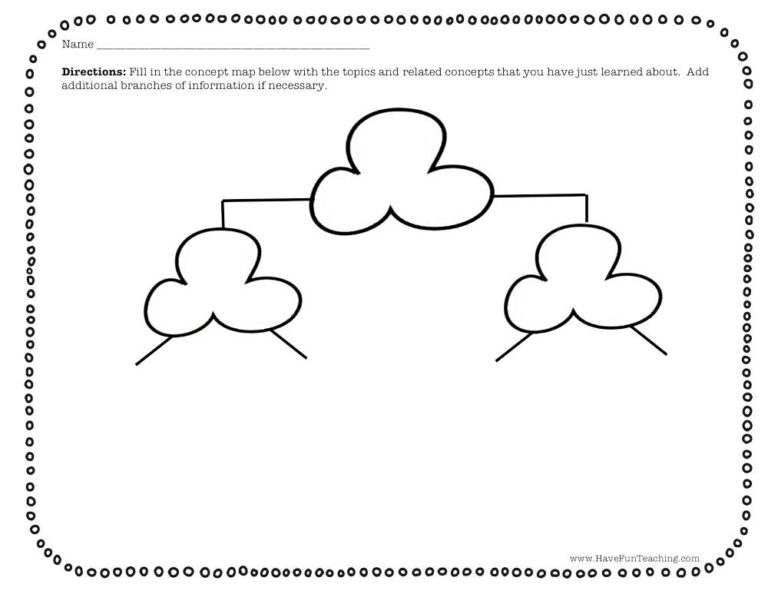
While using this Popcorn Concept Map Graphic Organizer Worksheet, your students will fill in the concept map with the topics and related concepts that




Reviews
There are no reviews yet