

Reptiles, Amphibians, and Insects Worksheet
This reptiles, amphibians, and insects worksheet helps 3rd grade students sort four animals by their traits and explain their thinking in writing. Answer key included for quick, no-prep life science practice.
$6.97
Want this one free?
Tell us where to send it and it’s yours — no card, no catch.
One free resource per teacher. We’ll also send free teaching ideas each week — unsubscribe anytime.
Free teacher account · no credit card
Membership
Get every game, song, & printable
- Every game, on any device
- 10,000+ printables
- Assign online with HFT Classroom
Then $39.97/year · cancel anytime · See plans
- Instant digital download
- Printable PDF + answer key
- Made by real teachers
Teacher / Family membership
Teaching is easier with every resource
One membership for your whole year: 10,000+ worksheets, games, songs and videos for Preschool–6th, for your classroom or homeschool.
- Unlimited printables & downloads
- Every game, on any device
- Assign online with HFT Classroom
- Cancel anytime
Teacher / Family membership · 3 days free
Yearly
Monthly would be $119.64 a year
$3.33/month
Billed $39.97 once a year
You save $79.67 every year
Start My 3 Free Days$0 today · cancel anytime
Monthly
$9.97/month
Flexible, month to month
Yearly is just $3.33/mo. Switch and save $79.67
Start My 3 Free Days$0 today · cancel anytime
About this resource
Description
Grouping animals by the traits they share is one of the first big ideas in life science, and it is a skill students use long after third grade. This reptiles, amphibians, and insects worksheet gives students a clear, hands-on way to practice it. Instead of memorizing a list of animal names, children study three traits that scientists really use: reptiles have dry, scaly skin, amphibians have smooth, moist skin and begin their lives in water, and insects have six legs, three body parts, and a hard outer covering. Once a child can name a trait, classifying an animal stops being a guess and becomes an observation.
This 3rd grade animal classification worksheet opens with a trait box students can look back at while they work. In Part A, they study four colorful animal pictures — a box turtle, a dragonfly, a tiger salamander, and a ladybug — and write the correct group on the line under each one. In Part B, they answer three short questions in complete sentences, explaining how they know a gecko is a reptile, why a beetle is an insect and a spider is not, and which group a smooth, wet pond animal belongs to. Print it for a science center, use it after a read-aloud about animal groups, or send it home for review.
What’s Included
- 1 print-ready PDF worksheet
- Answer key
- 4 picture classification cards and 3 written explanation questions
This resource helps children learn animal classification in three ways. First, it pairs each animal with a real photograph-quality illustration, so students classify what they actually see rather than a word on a list. Second, the trait box keeps the science in front of them, which builds the vocabulary of skin, legs, and body parts they will need for later units. Third, the written questions in this reptiles, amphibians, and insects worksheet ask students to justify an answer, turning a quick sorting task into real scientific reasoning and giving teachers a fast way to see who understands the traits and who is still guessing.
Teachers and parents can stretch this lesson in simple ways. Take a trait walk outside and record every animal you spot, then sort the list into groups when you get home. Play a guessing game where one person names a trait and everyone else names an animal that fits it. Start a class chart with three columns and add a new animal each week. Compare a frog and a lizard side by side to see why moist skin and scaly skin matter. Watch a short animal video together and pause to name the group before the narrator does.
Related Resources
What teachers say
Reviews
Write a review, earn store credit
Get 25¢ in credit for every approved review of a resource you’ve downloaded, played or purchased — up to 15 a month. Credit applies automatically to your membership payments, so your reviews can help pay for your membership.
Honest reviews only — any star rating earns the same. Program rules
Log in to write a review and earn store credit.
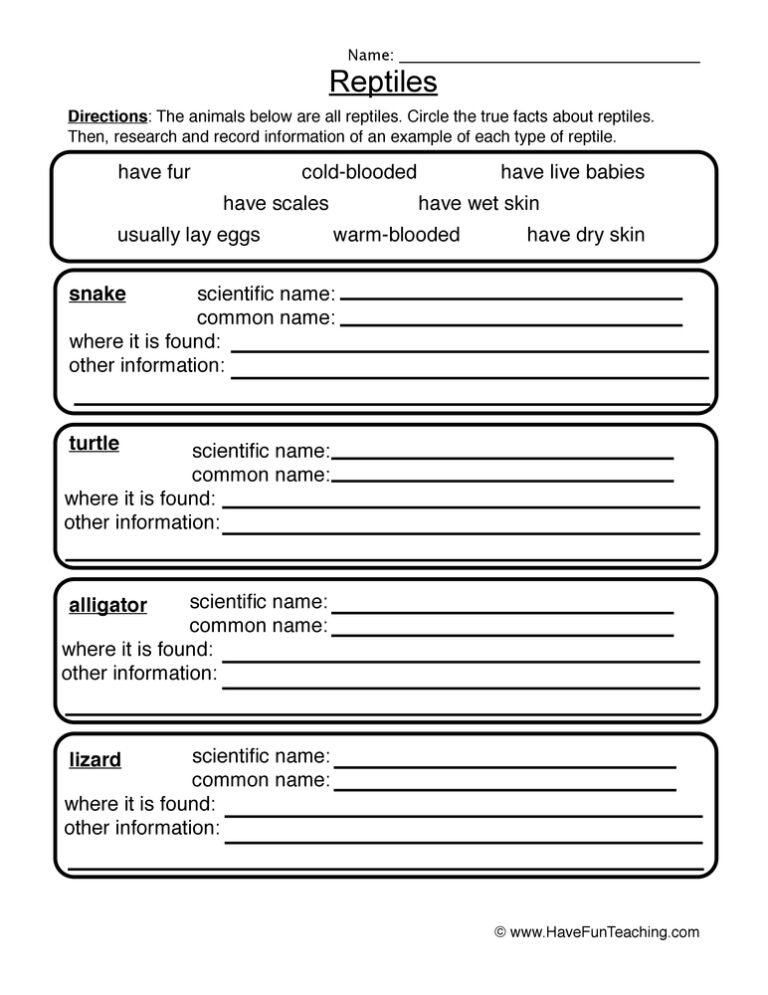
This reptiles worksheet has 3rd Grade students check reptile facts, sort eight animals into reptile and not-a-reptile columns, and explain how a frog differs. An answer key is included, so checking work takes seconds.

Using this Animal Song (Animated Music Video), your students learn about different types of animals and their sounds by watching this fun, catchy video.

This animal habitats worksheet asks 3rd Grade students to match animals to their habitats, sort six animals into two environments, and explain one desert adaptation. An answer key is included for fast, no-prep science practice.

This bird classification worksheet asks 3rd grade students to sort eight animals into birds and not birds, then match four trait clues. A full answer key makes the sort quick to check.
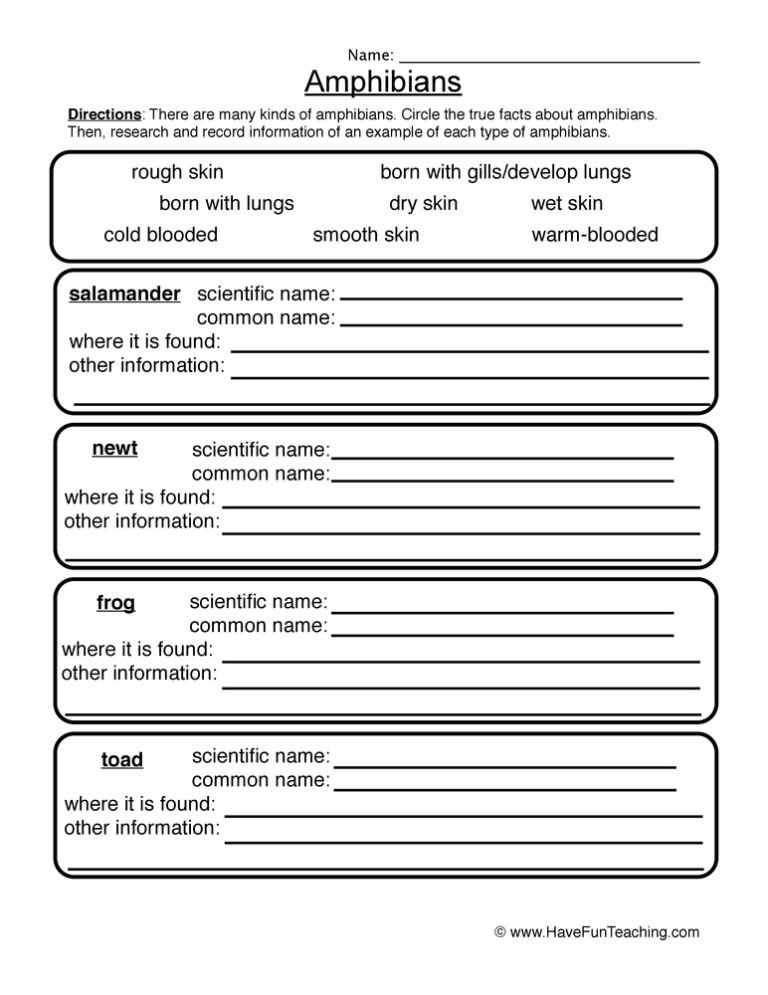
This amphibians worksheet has 3rd graders circle amphibian traits, sort eight animals into amphibian and non-amphibian columns, and explain their thinking. Answer key included for fast, no-prep science practice.

This animals matching classification worksheet has 3rd grade students sort twelve animals into mammals, birds, reptiles, amphibians, fish, and insects, then solve clue questions. An answer key is included for quick checking.
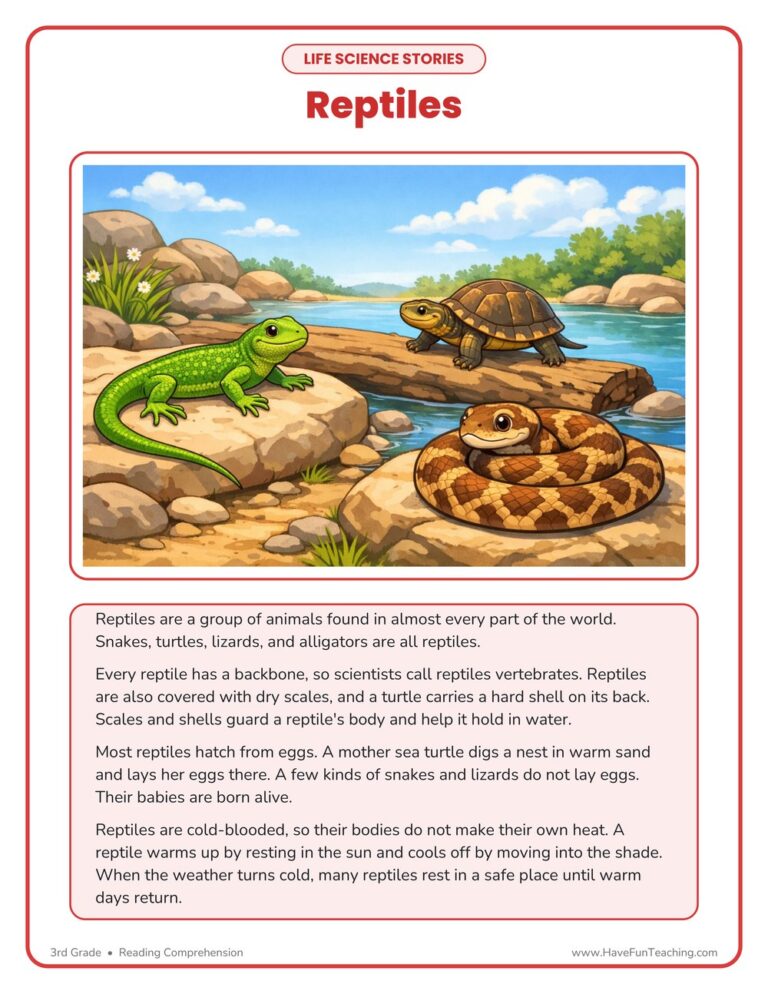
Build non-fiction reading skills with the Reptiles Life Science Reading Comprehension Worksheet, a 3rd grade passage about reptiles with comprehension questions and an answer key included. Reading and science practice in one page.
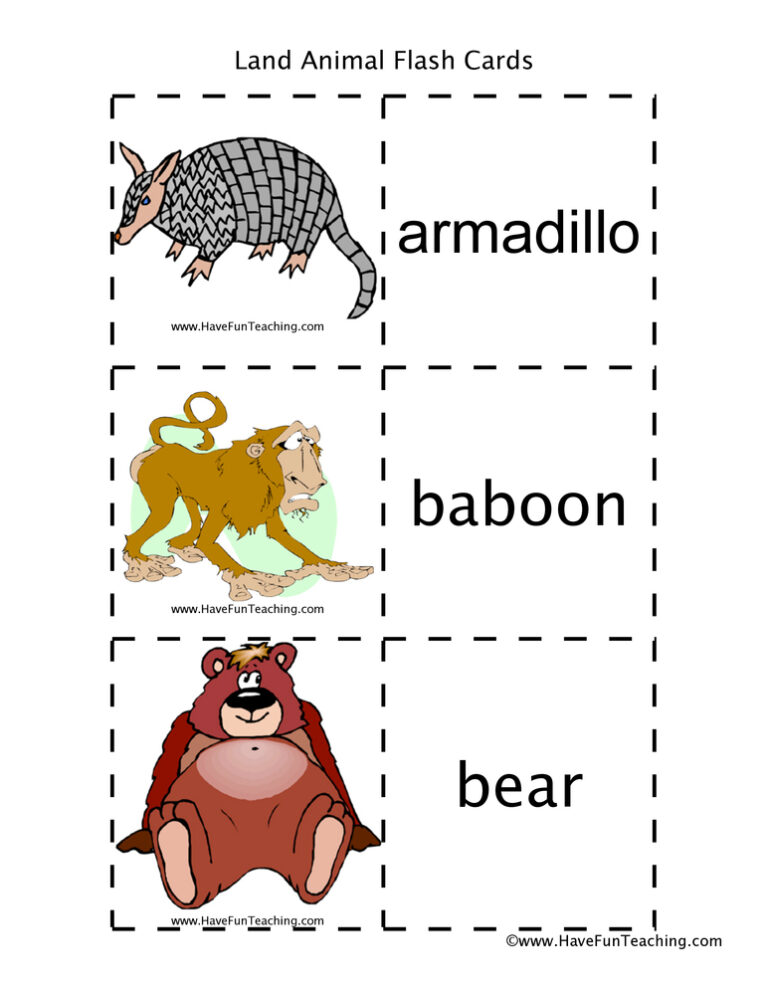
Using these Land Animal Flash Cards, students improve their Insect vocabulary by having a complete set of animal names they can use in their writing and discussions.
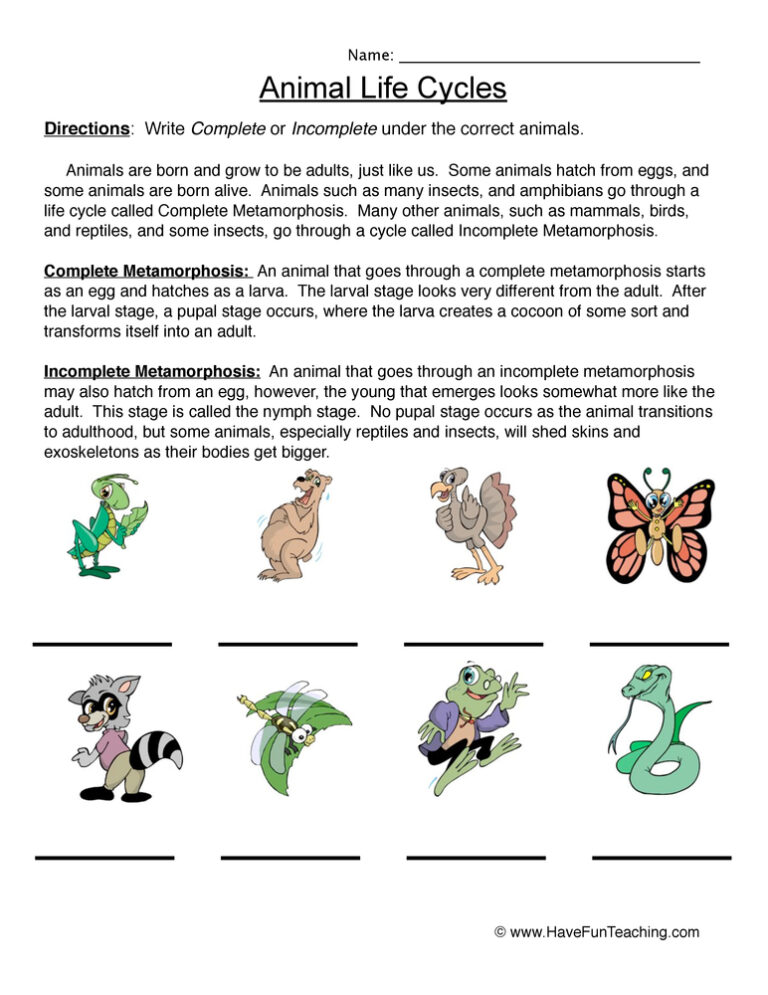
This animal life cycles worksheet has 3rd graders order a butterfly's four stages, sort six insects by complete or incomplete metamorphosis, and explain the difference. Answer key included for fast, no-prep life science practice.

This drawing fossils worksheet has 3rd graders sketch the imprint a fern leaf, seashell, fish and bird foot would leave in rock, then answer three written questions. Answer key included.

This fish worksheet has 3rd graders circle the facts that are true of all fish, sort eight animals into Fish and Not a Fish, and explain how a dolphin is different. Answer key included.
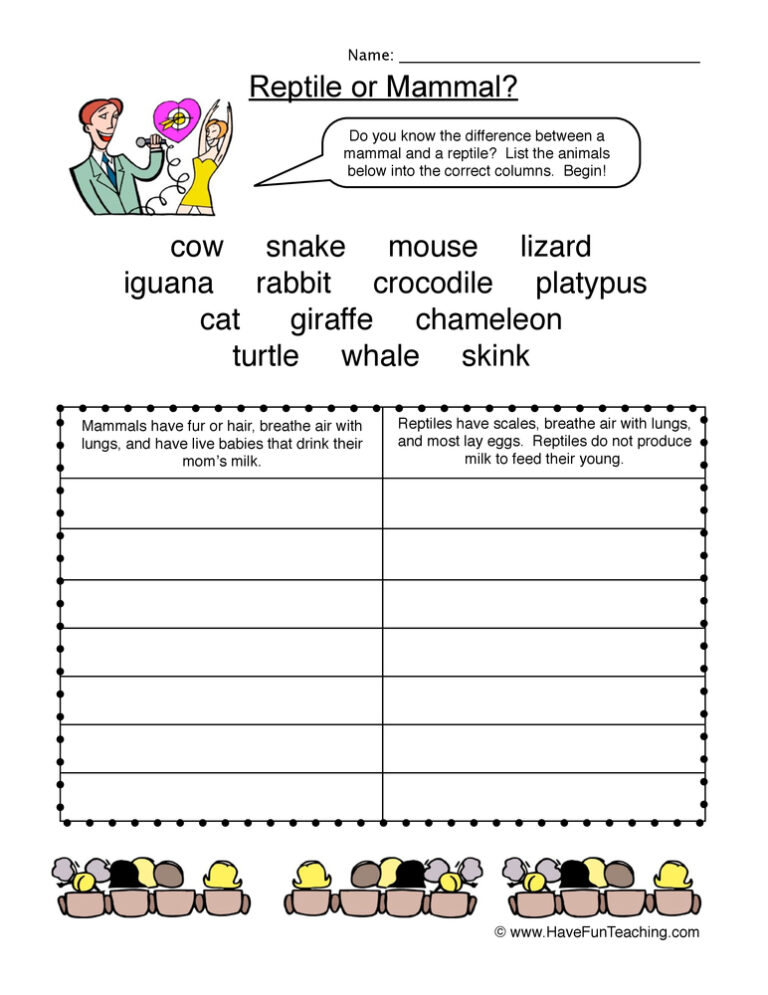
This mammal vs reptile worksheet has 3rd grade students sort eight animals into two groups, then name the clue that proves each answer, with an answer key included for fast checking.
Reviews
There are no reviews yet