

Writing Formal vs. Informal Letters Worksheet
This Writing Formal vs. Informal Letters Worksheet gives 3rd Grade students practice labeling letter lines, swapping casual phrases for formal ones, and matching a letter to its reader. An answer key is included.
$6.97
Or free with a membership — members pay $3.33/mo for all 10,000+ resources. See plans
Want this one free?
Tell us where to send it and it’s yours — no card, no catch.
One free resource per teacher. We’ll also send free teaching ideas each week — unsubscribe anytime.
Teaching is easier with a membership
Unlimited printables, games & videos for PreK–6th — for your classroom or homeschool. Cancel anytime.
Start your 3-day free trial$0 today · cancel anytime · Instant access to 10,000+ resources
About this resource
Description
The Writing Formal vs. Informal Letters Worksheet helps 3rd Grade students learn when to use formal language and when friendly, informal language is a better fit. Every letter a child writes has a reader, and that reader is what decides the words. A note to a cousin can open with “Hey!” and close with “See ya later,” while a letter to a coach, a principal, or a company needs “Dear,” “Thank you,” and “Sincerely.” This worksheet gives students plenty of practice sorting those two voices apart and then choosing the right one on purpose.
Students begin by reading five real lines lifted from letters and marking each one F for formal or I for informal. Next they use a word box to swap an underlined informal phrase for the formal word that belongs in its place, so the skill moves from noticing to fixing. The last section asks students to think about audience directly: they read what another student wrote and decide who should receive that letter. Print the Writing Formal vs. Informal Letters Worksheet and use it during a writing block, a small group lesson, or as homework that reviews the day’s mini lesson.
What’s Included
- A one page printable worksheet with eleven items in three sections
- Five formal and informal letter lines to label F or I
- A five word box with one extra word that fits nowhere
- Four sentences with an underlined phrase to replace
- Two audience questions about who should receive a letter
- A full answer key on the final page
Three Reasons This Helps Kids
- It makes the reader visible, so word choice becomes a decision instead of a habit.
- It builds the greeting and closing vocabulary students need for thank you notes, invitations, and school letters.
- It gives quick, low pressure practice that transfers straight into a student’s own writing.
Teacher and Parent Ideas
Read the five lines in section one out loud and let students vote with a thumb up for formal and a thumb down for informal before they write anything. After finishing this formal and informal letters worksheet, ask each student to write two short notes about the same event, one to a friend and one to the principal, then trade and compare. Post the word box on chart paper so students can borrow “Dear,” “Sincerely,” and “Thank you” during writing workshop all year.
Related Resources
What teachers say
Reviews
You must be logged in to post a review.
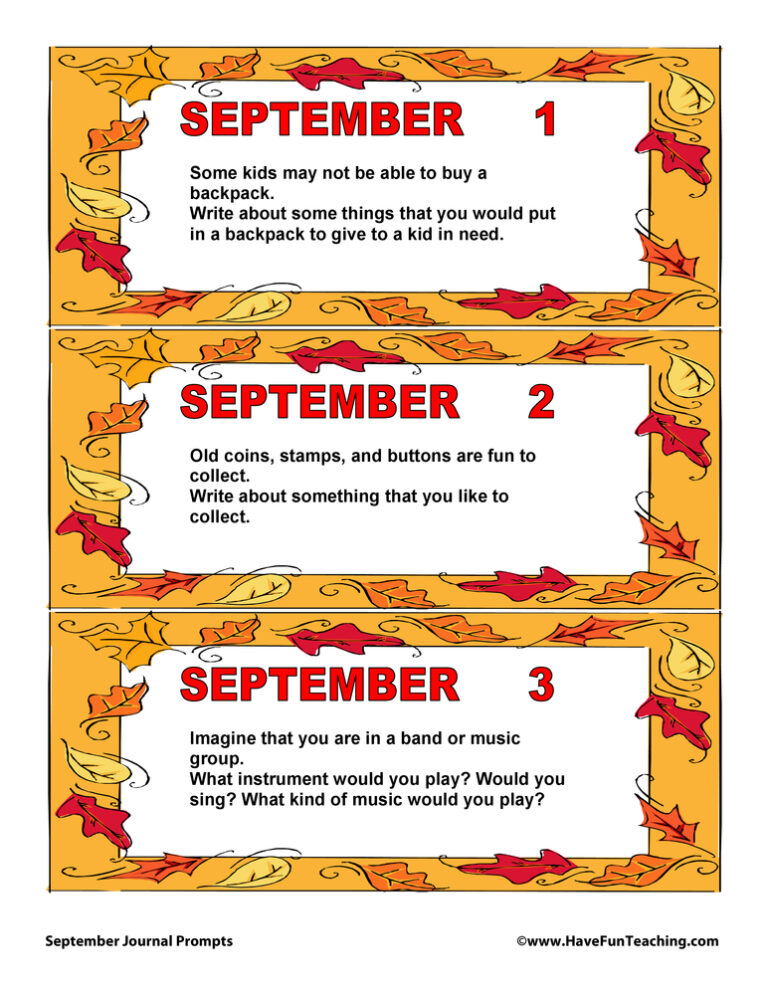
This September Daily Journal Prompts worksheet gives 3rd grade students sixteen seasonal writing starters, one for each writing day of the month, to build daily writing fluency and confidence.
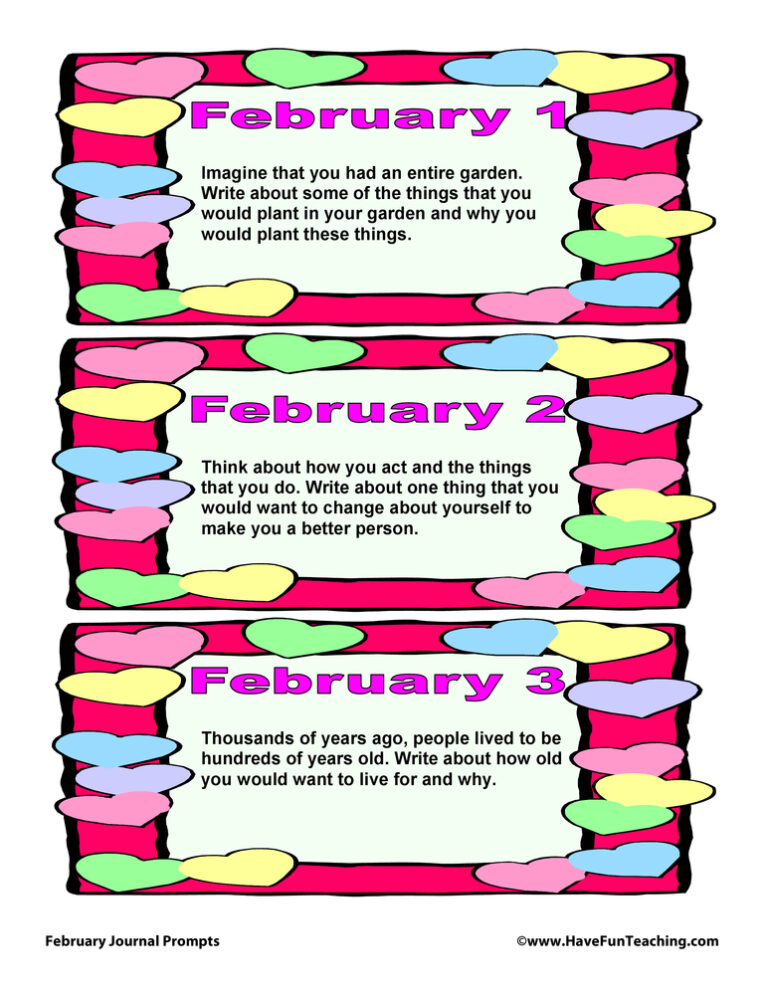
This February Daily Journal Prompts worksheet gives 3rd grade students sixteen seasonal writing starters, one for each writing day of the month, to build daily writing fluency and confidence.
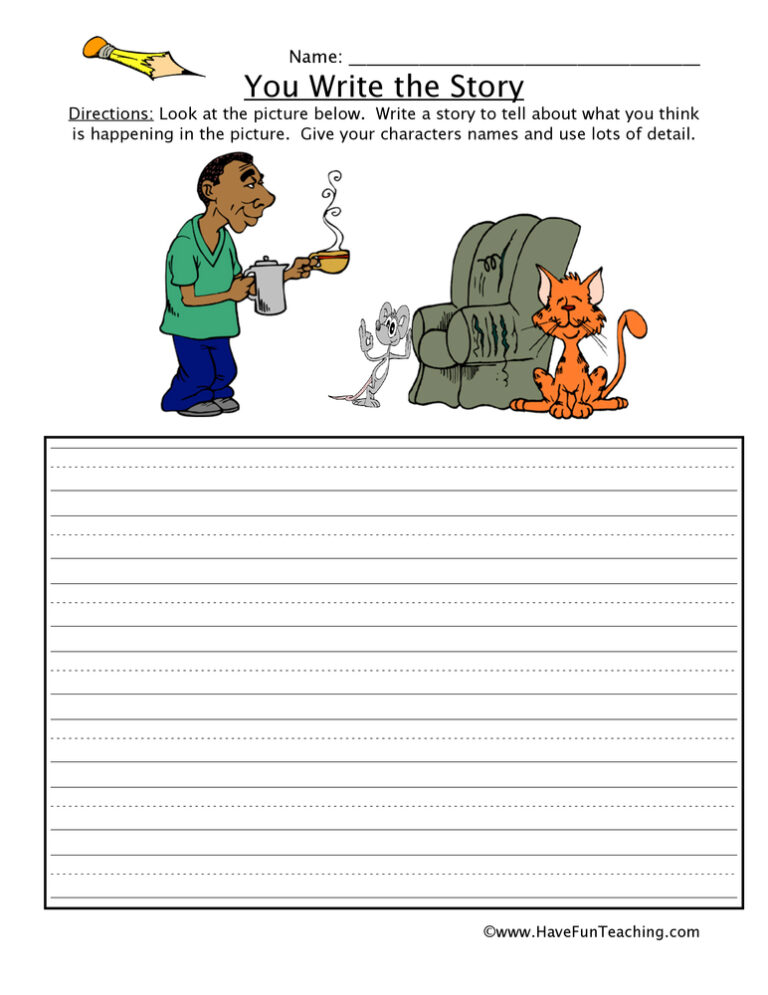
This You Write the Story Cats picture worksheet gives 2nd grade students one clear illustration of two cats and a ball of yarn, plus eight writing lines, so every child can name the characters and tell their own story.
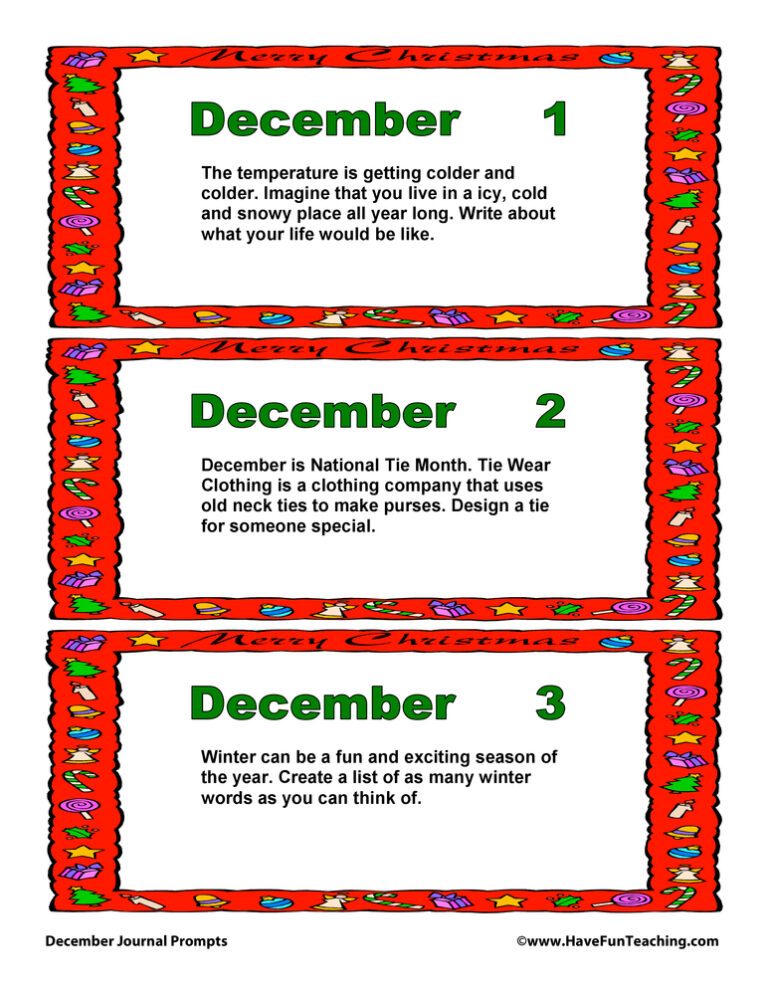
December journal prompts for 3rd Grade writers: sixteen daily prompts about snowy weather, family traditions, kindness and giving, so every student starts writing instead of staring at a blank journal page.
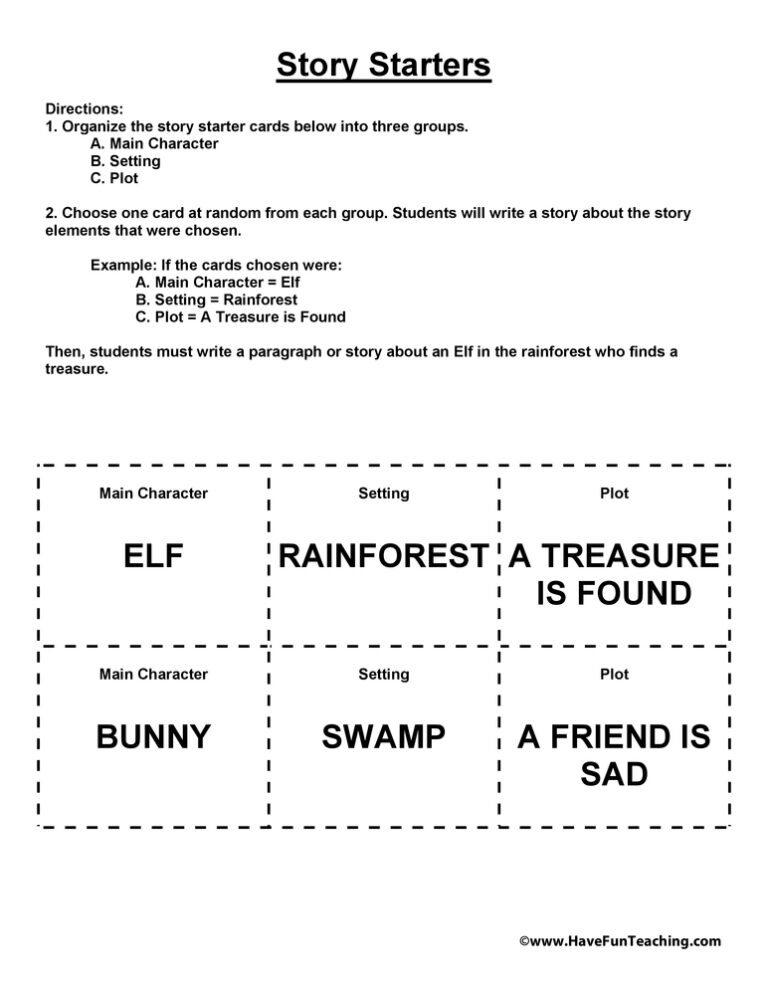
Using these Story Starters, studentschoose a Character, Setting and Plot from the picture and word cards to write or tell a story about the fun and unique combination.
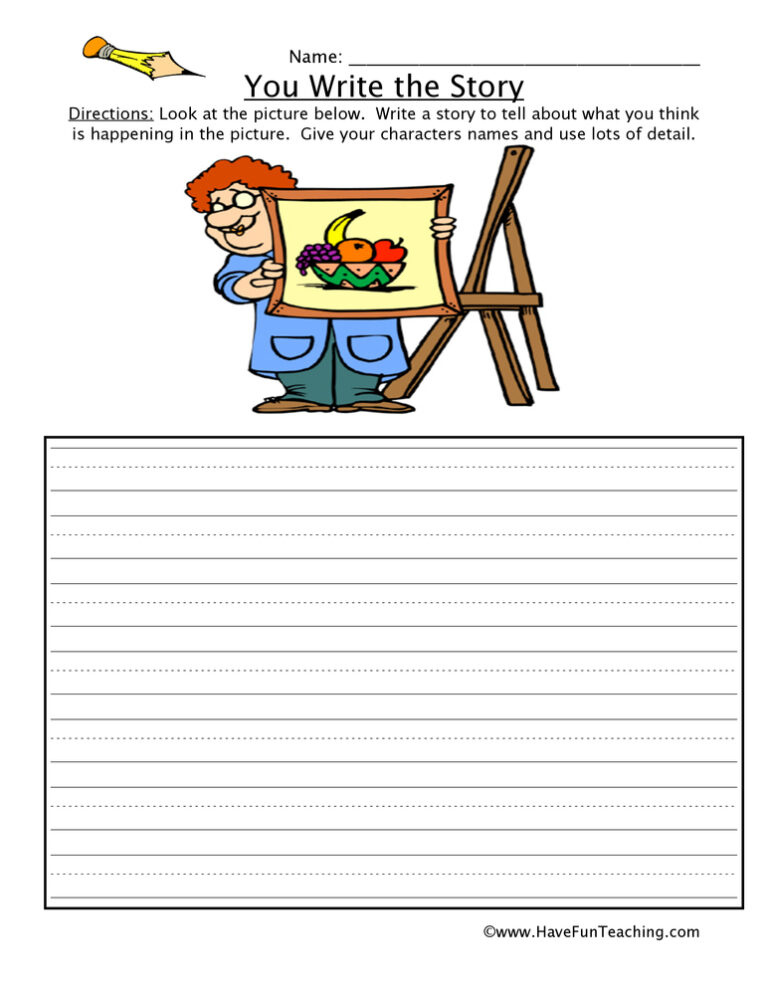
Using You Write the Story Fruit Picture Worksheet, students write a story to tell about what you think is happening in the picture.

Using this Writing Tweets Activity, students choose a prompt about the included story "Making a Milk or Juice Carton Bird Feeder" and produce a writing sample.

Using thisSilly Stories Story Starters, studentschoose a Character, Setting and Plot from the picture and word cards to write or tell a story about the fun and unique combination.

Using Color Me Curious Research Writing Activity, students participate in shared research and writing projects to learn about any topic.

Using Research It Animals Activity, studentsparticipate in shared research and writing projects to learn about a specific topic.

Using St. Patrick's Day Writing Activity, students brainstorm the sequence of events of how to catch a leprechaun, then publish using them St. Patrick's Day themed writing.
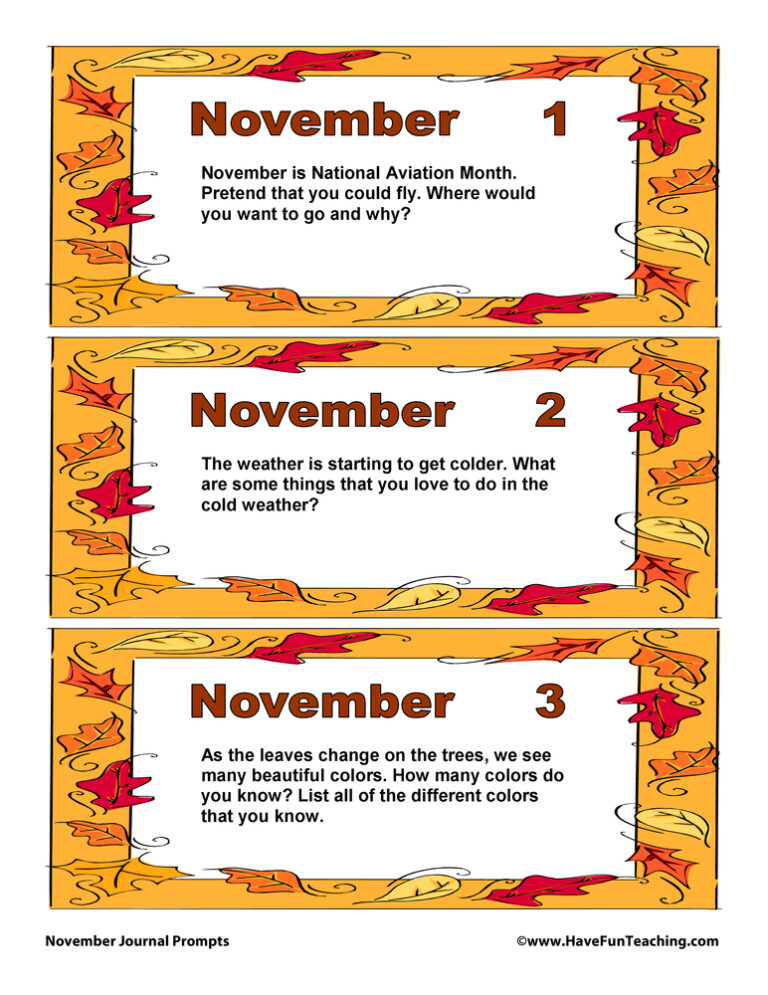
This November Daily Journal Prompts worksheet gives 3rd grade students sixteen thankful, seasonal writing starters to choose from, building a steady daily writing habit and confidence.




Reviews
There are no reviews yet