3 days free
Ready for the whole library?
You’ve had your freebie — but members download 10,000+ resources for every grade, all year long. Try it free — $0 today, cancel anytime.
Free for teachers
Pick your grade. We’ll send 10 free resources.
Worksheets, activities and a video — picked for your classroom, ready to print tonight.
One free bundle per teacher. We’ll also send free teaching ideas each week — unsubscribe anytime.




Using My Point of View Activity, students distinguish their own point of view from that of the narrator or those of the characters.
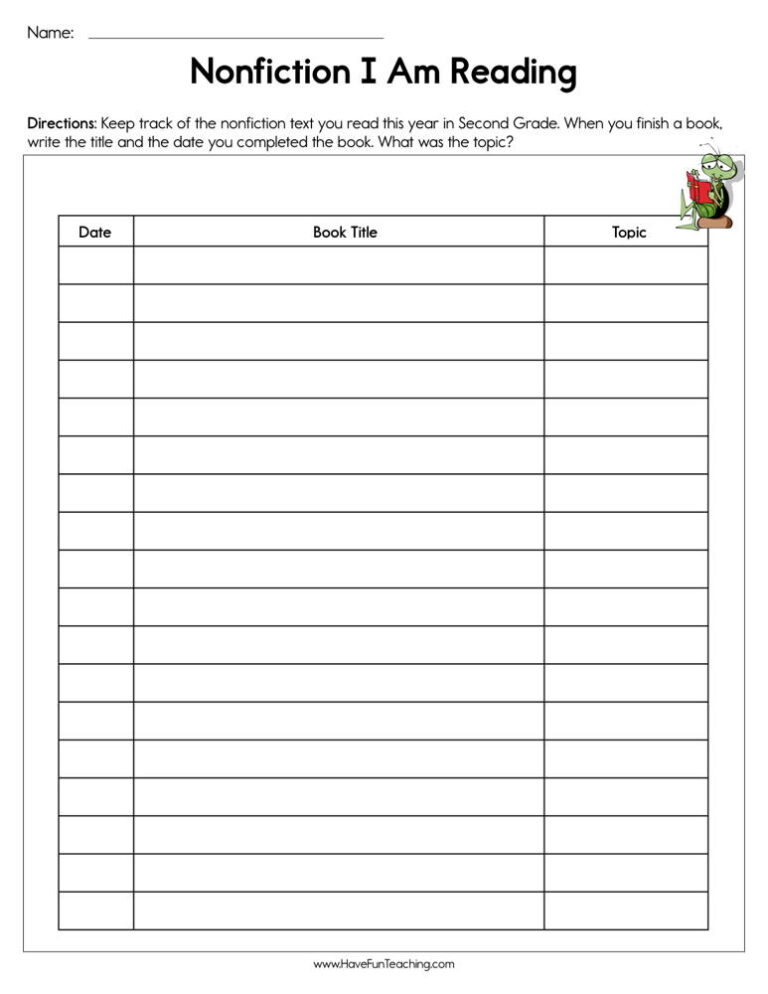
Using Second Grade Nonfiction I am Reading Worksheet, students keep track of the stories they read this year by writing the title and the date the book was completed.

Using Reading Informational Texts Book Review Activity, students read and comprehend informational texts, including history/social studies, science, and technical texts.
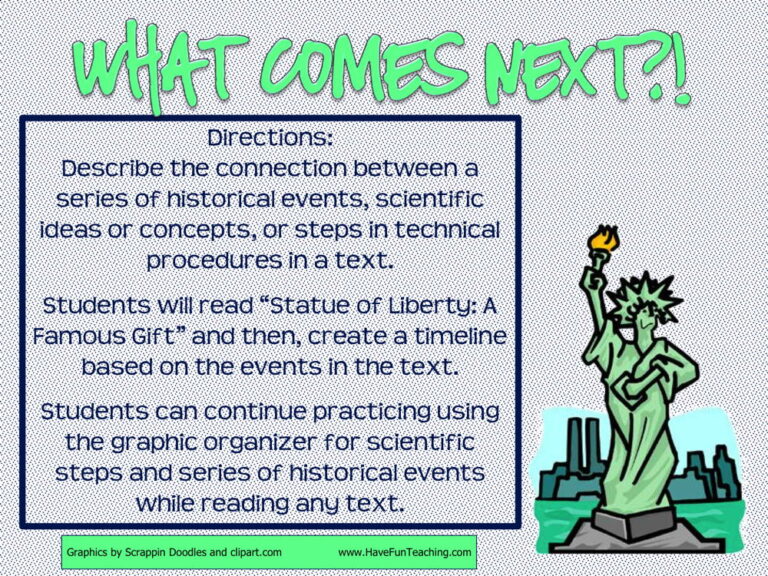
In order to use this What Comes Next? Timeline Activity, your students will describe the connection between a series of historical events, scientific ideas or concepts, or steps in technical procedures in a text.
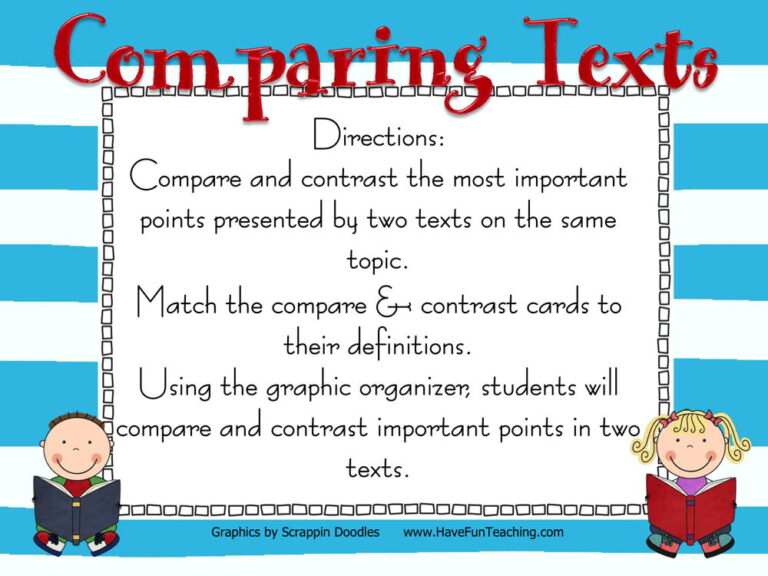
Using Comparing Texts Activity, studentsidentify basic similarities and differences between two texts on the same topic.

Using Compare Books Activity, studentsidentify basic similarities and differences between two texts on the same topic.
Using Asking Questions about a Story Activity, students Discuss a topic or read a book aloud using Question Cards to help guide questions andanswers about the topic.
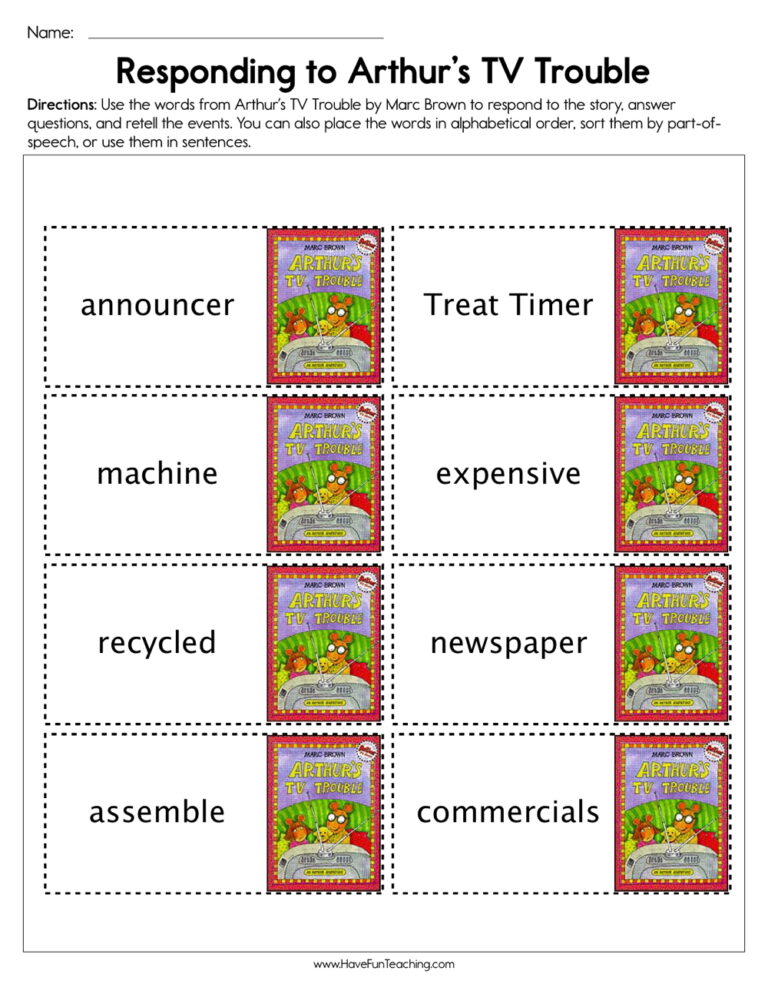
Using this Respond to Arthur's TV Trouble Worksheet, students use the words from Arthur!s TV Trouble to respond to the story and retell the events.

Using Basic Reading Skills Worksheet, studentspractice reading words and sentences with fluency and accuracy to build independent reading skills.
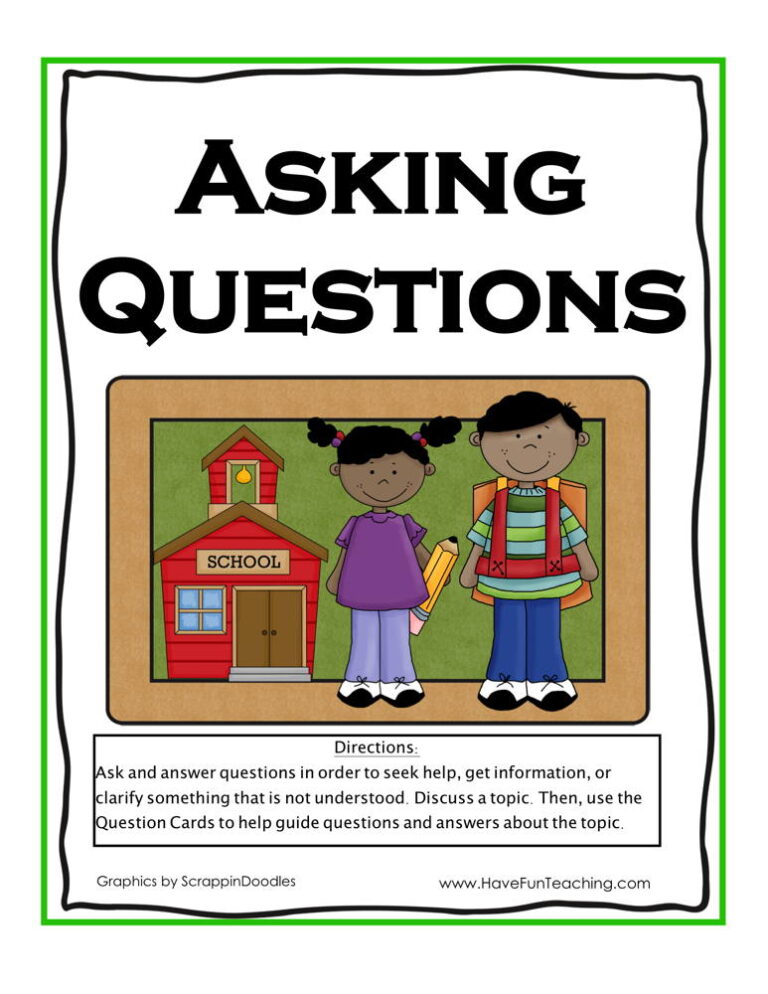
Using the Asking Questions Activity, students actively engage in group reading activities to discuss purpose and understanding after shared reading.
Using this RI.K.1 Kindergarten Common Core Lesson, students answer questions aboutkey details in a text.

This RL.K.3 Kindergarten Common Core Lesson includes RL.K.3 Worksheets, RL.K.3 Activities, RL.K.3 Assessment, and RL.K.3 Poster.
Using RI.1.3 First Grade Common Core Lesson, students describe the connection between two individuals, events, ideas, or pieces of information in a text to build reading comprehension skills.
Using RI.2.10 Second Grade Common Core Lesson, students ask and answer such questions as who, what, where, when, why, and how to demonstrate understanding of key details in a text.
This RL.2.10 Second Grade Common Core Lesson includes RL.2.10 Worksheets, RL.2.10 Activities, RL.2.10 Assessment, and RL.2.10 Poster
Using RI.4.1 Fourth Grade Common Core Lesson, students ask and answer such questions as who, what, where, when, why, and how to demonstrate understanding of key details in a text.

Using this RL.K.1 Common Core Activity, students answer questions aboutkey details in a text.

Using this Whose Point of View Compare and Contrast Activity, students identify whether a story is being told in a first- or third-person POV, while comparing and contrasting the two.

Using Digging for Information Text Structure Activity, students describe the relationship between events, scientific concepts, or procedures in a text.

Using What Comes Next Sequencing Activity,studentsdescribe the relationship between a series of historical events, scientific ideas or concepts, or steps in technical procedures in a text.