
3 days free
Ready for the whole library?
You’ve had your freebie — but members download 10,000+ resources for every grade, all year long. Try it free — $0 today, cancel anytime.
Free for teachers
Pick your grade. We’ll send 10 free resources.
Worksheets, activities and a video — picked for your classroom, ready to print tonight.
One free bundle per teacher. We’ll also send free teaching ideas each week — unsubscribe anytime.


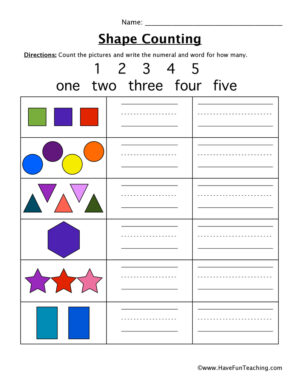


Using RL.K.10 Kindergarten Common Core Lesson, studentsactively engage in group reading activities with purpose and understanding while reading stories and poems.

Using RF.2.4 Second Grade Common Core Lesson, students read grade-level text with purpose and understanding.

Using RI.3.8 Third Grade Common Core Lesson, students describe the connection between a series of historical events, scientific ideas or concepts, or steps in technical procedures in a text.
Using this RL.3.1 Third Grade Common Core Lesson, students answer questions aboutkey details in a fiction text.

Using RI.4.10 Fourth Grade Common Core Lesson, students read and comprehend informational texts, including history/social studies, science, and technical texts.

Using RI.5.2 Fifth Grade Common Core Lesson,students determine the main idea of a text and recount the key details and explain how they support the main idea.

This informational texts worksheet is a 3rd grade reading log where students record each title they read, name the kind of text, and rate it with stars to build lasting nonfiction reading habits.
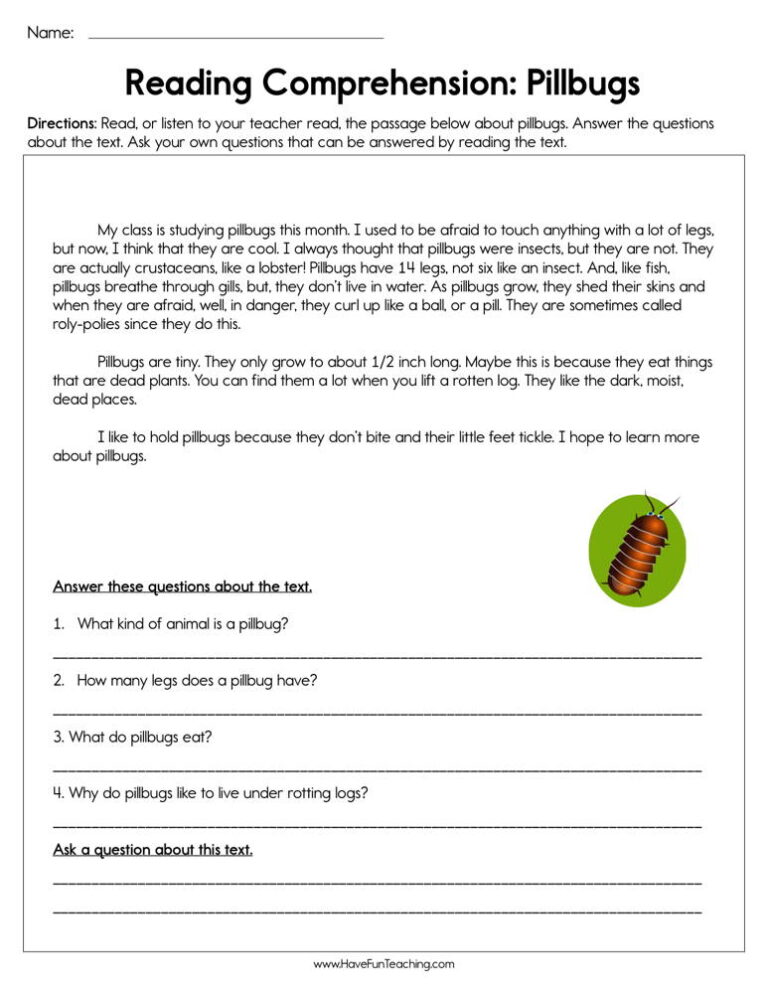
This pillbugs reading comprehension worksheet gives 2nd graders a fun science passage about roly-polies, four multiple-choice questions and a short response, plus an answer key, to build close reading skills.
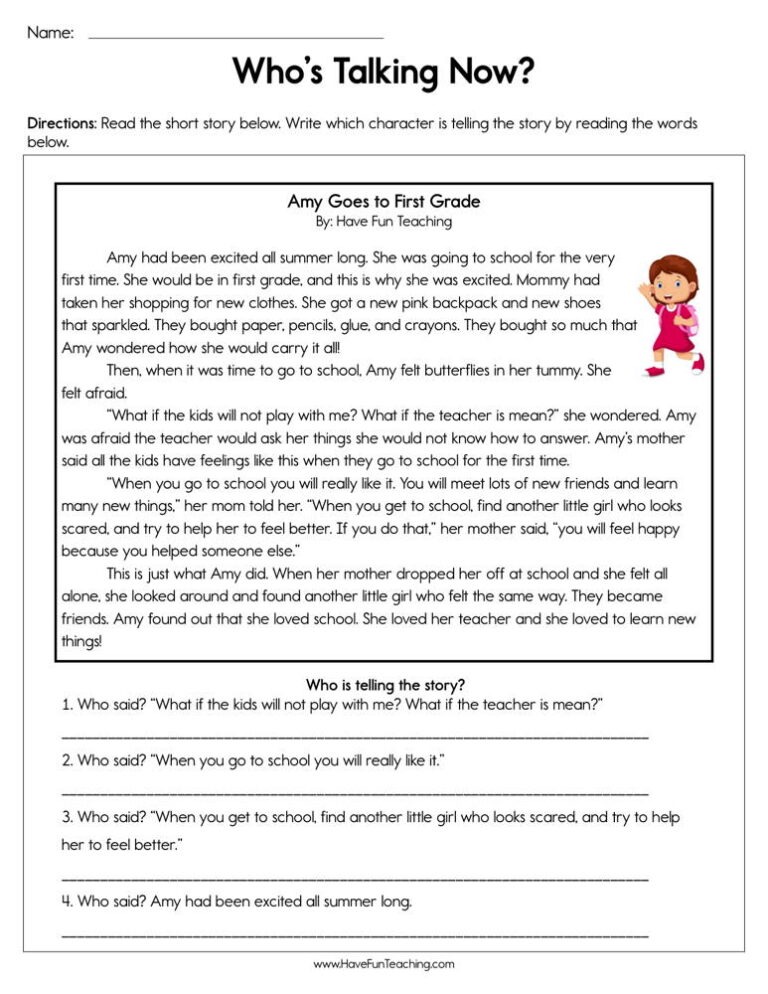
The Who's Talking Now Worksheet gives 4th graders three short stories about one windy morning, told by three different narrators, plus an answer key for quick checking of point of view work.

A circus reading comprehension worksheet that gives 2nd graders a short big-top story, four bubble questions, and a written-response prompt. Answer key included for fast, no-prep reading practice at school or home.

Using this Read It Decoding Words Activity, students decode provided words by using the provided tips on the "What should I do when I don't know a word?" poster.

Using How the Text is Organized Activity, studentsdescribe the logical connection between particular sentences and paragraphs in a text.

Using Read it Fluently Cooperative Learning Activity, students readwith sufficient accuracy and fluency to support comprehension.

Using Read It Syllables Activity, students know and apply grade-level phonics and word analysis skills in decoding words.

Using Comparing Texts Compare and Contrast Activity, students compare and contrast the most important points and key details presented in two texts on the same topic.
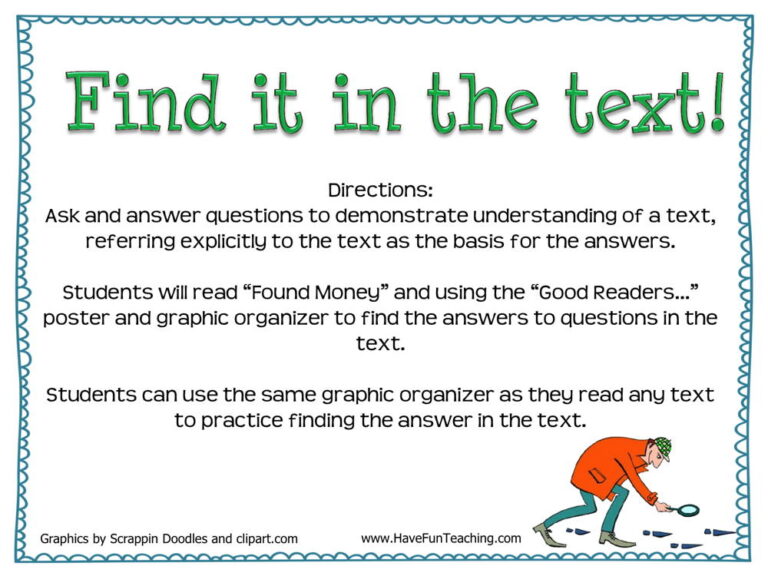
Using this Find It In The Text Activity, students ask and answer questions to demonstrate understanding of a text, referring explicitly to the text as the basis for the answers.
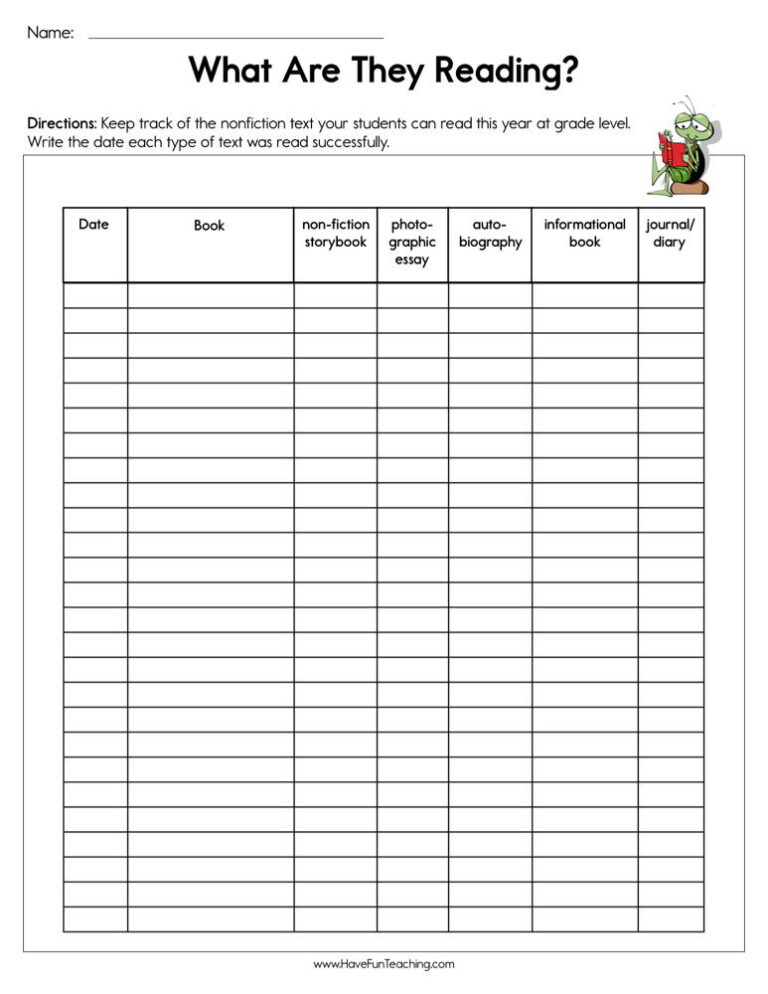
Using What Are They Reading Assessment Worksheet, students keep track of the stories they read this year by writing the title and the date the book was completed.
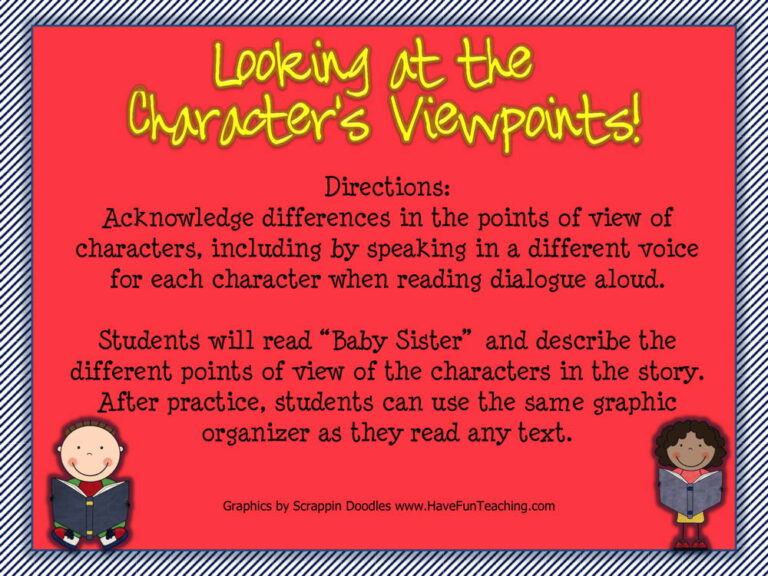
Using Looking at the Character's Viewpoints Activity, students acknowledge differences in the points of view of characters to gain a different perspective.

Using What Have You Read This Year Activity, students read and comprehend literature, including stories and poetry.

Using Reading Non-Fiction Fluency Practice Worksheet, studentspractice reading with fluency and accuracy to build independent reading skills.



