

A Morning Routine Sequence Worksheet that has 3rd Grade readers number six mixed-up morning events and prove the order with words from the text. Answer key included for fast, no-prep sequencing practice.

This sequencing events organizer worksheet gives 3rd grade students five Beginning, Middle and End sections to plan or retell a story in order using time-order words.

This beginnings and endings worksheet helps 2nd graders read a short story, find what the beginning and ending do, and explain the lesson. An answer key is included.
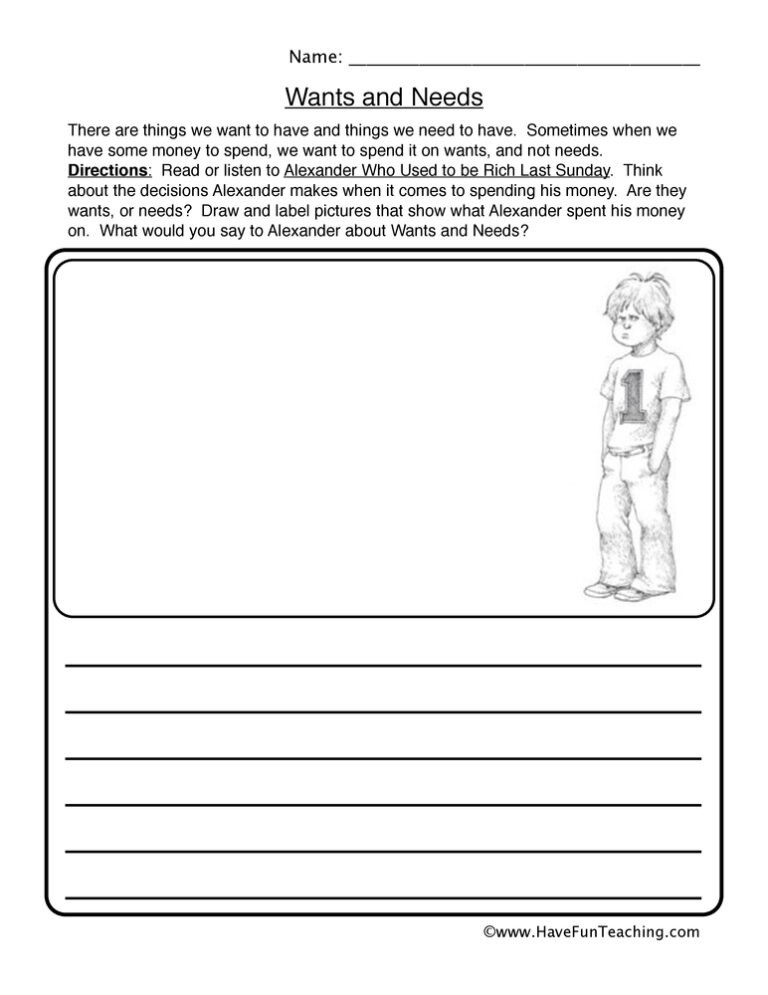
Using this Wants Needs Reading Response Worksheet, students readAlexander Who Used to be Rich Last Sunday to build their understanding of wants and needs.

This sequencing organizer worksheet helps 1st grade students plan a story in order, writing what happens first, second, third, fourth, and last to build retelling skills.
Using this RL.1.1 First Grade Common Core Lesson, students answer questions aboutkey details in a fiction text.

Use this beginning and ending of a story worksheet with any book your 3rd grade class reads. Students record the characters, the problem, and how the story starts and ends to build strong plot skills.
Using this RL.2.1 Second Grade Common Core Lesson, students answer questions aboutkey details in a fiction text.

Using RL.2.3 Second Grade Common Core Lesson, students describe how characters in a story respond to major events and challenges.
Using this RL.3.1 Third Grade Common Core Lesson, students answer questions aboutkey details in a fiction text.
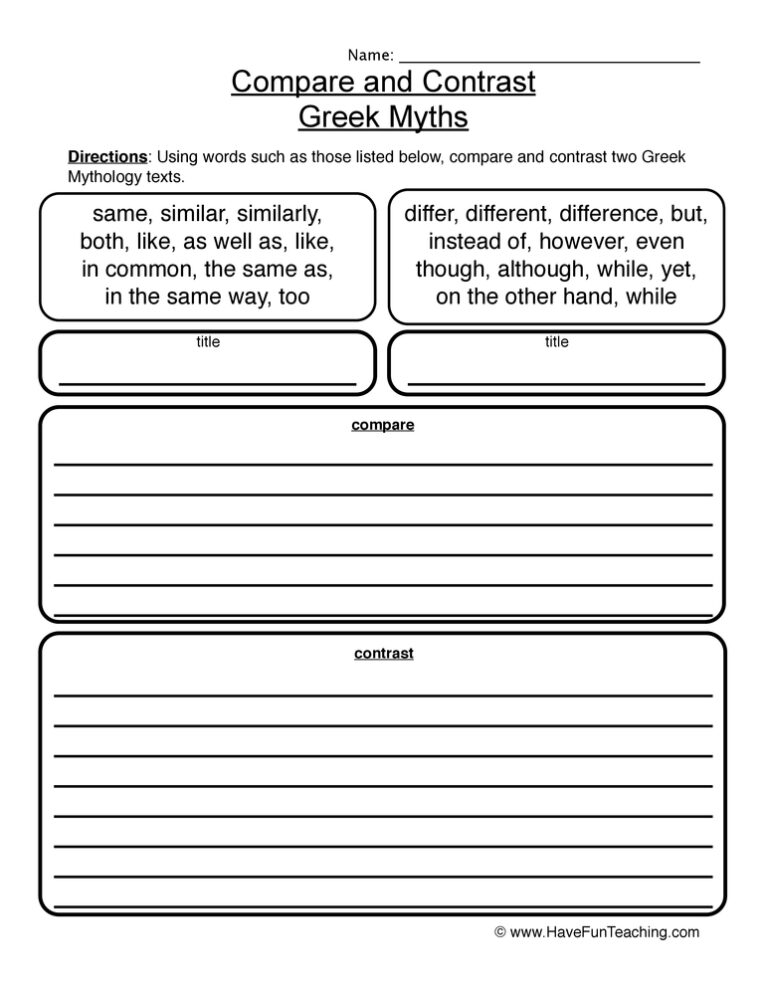
This compare and contrast Greek myths worksheet helps 4th graders record how two myths are alike and different, then give a reason for the one they liked more.
Using RL.3.5 Third Grade Common Core Lesson, students refer to parts of stories, dramas, and poems when writing or speaking about a text, using terms such as chapter, scene, and stanza.



