
3 days free
Ready for the whole library?
You’ve had your freebie — but members download 10,000+ resources for every grade, all year long. Try it free — $0 today, cancel anytime.
Free for teachers
Pick your grade. We’ll send 10 free resources.
Worksheets, activities and a video — picked for your classroom, ready to print tonight.
One free bundle per teacher. We’ll also send free teaching ideas each week — unsubscribe anytime.




This Harry the Hippo Reading Comprehension Worksheet lets 2nd Grade readers learn how a hippo spends its day and night, with four multiple-choice questions, a written response and an answer key to check their thinking.
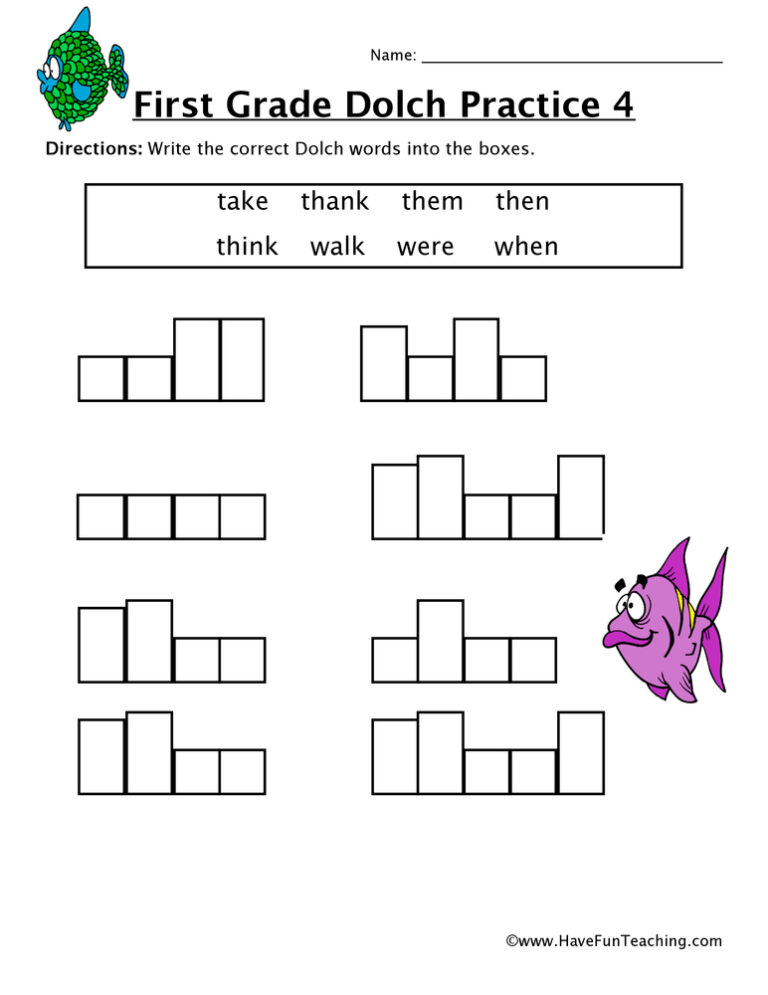
This first grade sight words t to w worksheet has 1st Grade readers finish eight sentences with Dolch words from a word box. An answer key is included, and each word gets real reading practice.
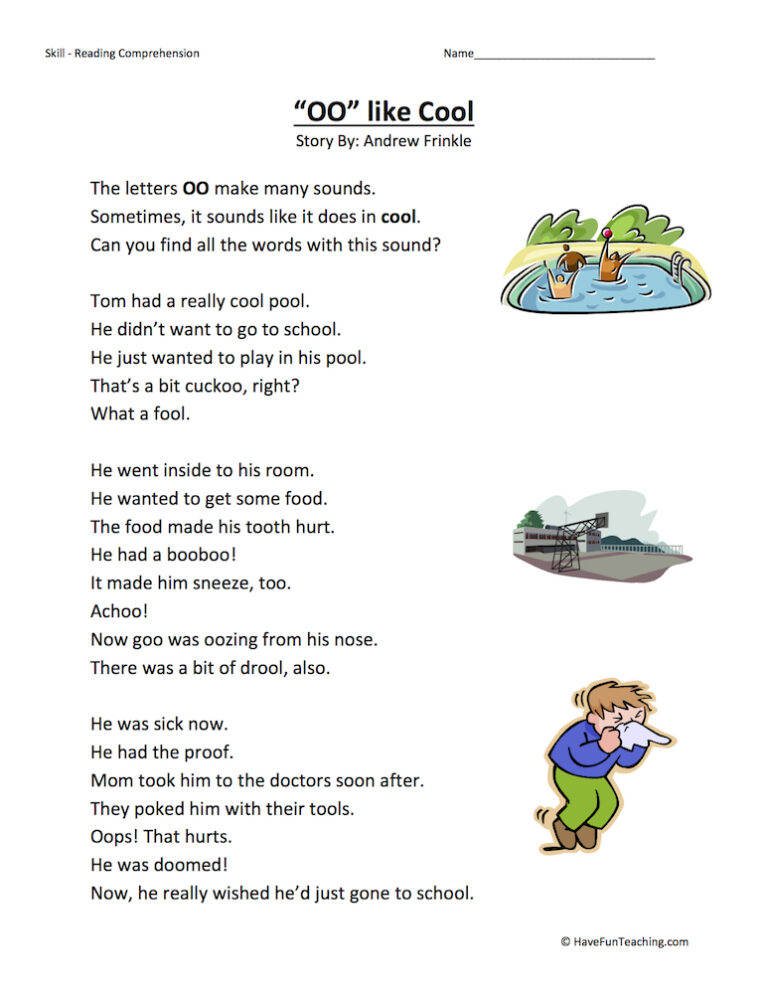
This OO Like Cool Reading Comprehension Worksheet gives 1st grade readers a sunny passage about staying cool, filled with long oo words, plus five comprehension questions and an answer key for easy checking.

The Monkey at the Zoo Reading Comprehension Worksheet gives 2nd graders a short zoo story, four bubble questions and a written-evidence prompt. An answer key is included, so comprehension practice takes no prep at all.
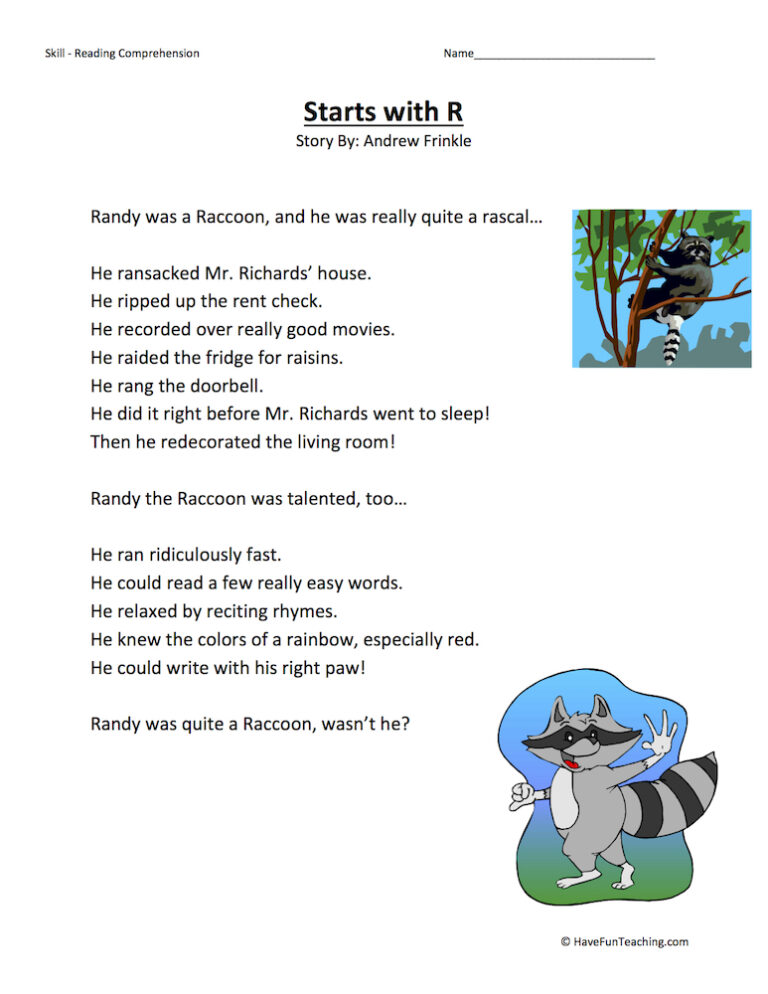
The Starts With R Reading Comprehension Worksheet gives 2nd graders a short illustrated story packed with R words, plus five questions and an answer key, so phonics practice and reading comprehension grow together.
This Things that come in 7s Reading Comprehension Worksheet gives Kindergarten readers a short story about the number seven, five multiple-choice questions and a full answer key, so reading and counting practice is ready to print.

This living and non-living things compare and contrast graphic organizer asks 3rd graders to sort six facts about a cat and a chair into a Venn diagram. Answer key included for quick checking.
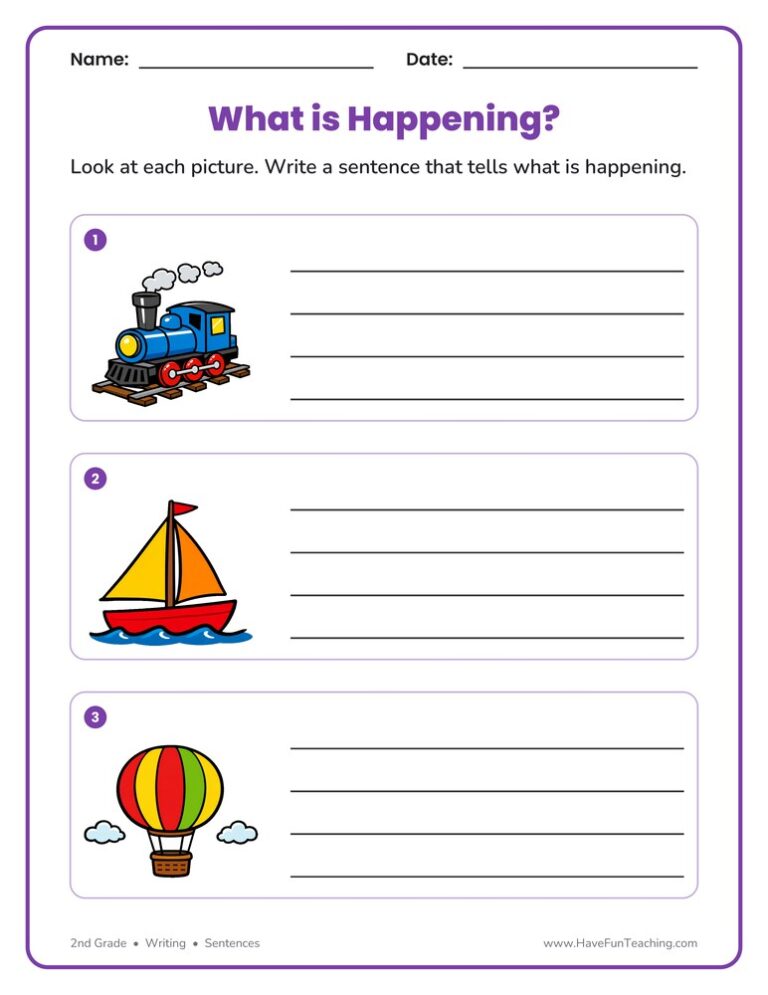
This Transportation Sentence Worksheet gives 2nd Grade students three transportation pictures and four writing lines each, so every child writes a sentence that tells what is happening in the scene.

A story details graphic organizer worksheet for 1st grade readers. Children write the story title, then record who, what, where, and when in four labeled boxes, building a retelling routine that works with any book.

The Things that come in 4s Reading Comprehension Worksheet gives kindergarten readers a short counting story, five multiple choice questions and an answer key, so they practice reading while spotting groups of four.

In this I Can Read and Correct Sentences Worksheet, 1st grade students fix and rewrite sentences with a capital and a period. An answer key is included to make checking quick.
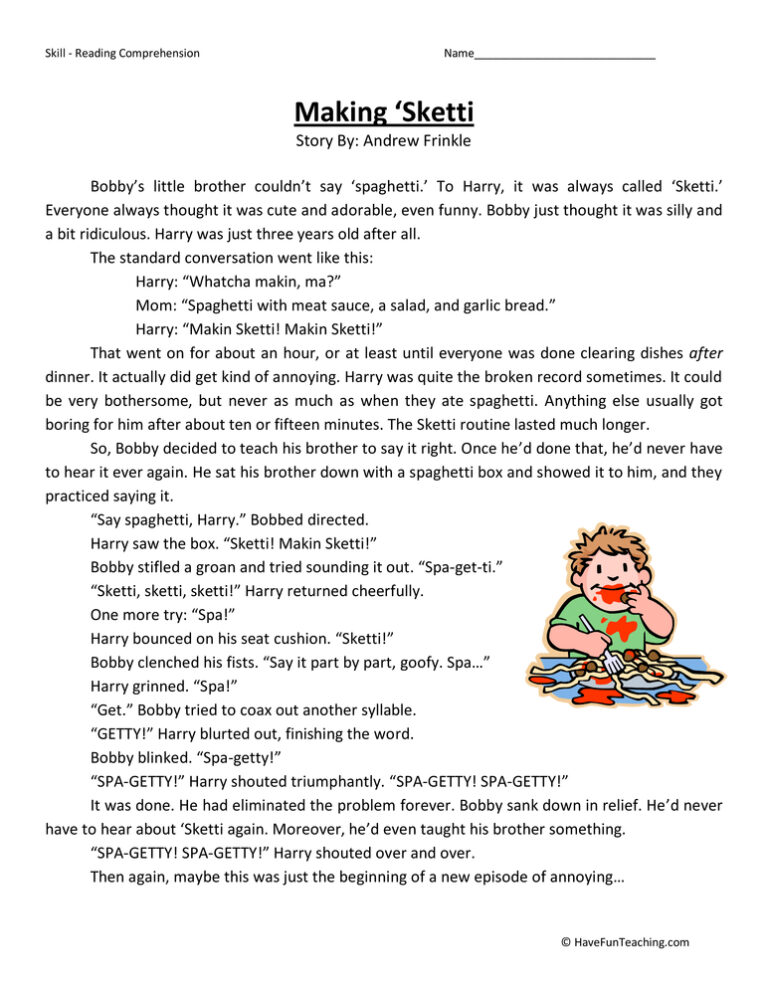
The Making Sketti Reading Comprehension Worksheet takes 4th graders from wheat field to dinner pot with a nonfiction passage, questions, and a written response. An answer key is included for fast checking.

This Sand Castles Reading Comprehension Worksheet gives 1st graders a short how-to passage on building a sand castle, plus five multiple-choice questions. An answer key is included for easy summer reading practice.
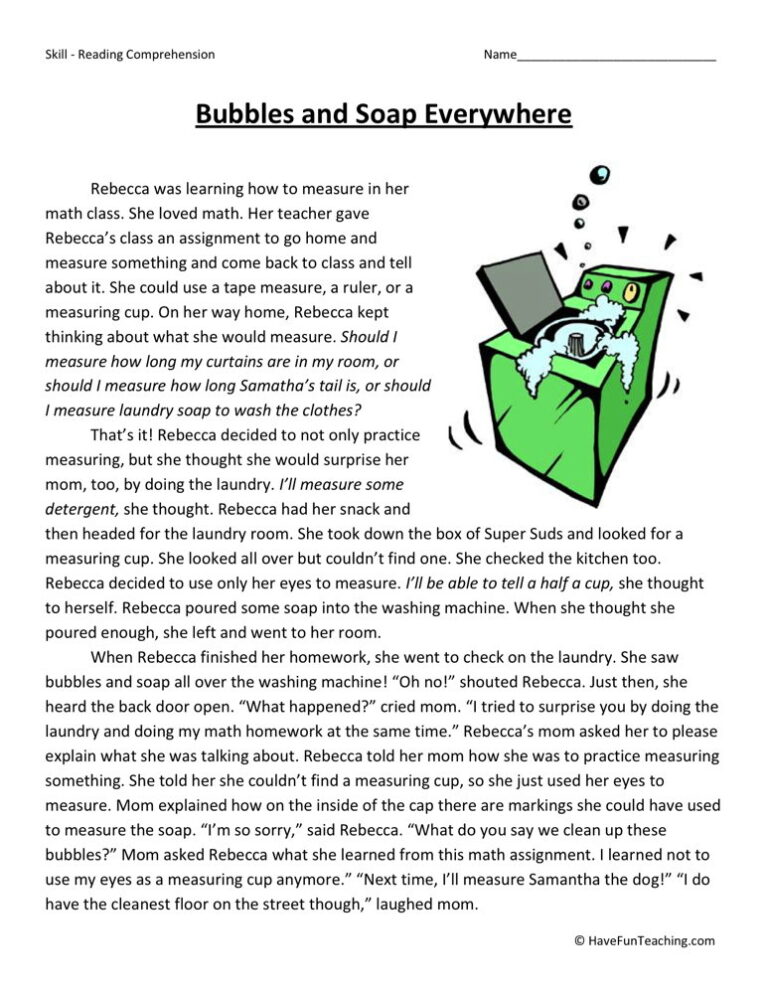
This Bubbles and Soap Everywhere Reading Comprehension Worksheet helps 3rd graders read about how laundry soap works and answer text-based questions, with an answer key for quick checking.

The Itsy Bitsy Spider Graphic Organizer Worksheet lets 1st grade readers finish a main idea sentence and four key details from a word bank. An answer key is included for quick checking.

This Loud Puppy Reading Comprehension Worksheet gives 1st graders a short passage about why puppies bark, plus five multiple-choice questions and an answer key for easy, no-prep reading practice.
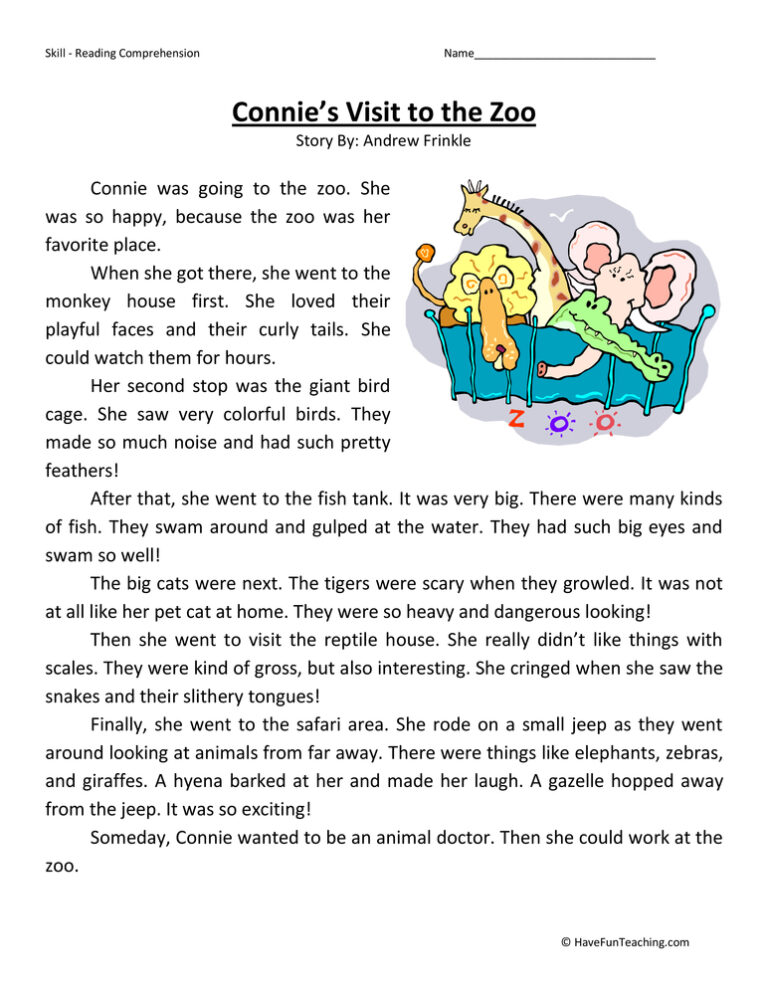
This Connie's Zoo Visit Reading Comprehension Worksheet gives 2nd Grade readers a short zoo story, four multiple choice questions, and a written response. An answer key is included.
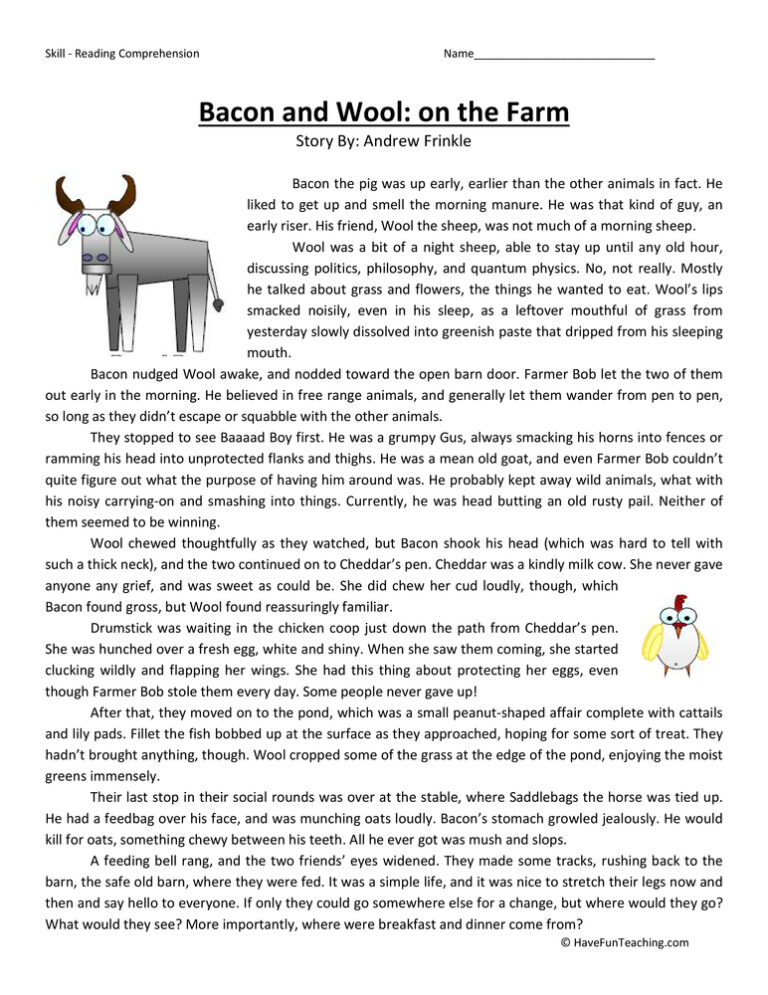
An On the Farm reading comprehension worksheet for 3rd grade: read an original story about a pig and a sheep who discover every farm animal has a job, then answer six questions. Answer key included.
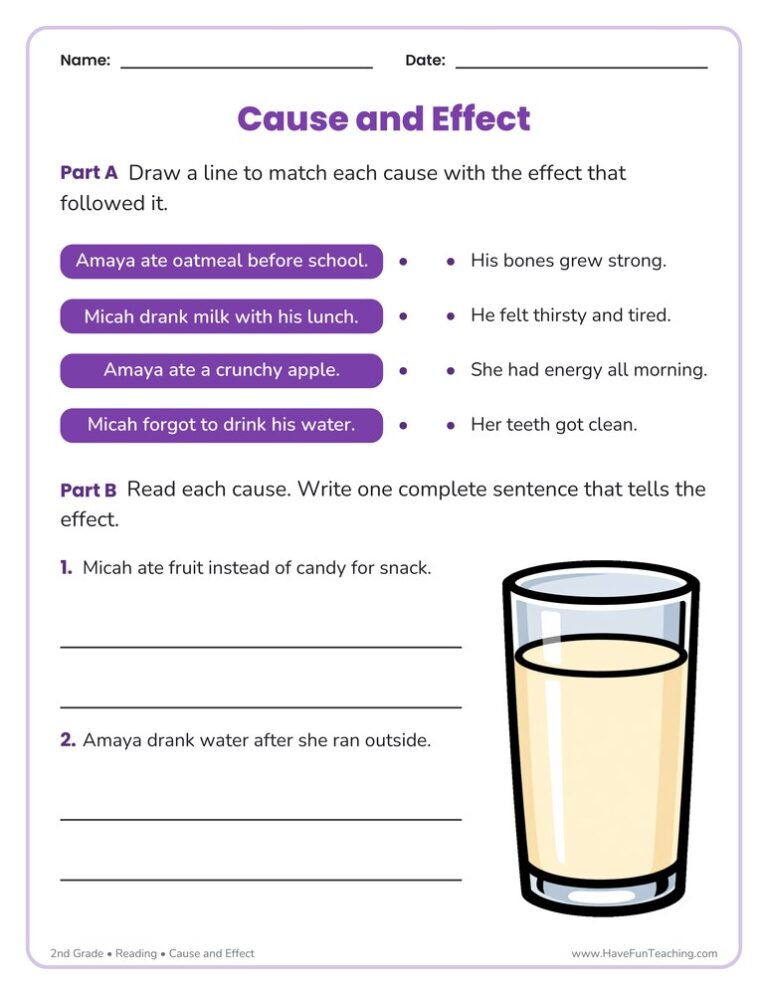
This Eating Healthy Cause and Effect Graphic Organizer Worksheet gives 2nd graders four healthy-eating causes to match with their effects, plus two sentences to write. Answer key included for no-prep reading practice.
This broken lamp reading comprehension worksheet gives 5th Grade readers a two page informational passage, four multiple choice questions, a written response, and a full answer key.



