
3 days free
Ready for the whole library?
You’ve had your freebie — but members download 10,000+ resources for every grade, all year long. Try it free — $0 today, cancel anytime.
Free for teachers
Pick your grade. We’ll send 10 free resources.
Worksheets, activities and a video — picked for your classroom, ready to print tonight.
One free bundle per teacher. We’ll also send free teaching ideas each week — unsubscribe anytime.



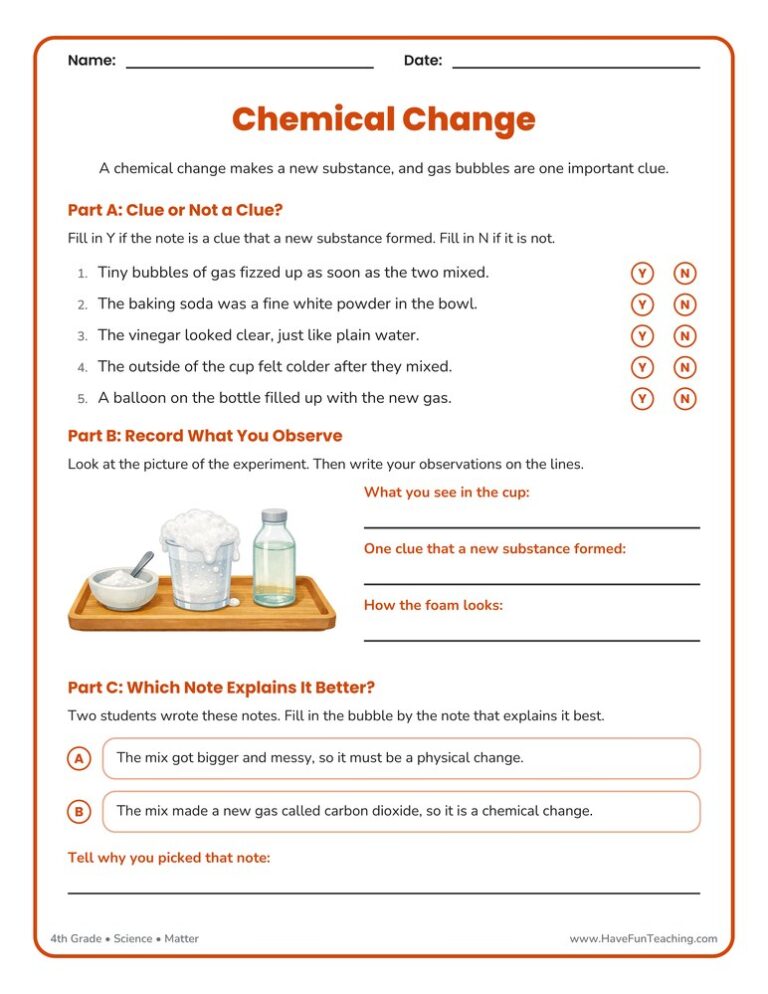
This chemical changes observation worksheet has 4th graders study a baking soda and vinegar reaction, spot the evidence of a new substance, and explain their thinking. An answer key is included.
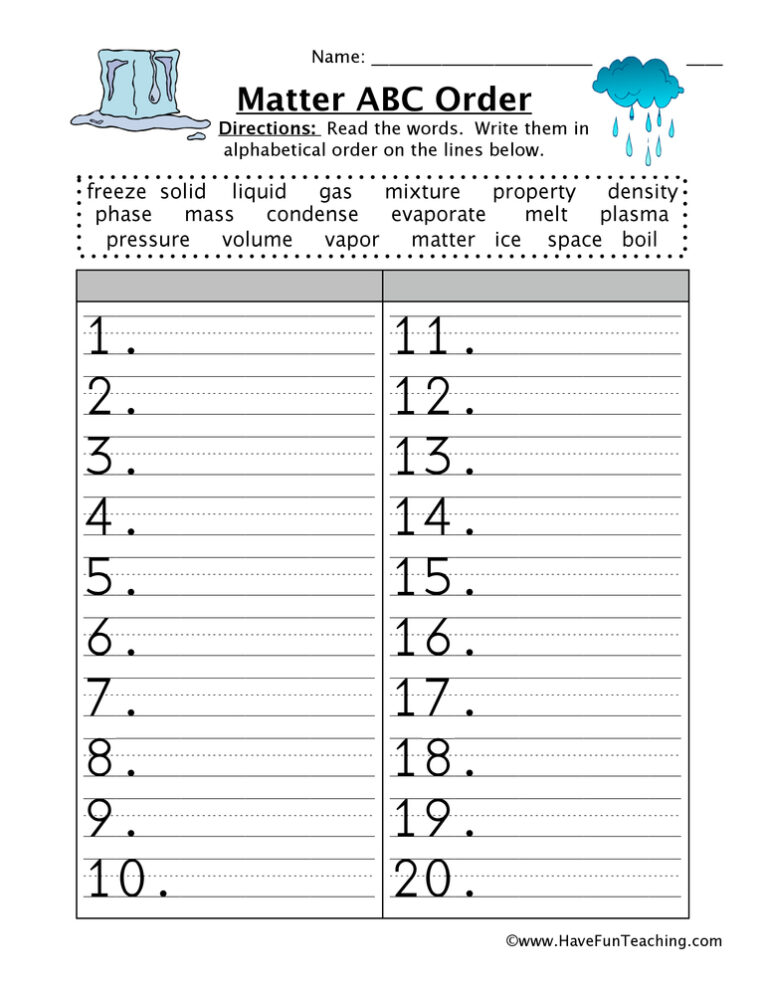
This matter alphabetical order worksheet has 3rd grade students sort ten states-of-matter words into ABC order and compare word pairs letter by letter. An answer key is included for simple checking.

This classifying list worksheet has 2nd grade students sort nine everyday words into solid, liquid, and gas columns. An answer key is included, making it easy to check their thinking about matter.

A 3rd Grade liquids worksheet that pairs matter vocabulary with real examples like poured syrup and a balloon of air. Answer key included, so students can practice naming solids, liquids and gases with no prep.

Use this matter worksheet to help 5th grade students decide what is and is not matter and explain mass, volume, and particles in writing. A full answer key is included.
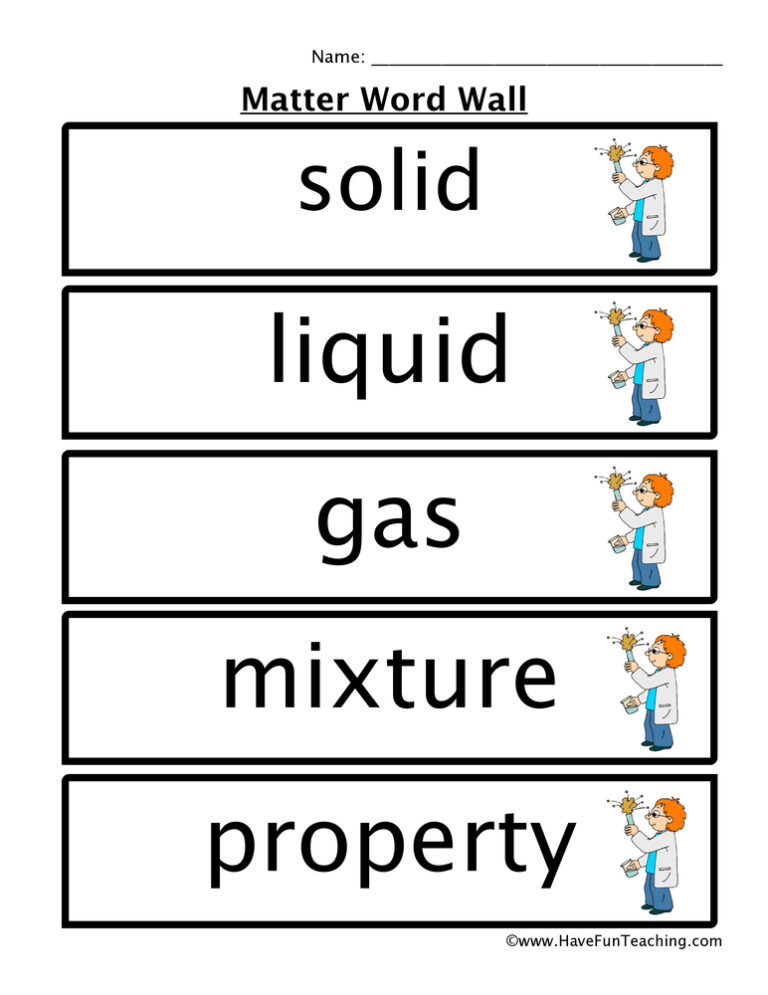
Using this Matter Word Wall, students use these common States of Matter terms in your science word wall to build their vocabulary.

This Magnetic Earth Worksheet gives 4th Grade students four magnet words and six real-life clues to match, plus an answer key, so magnetism vocabulary sticks long after the lesson ends.
Using Draw and Write Fire Safety Worksheet, students draw pictures and write an explanation about how to be safe with fire.

States of Matter Activity, Solid Liquid Gas Activity, Learning about the states of matter, the three states of matter
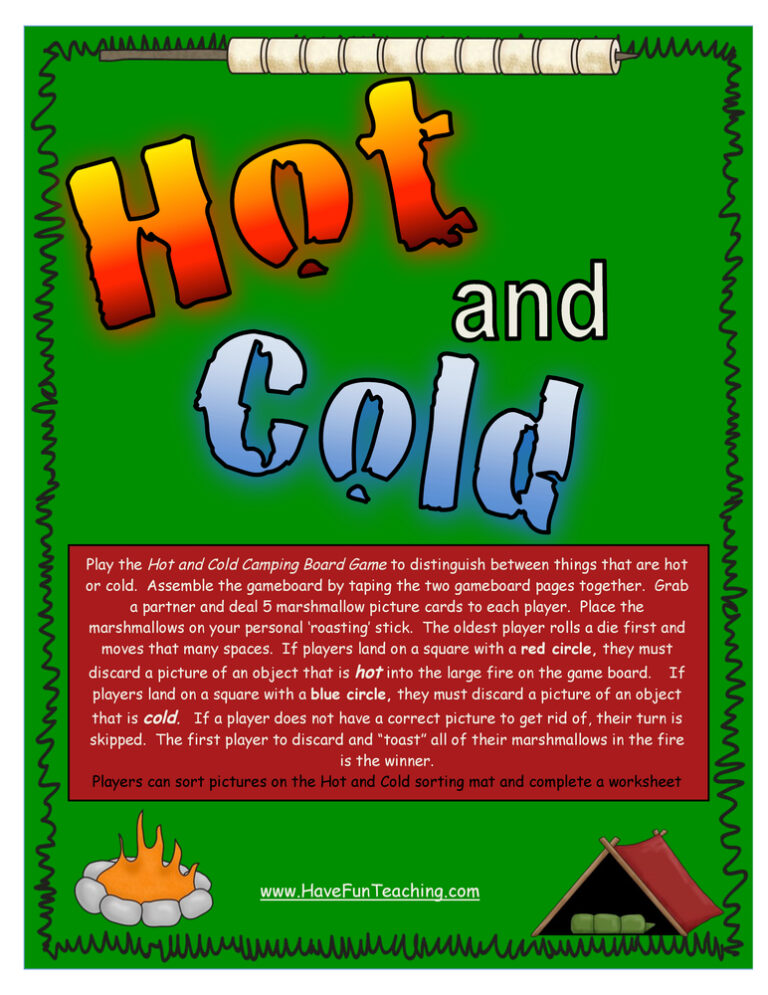
Using this Hot and Cold Activity, student distinguish between objects and situations that are hot or cold in order to learn about temperature.

Using Physical Changes Observation Worksheet, studentsobserve a physical change, then draw and write to record the changes you saw.

UsingLet's Make Some Noise Worksheet, studentswork with a partner todecipher what the items are by the sounds being made.



