Skip to content
Start My 3 Free Days $0 today · cancel anytime

Science Workbooks

15 science workbooks, covering life science, health and nutrition, Earth Science, plus 37 more topics. How teachers use these

Find the perfect resource in seconds

Science Workbooks

15 science workbooks, covering life science, health and nutrition, Earth Science, plus 37 more topics. How teachers use these

Workbook
WorkbookPreschoolLife Science Reading Comprehension Workbook

UsingCharacter Reading Comprehension Workbook, students can have all of the passages about different life science topics all in one workbook.

Workbook
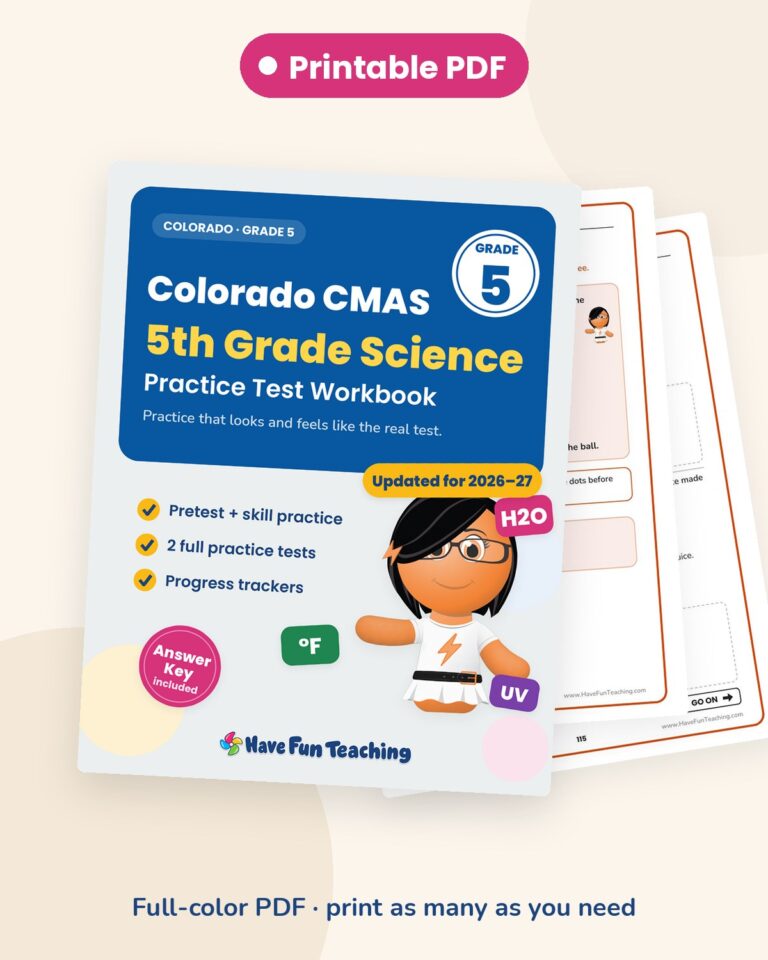
Workbook5th GradeColorado CMAS 5th Grade Science Practice Test Workbook

A CMAS 5th grade science practice test workbook for teachers, with a pretest, skill practice for all 13 standards, mixed review and 2 full-length practice tests. Answer key included, so test prep is ready to go.

Workbook
Workbook2nd GradeHealth and Fitness Reading Comprehension Workbook

Health & Fitness Reading Comprehension Workbook includes 38 Phonics-themed Stories. 5 test questions per story. Progress Reports.

Workbook
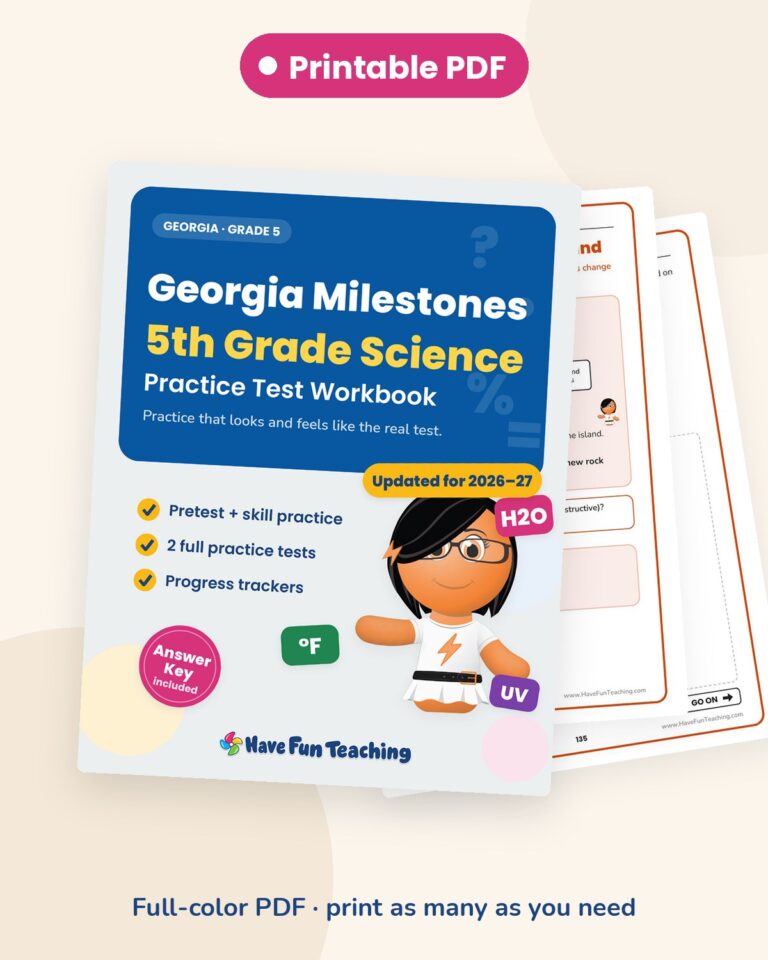
Workbook5th GradeGeorgia Milestones 5th Grade Science Practice Test Workbook

A Georgia Milestones 5th grade science practice test workbook for teachers, with a pretest, skill practice for all 20 standards, mixed review and 2 full-length practice tests. Answer key included, so test prep is ready to go.

Workbook
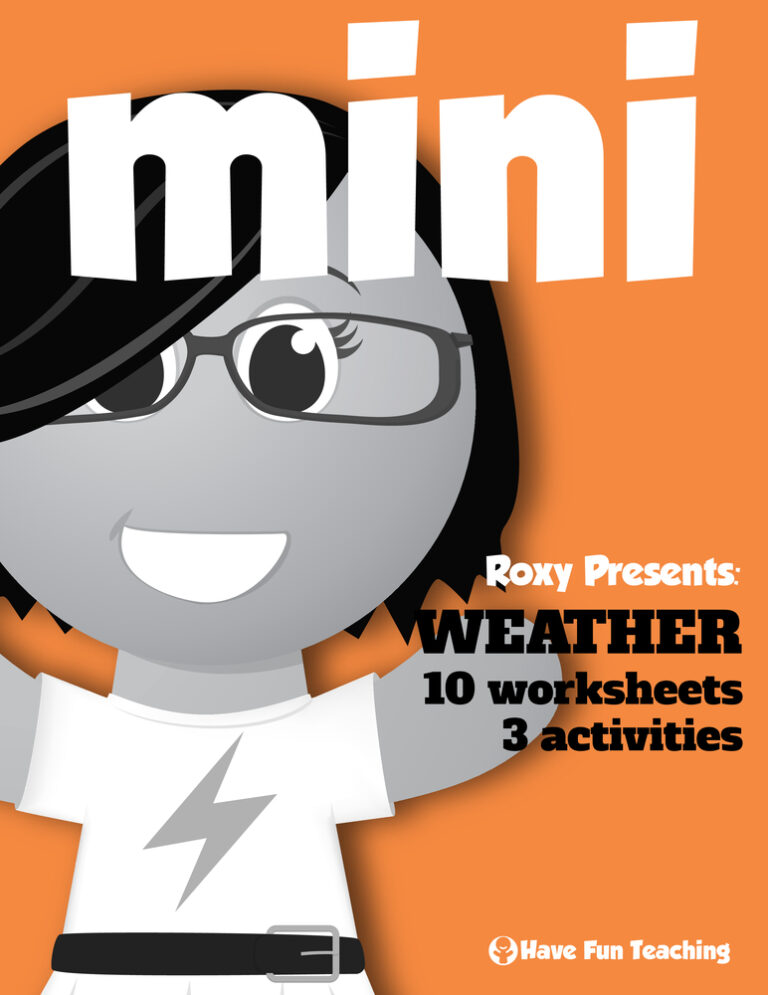
WorkbookPreschoolWeather Mini Pack

Using this Weather Mini Pack, students learn about Weather through ten fun worksheets and three activities.

Workbook
WorkbookPreschoolFive Senses Mini Pack

Using this Five Senses Mini Pack, students learn about Five Senses through ten fun worksheets and two activities.

Workbook
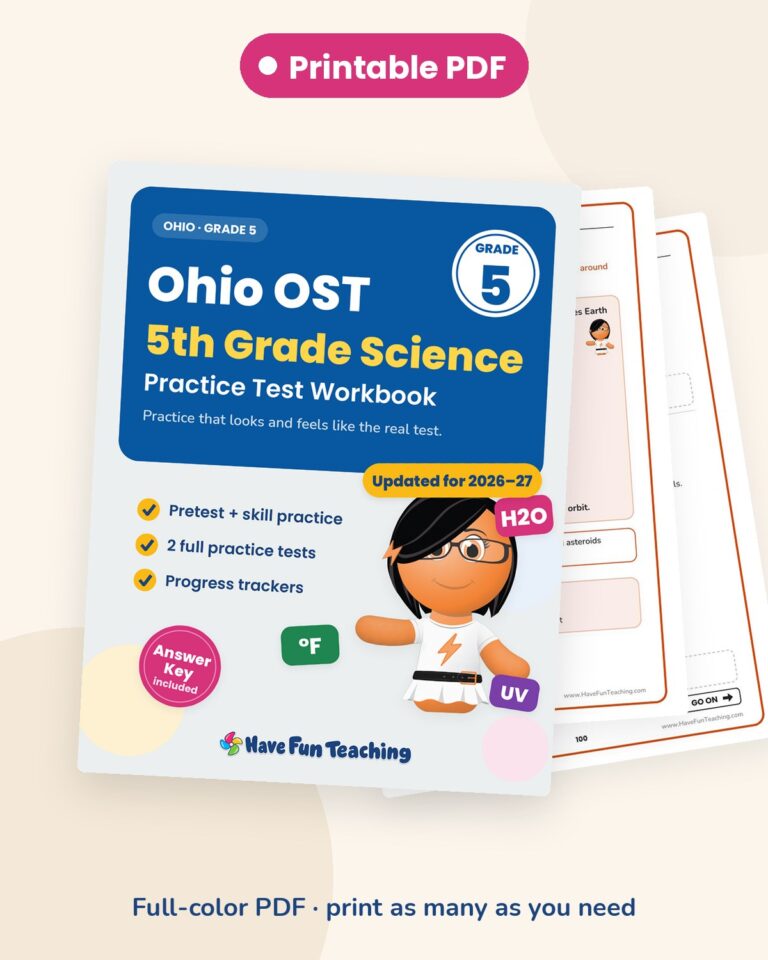
Workbook5th GradeOhio OST 5th Grade Science Practice Test Workbook

An OST 5th grade science practice test workbook for teachers, with a pretest, skill practice for all 13 skills (7 content statements), mixed review and 2 full-length practice tests. Answer key included, so test prep is ready to go.

Workbook
WorkbookPreschoolDental Hygiene Mini Pack

Using this Dental Hygiene Mini Pack, students learn about Dental Hygiene through ten fun worksheets and two activities.

Workbook
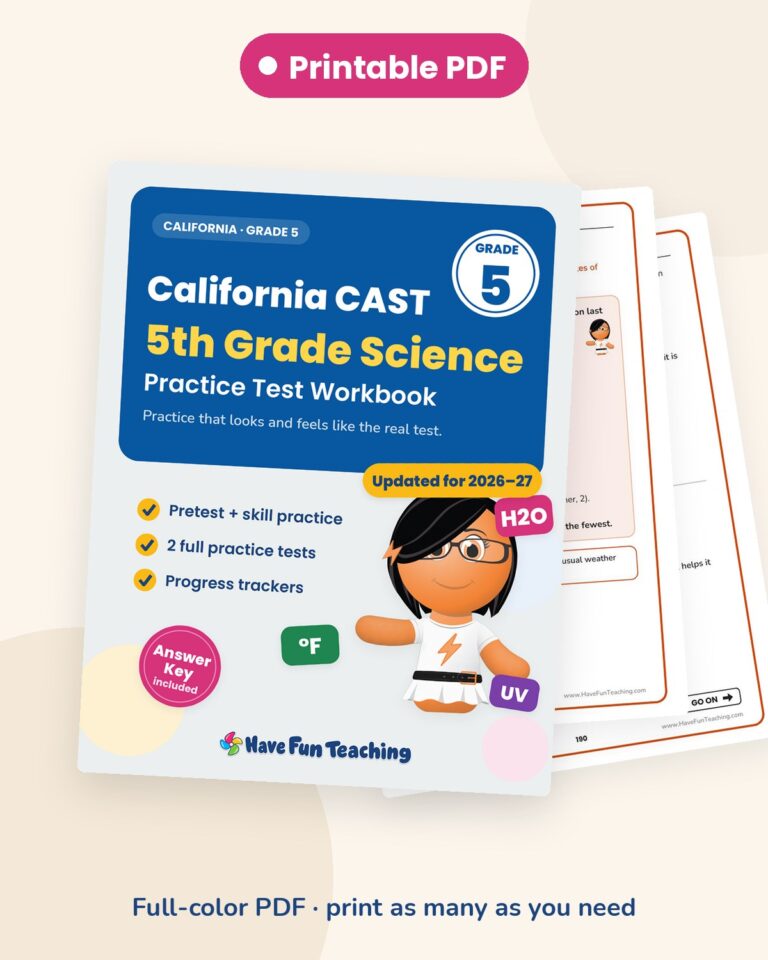
Workbook5th GradeCalifornia CAST 5th Grade Science Practice Test Workbook

A California CAST 5th grade science practice test workbook for teachers, with a pretest, skill practice for all 36 skills (45 performance expectations), mixed review and 2 full-length practice tests. Answer key included, so test prep is ready to go.

Workbook
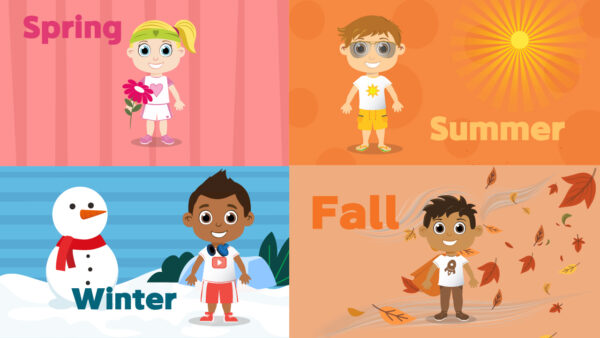
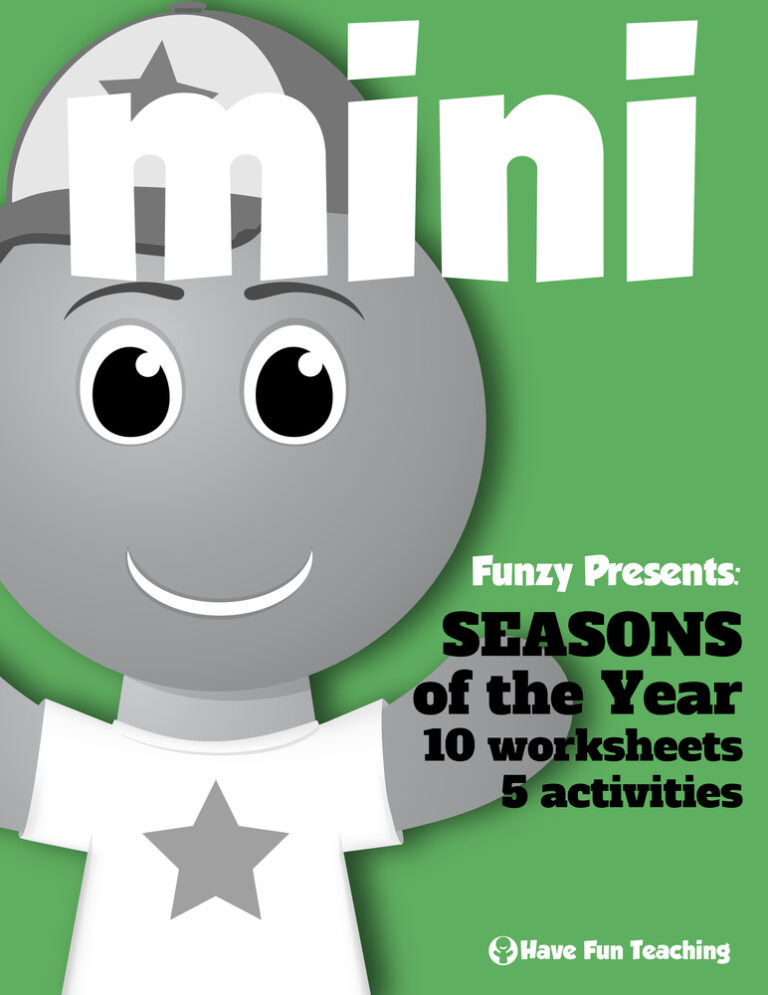
WorkbookPreschoolSeasons of the Year Mini Pack

Using this Seasons of the Year Mini Pack, students learn about Seasons through ten fun worksheets and five activities.

Workbook
WorkbookPreschoolAnimals Mini Pack

Using thisAnimals Mini Pack, students learn about animals through ten fun worksheets and three activities.

Workbook
WorkbookPreschoolHuman Body Mini Pack

Using this Human Body Mini Pack, students learn about the Human Body through ten fun worksheets and three activities.

Workbook
WorkbookPreschoolHealthy Eating Mini Pack

Using this Healthy Eating Mini Pack, students learn about Healthy Eating through ten fun worksheets and three activities.

Workbook
WorkbookPreschoolOceans Mini Pack

Using this Oceans Mini Pack, students learn about Oceans through ten fun worksheets and three activities.

Workbook
WorkbookPreschoolLiving and Non-Living Things Mini Pack

Using this Living and Non-Living Things Mini Pack, students learn about the Living and Non-Living Things through ten fun worksheets and four activities.

From our teachers' playbook

Wonder, test, discover, repeat

What do kids learn in elementary science?

Elementary science is about asking questions and finding answers. Kids explore life science, like plant parts, animals, body systems and cells. They study Earth science: weather, seasons and the layers of the Earth. In physical science they investigate matter, from solids, liquids and gases to physical changes, and forces like pushes, pulls and gravity. Along the way they learn the scientific method: question → hypothesis → test → conclusion. The click is when a child says "Let's test it!" instead of just guessing.

Our favorite ways to teach science

Science sticks when kids do it, see it and talk about it.

Walk through the method

Do one experiment as a class, like "Which ball bounces highest?" and fill in each step of the scientific method together on the board. Then kids plan their own mini experiment using the scientific method worksheet.

Why it works: showing first, practicing together, then letting kids try alone is the "gradual release" model teachers have relied on for decades (Pearson and Gallagher, 1983).
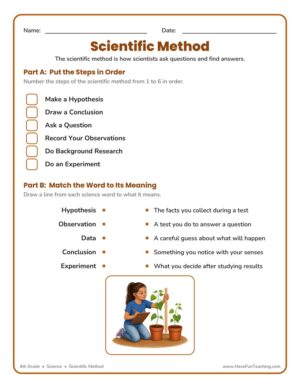
Scientific Method WorksheetTry it withScientific Method WorksheetWorksheetsOpen it →
Label to learn

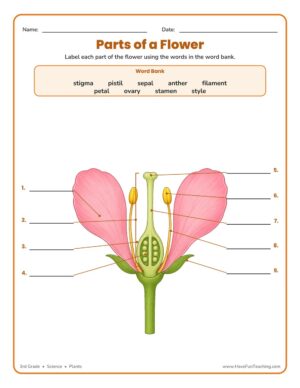
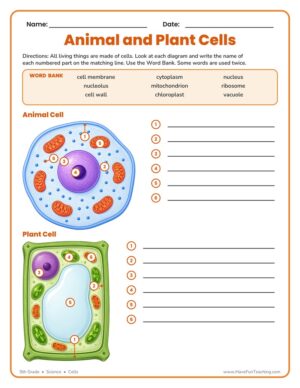
Have kids color and label animal and plant cells, then compare them side by side. Ask "What does the plant cell have that the animal cell doesn't?" Drawing and labeling turns tricky vocabulary into a picture they remember.

Why it works: pairing a picture with each word gives kids two ways to remember it, a well-tested principle of how people learn (Mayer, 2009).

Animal and Plant Cells WorksheetTry it withAnimal and Plant Cells WorksheetWorksheetsOpen it →

Review the vocab

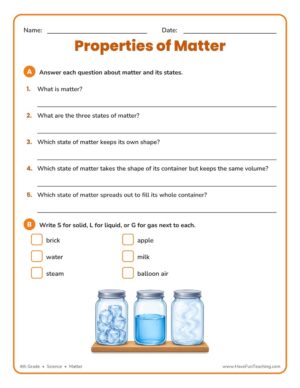
After a matter unit, use the properties of matter review page as a quick check. Kids explain each term in their own words. Retrieval, not rereading, is what locks science words in.

Why it works: a big review of study methods ranked quick self-quizzing among the most powerful ways to remember (Dunlosky and colleagues, 2013).

Properties of Matter Review WorksheetTry it withProperties of Matter Review WorksheetWorksheetsOpen it →

Questions parents and teachers ask about science

What science topics are taught in elementary school?

Life science (plants, animals, the human body), Earth science (weather, seasons, rocks and the Earth's layers) and physical science (matter, forces and energy). Kids also learn the scientific method.

How can I teach science at home?

Cook, garden, watch the weather and ask "What do you think will happen?" Simple kitchen experiments like melting ice or mixing baking soda and vinegar are great starters.

What is the scientific method for kids?

It is a step-by-step way to answer a question: ask a question, make a guess called a hypothesis, test it, observe what happens, and draw a conclusion.

How do I make science fun?

Let kids get hands-on. Experiments, nature walks, drawing what they observe and songs about science ideas all make it memorable.

Keep exploring