
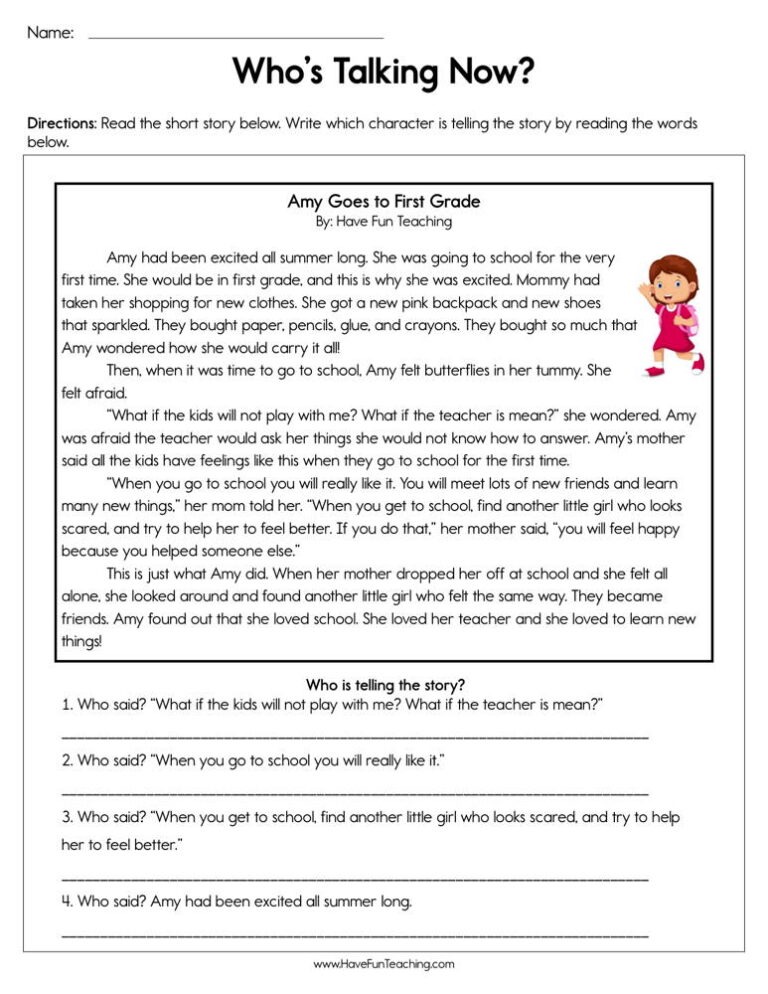
Using Who's Talking Now Worksheet, students write which character is telling the story by making inferences based on what the text says.

Using Sequence Writing Worksheet, students write a story where two events occur providing details, order words, and a sense of closure in your writing.

In order to use ourProblem and Solutions Graphic Organizer Worksheet, your students will be given a text and searching for the problem within the text
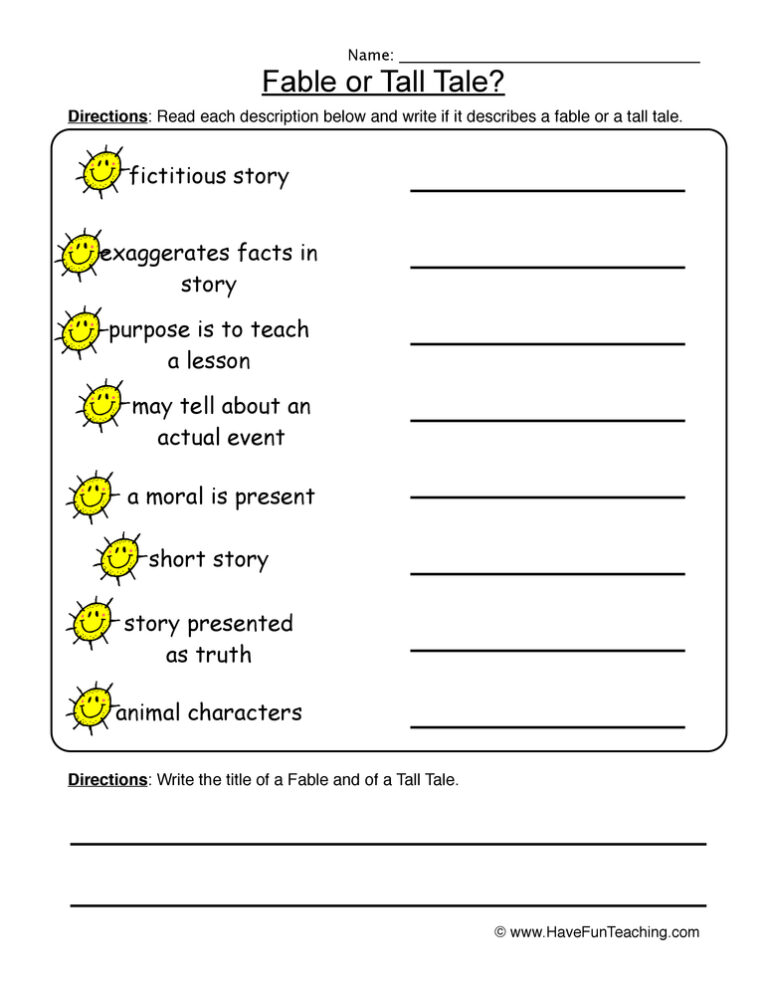
UsingFables Tall Tales Worksheet, students read the descriptions listed to determine if it describes a fable or a tall tale

Using this Story Map Worksheet, students fill in as many details as you can about thecharacters, the setting, and what is happening in the story.
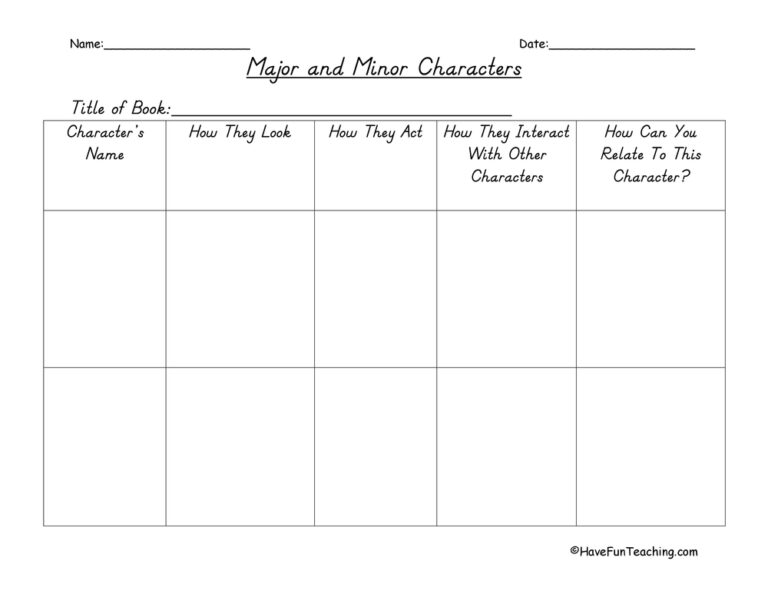
Using this Major and Minor Character Graphic Organizer, students fill in as many details as you can to show information about the Major and Minor Characters.
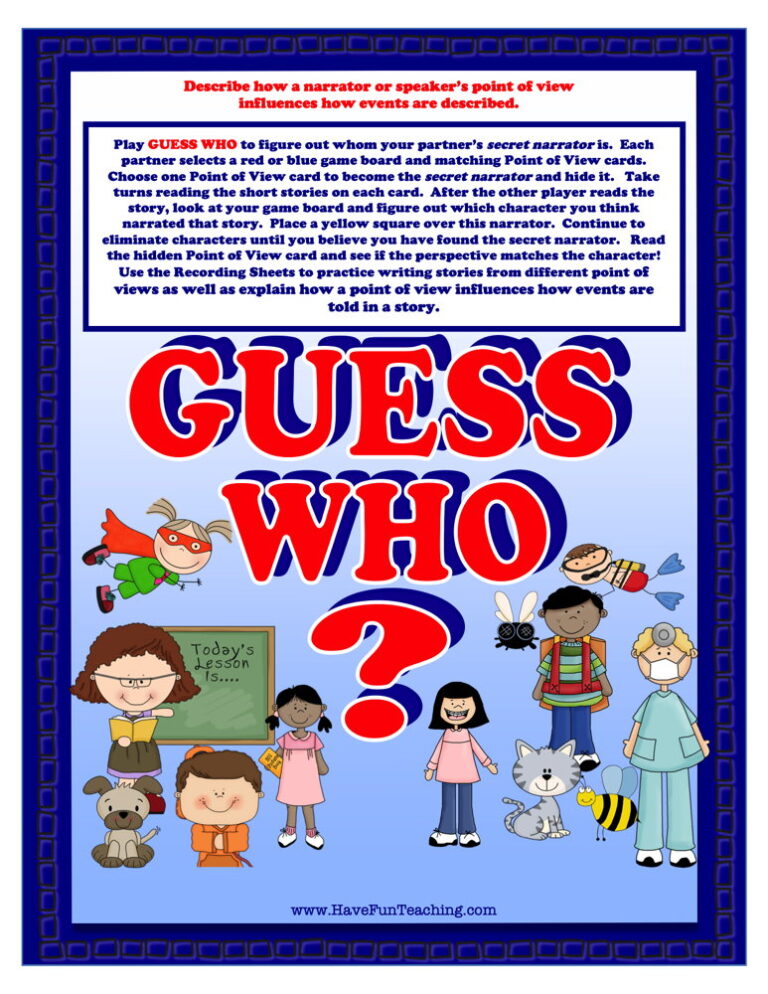
Using this Guess Who Point of View Activity, students identify their partner's "secret narrator" as the partner reads a text card.

Using My Point of View Activity, students distinguish their own point of view from that of the narrator or those of the characters.
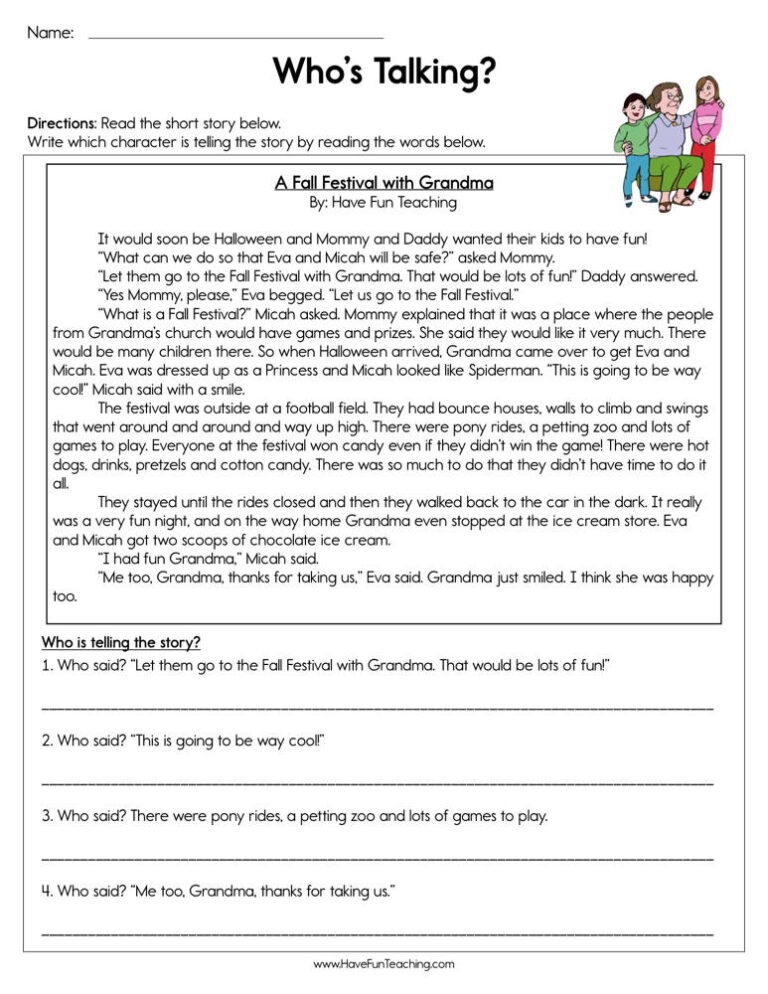
Using Who's Talking Worksheet, students write which character is telling the story by making inferences based on what the text says.
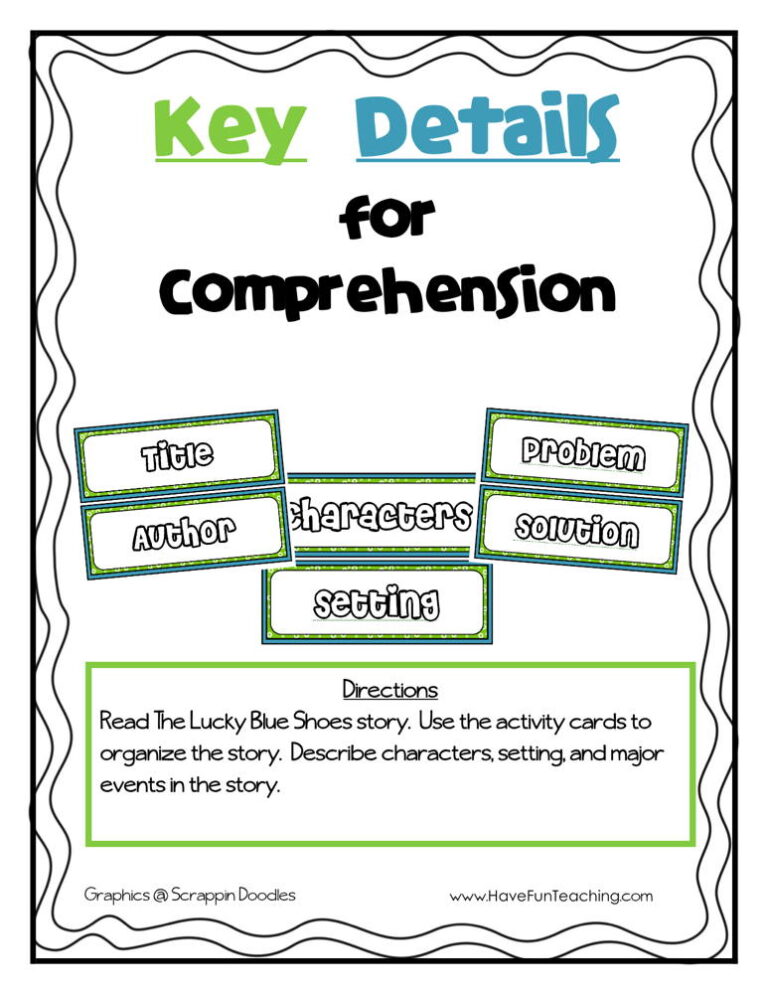
Using Key Details for Comprehension Activity, students read The Lucky Blue Shoes to describe the characters, setting, and major events in the story.
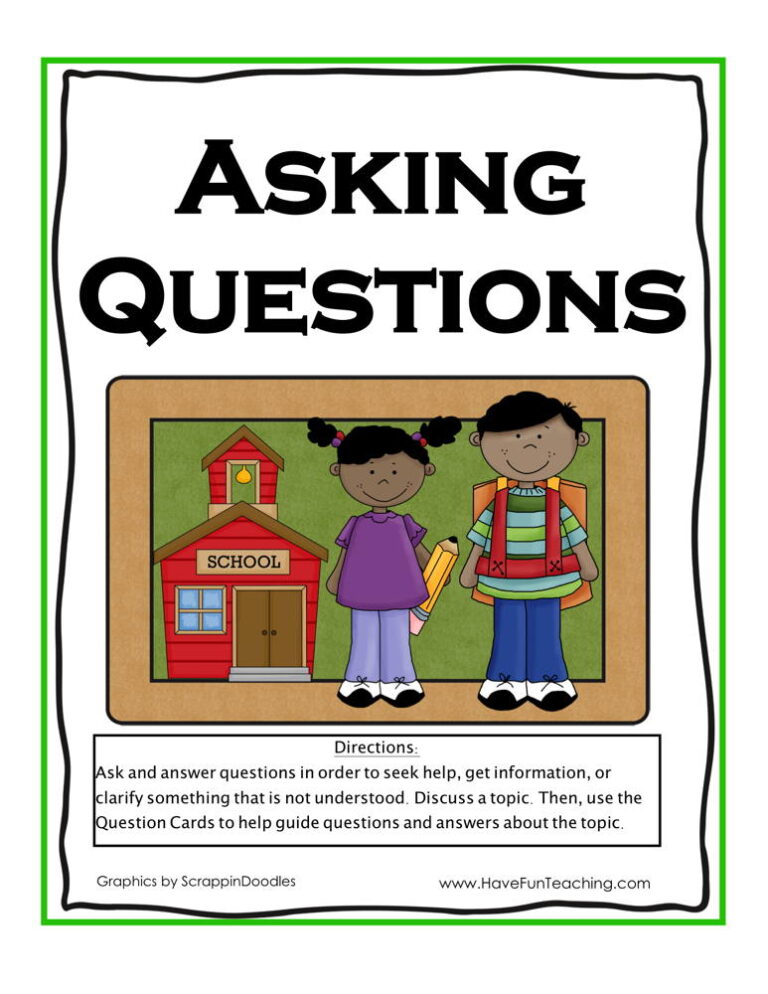
Using the Asking Questions Activity, students actively engage in group reading activities to discuss purpose and understanding after shared reading.

Your students will use this Story Elements Reading Graphic Organizer Worksheet with a story that you are reading as a class or a story that they are
Using this Story Elements Song (MP3), your students learn about how to find examples of story elements in order to build comprehension as they read.

Using thisSilly Stories Story Starters, studentschoose a Character, Setting and Plot from the picture and word cards to write or tell a story about the fun and unique combination.

Using Firsthand and Secondhand Accounts Activity, students read both firsthand and secondhand accounts of the same event to describe the differences in the information provided.
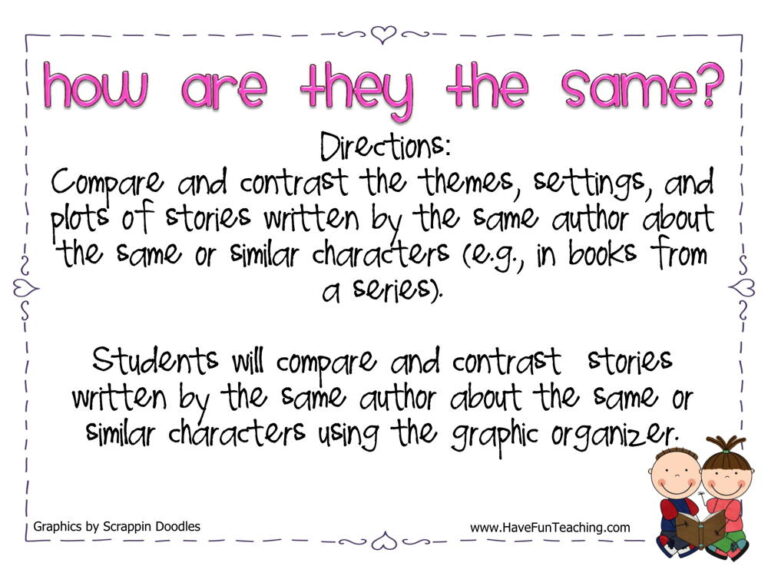
Using How are They the Same Compare and Contrast Story Elements Activity, students compare and contrast the themes, settings, and plots of stories written by the same author about the same or similar characters.

Using Problems and Solutions Worksheet, studentsread two stories with similar plots, or characters to compare the elements from the two stories.
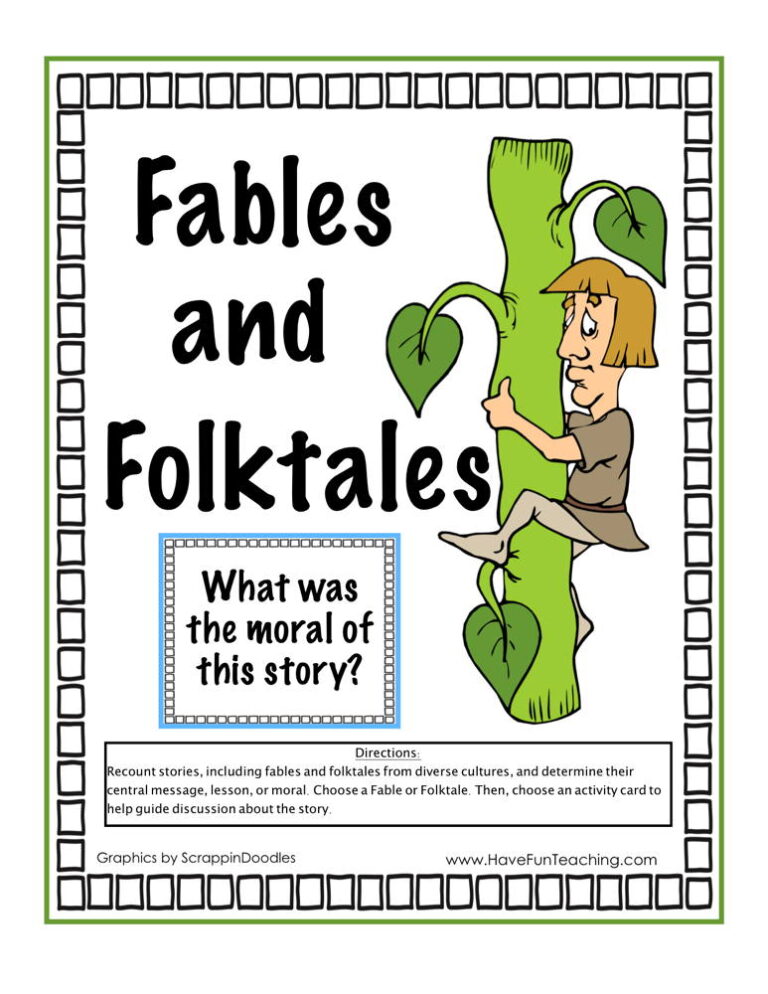
Using Fables and Folktales Activity,students recount fables and folktales from diverse cultures, and determine their central message, lesson, or moral.

Using How Does The Character Respond Activity, students describe how characters in a story respond to major events and challenges.
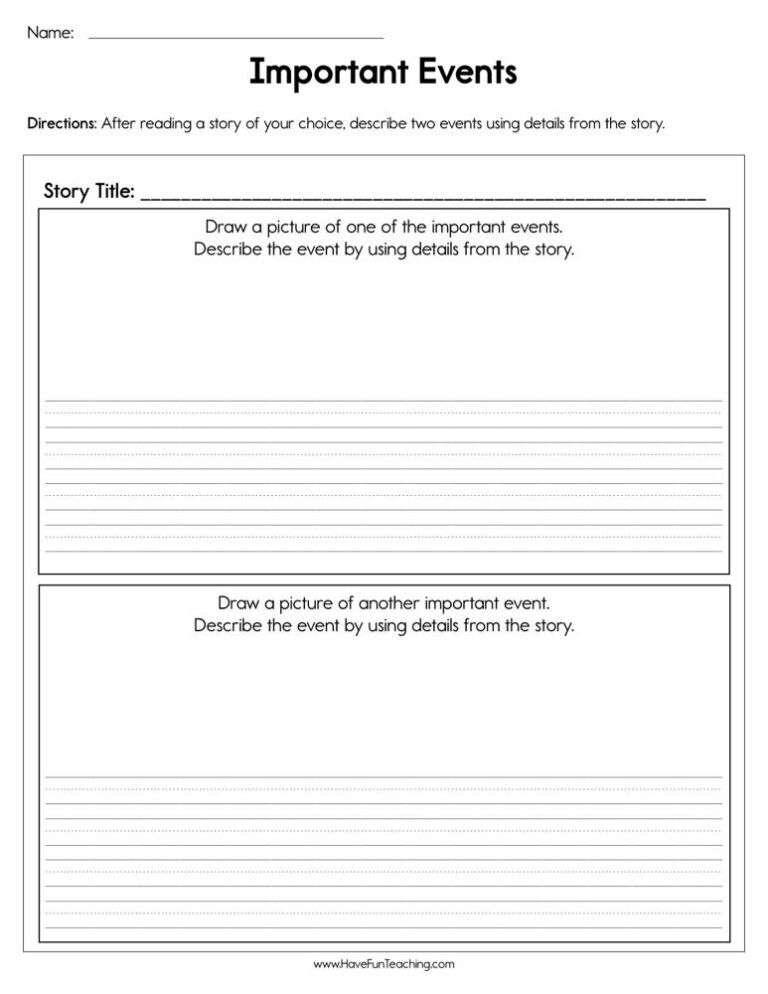
Using Important Events Worksheet,students draw a picture and write a description of two important events from the story.