
3 days free
Ready for the whole library?
You’ve had your freebie — but members download 10,000+ resources for every grade, all year long. Try it free — $0 today, cancel anytime.
Free for teachers
Pick your grade. We’ll send 10 free resources.
Worksheets, activities and a video — picked for your classroom, ready to print tonight.
One free bundle per teacher. We’ll also send free teaching ideas each week — unsubscribe anytime.


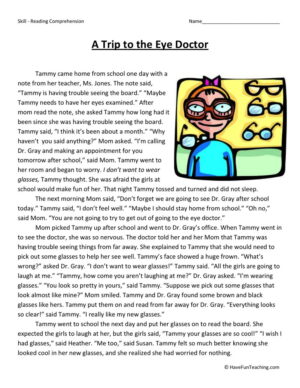

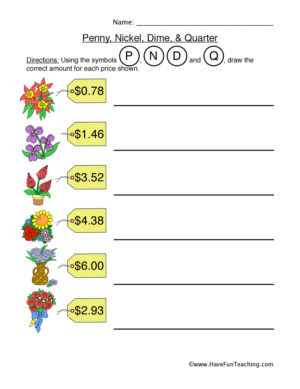

Using Feeling Words Activity, students read Amy Goes to First Grade to find words and phrases that describe Amy's feelings on the first day of school.

Using Compare and Contrast Across Cultures Activity, students compare and contrast two or more versions of the same story by different authors or from different cultures.
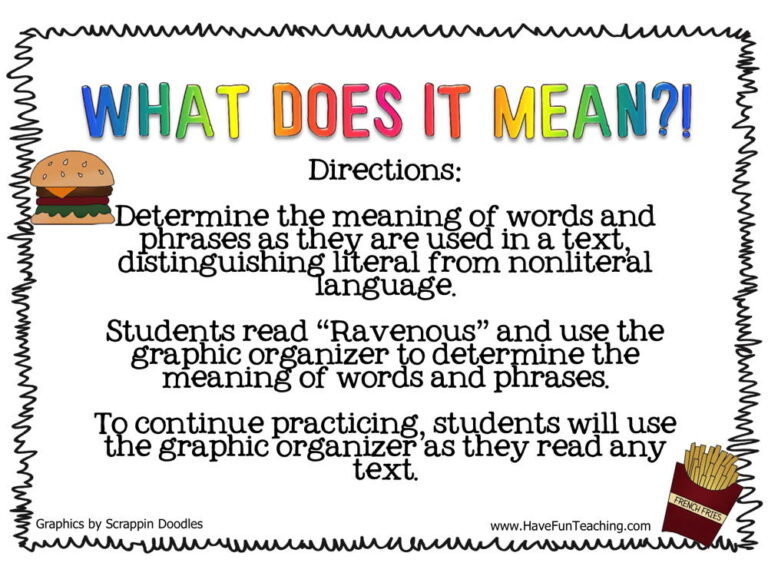
Using this What Does it Mean Literal Non-Literal Language Activity, students determine the meaning of words and phrases as they are used in a text, distinguishing literal from non-literal language.
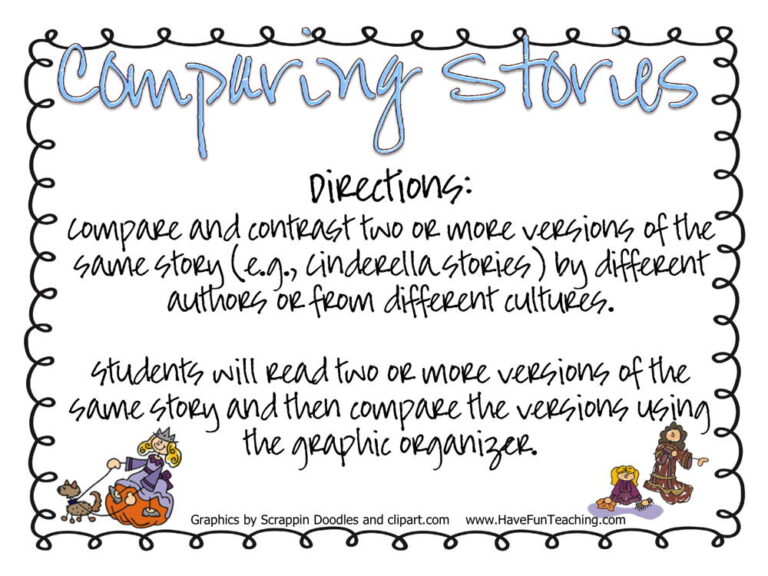
Using Comparing Two Stories Activity, students compare and contrast two or more versions of the same story by different authors or from different cultures.

Using Hurricanes Reading Comprehension Activity, students refer to details to explain what the text says explicitly and when drawing inferences. This is perfect for making inferences and drawing conclusions.
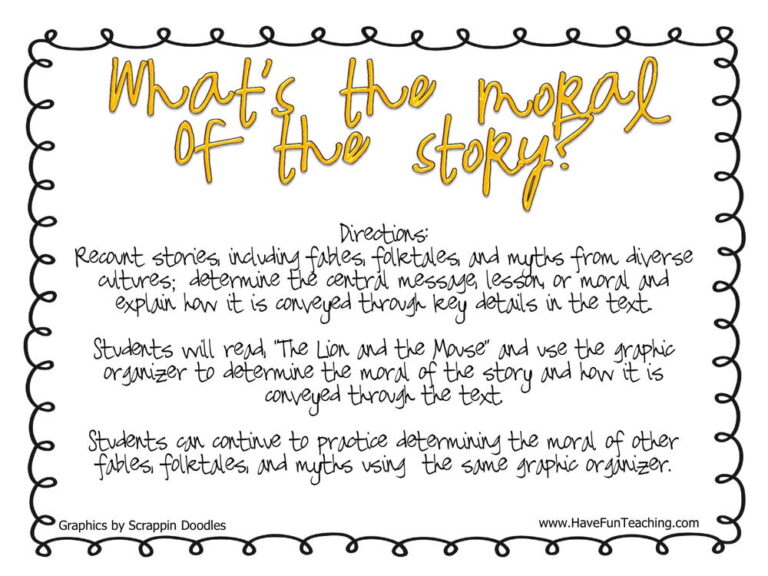
Using What's the Moral of the Story Activity,students recount fables and folktales from diverse cultures, and determine their central message, lesson, or moral.
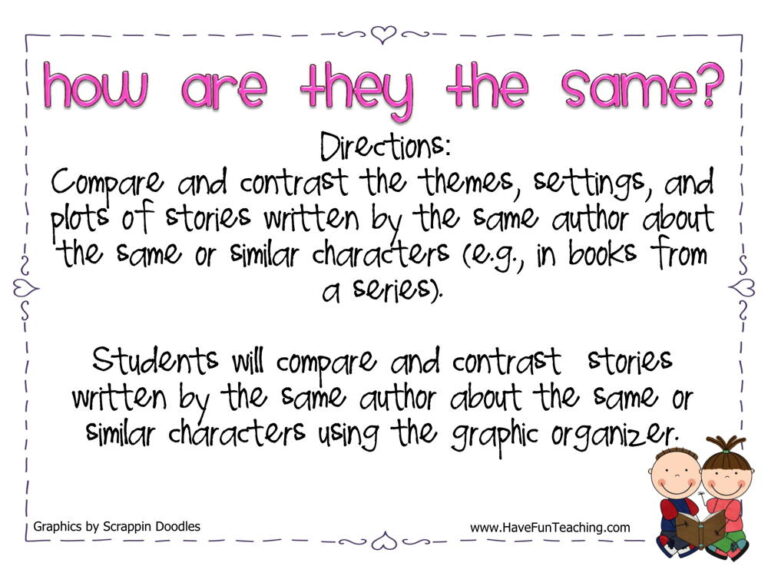
Using How are They the Same Compare and Contrast Story Elements Activity, students compare and contrast the themes, settings, and plots of stories written by the same author about the same or similar characters.

Using Asking Questions about a Story Activity, students Discuss a topic or read a book aloud using Question Cards to help guide questions andanswers about the topic.

Using Reading Questions Camping Activity, students ask and answer questions to demonstrate understanding of key details in a text.

Using Who What When Where Why How Activity, students ask and answer questions to demonstrate understanding of key details in a text.
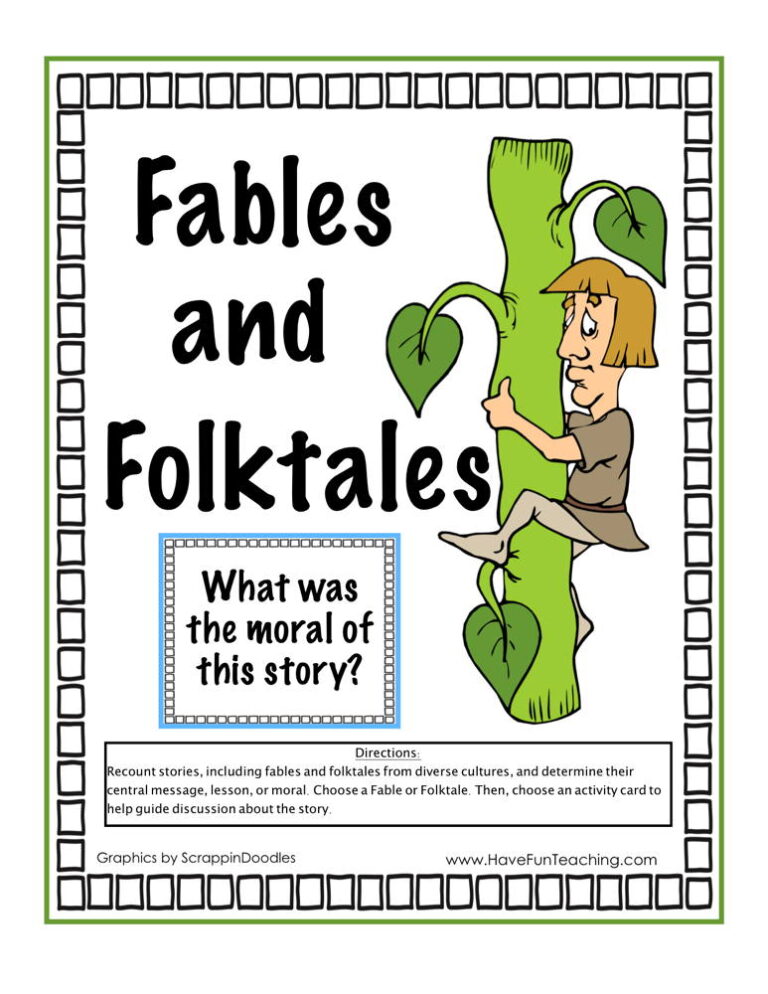
Using Fables and Folktales Activity,students recount fables and folktales from diverse cultures, and determine their central message, lesson, or moral.
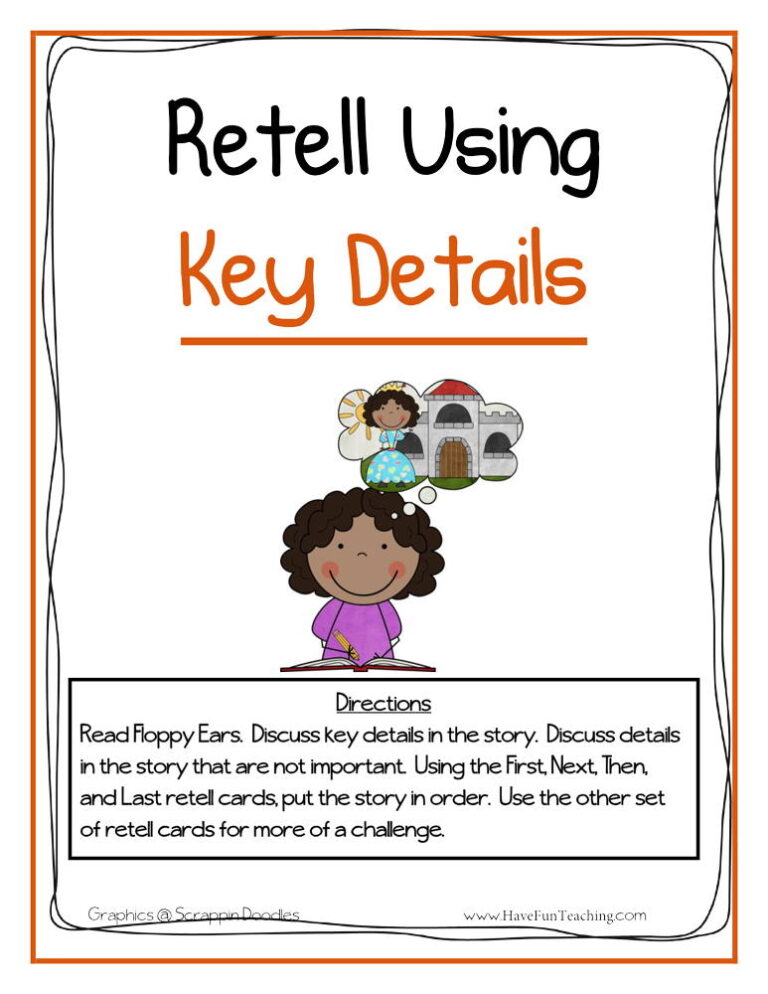
Using Retelling Using Key Details Activity,students read Floppy Ears to retell the story by putting key events in order.
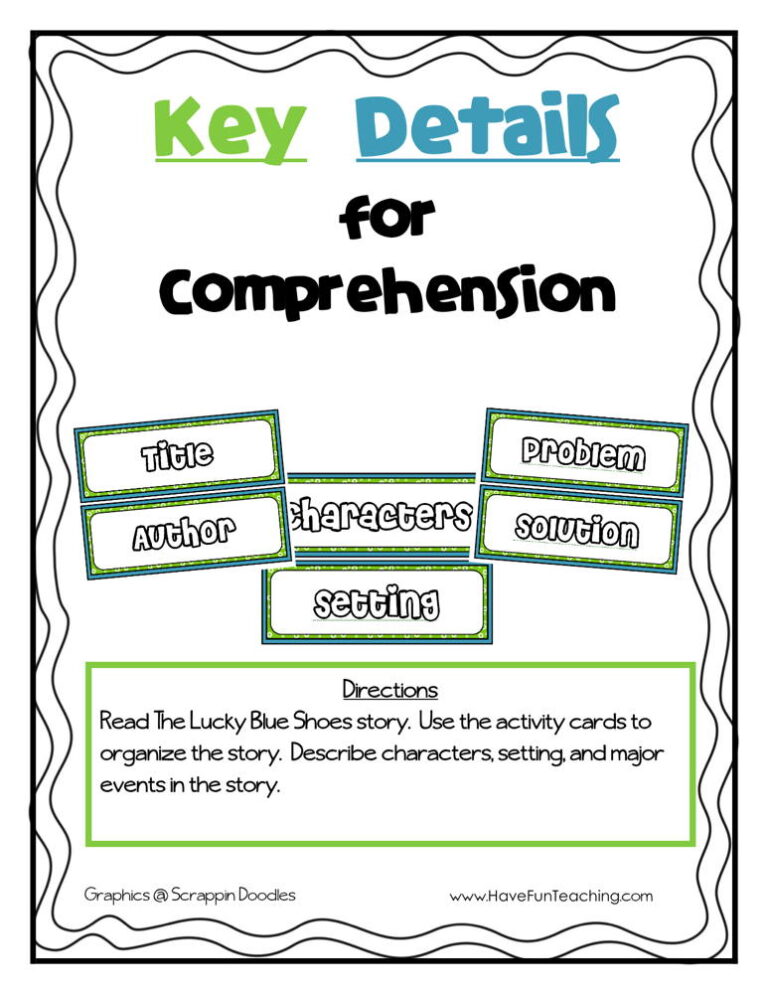
Using Key Details for Comprehension Activity, students read The Lucky Blue Shoes to describe the characters, setting, and major events in the story.
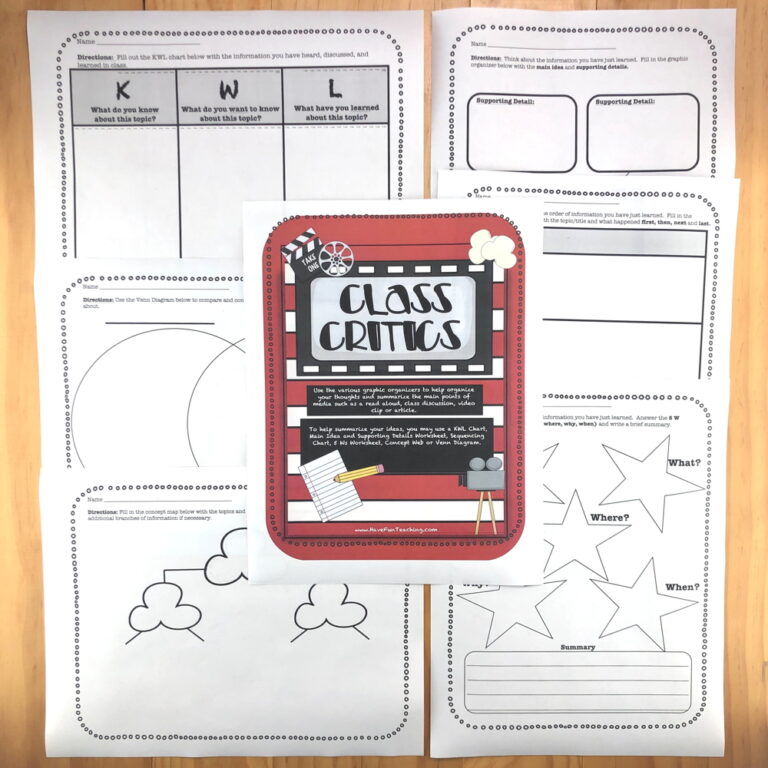
Using Retell the Story Activity, students read Floppy Ears aloud to students and then use the question chart to assess students ability to retell the story.
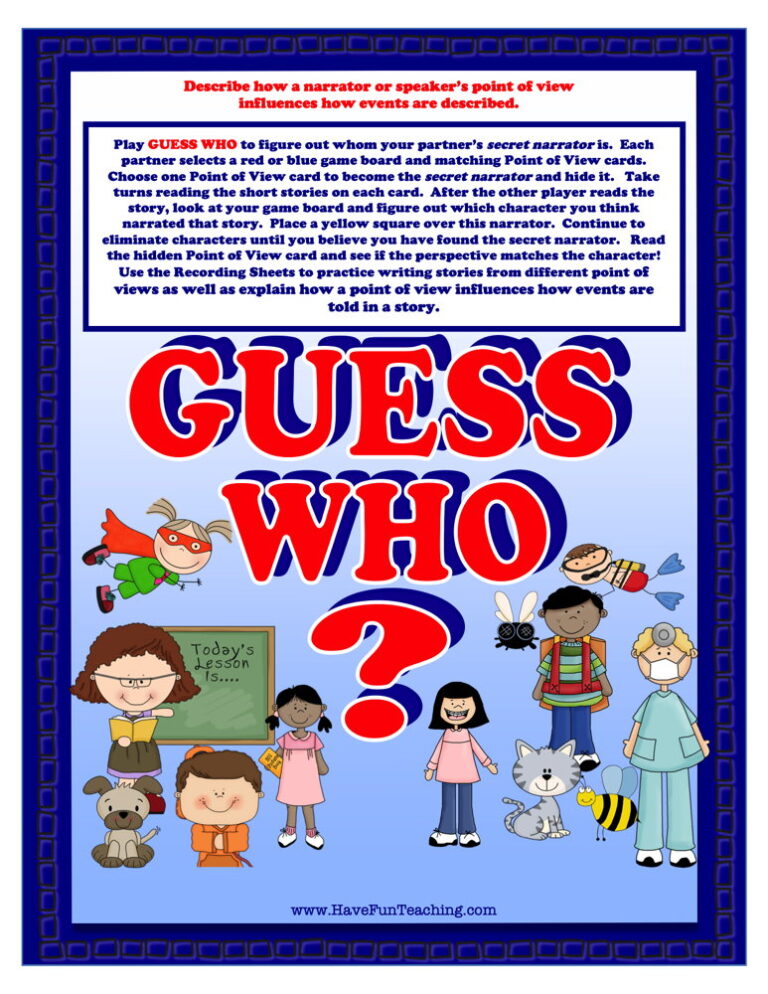
Using this Guess Who Point of View Activity, students identify their partner's "secret narrator" as the partner reads a text card.

Using In Your Own Words Paraphrase Activity, students paraphrase portions of a text read aloud or information presented in any formats in your own words.
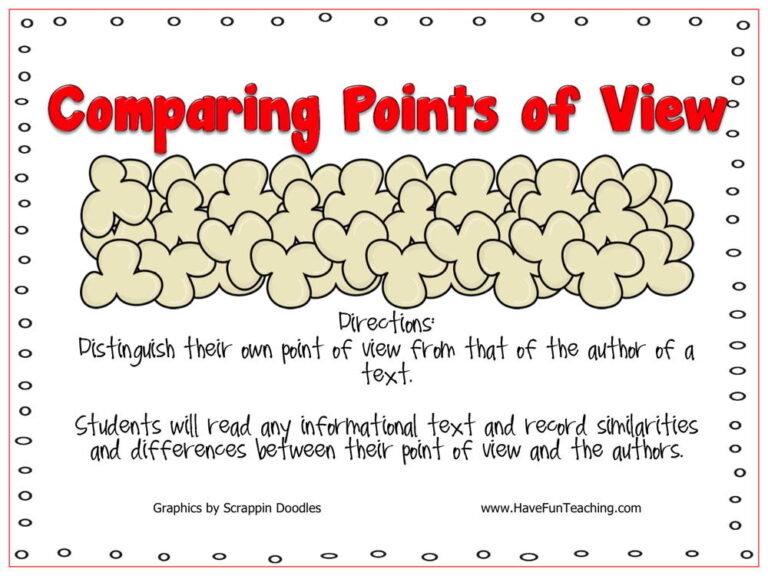
Using Comparing Points of View Activity, students distinguish their own point of view from that of the author of a text.

Using How Words Work Poetry Activity, students describe how words &phrases supply rhythm and meaning in a story, poem, or song.

Using Retell the Story Activity,students read “Floppy Ears” aloud to students and then use the question chart to assess students ability to retell the story.

Using Retelling Stories Activity,students put the Event Cards in the correct order to retell the story to build summarizing skills.



