
Skip to content
Start My 3 Free Days $0 today · cancel anytime

2nd Grade Story Elements Resources

39 2nd grade story elements resources: 18 worksheets, 17 activities, 3 graphic organizers and more. How teachers use these

2nd Grade Story Elements Resources

39 2nd grade story elements resources: 18 worksheets, 17 activities, 3 graphic organizers and more. How teachers use these

Worksheet
Worksheet2nd GradeSequence Writing Worksheet

This sequence writing worksheet has 2nd graders number four mixed-up pancake story events, then write the story with order words and an ending. An answer key is included for easy checking.

Worksheet
Worksheet2nd GradeCharacters and Story Plots Worksheet

This characters and story plots worksheet gives 2nd Grade readers a short story, then asks them to name the characters and tell the beginning, problem and ending. An answer key is included, so retelling a book gets easier.

Worksheet
Worksheet2nd GradeStory Elements Reading Graphic Organizer Worksheet

A story elements reading graphic organizer worksheet for 2nd grade: read a short story, then fill in Somebody, Wanted, But, and So. Answer key included, so retelling practice takes no prep.

Worksheet
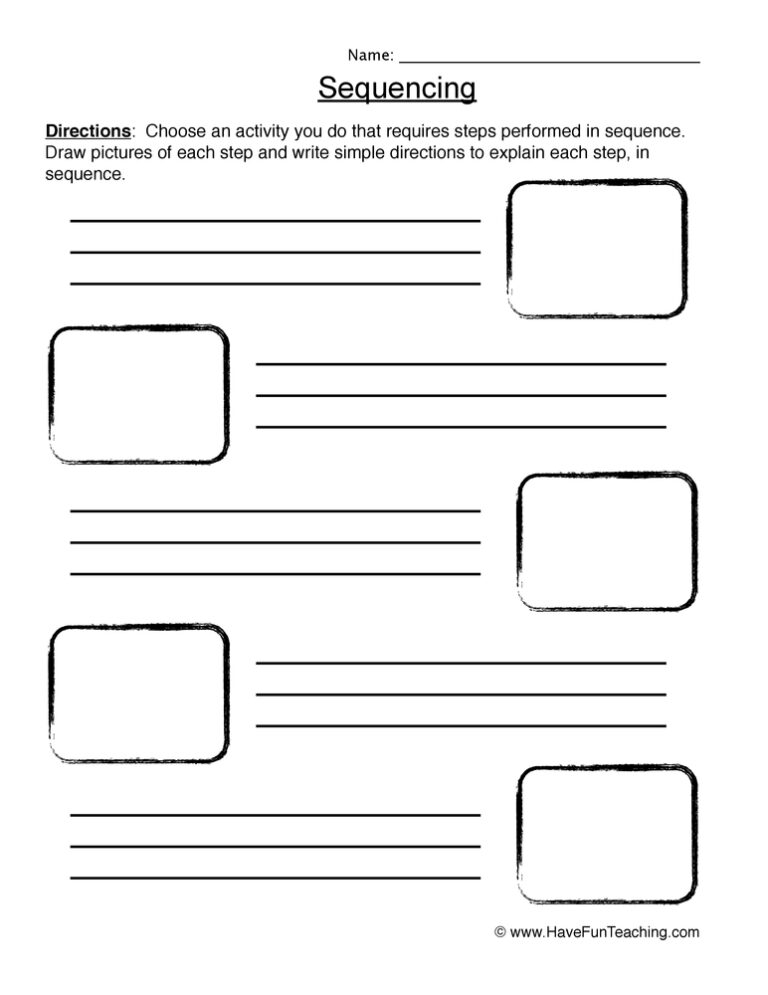
Worksheet2nd GradeSequencing Brainstorming Worksheet

This sequencing brainstorming worksheet has 2nd graders number five story events in order, then plan the steps of their own activity. An answer key is included, so checking takes just seconds.

Worksheet
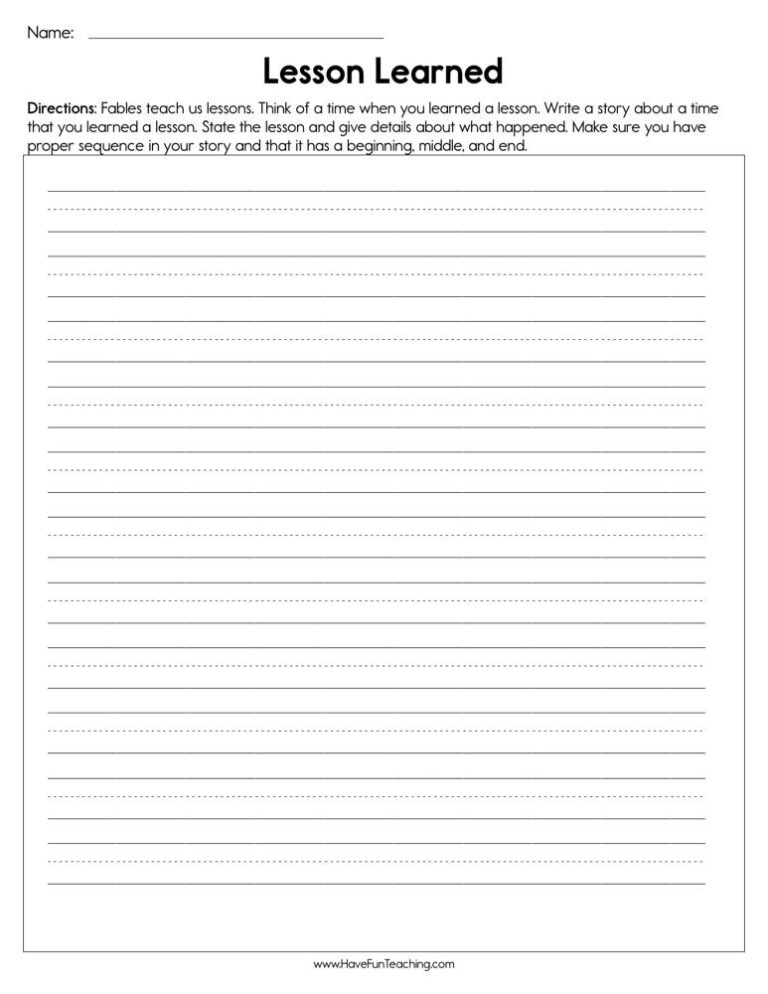
Worksheet2nd GradeLesson Learned Worksheet

This lesson learned worksheet helps 2nd graders plan a true story about a time they learned a lesson, with boxes for the beginning, middle, end, and the lesson itself.

Worksheet
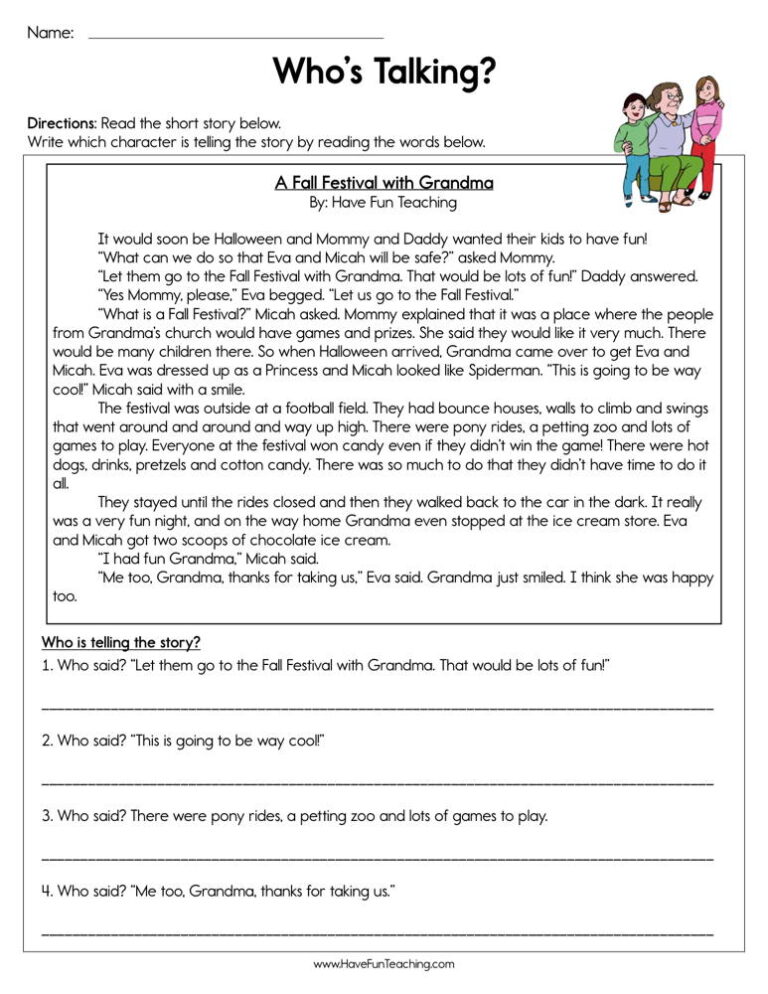
Worksheet2nd GradeWho's Talking Worksheet

This Who's Talking Worksheet asks 2nd Grade readers to match four quoted lines back to the character who said them, then explain how they knew, with an answer key included.

Activity
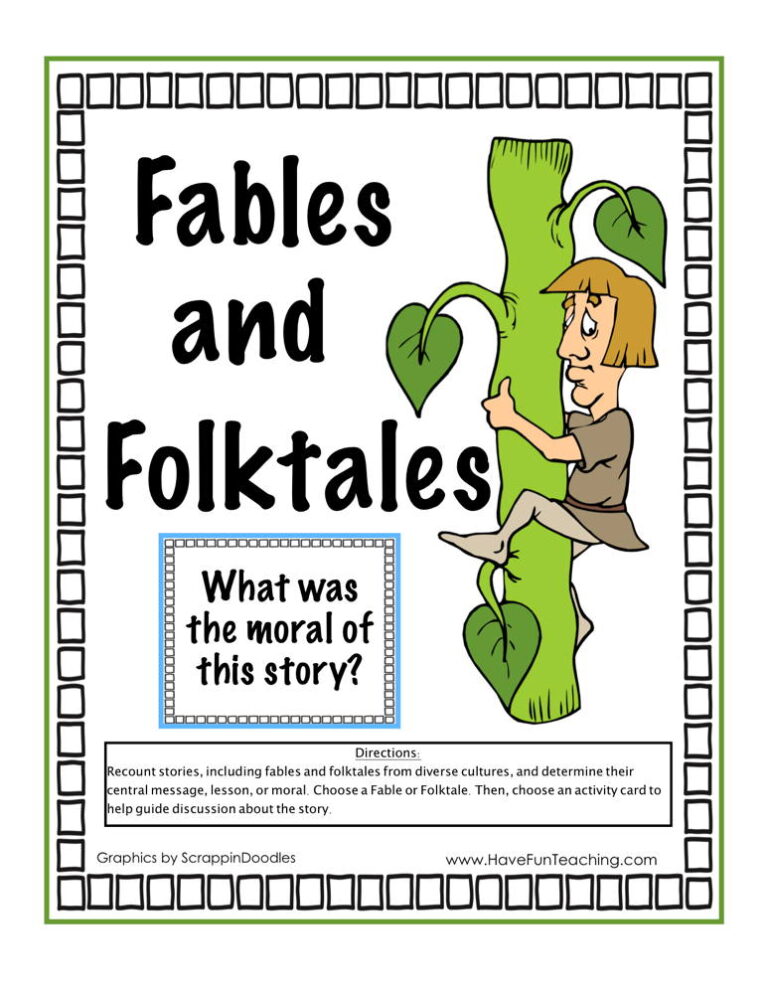
Activity2nd GradeFables and Folktales Activity

Read, retell and find the moral with this fables and folktales activity for 2nd and 3rd grade: story cards, moral cards, talk cards and a Story Map, with an answer key included.

Worksheet
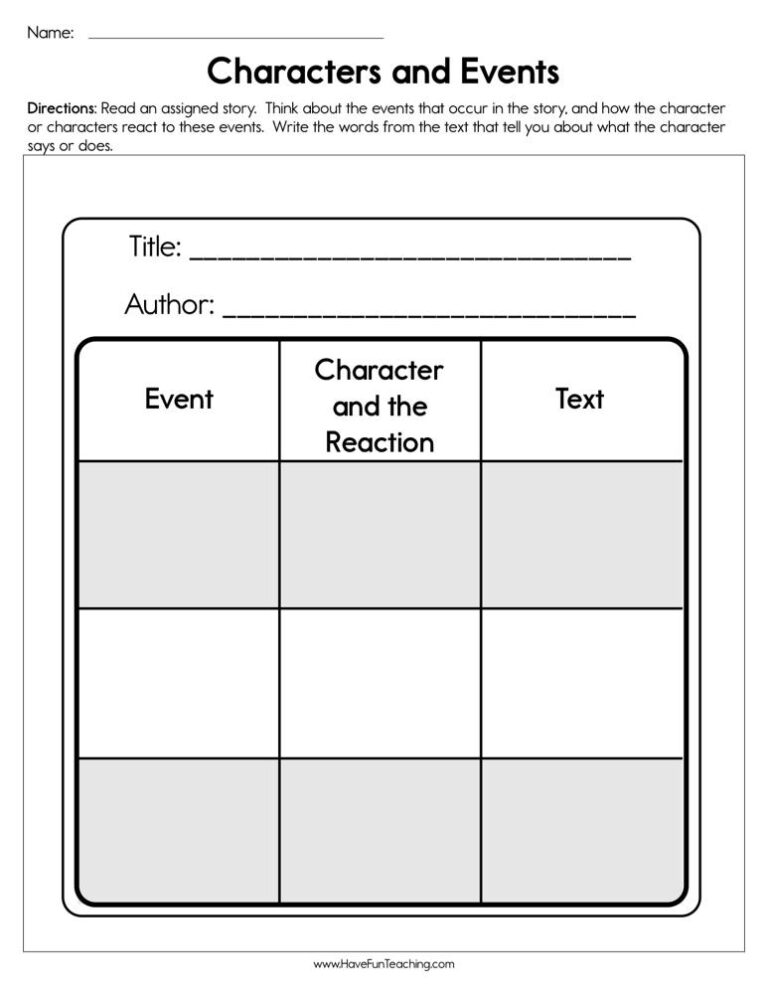
Worksheet2nd GradeCharacters and Events Worksheet

This characters and events worksheet gives 2nd Grade readers a beach story and questions about how two friends react to each event, with an answer key to help kids back up answers with the text.

Activity
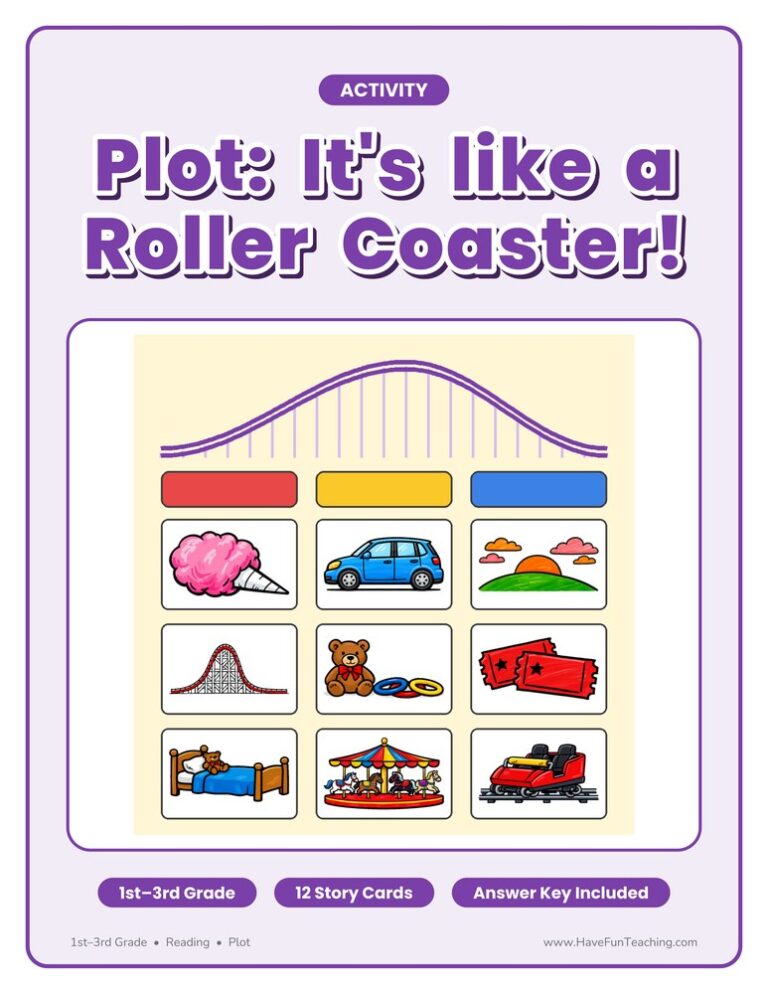
Activity2nd GradeBeginning Middle End Plot Activity

Kids sort story cards with this beginning middle end plot activity for 1st to 3rd grade, then retell the story on a roller coaster plot chart. An answer key is included for easy checking.

Worksheet
Worksheet2nd GradeProblems and Solutions Worksheet

This problems and solutions worksheet gives 2nd Grade readers a short story and five questions about the problem and how it gets solved. An answer key is included, so students can practice finding plot evidence on their own.

Worksheet
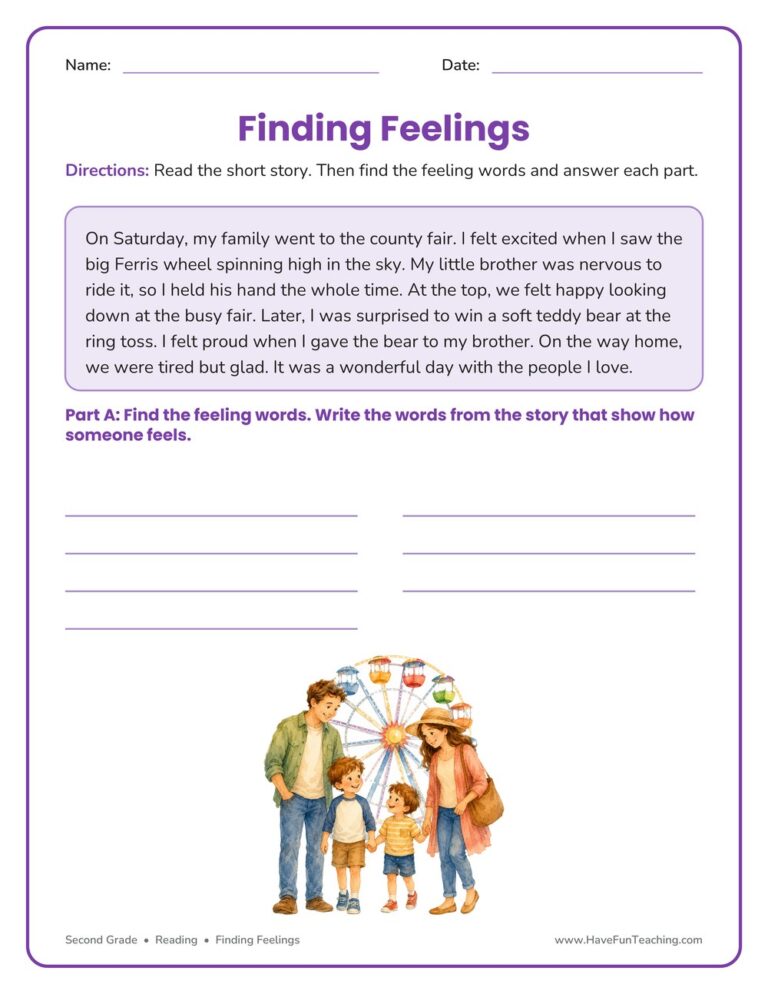
Worksheet2nd GradeFinding Feelings Worksheet

This Finding Feelings Worksheet has second graders read a short story, find the feeling words, and match story moments to emotions. Answer key included — a no-prep way to build reading comprehension and empathy.

Activity
Activity2nd GradeDescribing Characters Beginning Middle and End Activity

In this describing characters beginning middle and end activity, 1st to 3rd Grade students order story cards and name feelings. Answer key included.

Worksheet
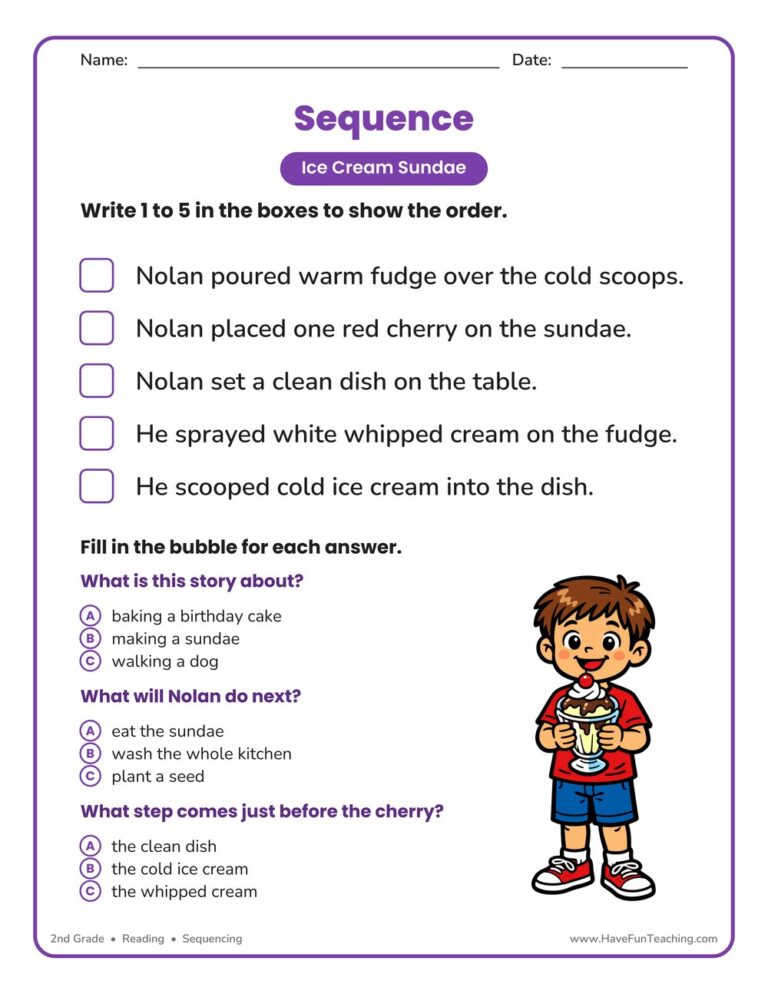
Worksheet2nd GradeIce Cream Sundae Sequence Worksheet

Use this ice cream sundae sequence worksheet to help 2nd graders read five mixed-up story steps and number them in order. An answer key is included, so checking work takes only seconds.

Worksheet
Worksheet2nd GradeCompare Contrast Book Covers Worksheet

Using Compare Contrast Book Covers Worksheet, students compare two books using information from the book cover to determine how they are alike and different.

Video
Video2nd GradeStory Elements Song (MP3)

Using this Story Elements Song (MP3), your students learn about how to find examples of story elements in order to build comprehension as they read.

Activity
Activity2nd GradeFeeling Words Activity

Using Feeling Words Activity, students read Amy Goes to First Grade to find words and phrases that describe Amy's feelings on the first day of school.

Activity
Activity2nd GradeCharacter Setting Plot Activity

This character setting plot activity has 1st to 3rd graders read a short story, sort story cards by element, and order the plot. Answer key included for quick checking.

Activity
Activity2nd GradeWhat's the Moral of the Story Activity

This what's the moral of the story activity helps 2nd and 3rd graders read short fables, retell them, and match each one to its lesson. Answer key included for quick checking.

Worksheet
Worksheet2nd GradeStory Elements Network Tree Graphic Organizer

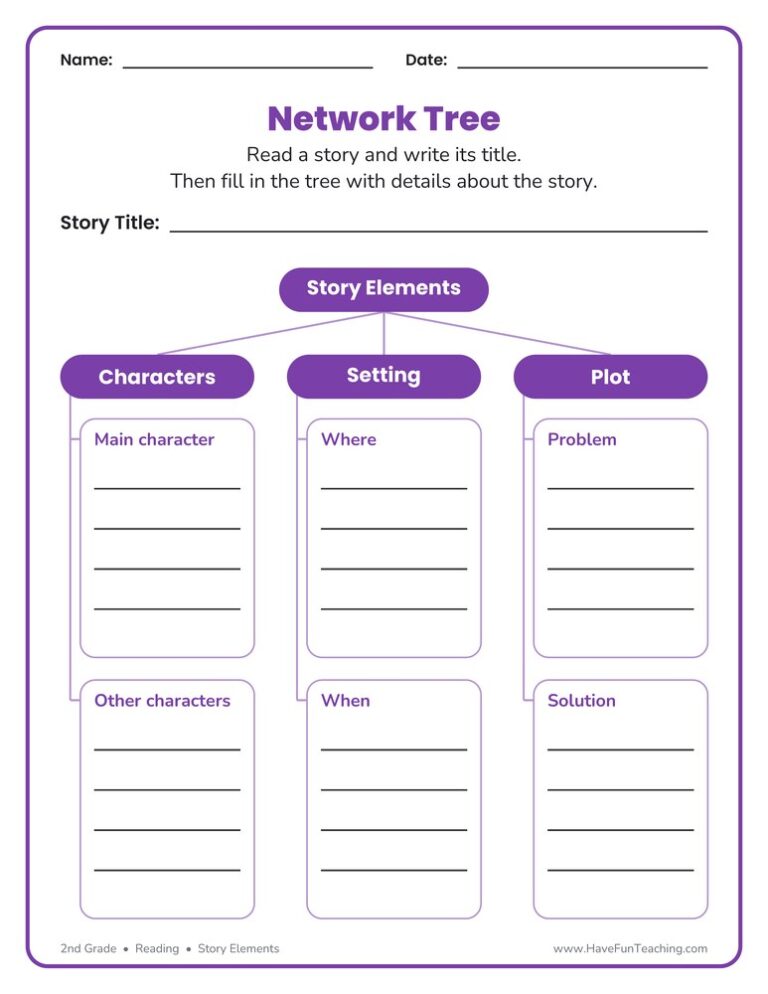
This story elements network tree graphic organizer helps 2nd grade readers map the characters, setting and plot of any book. Answers vary, so it works with every story children read.

Worksheet
Worksheet2nd GradeStory Elements Graphic Organizer

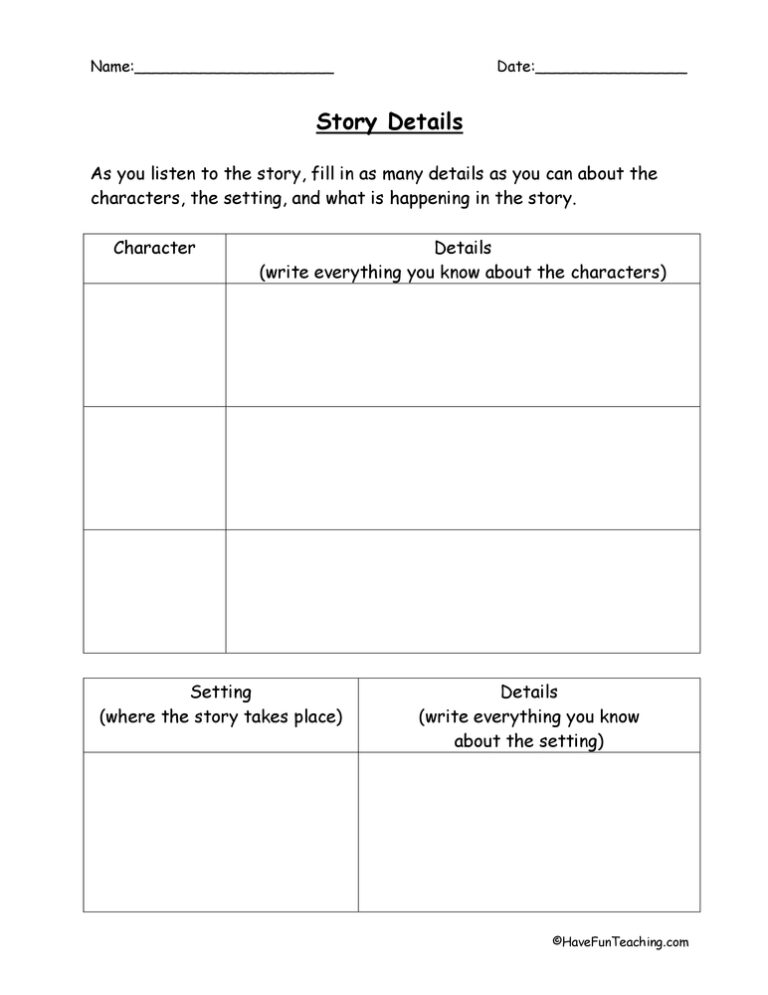
This story elements graphic organizer worksheet helps 2nd graders name the characters in any story, describe what each one is like, and tell where and when the story happens.

From our teachers' playbook

Who, where, uh-oh and hooray!

What do 2nd graders learn about story elements?

Every story has the same building blocks: characters, a setting, a problem and a solution. Second graders learn to name each one and then go deeper. They describe how characters respond to big events, notice when different characters see things differently, and use a story's beginning, middle and end to understand the plot. A simple map helps: Who? Where? Problem? Solution? The click moment is when kids realize the problem is the engine of the story. No problem, no story!

Our favorite ways to teach story elements

Story elements stick when kids can see them laid out and talk about them with every book they read.

Map the story

After every read-aloud, fill in a story map together: characters, setting, problem and solution. Use the same organizer every time so the boxes become automatic. Soon kids start filling it in in their heads while they read.

Why it works: pairing a picture with each word gives kids two ways to remember it, a well-tested principle of how people learn (Mayer, 2009).

Story Elements Reading Graphic Organizer WorksheetTry it withStory Elements Reading Graphic Organizer WorksheetGraphic OrganizersOpen it →

How did they feel?

Stop at the big moment in a story and ask, "How is the character feeling right now? How do you know?" Model it once with your own thinking, then let kids try it with the characters and plots worksheet.

Why it works: showing first, practicing together, then letting kids try alone is the "gradual release" model teachers have relied on for decades (Pearson and Gallagher, 1983).

Characters and Story Plots WorksheetTry it withCharacters and Story Plots WorksheetWorksheetsOpen it →

Uh-oh and hooray

Have kids label the problem with "uh-oh" and the solution with "hooray" in short stories. It's silly, it's memorable, and it makes the most important part of a plot easy to find.

Why it works: researchers who compared ten study methods found practice testing is one of the two that work best (Dunlosky and colleagues, 2013).

Problems and Solutions WorksheetTry it withProblems and Solutions WorksheetWorksheetsOpen it →

Questions teachers and parents ask

What are the story elements for 2nd grade?

The main story elements are characters, setting, problem, events and solution. Many 2nd grade classes also talk about the lesson of the story and how characters change.

How do I teach story elements to 2nd graders?

Use one simple story map with every book you read aloud. Fill it in together at first, then have kids fill it in with a partner, and finally on their own.

What is the difference between plot and setting?

The setting is where and when a story happens. The plot is what happens: the events, the problem and how it gets solved.

How can I practice story elements at bedtime?

After reading, ask just two questions: "What was the problem?" and "How did they fix it?" Add "Where did it happen?" on another night. Short, regular chats build the habit.



