Skip to content
Start My 3 Free Days $0 today · cancel anytime

2nd Grade Environments Resources

11 2nd grade environments resources: 11 worksheets and 4 assessments. How teachers use these

2nd Grade Environments Resources

11 2nd grade environments resources: 11 worksheets and 4 assessments. How teachers use these

Worksheet
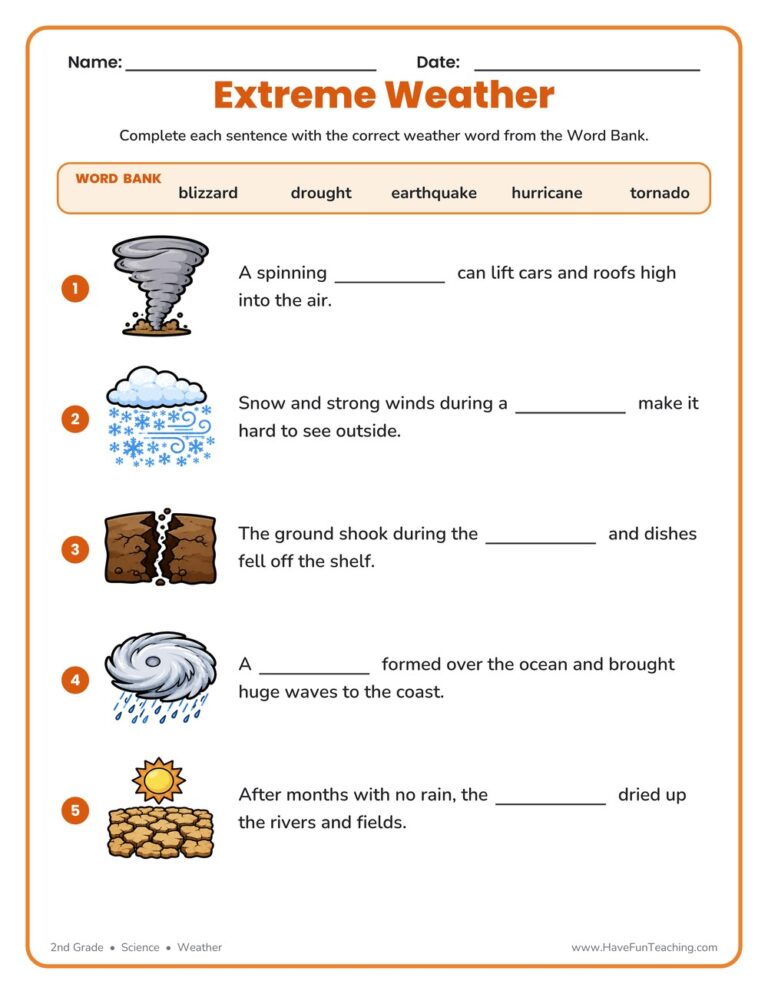
Worksheet2nd GradeNatural Disasters Fill in the Blanks Worksheet

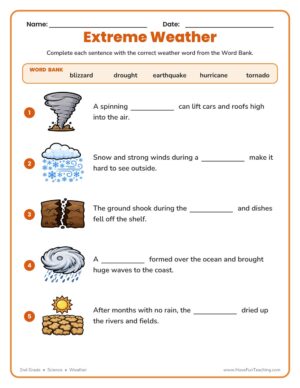
This Natural Disasters Fill in the Blanks Worksheet has 2nd graders match blizzards, droughts, earthquakes, hurricanes, and tornadoes to picture-clue sentences. Answer key included — perfect for no-prep extreme weather vocabulary practice.

Worksheet
Worksheet2nd GradeMatching Animal Habitats Worksheet

This matching animal habitats worksheet has 2nd Grade students connect five animals to the ocean, pond, desert, forest, and grassland, then finish three sentences. An answer key is included for fast, no-prep science practice.

Worksheet
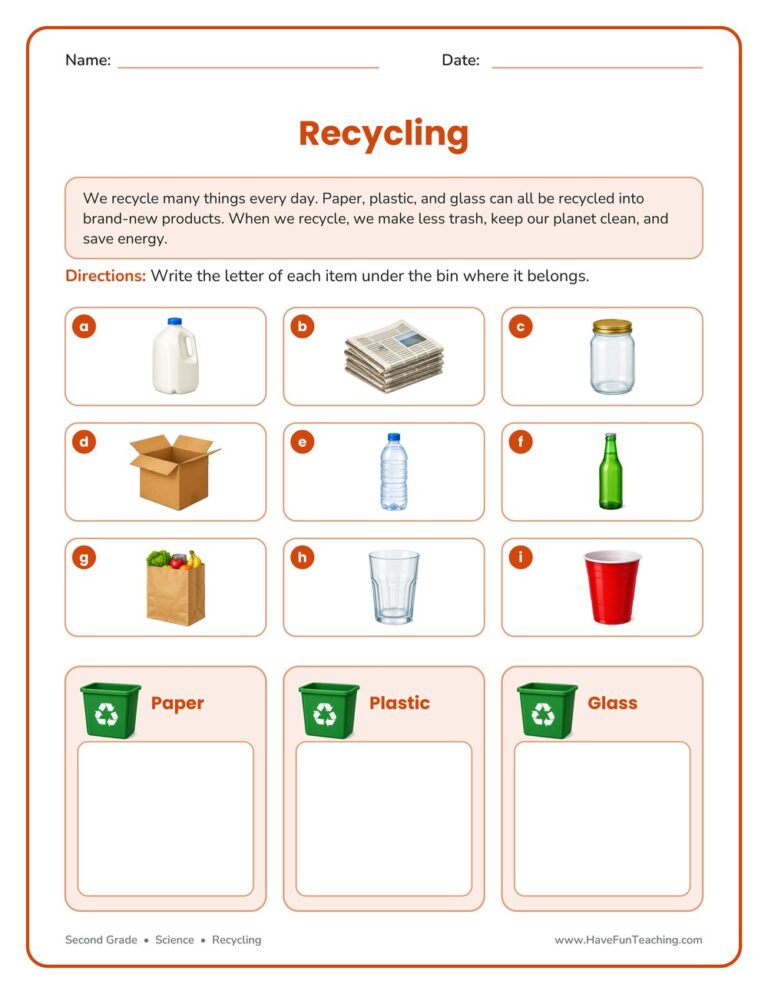
Worksheet2nd GradeRecycling Sort Worksheet

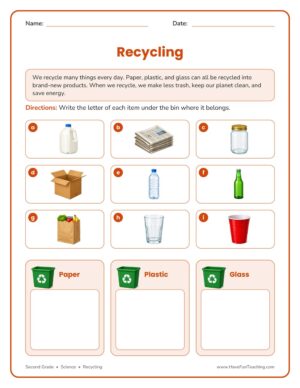
A recycling sort worksheet for second grade, where students sort paper, plastic, and glass items into the correct bins. Includes an answer key—a hands-on Earth Day science activity for classrooms and homeschool.

Worksheet
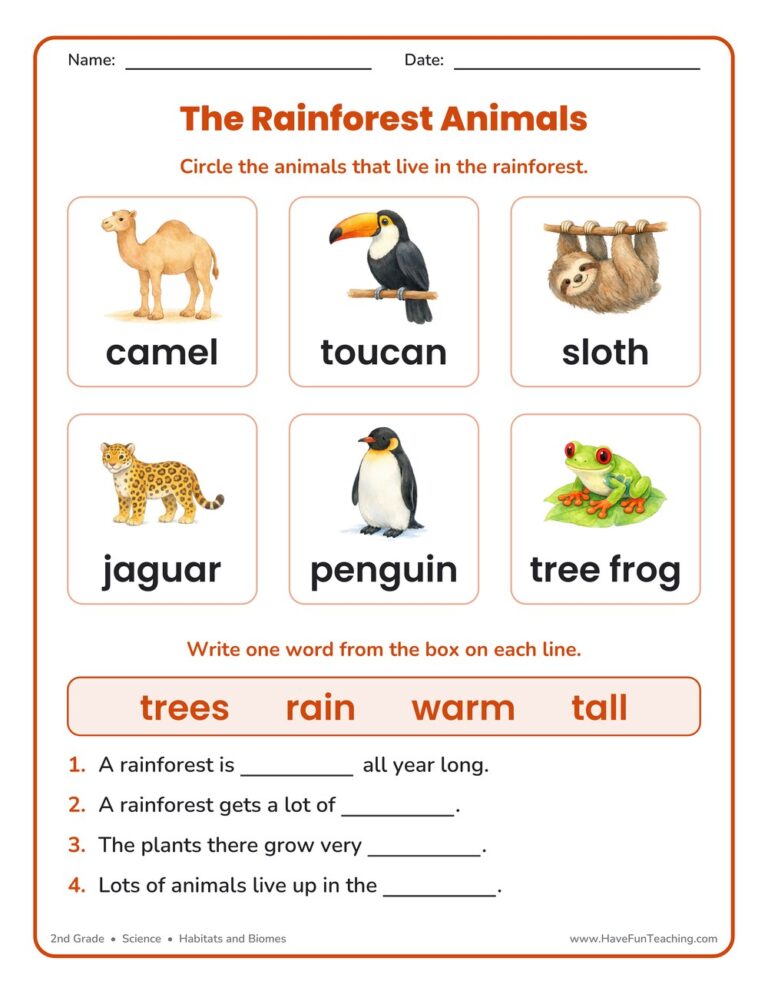
Worksheet2nd GradeRainforest Animals Worksheet

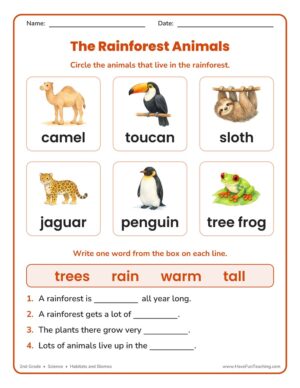
This rainforest animals worksheet asks 2nd Grade students to circle four rainforest animals and finish sentences about their habitat. Answer key included, so habitat practice takes only minutes to assign and check.

Worksheet
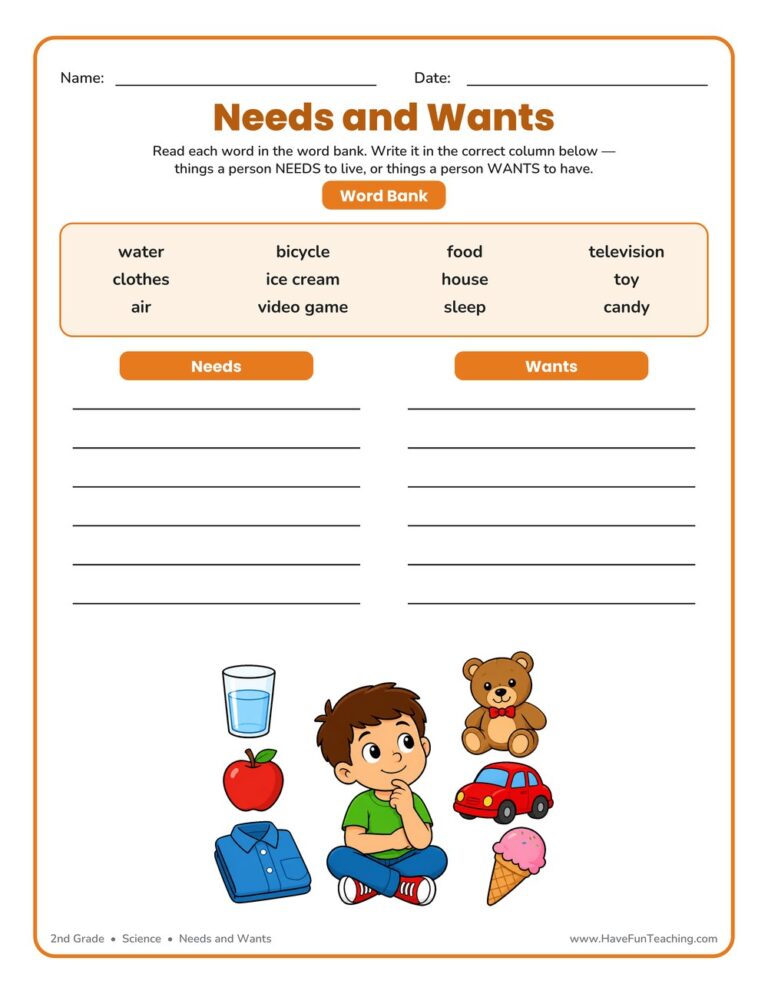
Worksheet2nd GradeNeeds and Wants Sorting Worksheet

This Needs and Wants Sorting Worksheet helps 2nd graders sort a word bank of everyday items into needs and wants. A complete answer key is included—perfect for quick, no-prep practice at home or in class.

Assessment
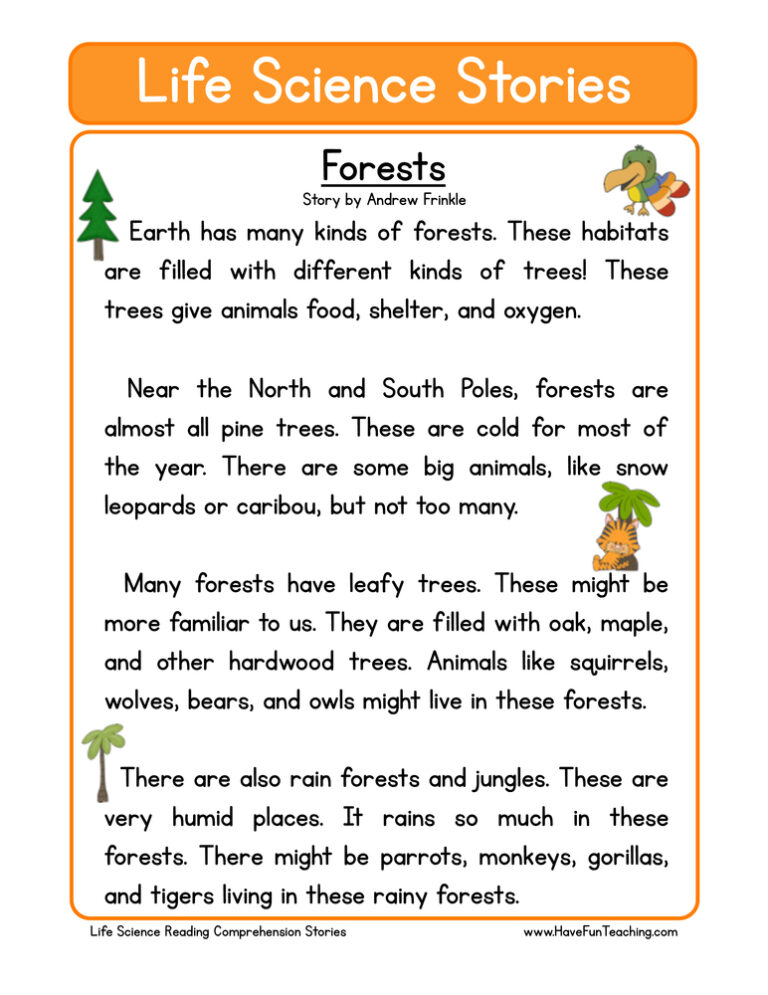
Assessment2nd GradeForests Life Science Reading Comprehension Worksheet

This Forests Life Science Reading Comprehension Worksheet gives 2nd graders a short non-fiction passage about pine, leafy, and rain forests, plus questions and an answer key. Great no-prep practice for main idea and key details.

Worksheet
Worksheet2nd GradeNatural Disasters Matching Worksheet

This Natural Disasters Matching Worksheet gives 2nd Grade students six weather words, six clues to match them to and an answer key, so severe-weather vocabulary is learned by its features.

Assessment
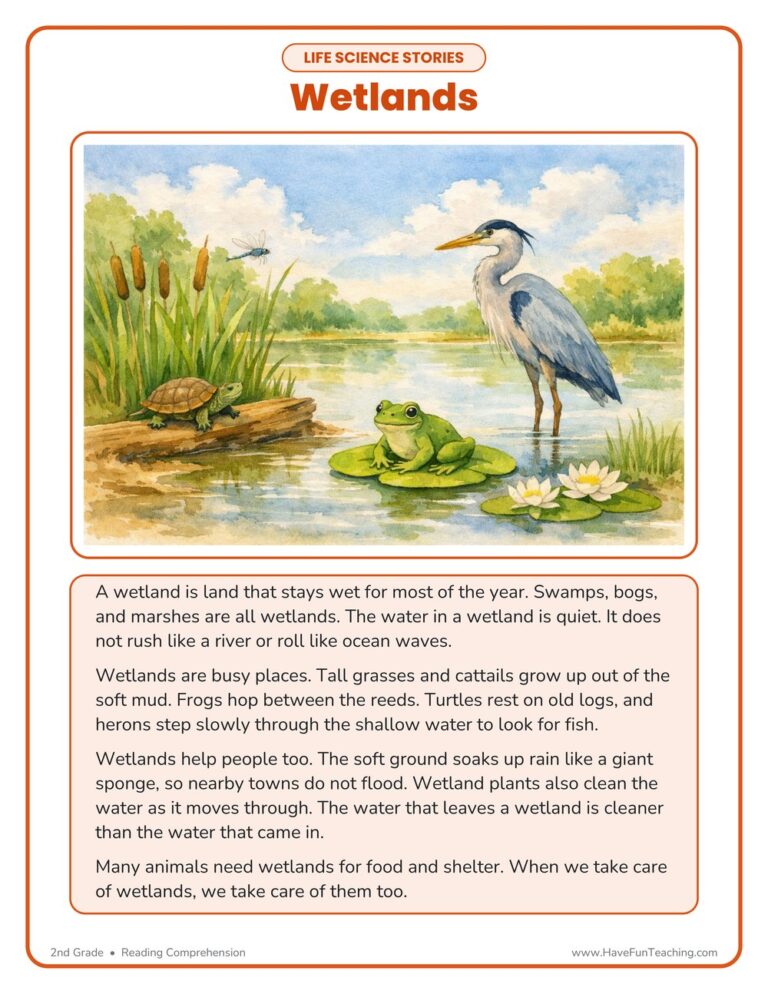
Assessment2nd GradeWetlands Life Science Reading Comprehension Worksheet

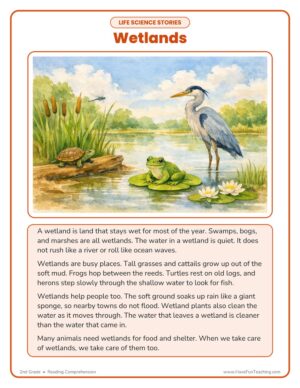
Explore swamps, bogs, and marshes with this wetlands life science reading comprehension worksheet. Second graders read a short nonfiction passage and answer six questions, and an answer key is included, so learning about habitats stays easy and fun.

Assessment
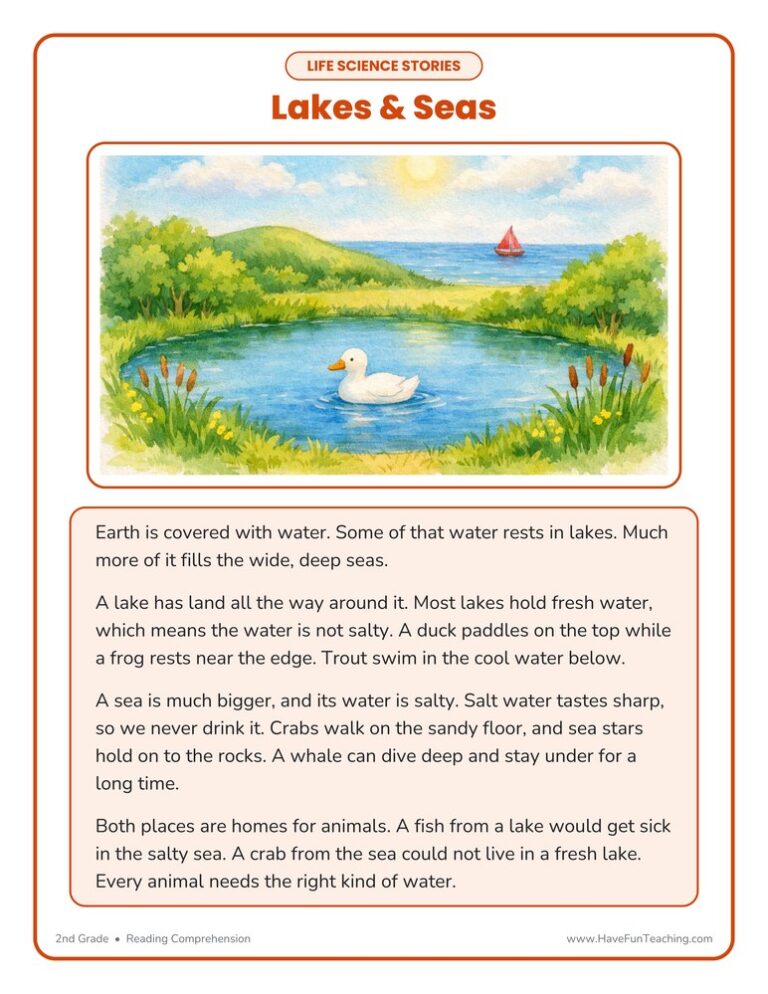
Assessment2nd GradeLakes and Seas Life Science Reading Comprehension Worksheet

This Lakes and Seas Life Science Reading Comprehension Worksheet gives 2nd Grade students an original passage about fresh water and salt water habitats, with bubble, fill-in, and writing questions. Answer key included.

Assessment
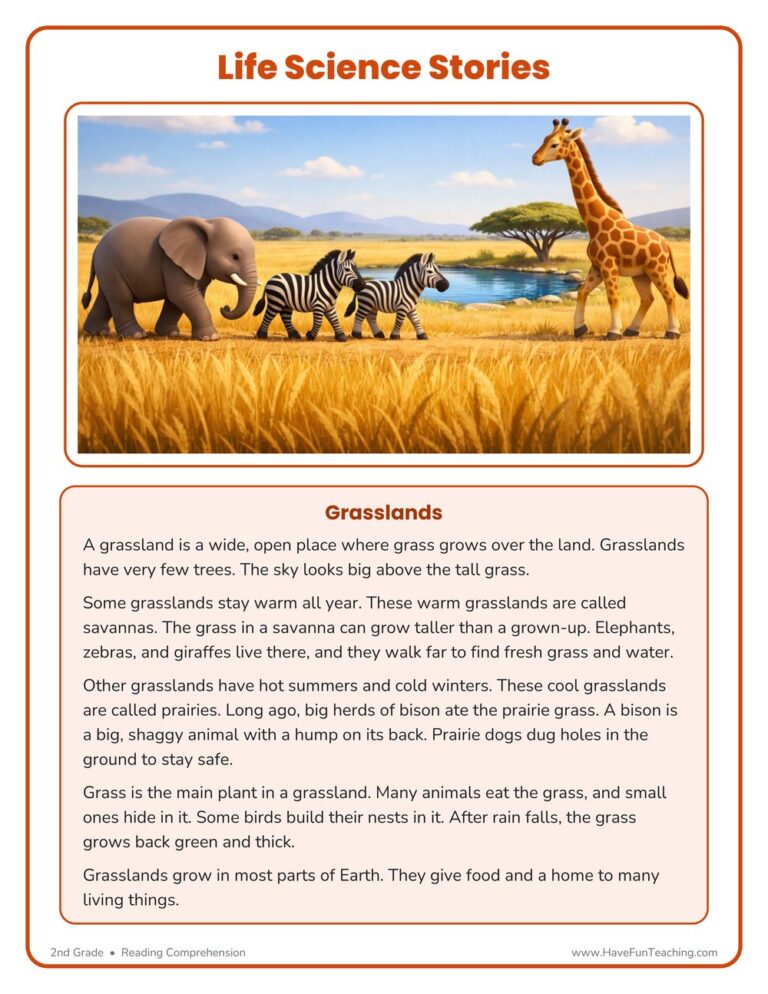
Assessment2nd GradeGrasslands Life Science Reading Comprehension Worksheet

This Grasslands Life Science Reading Comprehension Worksheet gives 2nd Grade readers a nonfiction passage about savannas and prairies, seven text-based questions, and an answer key included for fast checking.

Worksheet
Worksheet2nd GradeButterfly Garden - Reading Comprehension Worksheet

This Butterfly Garden Reading Comprehension Worksheet gives 2nd Grade readers a short nonfiction text about what butterflies need, five questions, and an answer key, so students practice finding evidence in what they read.

From our teachers' playbook

Rainforests, wetlands and everything between

What do 2nd graders learn about environments?

Second graders explore the many kinds of places living things call home: forests, grasslands, wetlands, deserts, lakes and oceans. They compare which plants and animals live in each one and notice that every habitat has different living things: a frog thrives in a wetland, not a desert. They also learn that Earth's land can change, sometimes slowly and sometimes fast, as with floods, earthquakes and storms, and that people can help protect environments by recycling and saving resources. The click moment is when kids can look at an animal and predict the kind of place it lives.

Our favorite ways to teach environments

Environments are easiest to understand side by side. These moves get kids comparing.

Who lives here?

Put up big pictures of a forest, desert, ocean and wetland. Kids tape animal cards to the right habitat and explain one reason. Then they match habitats on their own with the worksheet.

Why it works: pairing a picture with each word gives kids two ways to remember it, a well-tested principle of how people learn (Mayer, 2009).

Matching Animal Habitats WorksheetTry it withMatching Animal Habitats WorksheetWorksheetsOpen it →

Sort the recycling

Bring in clean bottles, cans, paper and trash. Kids sort them into recycling bins and talk about how recycling protects habitats. Hands-on sorting makes caring for the Earth real.

Why it works: kids understand an idea best when they touch it, then draw it, then write it, the order the U.S. Department of Education recommends for elementary math.

Recycling Sort WorksheetTry it withRecycling Sort WorksheetWorksheetsOpen it →

Questions teachers and parents ask

What do 2nd graders learn about environments?

Second graders learn about different habitats like forests, deserts, grasslands, wetlands and oceans, and compare the plants and animals in each. They also learn how land changes and how people can protect the environment.

What is the difference between a habitat and an environment?

An environment is everything around a living thing, including weather, water and land. A habitat is the specific home within that environment where a plant or animal lives.

How do natural disasters change the land?

Floods move soil, volcanoes create new land, earthquakes shift the ground and storms can wash away beaches. Some changes happen in minutes and others take years.

How can kids help protect the environment?

They can recycle, save water, turn off lights, pick up litter and plant trees. Small habits at home and school add up.