Skip to content
Start My 3 Free Days $0 today · cancel anytime

2nd Grade Machines Resources

4 2nd grade machines resources: 2 worksheets and 2 flash cards. How teachers use these

2nd Grade Machines Resources

4 2nd grade machines resources: 2 worksheets and 2 flash cards. How teachers use these

Worksheet
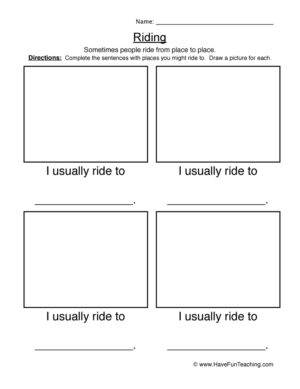
Worksheet2nd GradePeople Riding Transportation Worksheet

This people riding transportation worksheet asks 2nd grade students to name the vehicle in each clue and draw a place they travel to. An answer key is included for fast, easy checking.

Worksheet
Worksheet2nd GradeSimple Machine ABC Order Worksheet

The Simple Machine ABC Order Worksheet helps 2nd graders put ten simple machine words in alphabetical order and compare words letter by letter. An answer key is included, making it perfect for quick, no-prep ABC order practice.

Flash Cards
Flash Cards2nd GradeSimple Machines Flash Cards

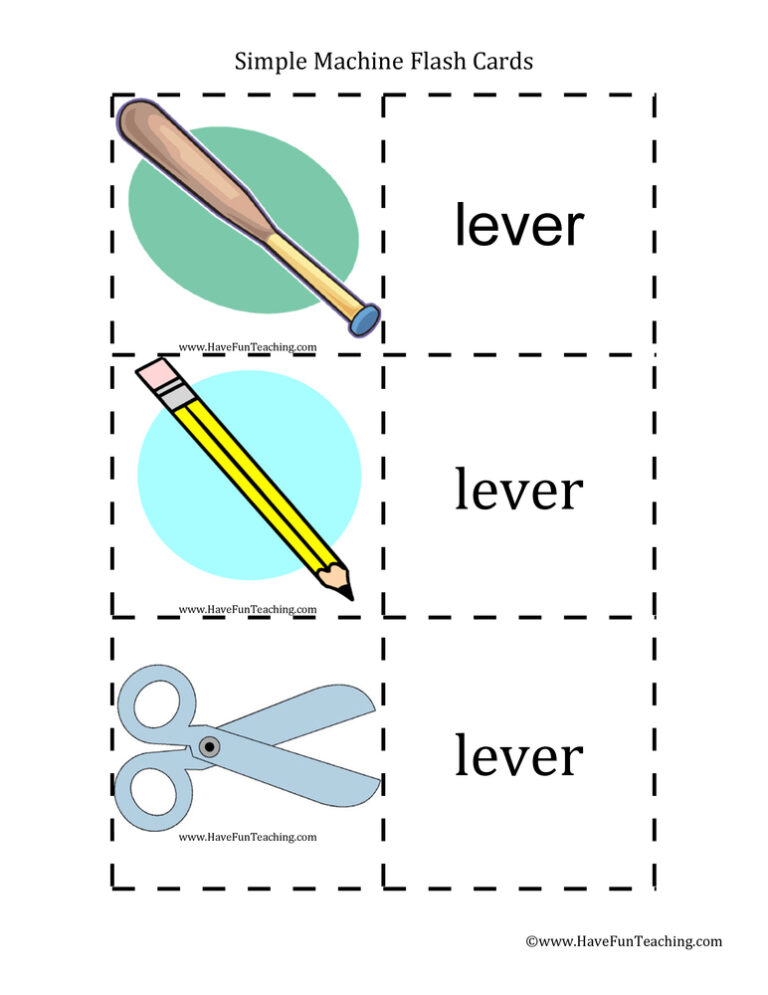
These simple machines flash cards help 1st-3rd grade students learn the six simple machines with diagram cards and everyday object cards. Answer key included.

Flash Cards
Flash Cards2nd GradeSimple and Compound Machines Flash Cards

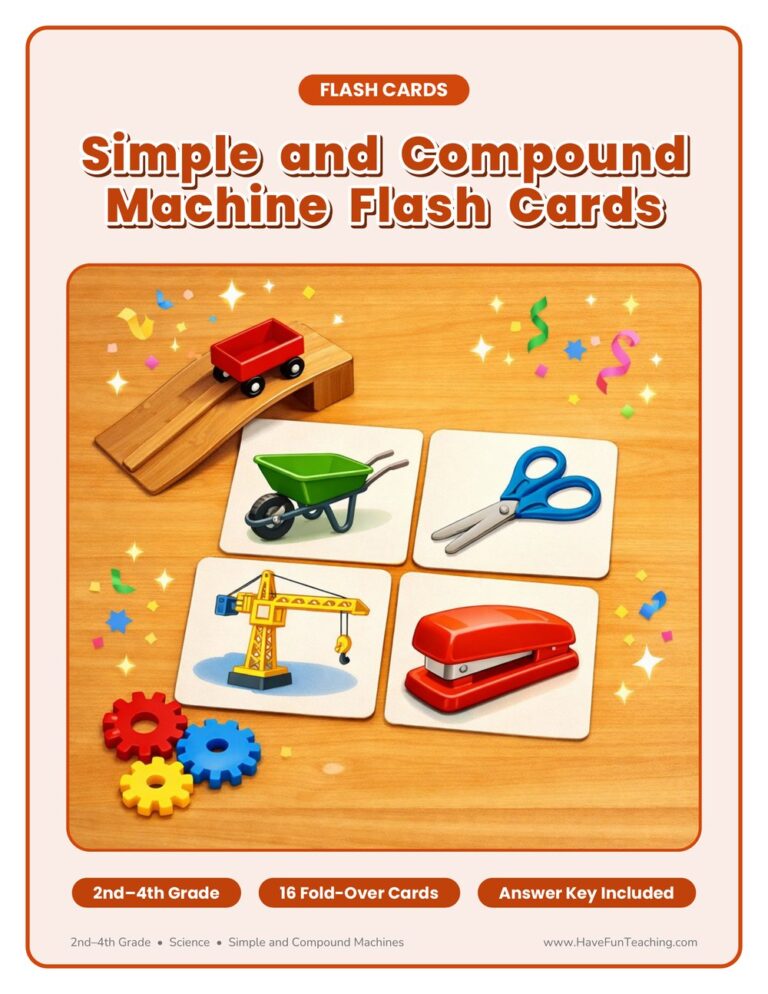
Simple and compound machines flash cards for 2nd to 4th grade: 16 fold-over picture cards, a practice page and an answer key included, so students learn to spot the simple machines inside everyday tools.

From our teachers' playbook

Push, pull and make work easier

What do 2nd graders learn about machines?

Second graders learn that a machine is anything that makes work easier, and that some of the most helpful machines are super simple. They meet the six simple machines: the lever, wheel and axle, pulley, inclined plane, wedge and screw. Then they find them everywhere! A seesaw is a lever, a ramp is an inclined plane and a jar lid is a screw. They also learn that a compound machine, like a bicycle, is made of simple machines working together. The click moment comes when kids realize their playground is full of machines.

Our favorite ways to teach machines in 2nd grade

Kids understand machines best when they can see them, name them and try them.

Ramp test

Lift a book straight up with a rubber band tied to it, then pull it up a ramp. Kids watch the rubber band stretch less on the ramp. Feeling the difference is how they learn that an inclined plane makes work easier.

Why it works: going from real objects to pictures to symbols is a core recommendation of the U.S. Department of Education's elementary math guide.
Simple and Compound Machines Flash CardsTry it withSimple and Compound Machines Flash CardsFlash CardsOpen it →

Machine hunt with picture cards

Show a simple machine card, then send kids on a hunt around the room for a real example. Scissors, doorknobs and pencil sharpeners all count! They sketch what they found and label which machine it is.

Why it works: children learn more from words and pictures together than from words alone (Mayer, 2009).

Simple Machines Flash CardsTry it withSimple Machines Flash CardsFlash CardsOpen it →
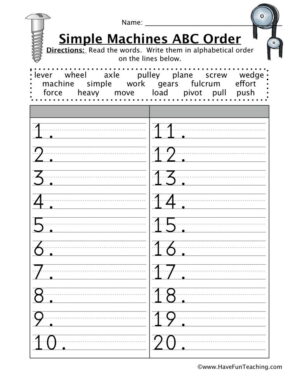
ABC the machines

Once kids know the six names, have them put the words in ABC order and say what each one does. Mixing reading practice with science vocabulary gives both a boost.

Why it works: mixing different kinds of problems in one practice set helped students do far better on a later test (Rohrer and Taylor, 2007).

Simple Machine ABC Order WorksheetTry it withSimple Machine ABC Order WorksheetWorksheetsOpen it →

Questions about teaching machines in 2nd grade

What are the six simple machines?

The lever, wheel and axle, pulley, inclined plane, wedge and screw. Each one helps people push, pull or lift things with less effort. Second graders learn to spot them in everyday objects.

What is a compound machine?

A compound machine is two or more simple machines working together. A bicycle uses wheels and axles, levers and gears. Scissors combine levers and wedges.

How do I explain simple machines to a 7-year-old?

Tell them a machine is a tool that makes work easier. Then show real examples, like a ramp for rolling a heavy box or a seesaw for lifting a friend. Hands-on examples beat definitions.

What is a good simple machines activity for home?

Build a ramp with a board and books and roll toy cars down it. Try different heights and talk about what changes. A machine hunt around the house is fun too.