
Skip to content
Start My 3 Free Days $0 today · cancel anytime

3rd Grade Sequencing Worksheets (Reading)

13 3rd grade sequencing worksheets. Teacher favorites: First Next Then Last Graphic Organizer Worksheet and Beginning, Middle, End Worksheet. How teachers use these

3rd Grade Sequencing Worksheets (Reading)

13 3rd grade sequencing worksheets. Teacher favorites: First Next Then Last Graphic Organizer Worksheet and Beginning, Middle, End Worksheet. How teachers use these

Worksheet
Worksheet3rd GradeFirst Next Then Last Graphic Organizer Worksheet

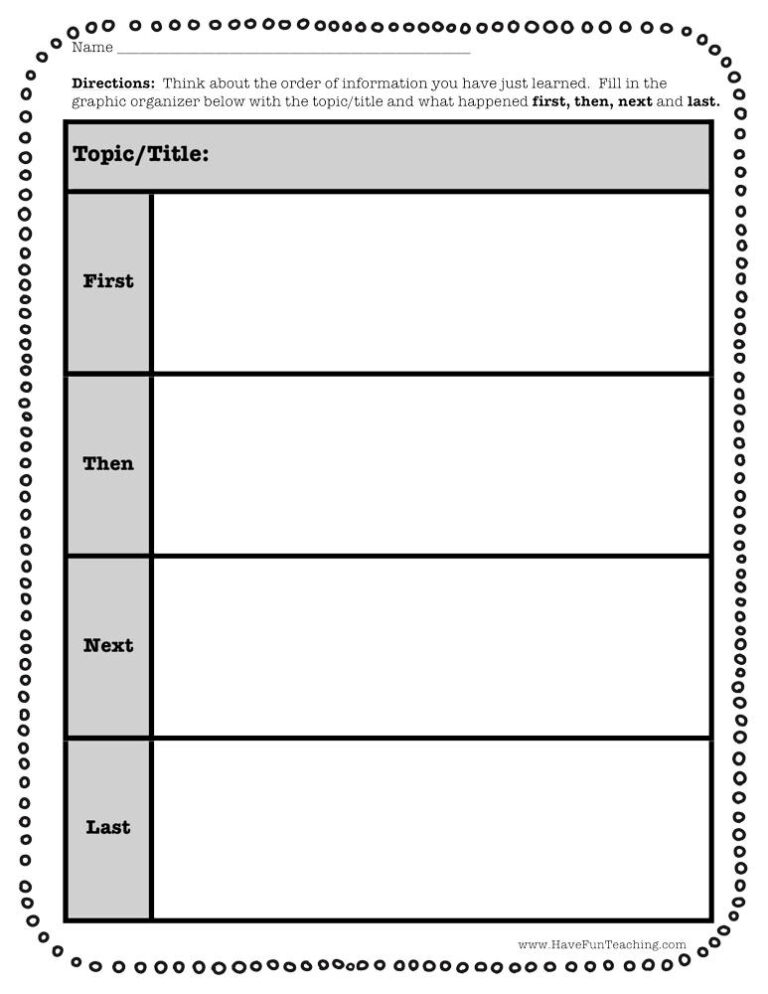
This first next then last graphic organizer worksheet gives 3rd graders four labeled boxes to retell any story or process in order. A flexible, reusable page for stronger sequencing and clearer writing.

Worksheet
Worksheet3rd GradeBeginning, Middle, End Worksheet

A Beginning, Middle, End Worksheet that helps 3rd graders retell one short story in three parts and write a clear summary of each. Includes a complete answer key for quick, no-prep reading practice.

Worksheet
Worksheet3rd GradeSt. Patrick's Day How to Catch a Leprechaun Worksheet

This St. Patrick's Day How to Catch a Leprechaun Worksheet has 3rd graders number six mixed-up how-to steps, then plan a trap of their own. Answer key included for fast, no-prep sequencing practice.

Worksheet
Worksheet3rd GradeSequence and Organized Worksheet

This sequence and organized worksheet helps 3rd Grade students name five events from any story and write about each one in order, building strong retelling and summarizing skills.

Worksheet
Worksheet3rd GradeHow to Make Popcorn Worksheet

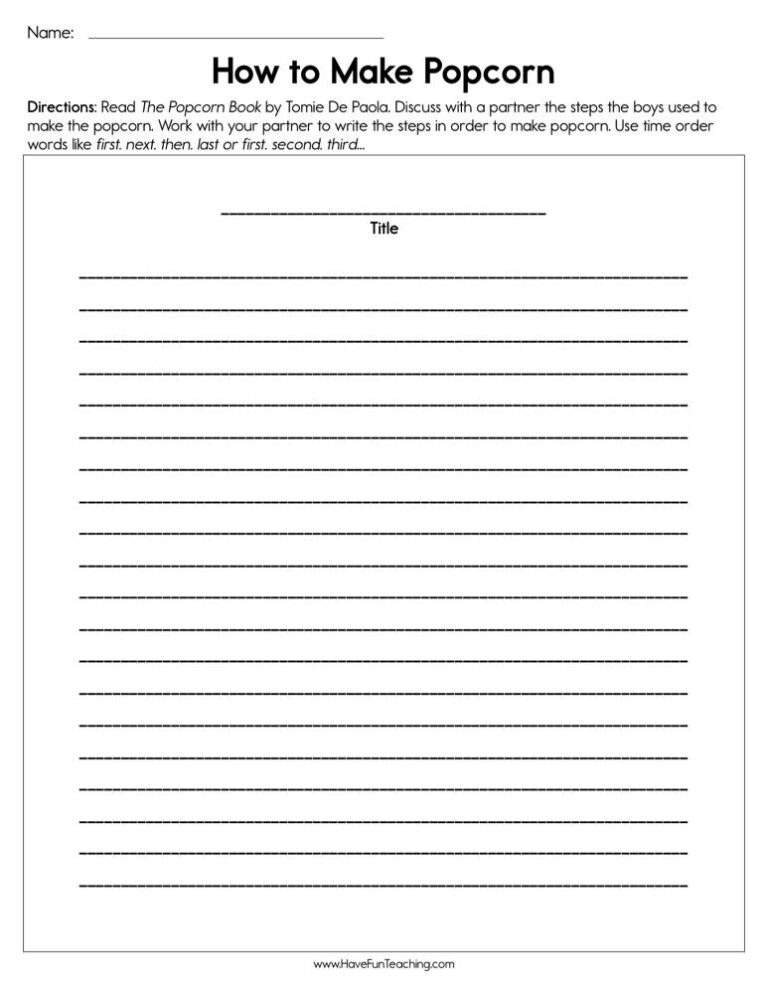
Using How to Make Popcorn Worksheet, studentsreadThe Popcorn Book by Tomie De Paola and write the steps to make popcorn.

Worksheet
Worksheet3rd GradeMorning Routine Sequence Worksheet

A Morning Routine Sequence Worksheet that has 3rd Grade readers number six mixed-up morning events and prove the order with words from the text. Answer key included for fast, no-prep sequencing practice.

Worksheet
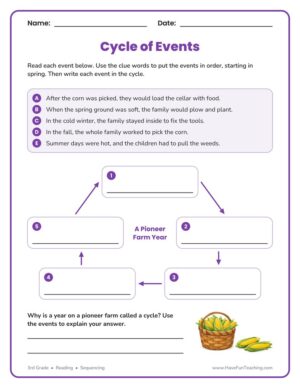
Worksheet3rd GradeSequence of Events Cycle Graphic Organizer

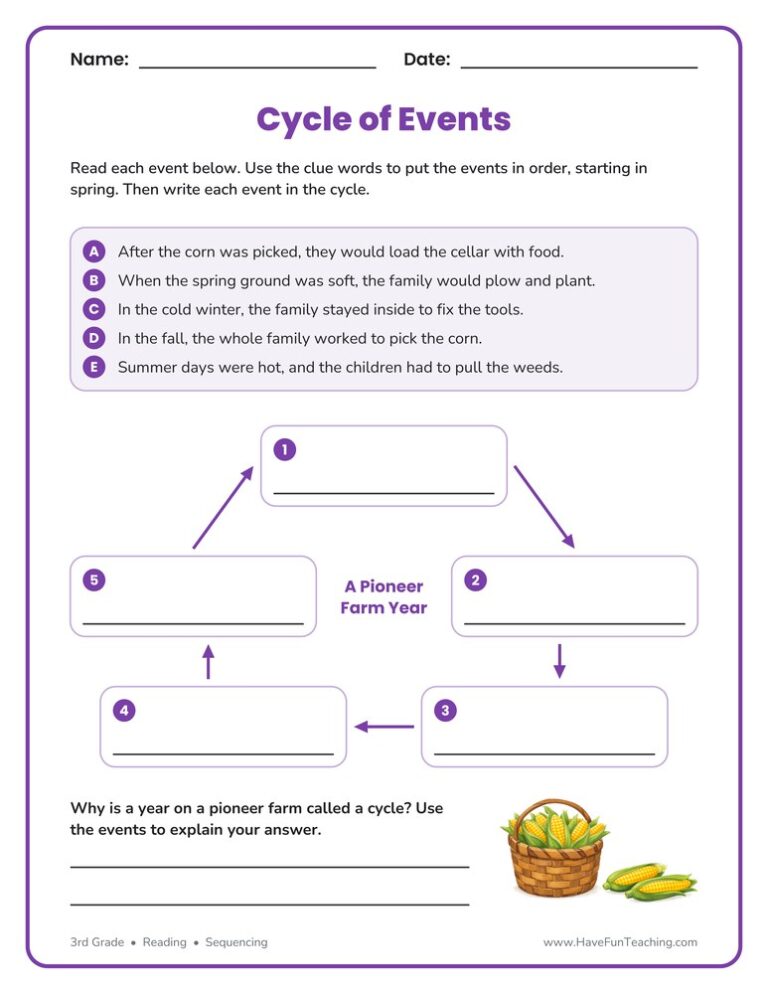
This sequence of events cycle graphic organizer has 3rd grade students order five pioneer farm events by clue words. An answer key is included to make checking quick and easy.

Worksheet
Worksheet3rd GradeCompare and Contrast Chronology of Events Graphic Organizer Worksheet

A compare and contrast chronology of events graphic organizer where 3rd graders record the first, next, and last events in two texts, then explain how the order compares. Works with any pair of books.

Worksheet
Worksheet3rd GradeHistorical Events Order of Events Worksheet

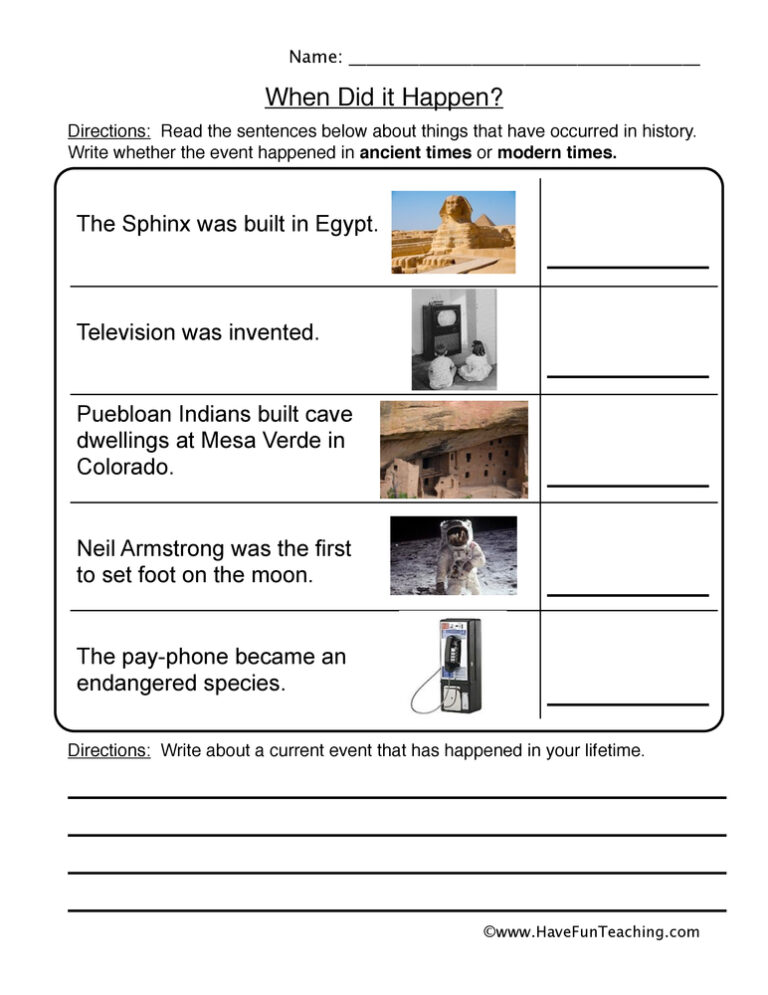
This historical events order of events worksheet gives 3rd graders five real events to place in order and four more to label ancient or modern. An answer key is included, so checking work takes only seconds.

Worksheet
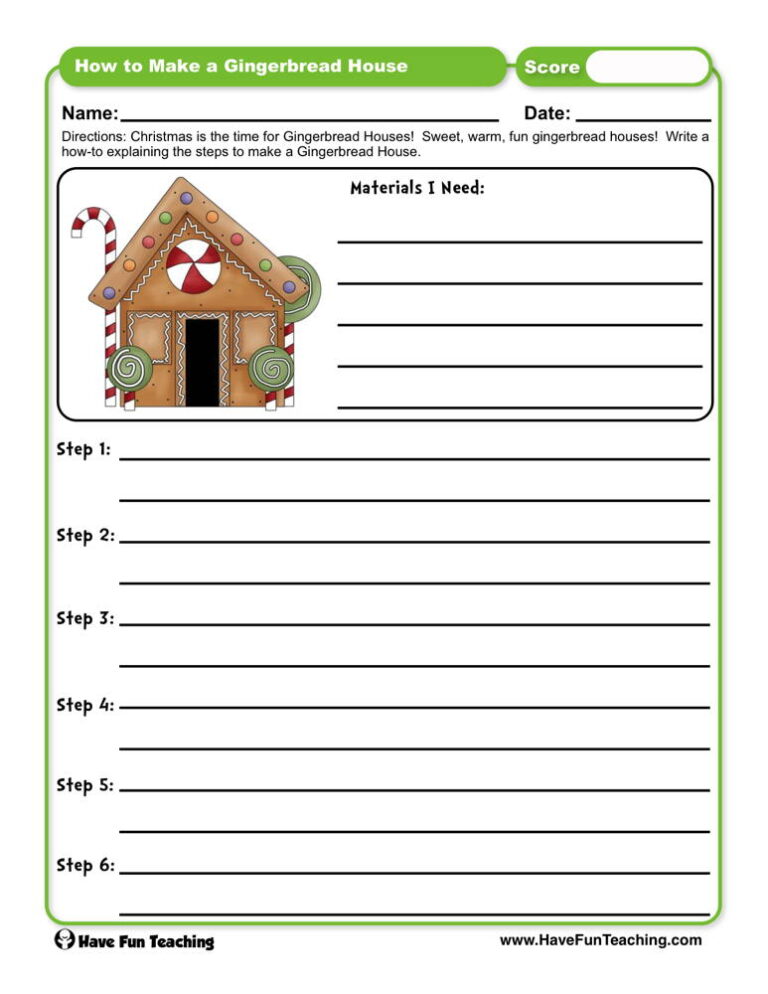
Worksheet3rd GradeHow to Make a Gingerbread House Worksheet

This how to make a gingerbread house worksheet has 3rd graders number six mixed-up steps in order, then plan their own how-to with sequencing words. An answer key is included.

Worksheet
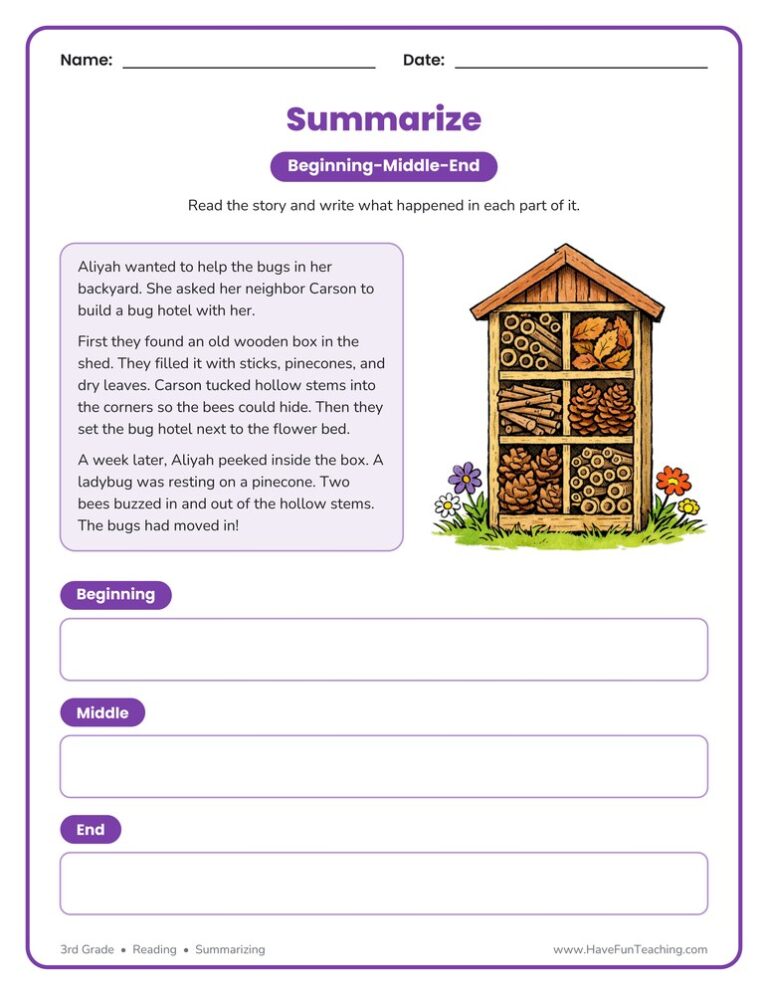
Worksheet3rd GradeInsect Beginning, Middle, End Worksheet

Use this insect beginning, middle, end worksheet to help 3rd graders summarize a short bug hotel story in three parts. An answer key is included, so checking work is quick and easy.

Worksheet
Worksheet3rd GradeSequencing Events Organizer Worksheet

This sequencing events organizer worksheet gives 3rd grade students five Beginning, Middle and End sections to plan or retell a story in order using time-order words.

Worksheet
Worksheet3rd GradeBeginning and Ending of a Story Worksheet

Use this beginning and ending of a story worksheet with any book your 3rd grade class reads. Students record the characters, the problem, and how the story starts and ends to build strong plot skills.

From our teachers' playbook

First, then, finally: the story unfolds!

What do 3rd graders learn about sequencing in reading?

Third graders go beyond "first, next, last." They track how events in a story build on each other, explaining how one action causes the next, and use transition words like meanwhile, after that and finally. They also sequence steps in how-to texts and events in history passages. Retelling in order helps them summarize and find the lesson of fables and folktales. The click moment comes when a student explains, "Because the wolf blew down the first house, the pigs ran to the second one."

Our favorite ways to make sequencing stick

Third graders understand sequence best when they see how events connect. These moves show the chain.

Fill the story chain

After reading, kids fill a first, next, then, last organizer with key events only. Then they add one transition word to each box and retell aloud. Choosing just the key events trains them to summarize.

Why it works: the U.S. Department of Education's guide for teaching elementary math recommends moving from hands-on objects to drawings to numbers.

First Next Then Last Graphic Organizer WorksheetTry it withFirst Next Then Last Graphic Organizer WorksheetWorksheetsOpen it →
Draw the cycle

For texts that loop, like life cycles or daily routines, use a circular organizer. Kids sketch each step and draw arrows. Seeing the circle helps them understand that some sequences repeat.

Why it works: pairing a picture with each word gives kids two ways to remember it, a well-tested principle of how people learn (Mayer, 2009).

Sequence of Events Cycle Graphic OrganizerTry it withSequence of Events Cycle Graphic OrganizerWorksheetsOpen it →

Write a how-to

Model writing the steps for making popcorn, using words like first and then. Have a volunteer follow your steps exactly, even the silly mistakes. Kids quickly learn why clear order matters.

Why it works: handing over the work step by step, from teacher to student, is one of the most widely used teaching frameworks (Pearson and Gallagher, 1983).

How to Make Popcorn WorksheetTry it withHow to Make Popcorn WorksheetWorksheetsOpen it →

Questions teachers and parents ask

What is sequencing in 3rd grade reading?

It's putting events or steps in the order they happen and explaining how they connect. Third graders sequence story events, how-to steps and historical events.

What transition words help with sequencing?

Words like first, next, then, after that, meanwhile, later and finally help readers and writers show the order of events.

Why is sequencing important for comprehension?

Knowing the order of events helps students understand cause and effect, summarize and retell a story, and follow directions in informational texts.

How can I practice sequencing at home?

Ask your child to retell a movie or their day in order using transition words. Cooking together and following a recipe step by step works great too.



