
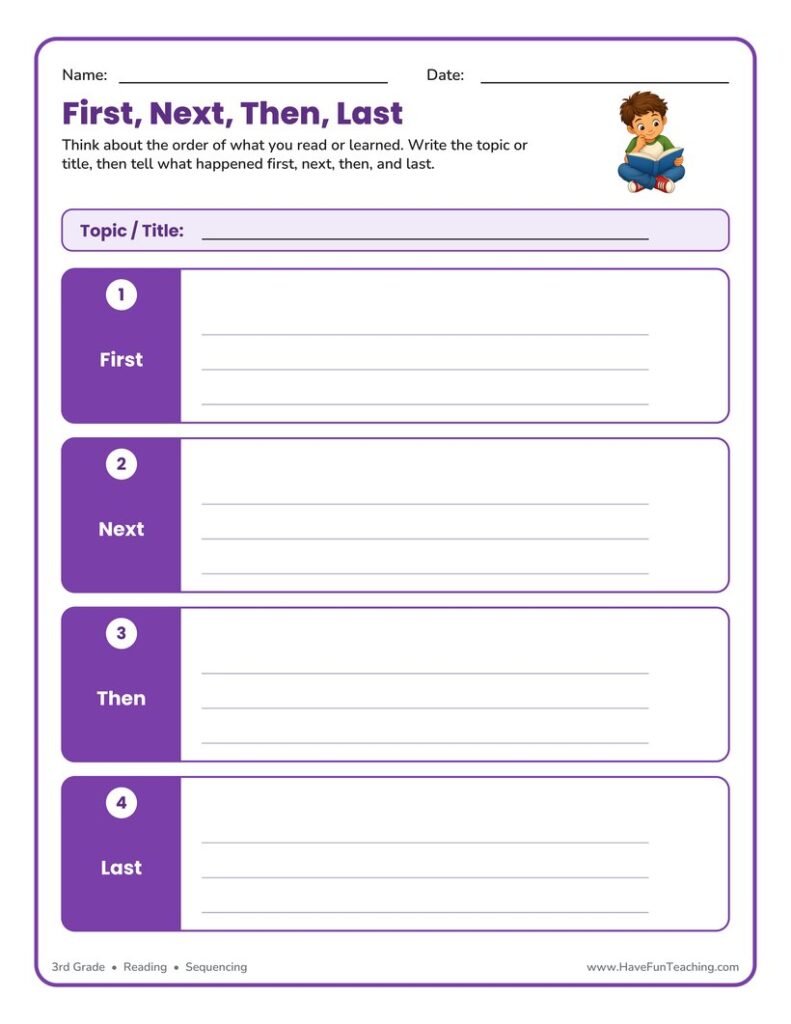
First Next Then Last Graphic Organizer Worksheet
This first next then last graphic organizer worksheet gives 3rd graders four labeled boxes to retell any story or process in order. A flexible, reusable page for stronger sequencing and clearer writing.
$6.97
Or free with a membership — members pay $3.33/mo for all 10,000+ resources. See plans
Want this one free?
Tell us where to send it and it’s yours — no card, no catch.
One free resource per teacher. We’ll also send free teaching ideas each week — unsubscribe anytime.
Teaching is easier with a membership
Unlimited printables, games & videos for PreK–6th — for your classroom or homeschool. Cancel anytime.
Start your 3-day free trial$0 today · cancel anytime · Instant access to 10,000+ resources
About this resource
Description
Retelling events in the right order is a core reading and writing skill, and this first next then last graphic organizer worksheet gives third graders a simple structure for doing it. After reading a story or learning about a process, students capture the topic and then break it into four clear stages — first, next, then, and last. Laying the steps out in order helps children see how one event leads to another and makes their retellings clearer and more complete.
This sequencing graphic organizer worksheet is designed to be flexible. A topic or title line sits at the top, followed by four roomy boxes labeled First, Next, Then, and Last, each numbered so the order is easy to follow. Students write or draw what happened at each stage in their own words. Use it with a read-aloud, an independent reading book, a science or social studies lesson, or a how-to activity such as making a sandwich or planting a seed.
What’s Included
- 1 print-ready PDF worksheet
- A topic or title line
- Four numbered sequencing boxes: First, Next, Then, and Last
Teachers keep this first next then last graphic organizer worksheet on hand for three reasons. First, the numbered boxes give young writers a visual roadmap, so even reluctant students know exactly where to begin. Second, because children fill it in with their own reading or experiences, the same page works for countless stories and lessons throughout the year. Third, the open writing space lets students practice sentences, sequencing words, and neat handwriting all at once, turning a quick retell into meaningful writing practice.
To extend the activity, invite students to circle the sequencing words — first, next, then, and last — in their finished writing, or to swap papers and retell a partner’s steps aloud. Families can use the organizer after reading a bedtime story or finishing an everyday routine, like getting ready for school. You can also turn it into a speaking activity by having children act out each stage in order before they write.
Related Resources
What teachers say
Reviews
You must be logged in to post a review.
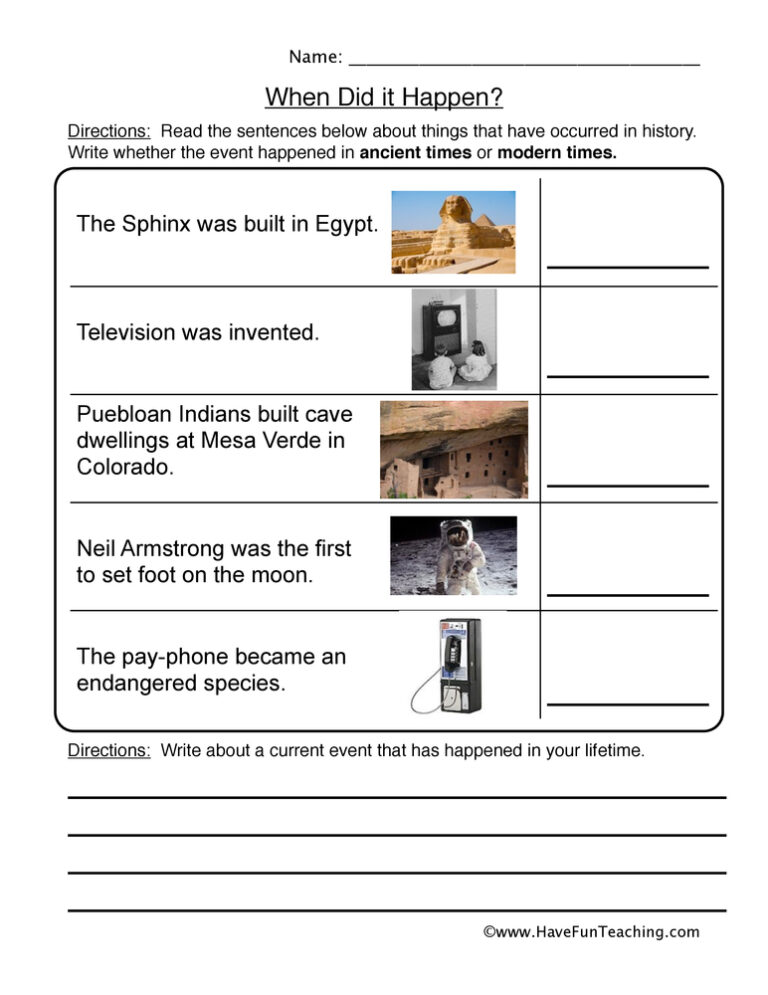
This historical events order of events worksheet gives 3rd graders five real events to place in order and four more to label ancient or modern. An answer key is included, so checking work takes only seconds.


A Beginning, Middle, End Worksheet that helps 3rd graders retell one short story in three parts and write a clear summary of each. Includes a complete answer key for quick, no-prep reading practice.
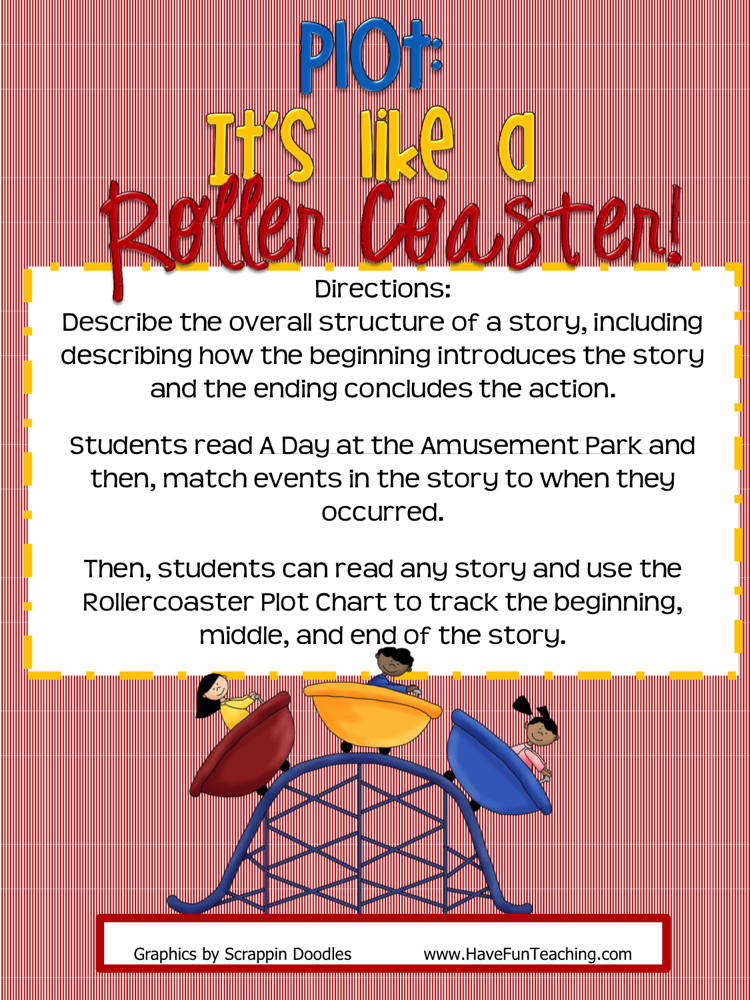
Using Beginning Middle End Plot Activity, students describe the overall structure of a story, including describing how the beginning introduces the story and the ending concludes the action.
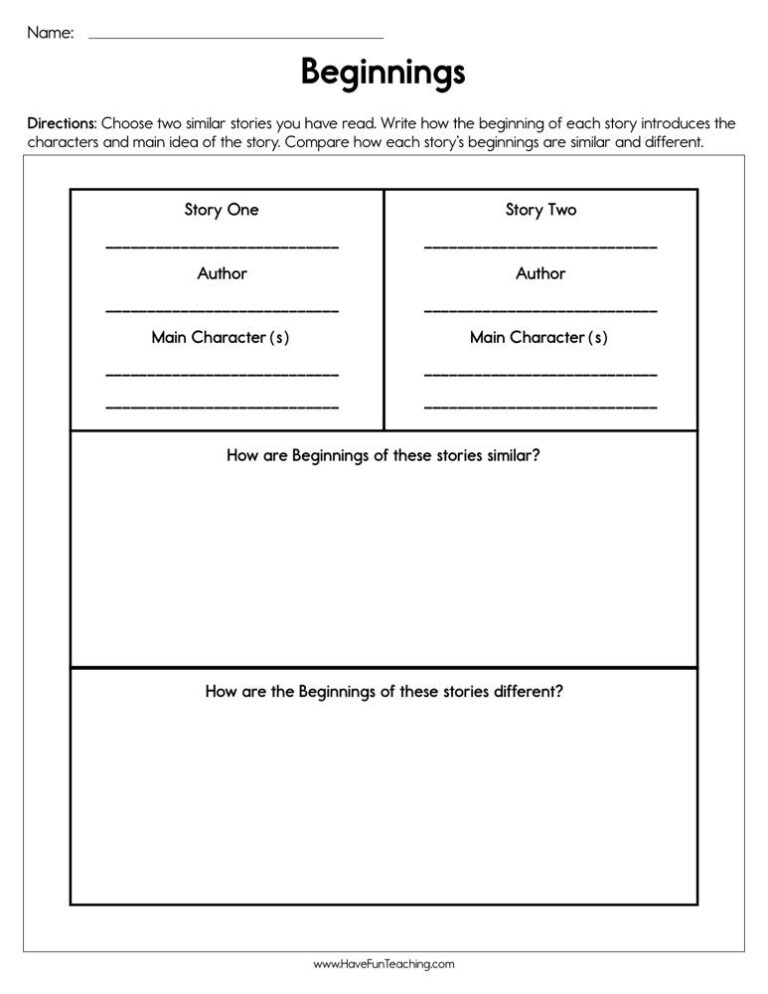
Using Beginnings Worksheet, students write how the beginning of each story introduces the characters and main idea of the story to compare the two similar stories read.

Use this beginning and ending of a story worksheet with any book your 3rd grade class reads. Students record the characters, the problem, and how the story starts and ends to build strong plot skills.

This St. Patrick's Day How to Catch a Leprechaun Worksheet has 3rd graders number six mixed-up how-to steps, then plan a trap of their own. Answer key included for fast, no-prep sequencing practice.
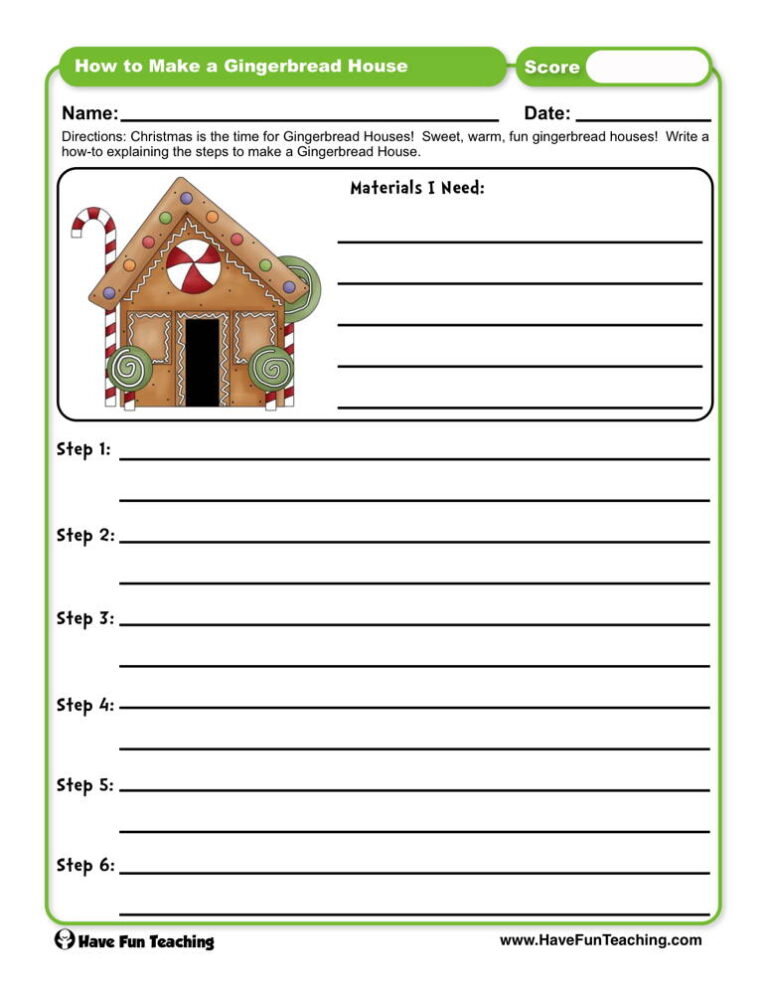
This how to make a gingerbread house worksheet has 3rd graders number six mixed-up steps in order, then plan their own how-to with sequencing words. An answer key is included.

A Morning Routine Sequence Worksheet that has 3rd Grade readers number six mixed-up morning events and prove the order with words from the text. Answer key included for fast, no-prep sequencing practice.
Using What's the Moral of the Story Activity,students recount fables and folktales from diverse cultures, and determine their central message, lesson, or moral.
Using Describing Characters Beginning Middle and End Activity, students describe the overall structure of a story, including describing how the beginning introduces the story and the ending concludes the action.
Using How to Make Popcorn Worksheet, studentsreadThe Popcorn Book by Tomie De Paola and write the steps to make popcorn.
Reviews
There are no reviews yet