
3 days free
Ready for the whole library?
You’ve had your freebie — but members download 10,000+ resources for every grade, all year long. Try it free — $0 today, cancel anytime.
Free for teachers
Pick your grade. We’ll send 10 free resources.
Worksheets, activities and a video — picked for your classroom, ready to print tonight.
One free bundle per teacher. We’ll also send free teaching ideas each week — unsubscribe anytime.

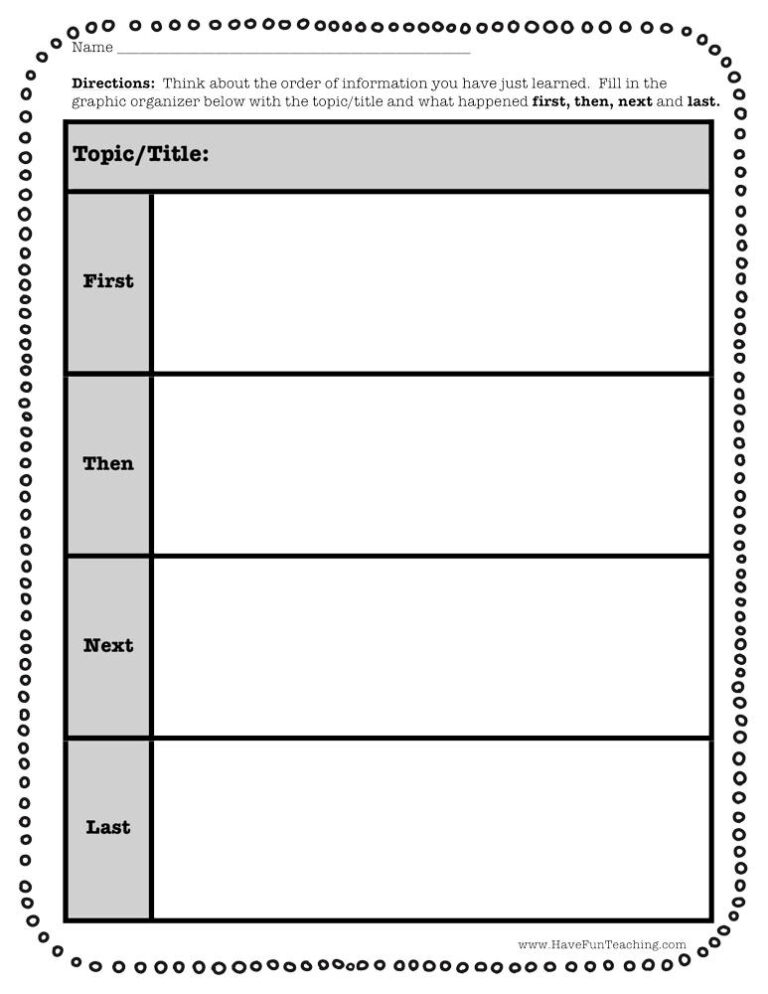
This first next then last graphic organizer worksheet gives 3rd graders four labeled boxes to retell any story or process in order. A flexible, reusable page for stronger sequencing and clearer writing.
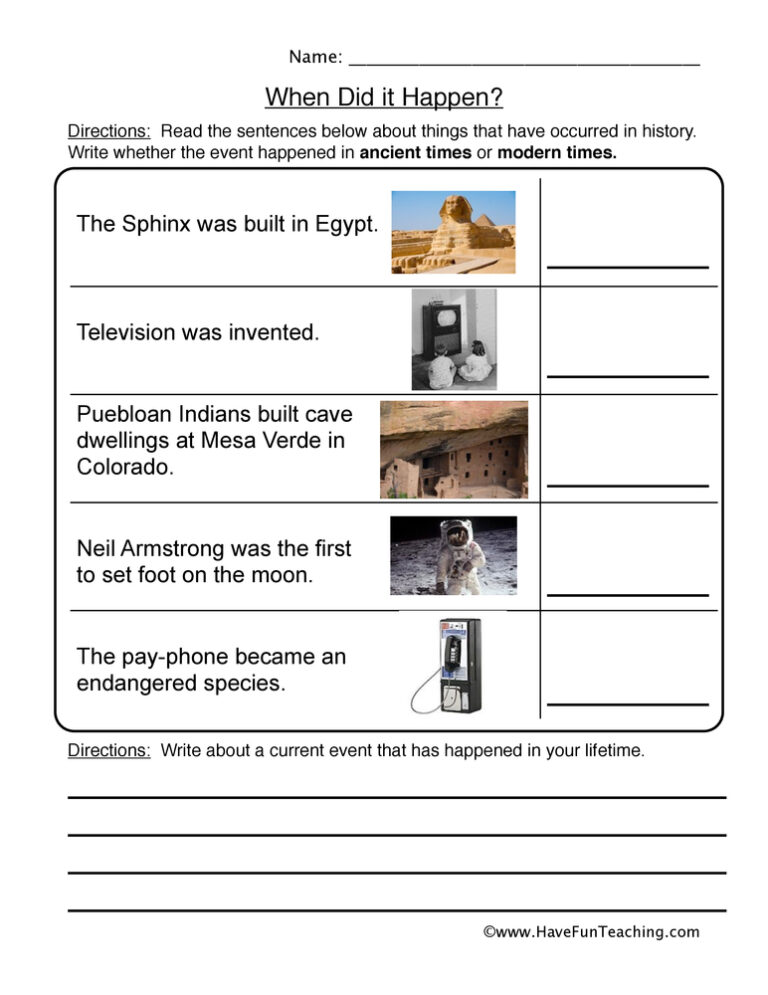
This historical events order of events worksheet gives 3rd graders five real events to place in order and four more to label ancient or modern. An answer key is included, so checking work takes only seconds.


A Beginning, Middle, End Worksheet that helps 3rd graders retell one short story in three parts and write a clear summary of each. Includes a complete answer key for quick, no-prep reading practice.
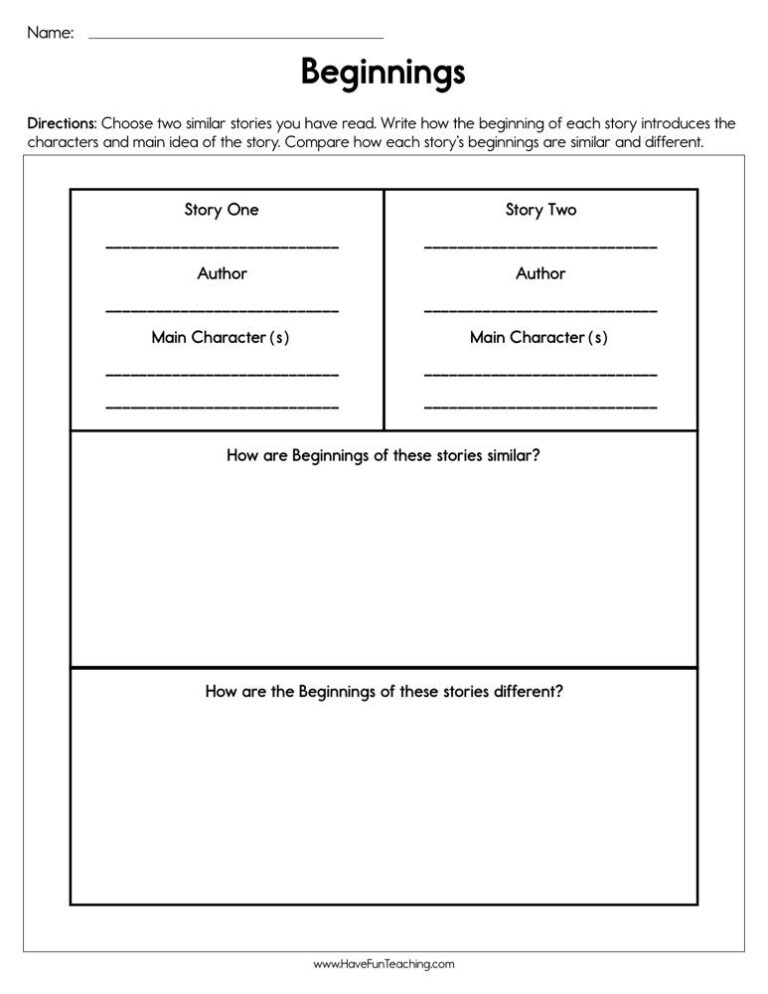
Using Beginnings Worksheet, students write how the beginning of each story introduces the characters and main idea of the story to compare the two similar stories read.

Use this beginning and ending of a story worksheet with any book your 3rd grade class reads. Students record the characters, the problem, and how the story starts and ends to build strong plot skills.

This St. Patrick's Day How to Catch a Leprechaun Worksheet has 3rd graders number six mixed-up how-to steps, then plan a trap of their own. Answer key included for fast, no-prep sequencing practice.
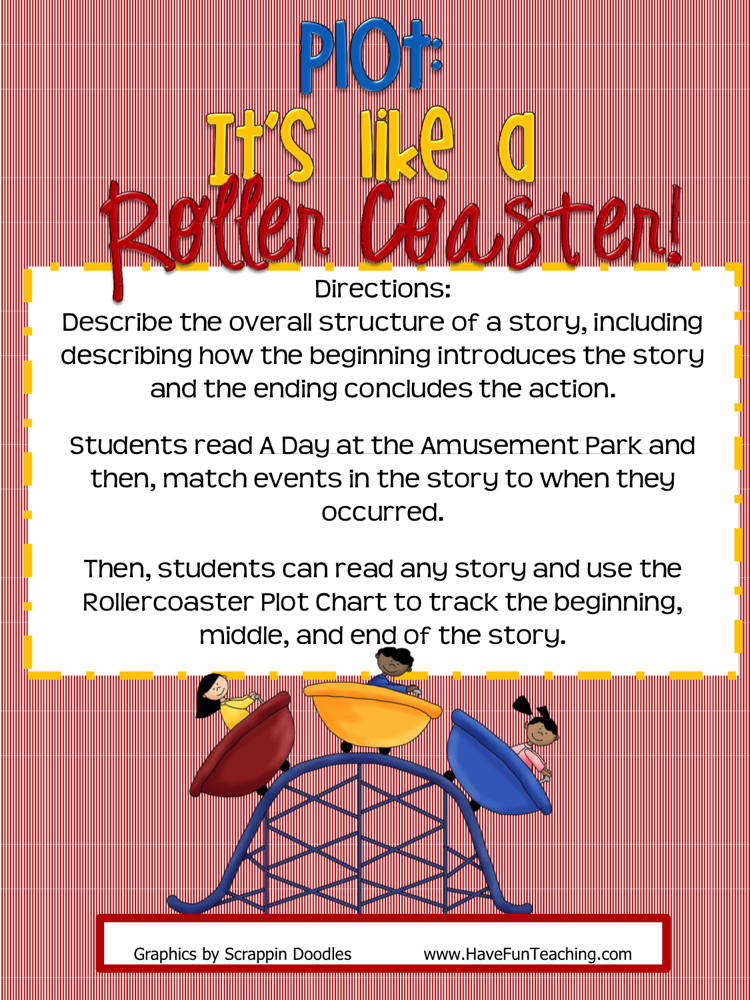
Using Beginning Middle End Plot Activity, students describe the overall structure of a story, including describing how the beginning introduces the story and the ending concludes the action.
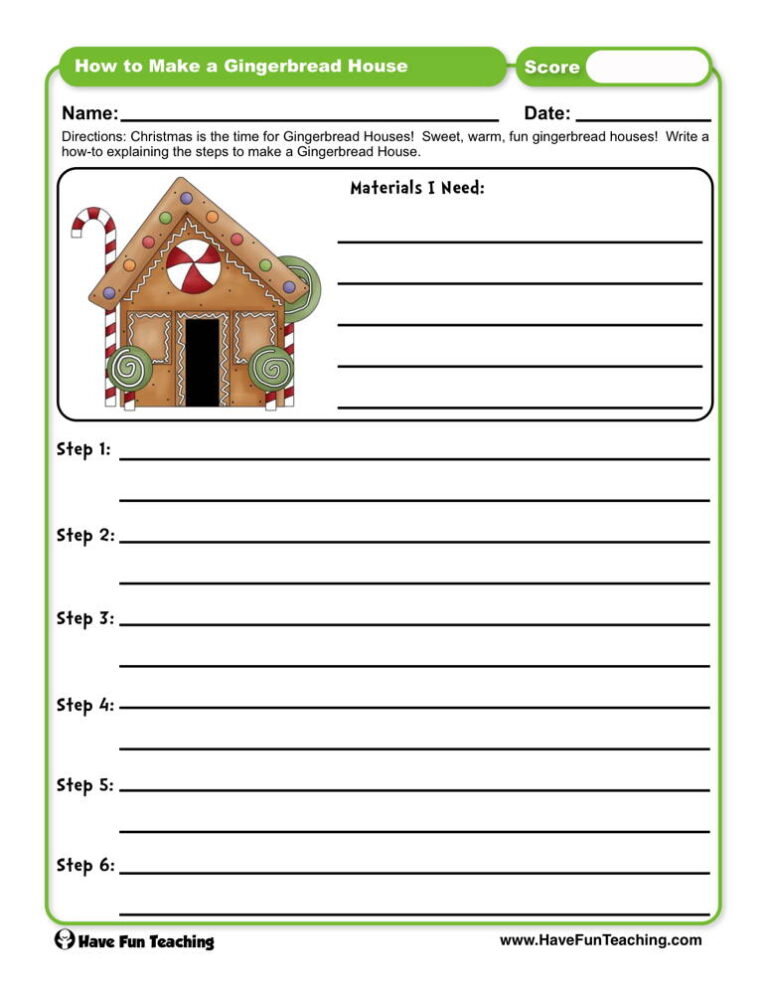
This how to make a gingerbread house worksheet has 3rd graders number six mixed-up steps in order, then plan their own how-to with sequencing words. An answer key is included.

A Morning Routine Sequence Worksheet that has 3rd Grade readers number six mixed-up morning events and prove the order with words from the text. Answer key included for fast, no-prep sequencing practice.
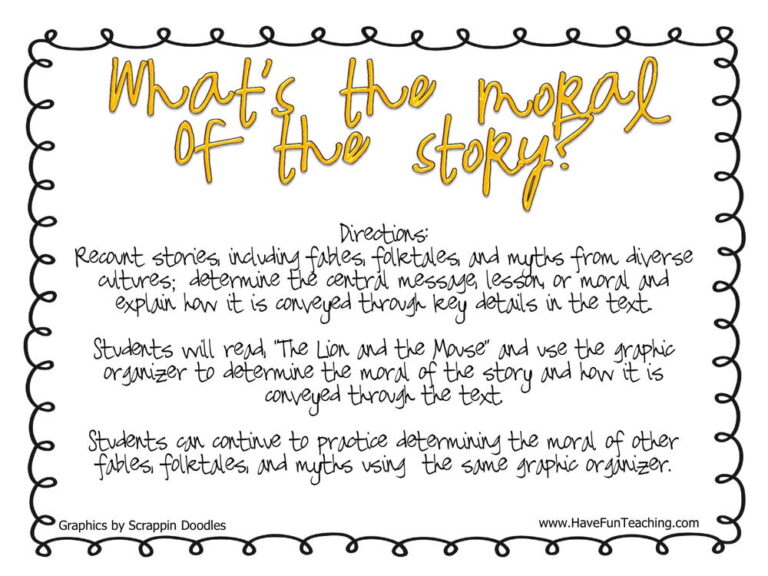
Using What's the Moral of the Story Activity,students recount fables and folktales from diverse cultures, and determine their central message, lesson, or moral.
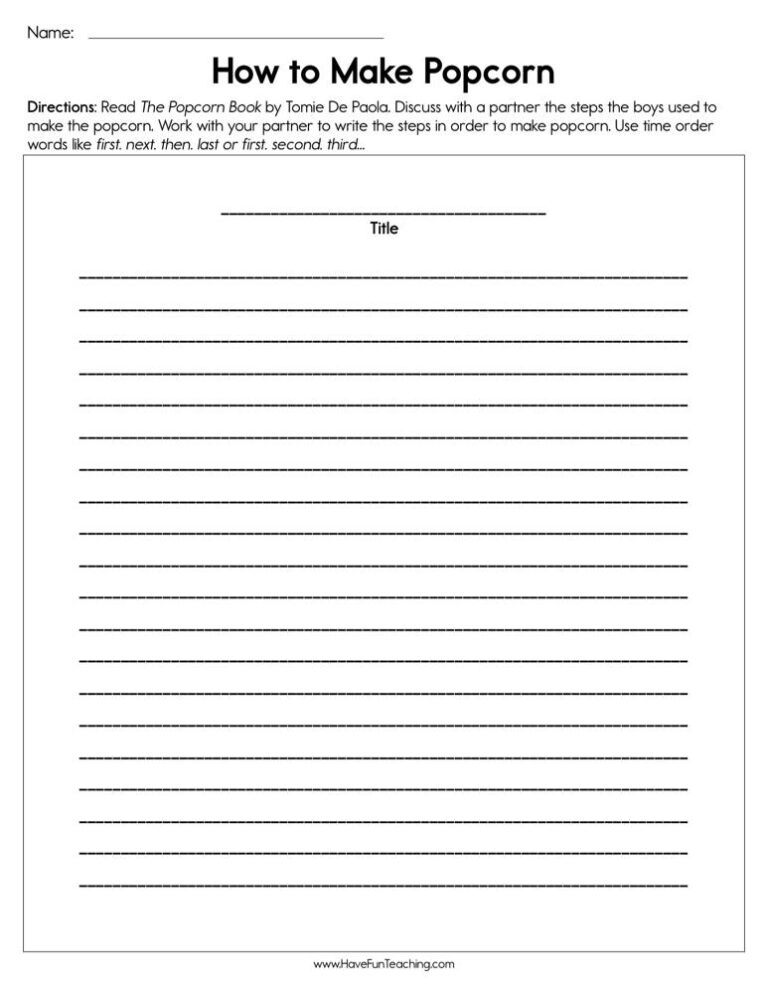
Using How to Make Popcorn Worksheet, studentsreadThe Popcorn Book by Tomie De Paola and write the steps to make popcorn.
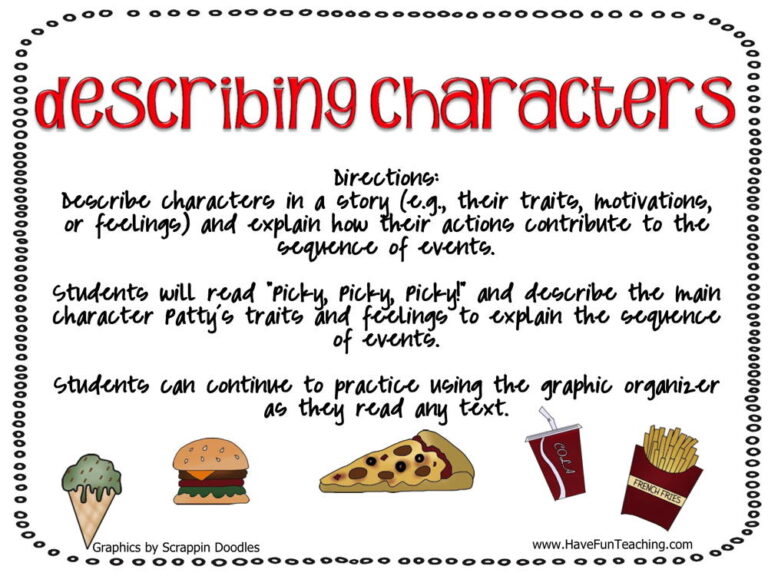
Using Describing Characters Beginning Middle and End Activity, students describe the overall structure of a story, including describing how the beginning introduces the story and the ending concludes the action.

Using Beginnings and Endings Worksheet, students write about the beginning and end of the story to show the purpose of each.
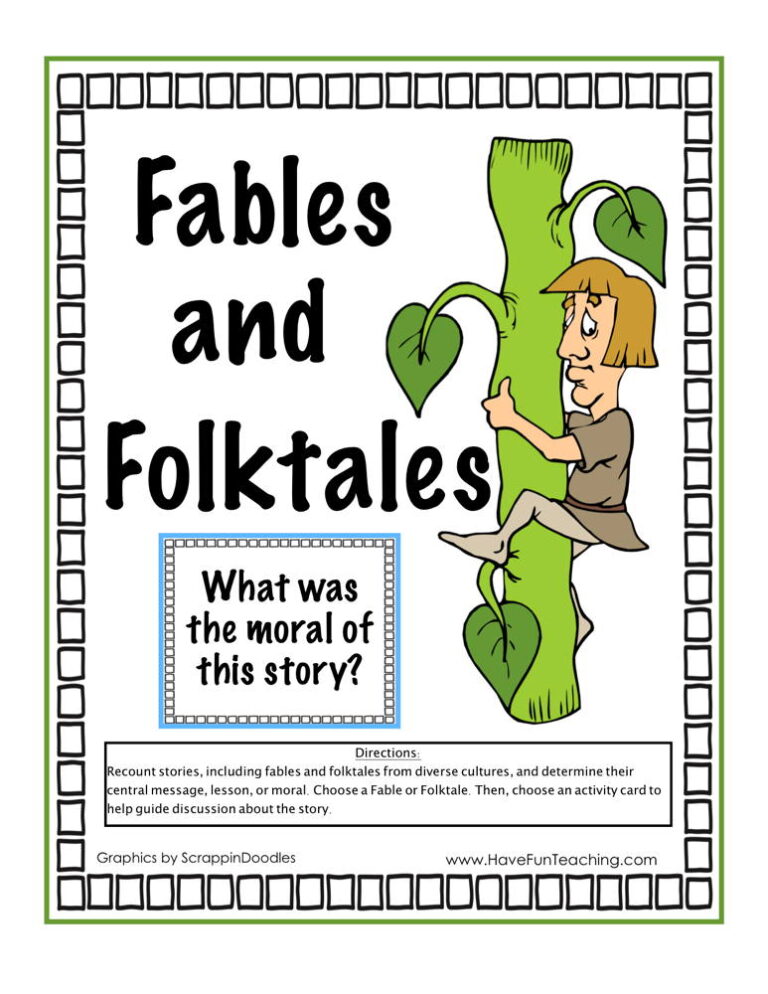
Using Fables and Folktales Activity,students recount fables and folktales from diverse cultures, and determine their central message, lesson, or moral.
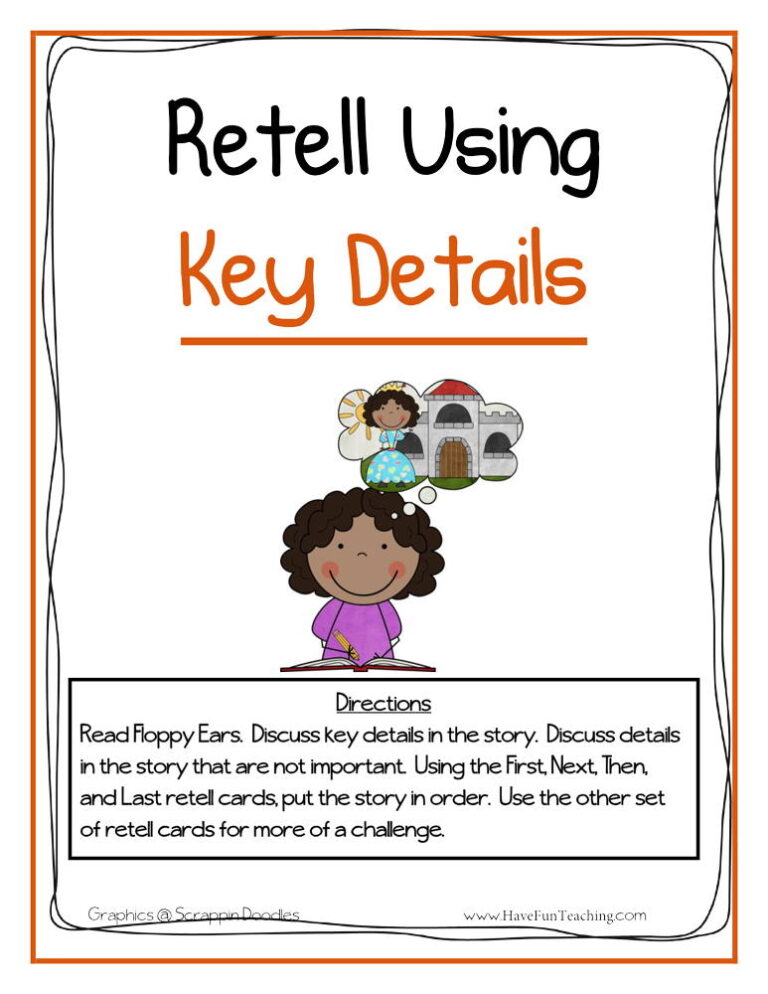
Using Retelling Using Key Details Activity,students read Floppy Ears to retell the story by putting key events in order.

Using this Sequence and Organized Worksheet, students describe the four major events while reading.
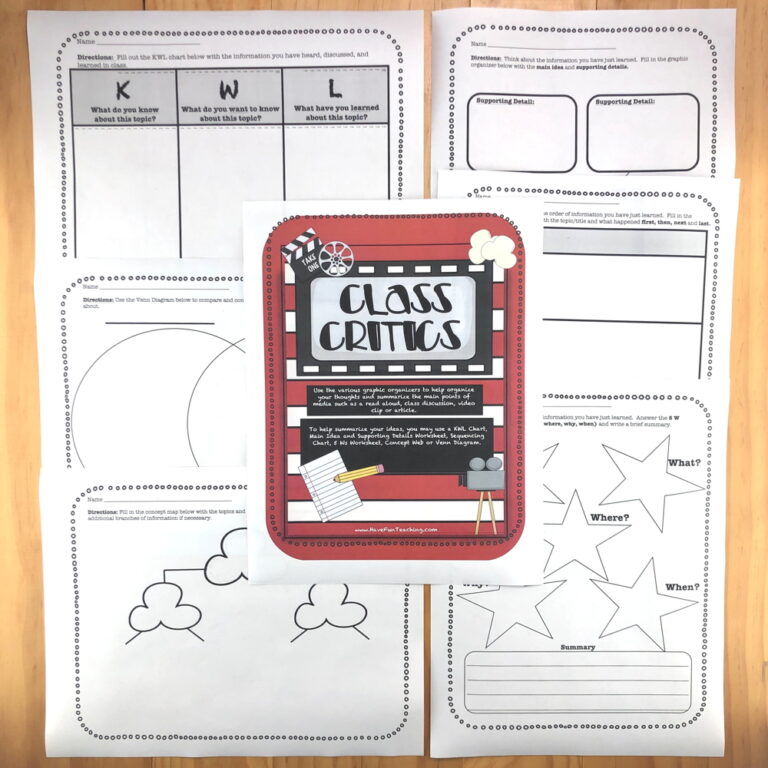
Using Retell the Story Activity, students read Floppy Ears aloud to students and then use the question chart to assess students ability to retell the story.

Using In Your Own Words Paraphrase Activity, students paraphrase portions of a text read aloud or information presented in any formats in your own words.

Using Retell the Story Activity,students read “Floppy Ears” aloud to students and then use the question chart to assess students ability to retell the story.



