
Skip to content
Start My 3 Free Days $0 today · cancel anytime

3rd Grade Living and Non-Living Things Resources

12 3rd grade living and non-living things resources: 6 activities, 5 worksheets, 1 graphic organizer and more. How teachers use these

3rd Grade Living and Non-Living Things Resources

12 3rd grade living and non-living things resources: 6 activities, 5 worksheets, 1 graphic organizer and more. How teachers use these

Worksheet
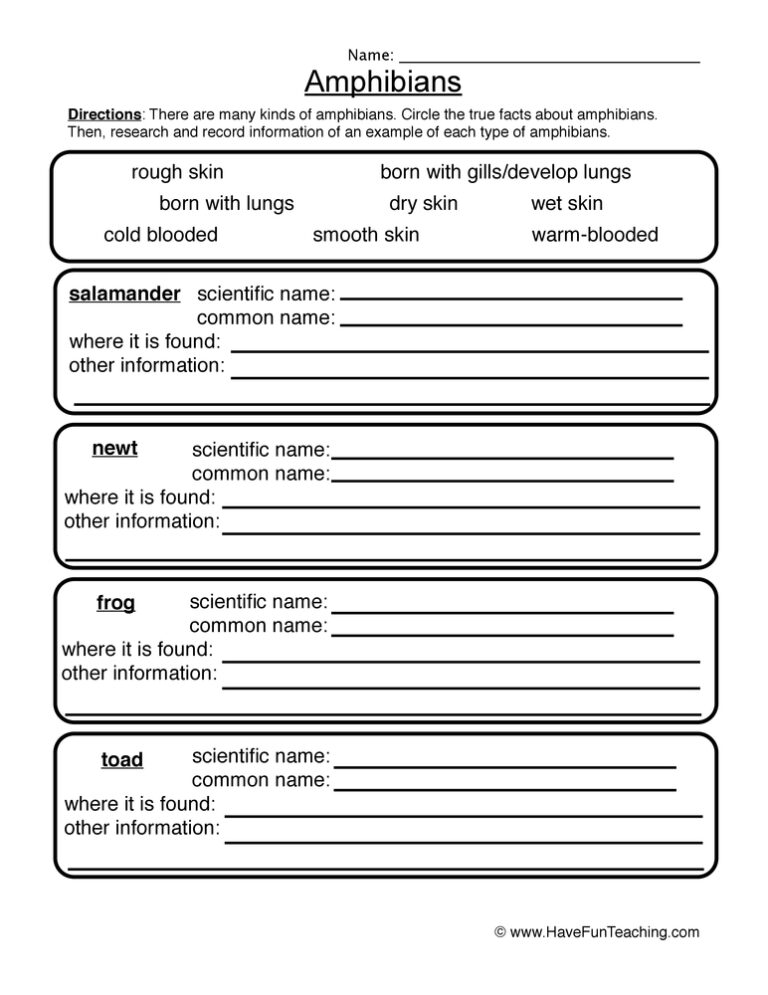
Worksheet3rd GradeAmphibians Worksheet

This amphibians worksheet has 3rd graders circle amphibian traits, sort eight animals into amphibian and non-amphibian columns, and explain their thinking. Answer key included for fast, no-prep science practice.

Activity
Activity3rd GradeFrog Facts Activity

This frog facts activity has children sort 12 fact cards onto TRUE and FALSE lily pads. Made for Kindergarten to 3rd Grade, with a practice page and answer key included.

Worksheet
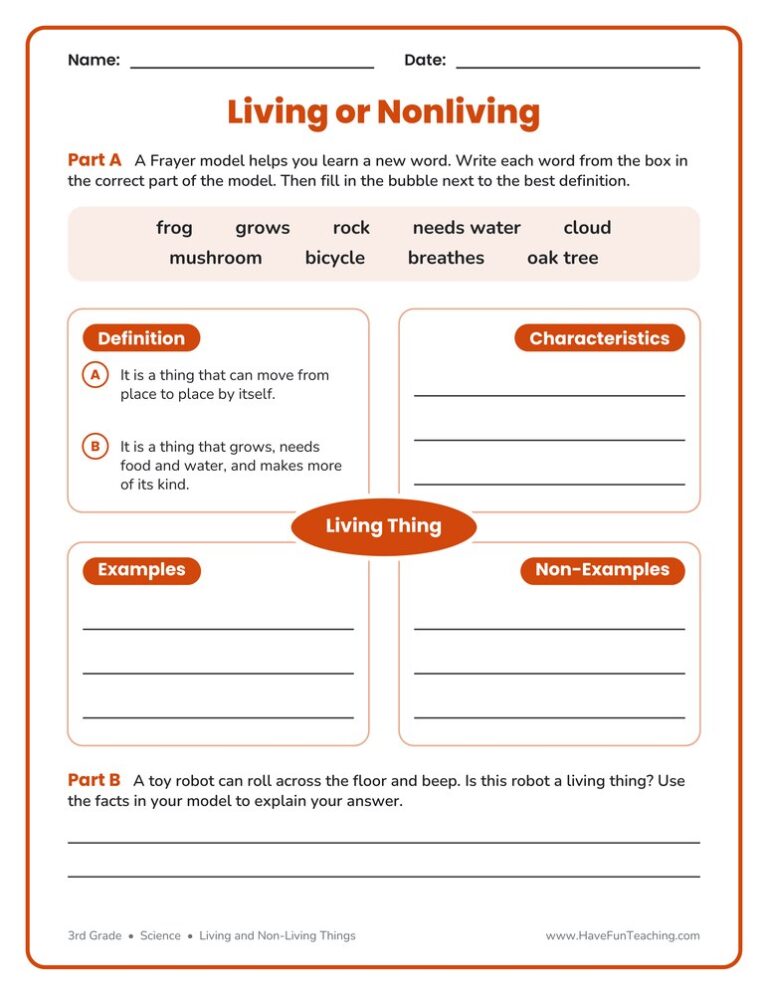
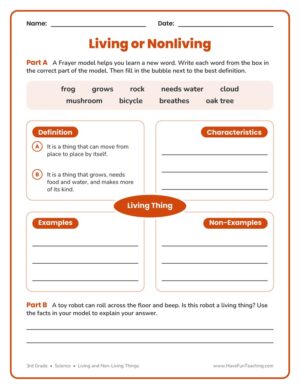
Worksheet3rd GradeLiving Non-Living Frayer Model Worksheet

This living non-living frayer model worksheet has 3rd graders sort words, pick the best definition, and explain their thinking about living things. An answer key is included for quick, easy checking.

Worksheet
Worksheet3rd GradeLiving and Non-Living Things Compare and Contrast Graphic Organizer

This living and non-living things compare and contrast graphic organizer asks 3rd graders to sort six facts about a cat and a chair into a Venn diagram. Answer key included for quick checking.

Worksheet
Worksheet3rd GradeSorting Living and Non-Living Things Worksheet

This sorting living and non-living things worksheet has 3rd graders sort eight words and compare a puppy with a robot dog. An answer key is included for quick, easy checking.

Activity
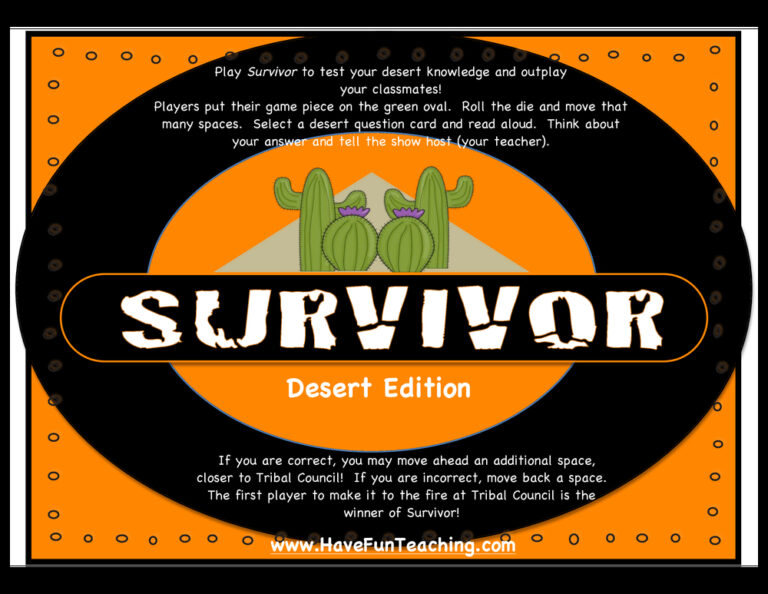
Activity3rd GradeSurvivor Desert Edition Activity

Using this Survivor Desert Edition Activity, students play the survivor board game to test your knowledge of animals and their habitats.

Activity
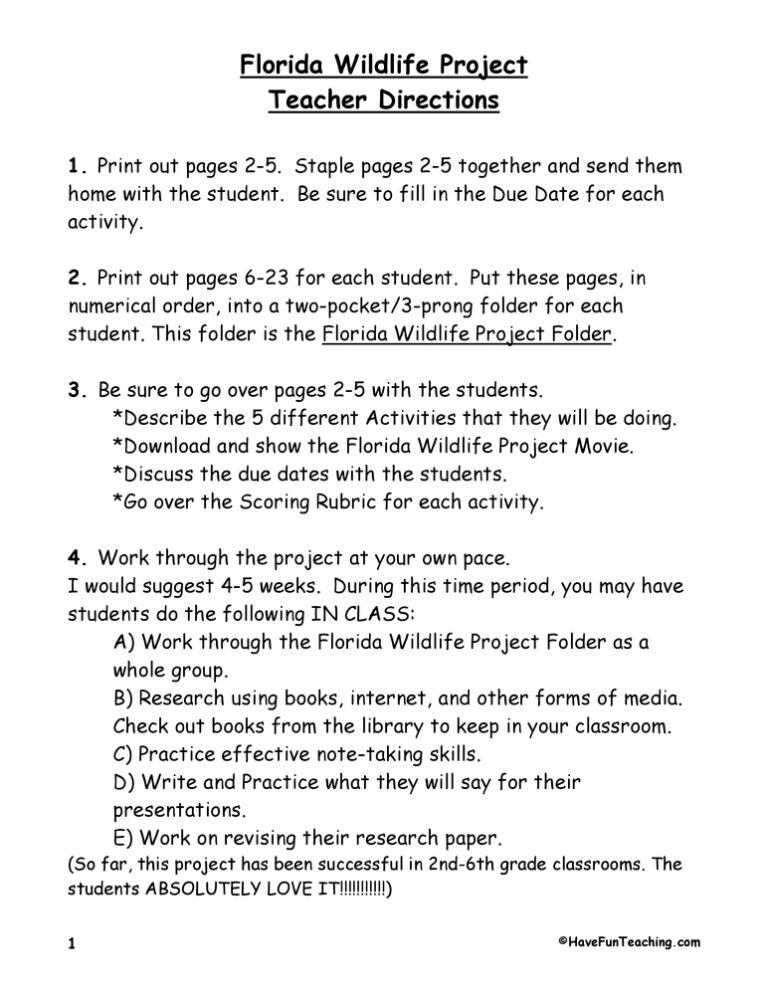
Activity3rd GradeFlorida Wildlife Animal Project

Using this Florida Wildlife Animal Project, students research, design a poster, create a model and give a presentation to learn about the animals that live in Florida.

Worksheet
Worksheet3rd GradeWhy Is It a Living Thing Worksheet

This why is it a living thing worksheet helps 3rd graders use evidence to explain what makes something alive, with vocabulary, clue sorting, and a short response. An answer key is included.

Activity
Activity3rd GradeBrazil Wildlife Animal Project

This Brazil wildlife animal project activity has students sort ten rainforest animals by layer, then research one animal and share it. Made for 3rd to 5th grade, answer key included.

Activity
Activity3rd GradeSurvivor Ocean Edition Activity

Using this Survivor Ocean Edition Activity, students play the survivor board game to test your knowledge of animals and their habitats.

Workbook
Workbook3rd GradeLiving and Non-Living Things Mini Pack

Using this Living and Non-Living Things Mini Pack, students learn about the Living and Non-Living Things through ten fun worksheets and four activities.

Activity
Activity3rd GradeSurvivor Rainforest Edition Activity

Using this Survivor Rainforest Edition Activity, students play the survivor board game to test your knowledge of animals and their habitats.

From our teachers' playbook

Is it alive? Prove it!

What do 3rd graders learn about living and non-living things?

Third graders learn that scientists use a checklist to decide if something is living: it grows, needs food and water, breathes or takes in air, reproduces and responds to its surroundings. A rock fails every test. A tree passes them all, even though it does not walk or talk! Kids also explore how living things depend on non-living things like sunlight, water and soil in a habitat. The click comes with the tricky ones: fire grows and needs air, so is it alive? Arguing it out with the checklist is real scientific thinking.

Our favorite ways to teach living and non-living things

Sorting, defining and arguing with evidence. These moves make this unit sing.

Frayer it out

Start with a Frayer model for "living thing": definition, traits, examples and non-examples. Kids fill it in together, then use it as a reference all unit. Seeing examples and non-examples side by side makes the idea clear.

Why it works: pairing a picture with each word gives kids two ways to remember it, a well-tested principle of how people learn (Mayer, 2009).
Living Non-Living Frayer Model WorksheetTry it withLiving Non-Living Frayer Model WorksheetWorksheetsOpen it →

Sort and justify

Give groups picture cards: a seed, a car, a mushroom, a cloud. They sort into living and non-living, but every card needs a reason from the checklist. The tricky cards spark the best conversations.

Why it works: going from real objects to pictures to symbols is a core recommendation of the U.S. Department of Education's elementary math guide.

Sorting Living and Non-Living Things WorksheetTry it withSorting Living and Non-Living Things WorksheetWorksheetsOpen it →

Why is it living?

Close each lesson with one quick question: name a living thing and prove it with two traits. Writing the reasons from memory helps kids keep the checklist in their heads.

Why it works: pulling an answer out of memory makes it stick far better than rereading it, one of the strongest findings in learning research (Dunlosky and colleagues, 2013).

Why Is It a Living Thing WorksheetTry it withWhy Is It a Living Thing WorksheetWorksheetsOpen it →

Questions about living and non-living things in 3rd grade

What are the characteristics of living things?

Living things grow, need food and water, take in air, reproduce and respond to their surroundings. If something does all of these, it is living.

Is fire a living thing?

No. Fire grows and needs air, but it does not reproduce on its own or have cells. It is a great example for kids to debate using the checklist.

Are seeds living or non-living?

Seeds are living. They are resting, but with water, warmth and soil they grow into new plants.

How do living things depend on non-living things?

Plants and animals need sunlight, water, air and soil to survive. A habitat is a mix of both living and non-living parts working together.



