Skip to content
Start My 3 Free Days $0 today · cancel anytime

Narrative Writing Resources

87 narrative writing resources: 58 worksheets, 25 activities, 6 Common Core Lessons and more. How teachers use these

Narrative Writing Resources

87 narrative writing resources: 58 worksheets, 25 activities, 6 Common Core Lessons and more. How teachers use these

Worksheet
Worksheet2nd GradeYou Write the Story Helping Picture Worksheet

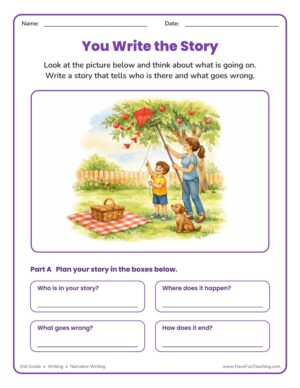
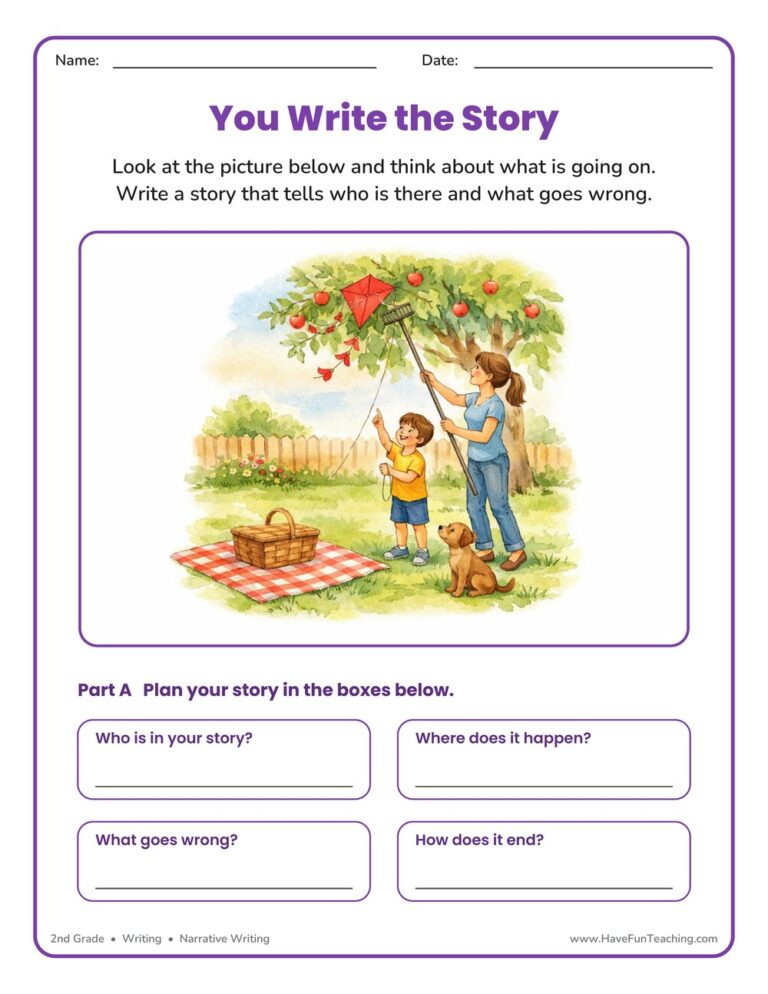
The You Write the Story Helping Picture Worksheet gives 2nd Grade writers a detailed picture, a four-box story planner, and guided beginning, middle, and end lines so every child can draft an original narrative with confidence.

Worksheet
Worksheet3rd GradeFictional Narrative Worksheet

This Fictional Narrative Worksheet gives 3rd Grade students one page to plan a story from a book they love, with lines for the main idea, four events and a closing statement, so drafting starts easy.

Worksheet
Worksheet2nd GradeYou Write the Story Kids Picture Worksheet

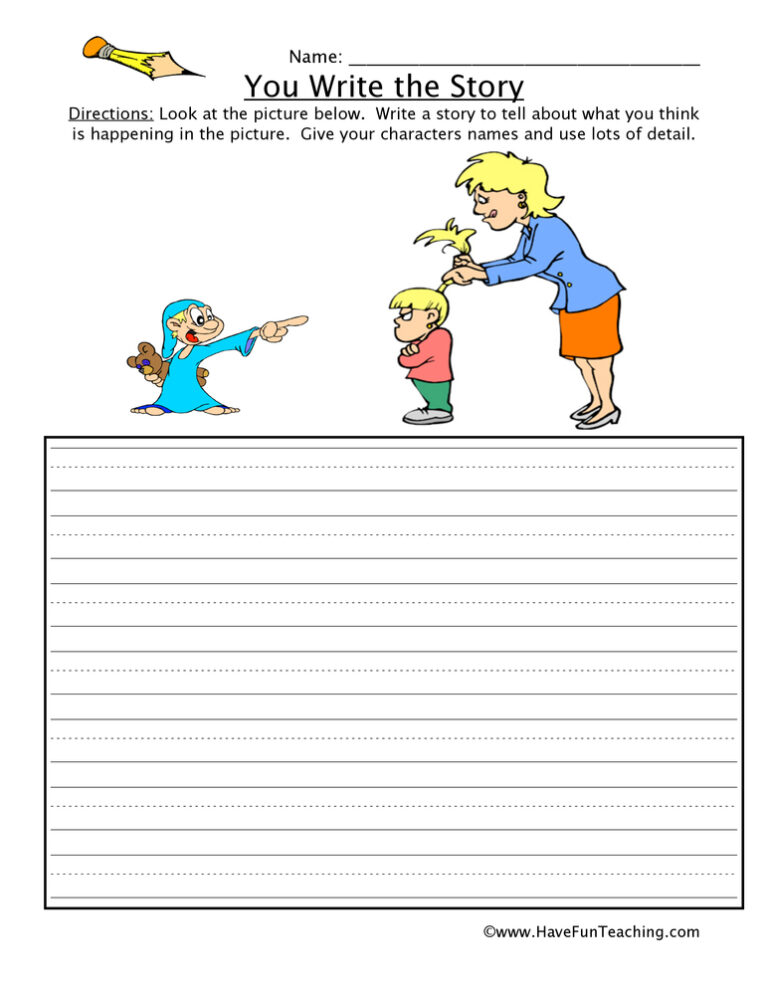
A You Write the Story Kids Picture Worksheet that gives 2nd graders a kite-stuck-in-a-tree picture prompt and eight wide lines to write their own narrative, naming the characters and telling what happens next.

Worksheet
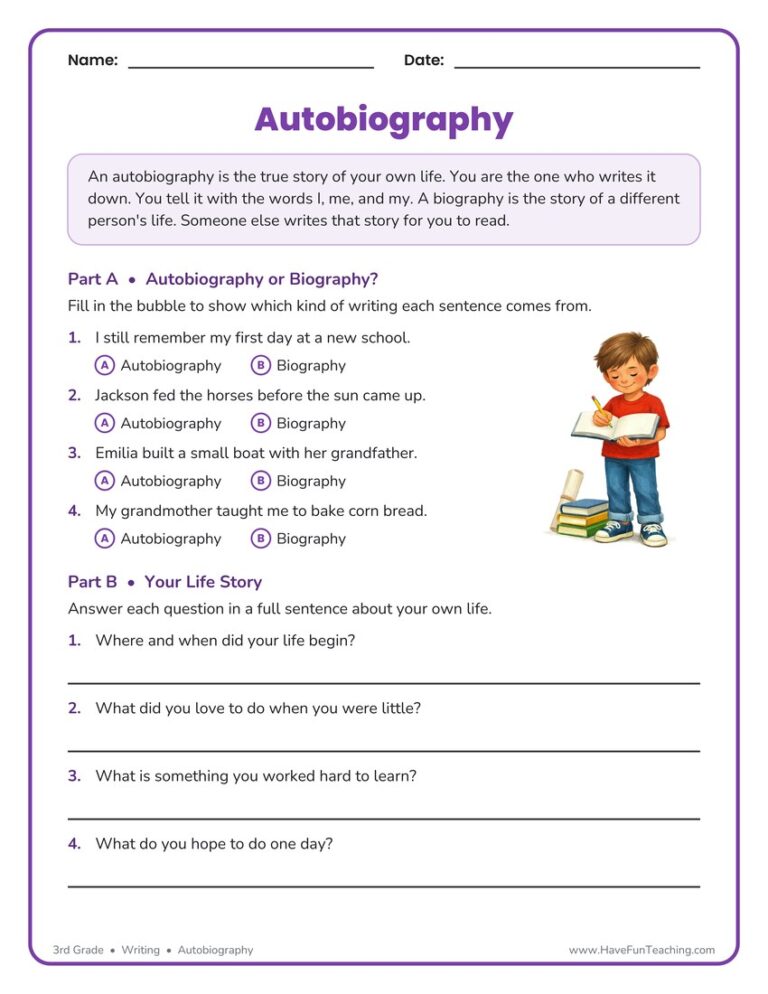
Worksheet3rd GradeAutobiography Worksheet

This Autobiography Worksheet helps 3rd graders tell an autobiography from a biography, then plan their own life story in first-person sentences. Answer key included for fast, no-prep writing practice.

Worksheet
Worksheet2nd GradeSequence Writing Worksheet

This sequence writing worksheet has 2nd graders number four mixed-up pancake story events, then write the story with order words and an ending. An answer key is included for easy checking.

Worksheet
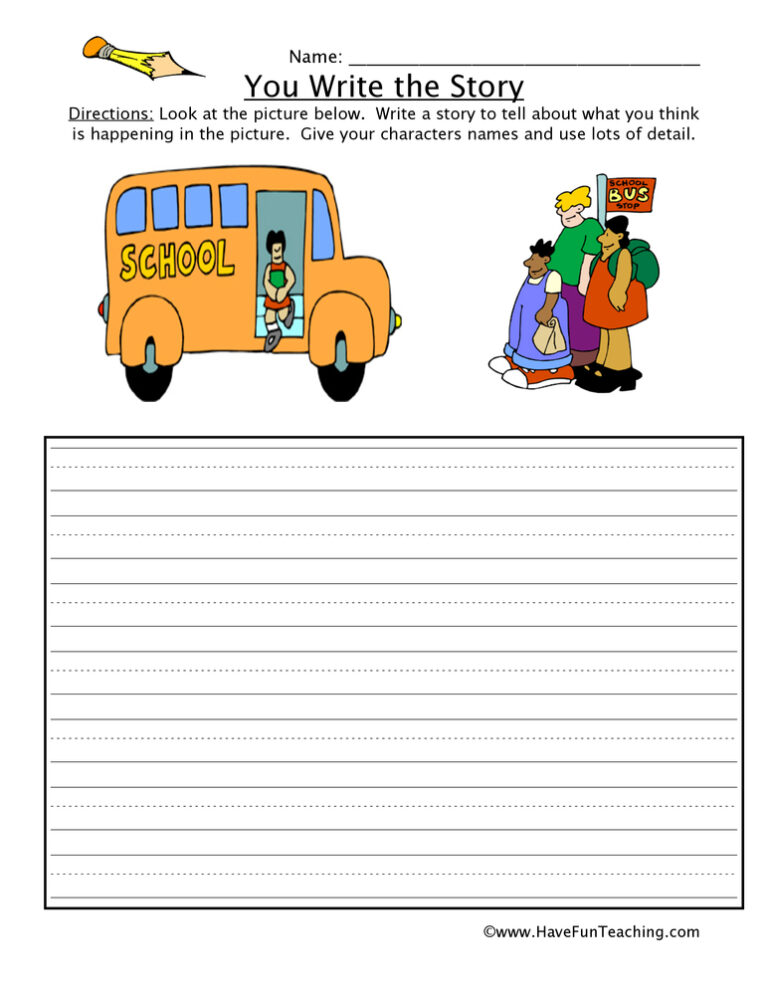
Worksheet2nd GradeYou Write the Story School Picture Worksheet

Turn one picture into a story with this you write the story school picture worksheet. 2nd graders name the characters at the bus stop and write what happens next on eight ruled lines.

Worksheet
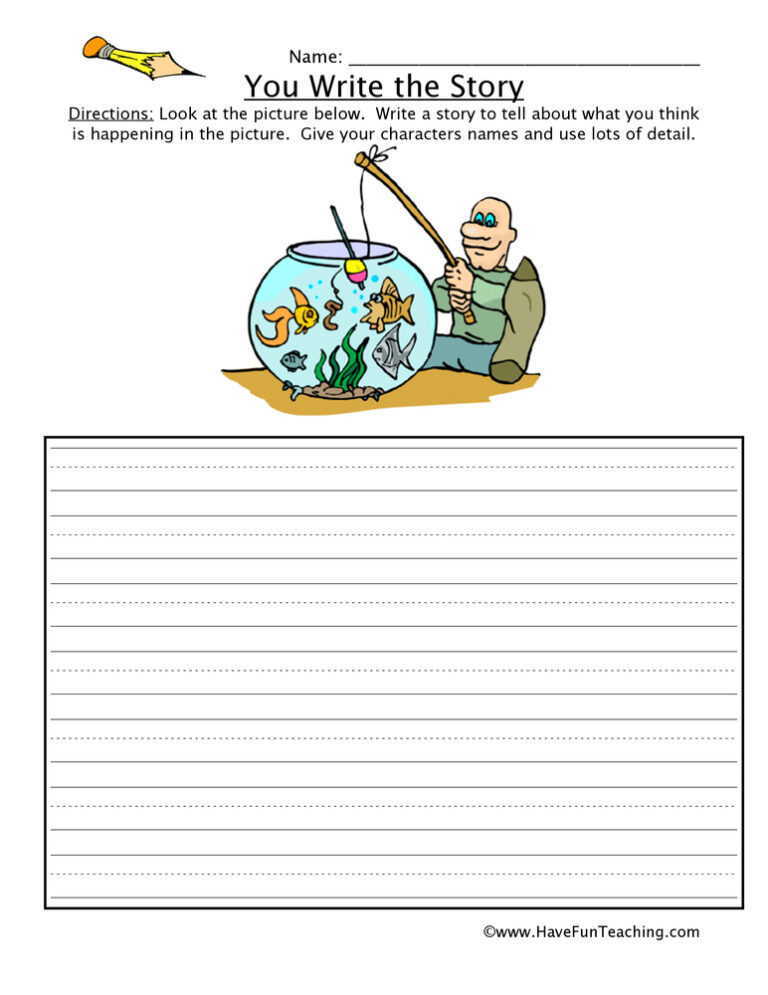
Worksheet2nd GradeYou Write the Story Fishing Picture Worksheet

This you write the story fishing picture worksheet gives 2nd Grade students a lakeside scene and eight writing lines, so every child names the characters and tells the story their own way.

Worksheet
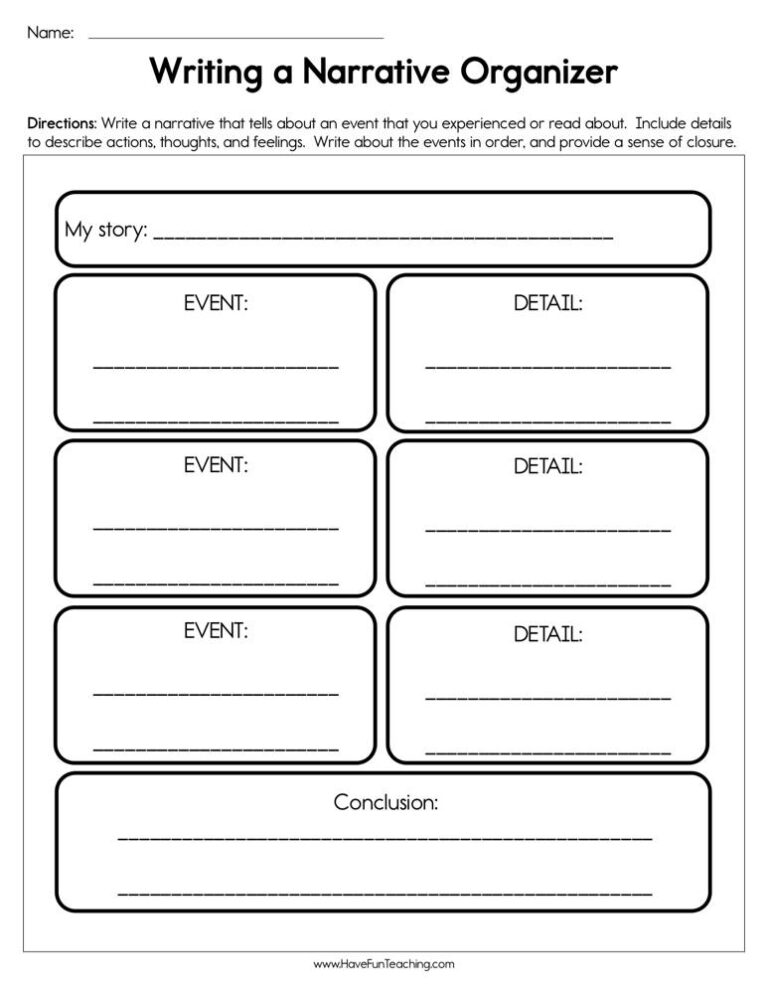
Worksheet3rd GradeWriting a Narrative Organizer Worksheet

This writing a narrative organizer worksheet gives 3rd grade students a story to put in order and a four-part organizer to fill in, with an answer key so every response can be checked quickly.

Worksheet
Worksheet3rd GradeNarrative Writing Worksheet

This narrative writing worksheet for 3rd grade pairs an original tall tale with prediction questions and six lines to finish the story. An answer key is included, so young writers build real storytelling confidence.

Worksheet
Worksheet3rd GradeNarrative Pyramid Worksheet

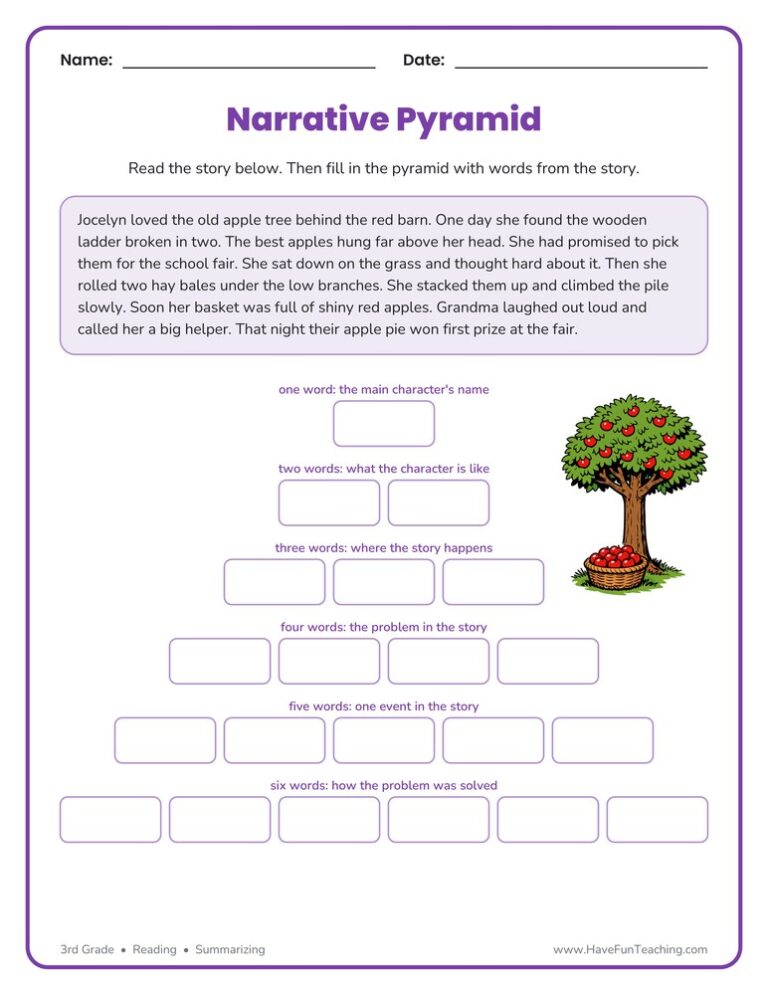
This Narrative Pyramid Worksheet prints an original story for 3rd graders, then asks them to summarize it row by row, from one word up to six. An answer key is included, so it works as a quick reading check or a pre-writing plan.

Worksheet
Worksheet1st GradeSequence Writing Graphic Organizer Worksheet

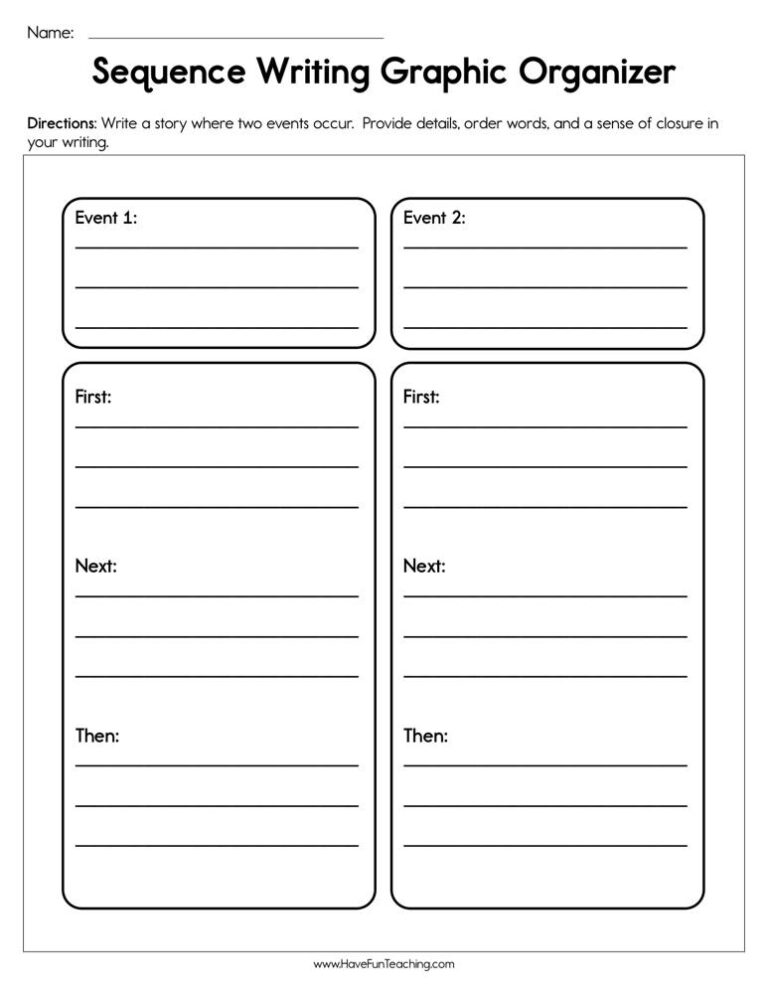
Plan a story from start to finish with this Sequence Writing Graphic Organizer Worksheet. First Grade writers name their story idea, then write what happens First, Next, Then, and Last on wide primary lines.

Worksheet
Worksheet1st GradeSharing Experiences Worksheet

This Sharing Experiences Worksheet gives 1st Grade students a simple page for planning a true story: the topic, what happened first and next, and describing words that help a reader picture the day.

Worksheet
Worksheet4th GradeWriting an Introduction Paragraph Worksheet

This writing an introduction paragraph worksheet has 4th grade students label the four jobs in a model opening, then plan their own hook, topic sentence, and reasons. An answer key is included.

Worksheet
Worksheet2nd GradeLesson Learned Worksheet

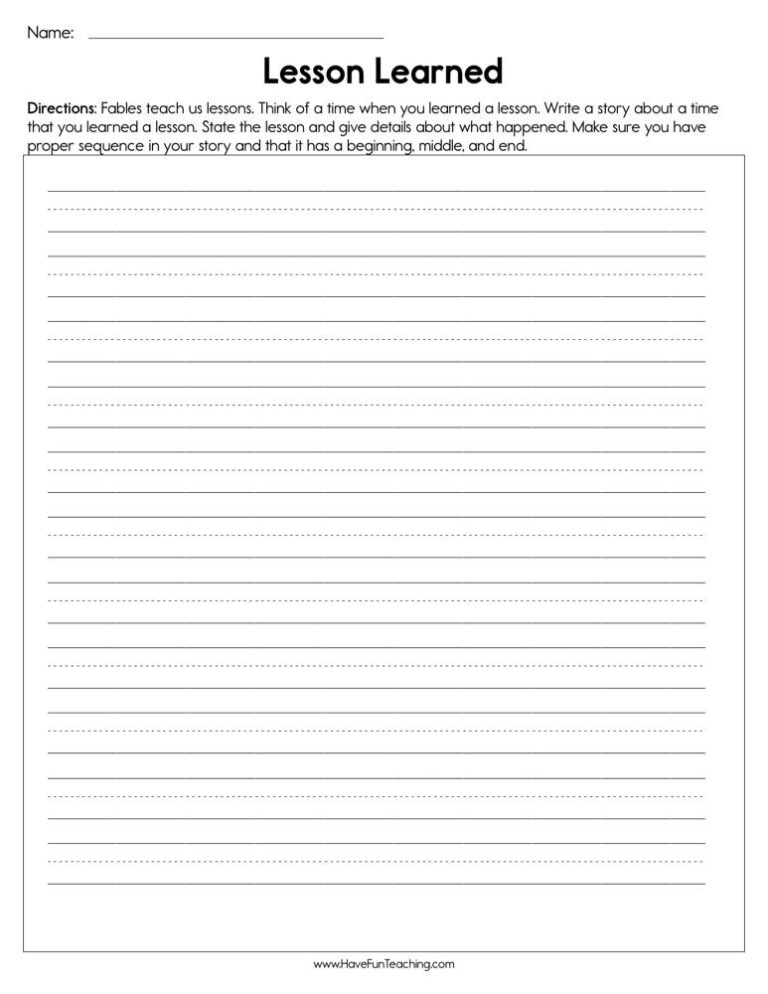
This lesson learned worksheet helps 2nd graders plan a true story about a time they learned a lesson, with boxes for the beginning, middle, end, and the lesson itself.

Worksheet
Worksheet2nd GradeYou Write the Story Artist Picture Worksheet

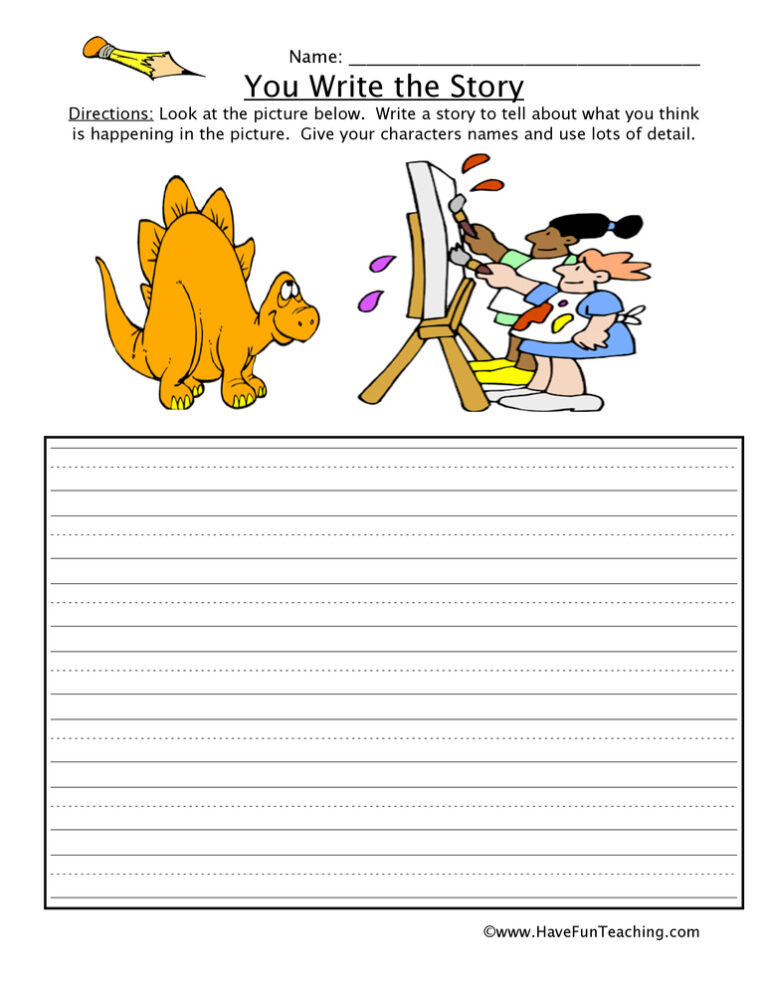
This you write the story artist picture worksheet gives 2nd grade students a colourful picture prompt and eight writing lines, so every child has a story to tell before the pencil even moves.

Workbook
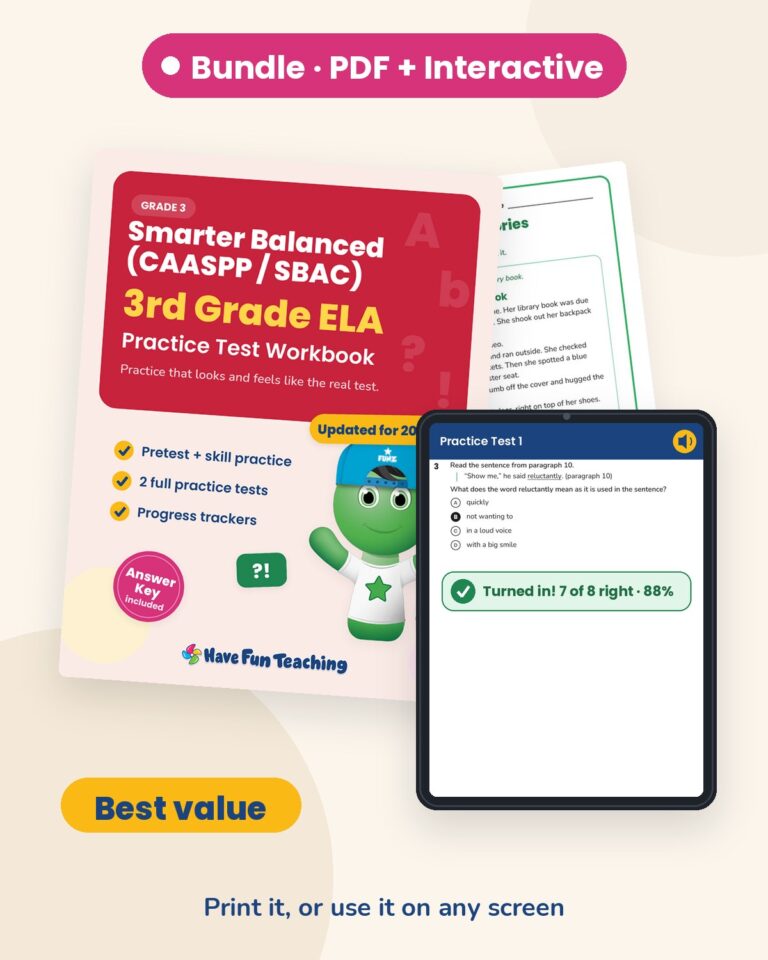
Workbook3rd GradeSmarter Balanced (CAASPP / SBAC) 3rd Grade ELA Practice Test Workbook

A Smarter Balanced (CAASPP / SBAC) 3rd grade ELA practice test workbook for teachers, with a pretest, skill practice for all 24 standards, mixed review and 2 full-length practice tests. Answer key included, so test prep is ready to go.

Worksheet
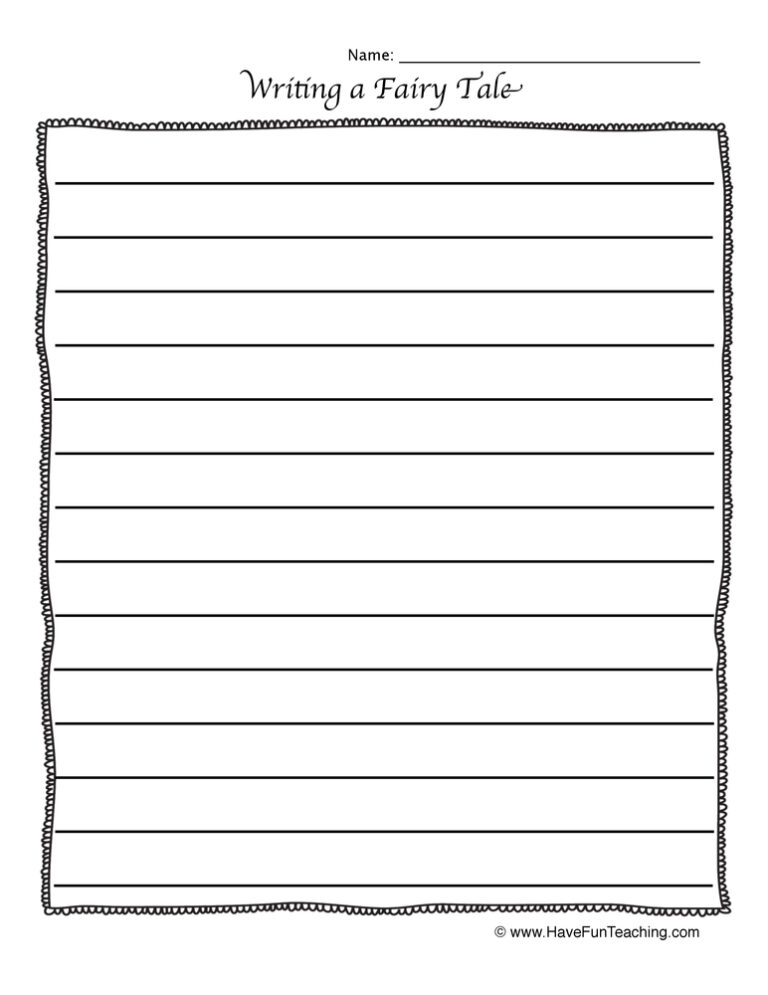
Worksheet3rd GradeFairy Tales Writing Page Worksheet

With the Fairy Tales Writing Page Worksheet, 3rd graders map out a hero, setting, problem and ending, then draft their own tale on nine roomy writing lines — a no-prep way to make narrative writing feel easy.

Worksheet
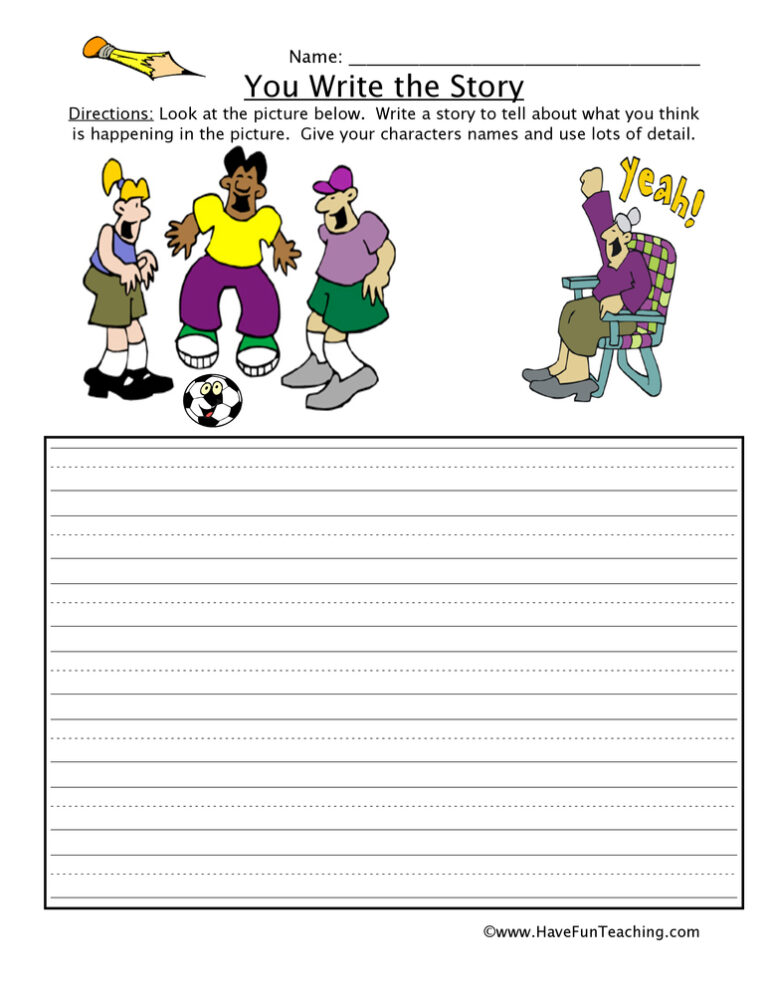
Worksheet2nd GradeYou Write the Story Soccer Picture Worksheet

Kick off story time with this you write the story soccer picture worksheet. 2nd graders name the two soccer players, then write what happens after the big kick on eight lines.

Workbook
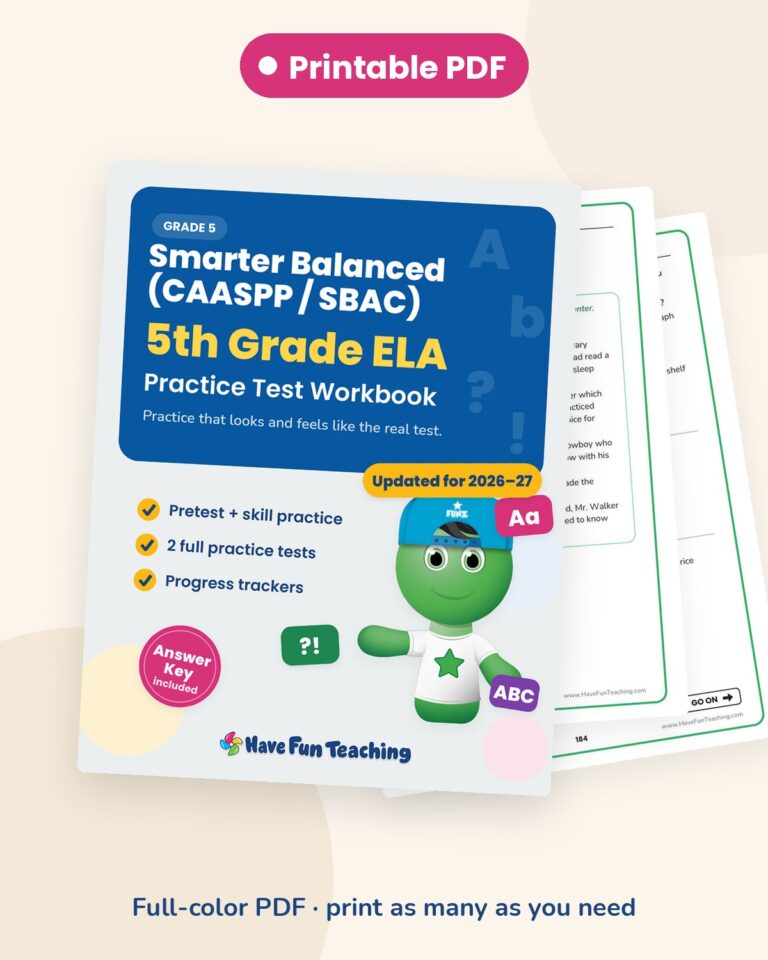
Workbook5th GradeSmarter Balanced (CAASPP / SBAC) 5th Grade ELA Practice Test Workbook

A Smarter Balanced (CAASPP / SBAC) 5th grade ELA practice test workbook for teachers, with a pretest, skill practice for all 24 standards, mixed review and 2 full-length practice tests. Answer key included, so test prep is ready to go.

Worksheet
Worksheet2nd GradeExperience Narrative Worksheet

This experience narrative worksheet guides 2nd graders to plan a true story about where they were, who was there, what they did, and how they felt, then write it with describing words.

From our teachers' playbook

Once upon a time, you wrote a story

What do kids learn about narrative writing?

Narrative writing is storytelling on paper. Young writers start by drawing and telling a story in order, using words like first, next and last. As they grow, they add details about what characters did, thought and felt, and they write a clear ending. By 3rd through 5th grade, kids write real or imagined stories with a hook, dialogue, descriptive details, transition words and a satisfying conclusion. They learn the shape of a story: beginning → problem → events → solution. The click moment comes when a child reads their story aloud and the class laughs at just the right spot.

Our favorite ways to teach narrative writing

Every kid has a story to tell. These moves help them get it on paper.

Write in front of them

Write a short story about something that really happened to you while kids watch, thinking aloud: "Hmm, how can I show I was nervous?" Kids see that good writers make choices and change their minds. Then they borrow your structure for their own story.

Why it works: handing over the work step by step, from teacher to student, is one of the most widely used teaching frameworks (Pearson and Gallagher, 1983).
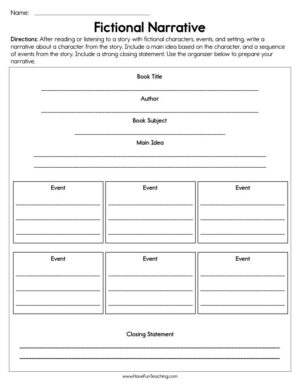
Fictional Narrative WorksheetTry it withFictional Narrative WorksheetWorksheetsOpen it →

Plan with an organizer

Before drafting, kids fill in a quick organizer: characters, setting, problem, three events, solution. Five minutes of planning keeps stories from wandering or ending with "and then I woke up."

Why it works: kids understand an idea best when they touch it, then draw it, then write it, the order the U.S. Department of Education recommends for elementary math.

Writing a Narrative Organizer WorksheetTry it withWriting a Narrative Organizer WorksheetWorksheetsOpen it →

Start with a picture

Show a picture with something going on and ask "What happened right before this? What happens next?" Kids tell a partner, then write. A picture gives reluctant writers an instant idea.

Why it works: pairing a picture with each word gives kids two ways to remember it, a well-tested principle of how people learn (Mayer, 2009).

You Write the Story Helping Picture WorksheetTry it withYou Write the Story Helping Picture WorksheetWorksheetsOpen it →

Questions parents and teachers ask us

What is narrative writing for kids?

Narrative writing tells a story, real or made up, with characters, a setting and events in order. Good narratives include details, feelings, dialogue and a clear ending.

What are the elements of a narrative?

The main elements are characters, setting, a problem, events and a solution. Older students also add a hook, dialogue, descriptive details and transitions.

How do I help a child who says "I don't know what to write"?

Start with talking. Ask about a time they were surprised, scared or excited, and have them tell it out loud first. Picture prompts and story organizers also give kids a starting point.

What is the difference between a personal narrative and a fictional narrative?

A personal narrative tells a true story from the writer's life. A fictional narrative is made up. Both use the same story structure with characters, events and an ending.

Keep exploring