Skip to content
Start My 3 Free Days $0 today · cancel anytime

3rd Grade Narrative Writing Resources

24 3rd grade narrative writing resources: 12 worksheets, 10 activities, 2 test prep and more. How teachers use these

3rd Grade Narrative Writing Resources

24 3rd grade narrative writing resources: 12 worksheets, 10 activities, 2 test prep and more. How teachers use these

Worksheet
Worksheet3rd GradeFictional Narrative Worksheet

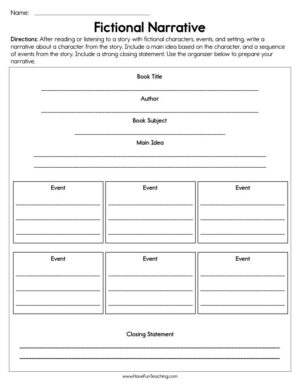
This Fictional Narrative Worksheet gives 3rd Grade students one page to plan a story from a book they love, with lines for the main idea, four events and a closing statement, so drafting starts easy.

Worksheet
Worksheet3rd GradeAutobiography Worksheet

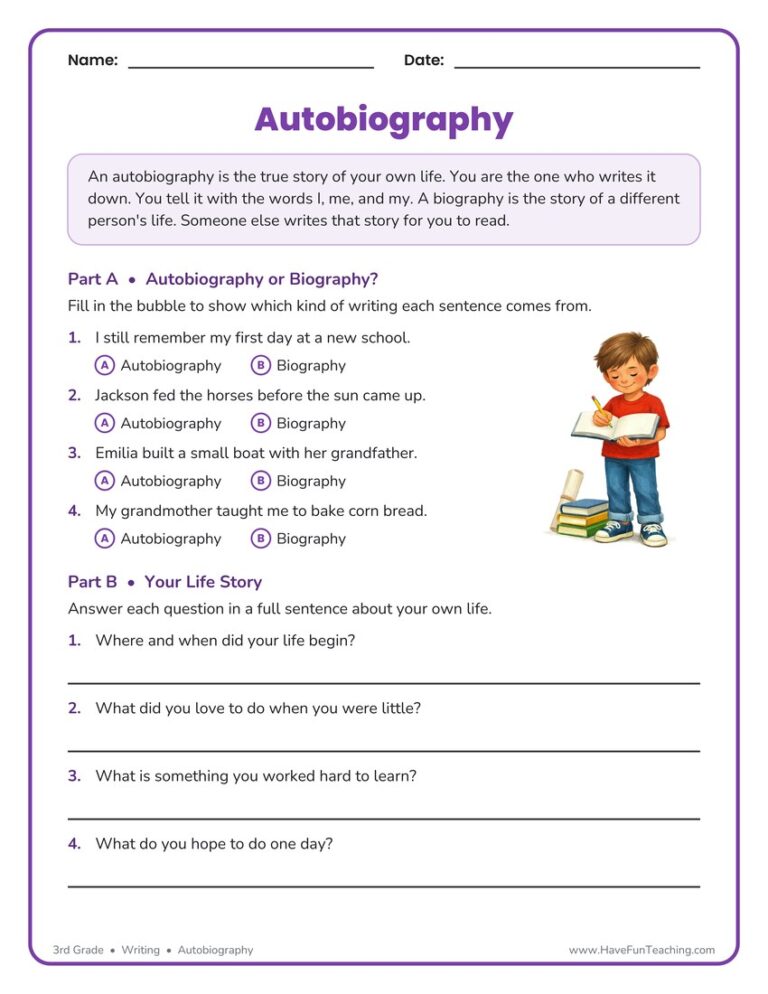
This Autobiography Worksheet helps 3rd graders tell an autobiography from a biography, then plan their own life story in first-person sentences. Answer key included for fast, no-prep writing practice.

Worksheet
Worksheet3rd GradeWriting a Narrative Organizer Worksheet

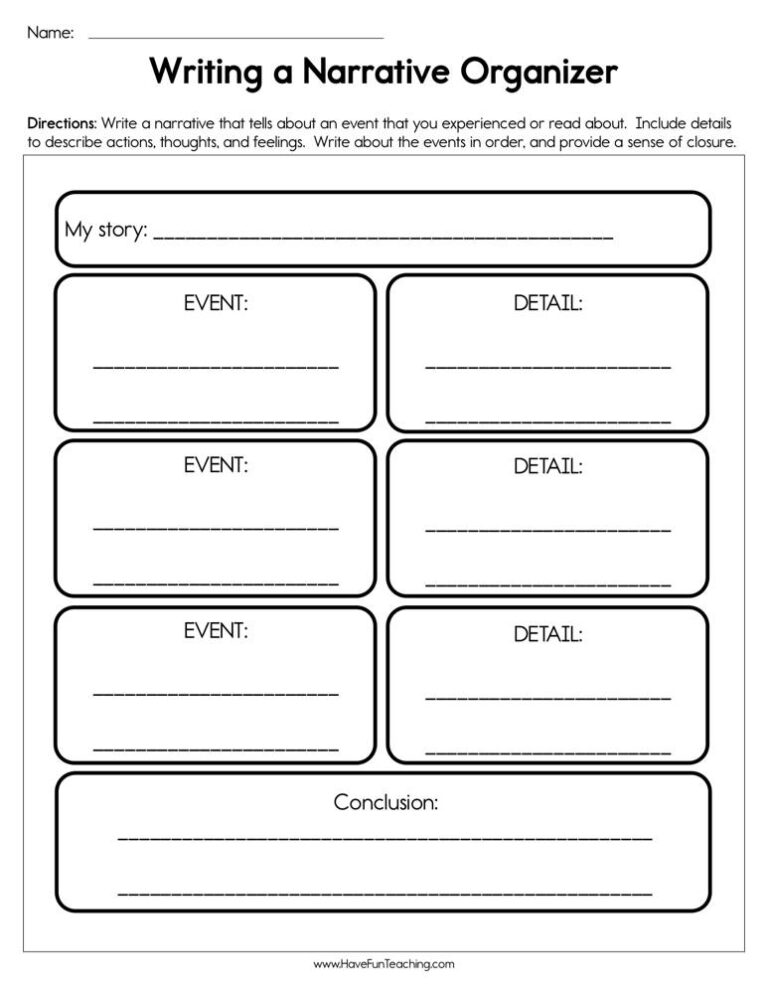
This writing a narrative organizer worksheet gives 3rd grade students a story to put in order and a four-part organizer to fill in, with an answer key so every response can be checked quickly.

Worksheet
Worksheet3rd GradeNarrative Writing Worksheet

This narrative writing worksheet for 3rd grade pairs an original tall tale with prediction questions and six lines to finish the story. An answer key is included, so young writers build real storytelling confidence.

Worksheet
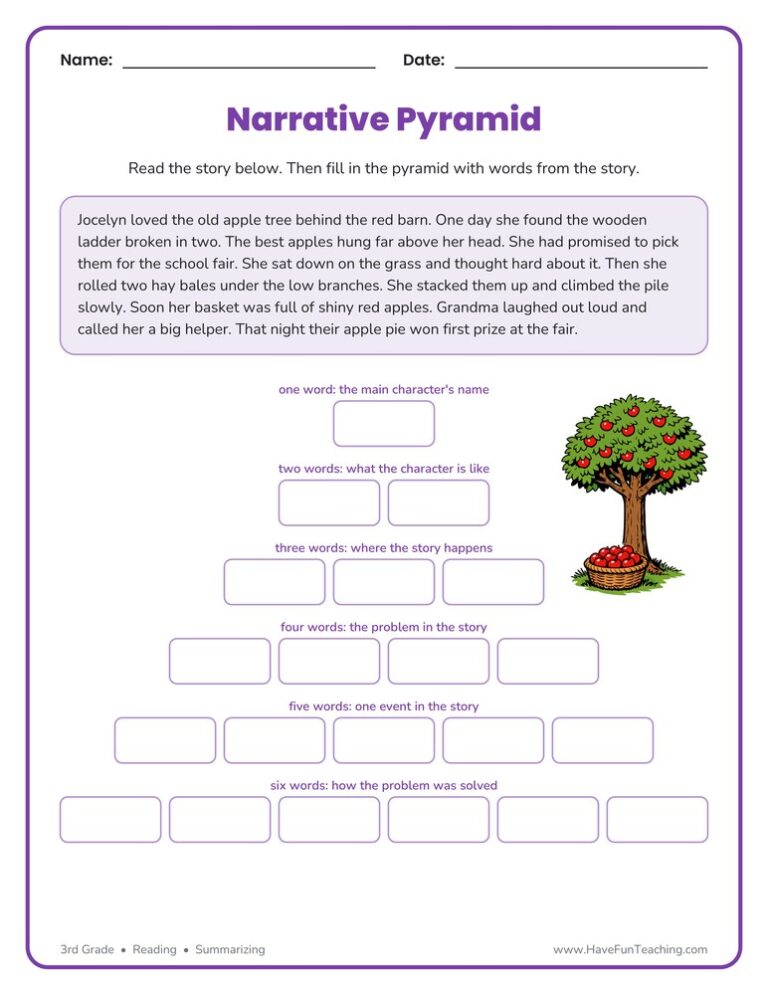
Worksheet3rd GradeNarrative Pyramid Worksheet

This Narrative Pyramid Worksheet prints an original story for 3rd graders, then asks them to summarize it row by row, from one word up to six. An answer key is included, so it works as a quick reading check or a pre-writing plan.

Workbook
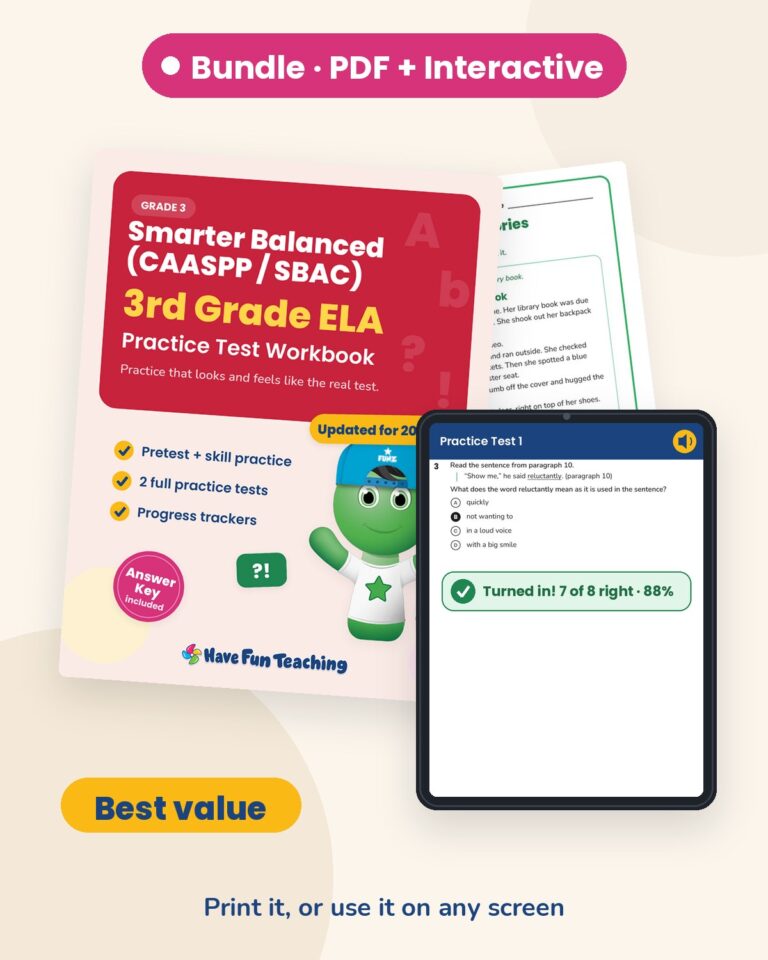
Workbook3rd GradeSmarter Balanced (CAASPP / SBAC) 3rd Grade ELA Practice Test Workbook

A Smarter Balanced (CAASPP / SBAC) 3rd grade ELA practice test workbook for teachers, with a pretest, skill practice for all 24 standards, mixed review and 2 full-length practice tests. Answer key included, so test prep is ready to go.

Worksheet
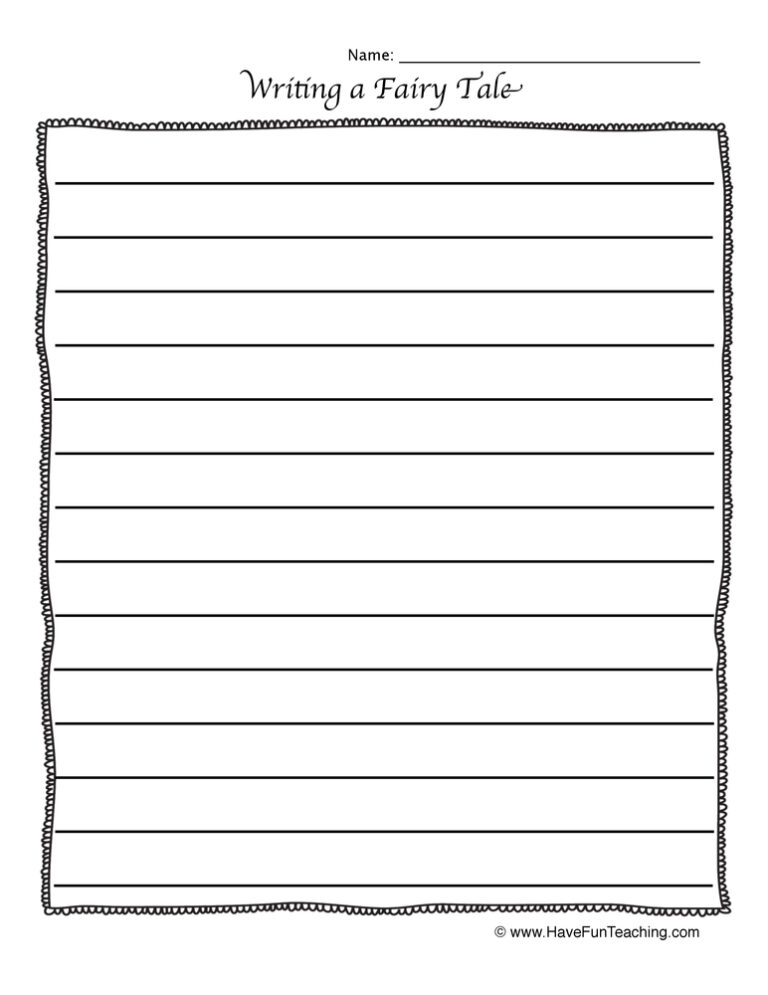
Worksheet3rd GradeFairy Tales Writing Page Worksheet

With the Fairy Tales Writing Page Worksheet, 3rd graders map out a hero, setting, problem and ending, then draft their own tale on nine roomy writing lines — a no-prep way to make narrative writing feel easy.

Workbook
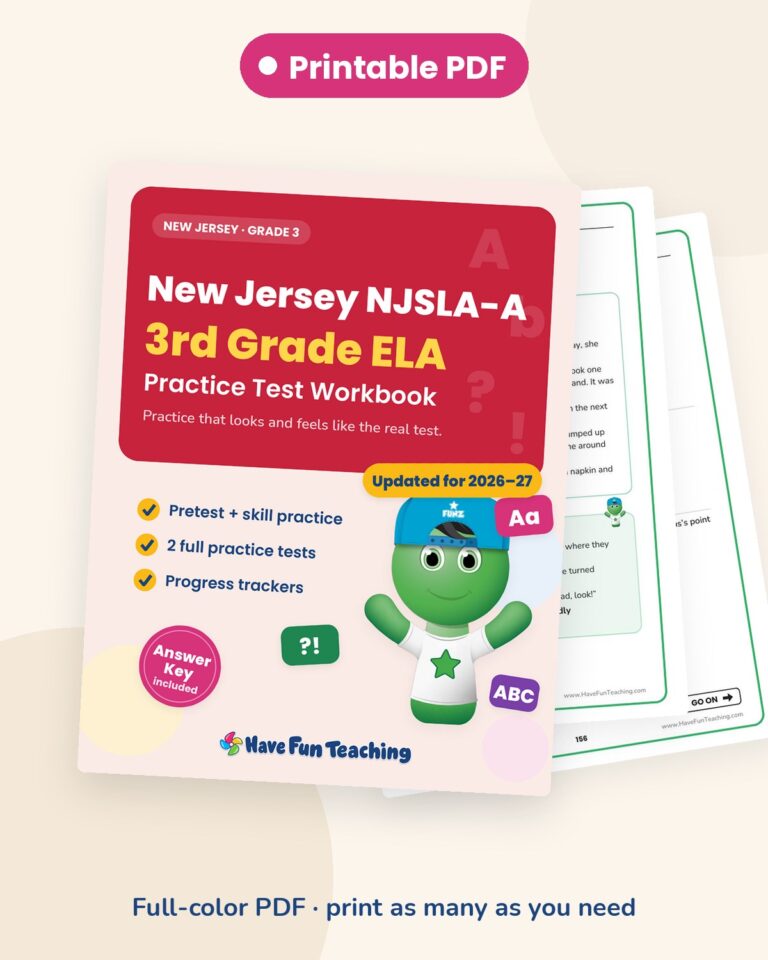
Workbook3rd GradeNew Jersey NJSLA-A 3rd Grade ELA Practice Test Workbook

A NJSLA-A 3rd grade ELA practice test workbook for teachers, with a pretest, skill practice for all 19 standards, mixed review and 2 full-length practice tests. Answer key included, so test prep is ready to go.

Activity
Activity3rd GradeDiving Deep Sorting Words Activity

This diving deep sorting words activity for 3rd to 5th grade has students sort 36 transition word cards by the job each word does. Answer key included.

Worksheet
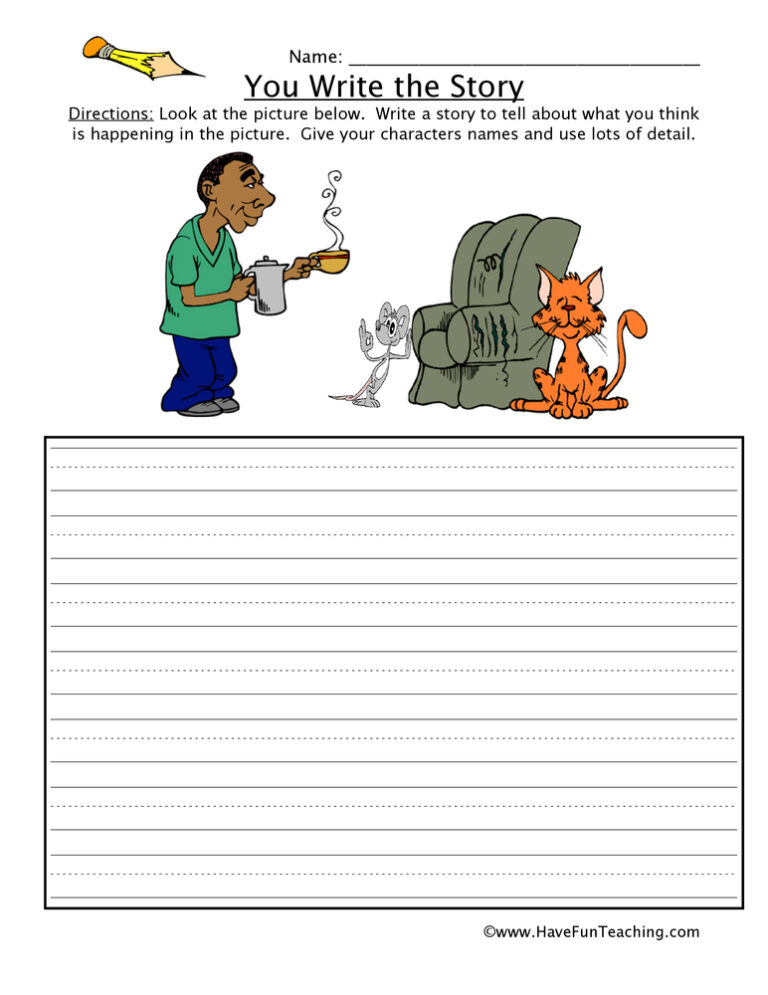
Worksheet3rd GradeYou Write the Story Cats Picture Worksheet

This You Write the Story Cats picture worksheet gives 2nd grade students one clear illustration of two cats and a ball of yarn, plus eight writing lines, so every child can name the characters and tell their own story.

Worksheet
Worksheet3rd GradeFairy Tales Planning Page Worksheet

This Fairy Tales Planning Page Worksheet gives 3rd graders one page to plan a story: a title line plus Setting, Hero, Helper, Problem and Ending boxes, so writing day starts with ideas already on paper.

Worksheet
Worksheet3rd GradeSt. Patrick's Day How to Catch a Leprechaun Worksheet

This St. Patrick's Day How to Catch a Leprechaun Worksheet has 3rd graders number six mixed-up how-to steps, then plan a trap of their own. Answer key included for fast, no-prep sequencing practice.

Worksheet
Worksheet3rd GradeReal Life Narratives Worksheet

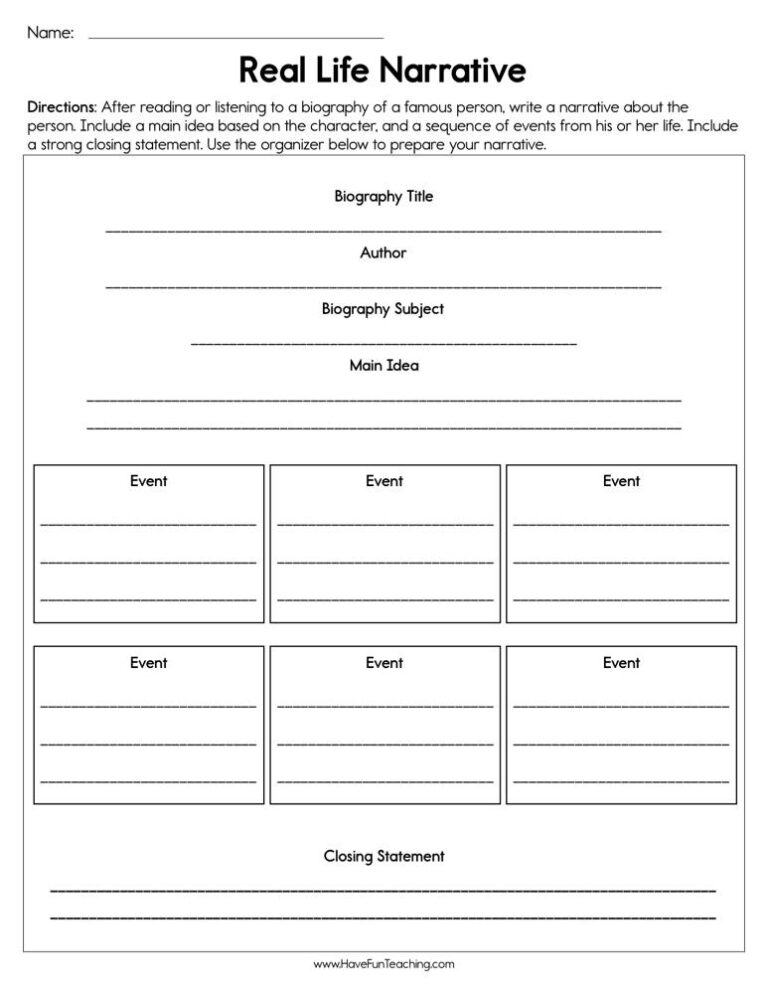
This real life narratives worksheet helps 3rd graders plan a true story from a biography, with a main idea, four events in order, and a closing statement that ties it all together.

Activity
Activity3rd GradeTell Us a Story Vacation Writing Activity

This tell us a story vacation writing activity gives 3rd to 5th grade students story postcards, a story map, and a publishing page for narrative writing. Answer key included.

Activity
Activity3rd GradeBack to School Adjective Writing Activity

This back to school adjective writing activity helps 1st to 3rd grade students plan a first-day story and add describing words. An answer key is included for the practice page.

Activity
Activity3rd GradeLet's Write RAFT Writing Activity

This let's write RAFT writing activity gives 2nd and 3rd grade writers 12 prompt cards, a planner and a publish page to write from a new point of view. Answer key included.

Activity
Activity3rd GradeAdding Details to Your Story Activity

This adding details to your story activity helps kindergarten to 3rd grade writers turn one sentence into a longer story with question cards and a planner. Answer key included, so practice is quick to check.

Activity
Activity3rd GradeWrite About a Time When. . . Activity

This write about a time when. . . activity gives 2nd to 5th grade writers 16 star topic cards, a story planner and a writing page for true stories. Answer key included.

Activity
Activity3rd GradeTell Us About It Speaking Activity

This tell us about it speaking activity gives Kindergarten to 3rd Grade children 24 story cards and a spinner so they can practice telling true stories with details to a group.

Activity
Activity3rd GradeTell the Group Speaking and Listening Activity

Using the Tell the Group Speaking and Listening Activity, students report on a topic or text, tell a story, or recount an experience with appropriate facts and relevant.

From our teachers' playbook

Once upon a time, a writer was born

What do 3rd graders learn about narrative writing?

In third grade, kids learn to write a story that really flows. They set the scene and introduce a character, then tell events in an order that makes sense using time words like first, after that and finally. They add dialogue, actions and feelings so readers can picture what's happening, and they finish with an ending that feels finished, not just "The end." Kids write both true stories from their own lives and made-up ones. The click moment is when a classmate laughs at exactly the right part.

Our favorite ways to teach narrative writing

Great stories start with a plan and grow with details. These moves help third graders do both.

Map the story first

Before drafting, kids fill in a story map: character, setting, problem, three events and the ending. If they can't fill a box, the story isn't ready. Drafts go much faster with the map beside them.

Why it works: the U.S. Department of Education's guide for teaching elementary math recommends moving from hands-on objects to drawings to numbers.

Writing a Narrative Organizer WorksheetTry it withWriting a Narrative Organizer WorksheetWorksheetsOpen it →
Show, don't tell, together

Write "Sam was scared." on the board. As a class, rewrite it with actions and dialogue: "Sam's knees shook. 'Is someone there?' he whispered." Then kids find one "tell" sentence in their own draft and turn it into "show."

Why it works: handing over the work step by step, from teacher to student, is one of the most widely used teaching frameworks (Pearson and Gallagher, 1983).

Fictional Narrative WorksheetTry it withFictional Narrative WorksheetWorksheetsOpen it →

Quick stories every week

Use a story starter for a 10-minute write every Friday. Short, frequent stories build fluency and give kids a folder of drafts to choose from when it's time for a polished piece.

Why it works: the brain holds on to what it meets again and again over time; spaced practice was rated among the very best methods (Dunlosky and colleagues, 2013).

Silly Stories Story StartersTry it withSilly Stories Story StartersWorksheetsOpen it →

Questions teachers and parents ask about 3rd grade narrative writing

What is a narrative in 3rd grade?

A narrative is a story, real or imagined, told in order. Third graders include characters, a setting, events in sequence, dialogue and feelings, and a clear ending.

How long should a 3rd grade narrative be?

Most are three to five paragraphs, or about one to two pages. A clear beginning, middle and end matters more than length.

How do I help my child add details to a story?

Ask questions like "What did it sound like?" "What did you say?" and "How did you feel?" Each answer can become a new sentence in the story.

What are good transition words for narratives?

First, next, then, after that, suddenly, later and finally. They help readers follow the order of events.