

Adverb Cooking Dinner Story Worksheet
This Adverb Cooking Dinner Story Worksheet has 3rd graders hunt for six adverbs inside a warm story about making dinner, then name the verb each one describes. Answer key included for fast, confident grammar practice.
$6.97
Or free with a membership — members pay $3.33/mo for all 10,000+ resources. See plans
Want this one free?
Tell us where to send it and it’s yours — no card, no catch.
One free resource per teacher. We’ll also send free teaching ideas each week — unsubscribe anytime.
Teaching is easier with a membership
Unlimited printables, games & videos for PreK–6th — for your classroom or homeschool. Cancel anytime.
Start your 3-day free trial$0 today · cancel anytime · Instant access to 10,000+ resources
About this resource
Description
Adverbs are the words that tell how, when, or where an action happens, and learning to spot them inside a real story is one of the biggest steps a third grader takes toward stronger writing. This Adverb Cooking Dinner Story Worksheet gives students a short, friendly narrative about a family cooking a meal together and asks them to hunt down every adverb hiding in it. Because the adverbs sit inside connected text instead of isolated drill sentences, students have to read for meaning first and then think about grammar, which is exactly what state reading and language assessments ask them to do.
Students begin by reading the story about Gracie, Samuel, and their mom getting dinner ready for company. As they read, they circle the six adverbs that tell how each job in the kitchen was done. Then they move to the second half of this 3rd grade adverbs worksheet and write each adverb on a line, along with the verb that the adverb describes. That second step is what turns a simple word search into real grammar practice: it is not enough to find the word ending in -ly, because students must also identify the action it is modifying. A complete answer key is included, so the page works just as well for independent practice, a literacy center, homework, or a quick formative check.
What’s Included
- 1 print-ready PDF worksheet
- Answer key
- 1 original cooking-themed story with 6 adverbs to circle
- 6 adverb-and-verb response lines
Three things make this Adverb Cooking Dinner Story Worksheet effective. First, context does the teaching: an adverb only makes sense beside the verb it changes, and a story hands students that relationship naturally. Second, the two-column response section builds the habit of pairing every adverb with its verb, which carries straight into their own writing when they revise flat sentences into vivid ones. Third, the story is short enough to reread, so developing readers can go back through the passage as many times as they need without feeling overwhelmed.
Teachers and parents can stretch the lesson in a few easy ways. Try reading the story aloud twice, once with the adverbs and once without them, and ask students what changed. Play an act-it-out game where one student draws an adverb card and performs a familiar action — walking slowly, clapping loudly, whispering gently — while the class guesses the word. During writing workshop, challenge students to revise one dull sentence in their draft by adding a single well-chosen adverb. Cooking or baking together at home is another natural fit, since almost every step in a recipe can be described with an adverb.
Related Resources
What teachers say
Reviews
You must be logged in to post a review.
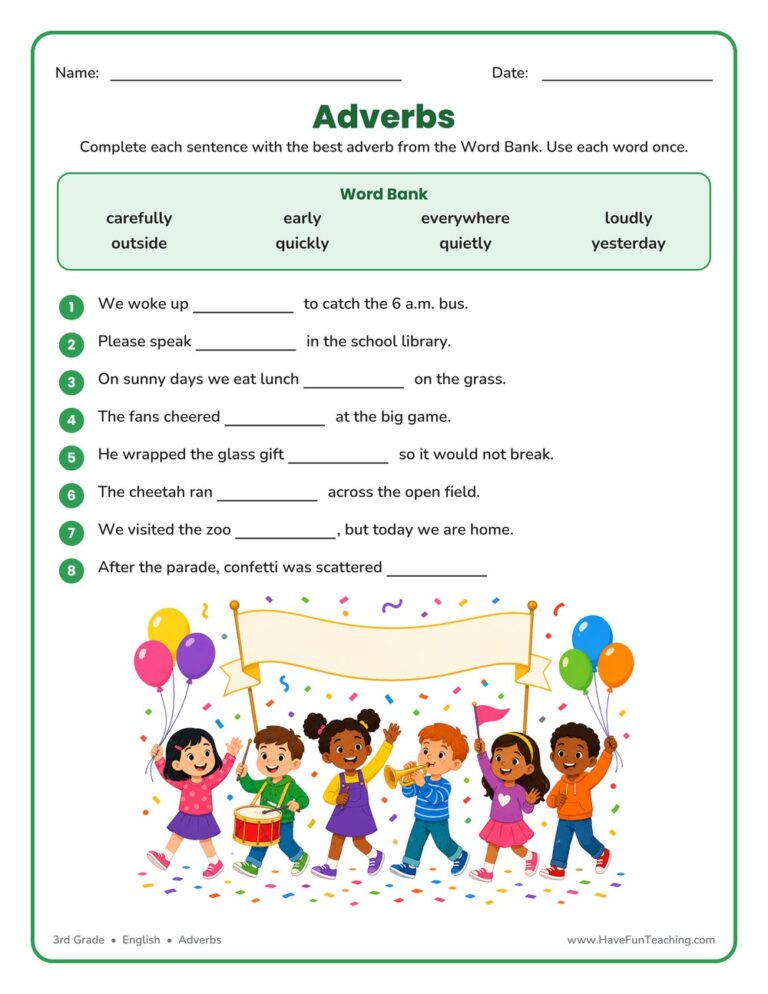
This Adverb Fill in the Blanks Worksheet gives 3rd graders a word bank and eight sentences to complete with the best adverb. Answer key included, perfect for no-prep grammar practice at home or school.

This imaginative adverbs worksheet asks 3rd grade students to sort six adverbs by How, When, and Where, then find the adverb in four sentences. An answer key is included for quick checking.
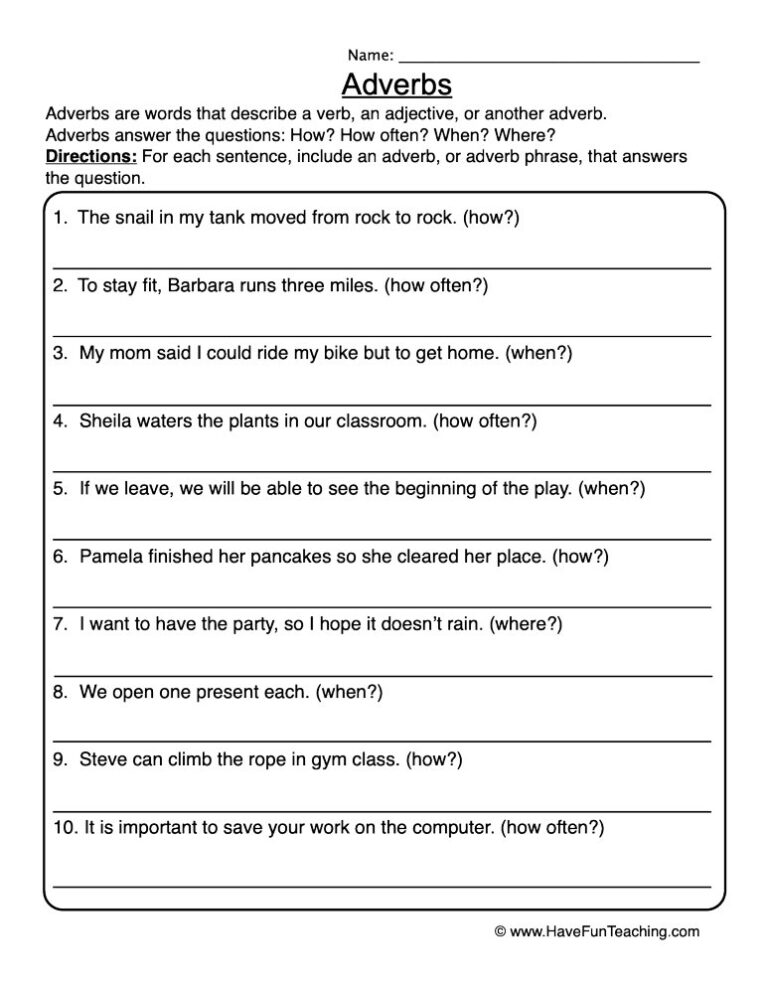
This Rewriting with Adverbs Worksheet gives 3rd grade writers four sentences to upgrade with just the right adverb, plus three more to label how, when, or where. Answer key included for fast, no-prep grammar practice.

This Describe it Using Adverbs Worksheet gives 3rd graders nine sentences that practice adverbs telling how, when, and where. An answer key is included, so grammar practice takes minutes to assign and score.

This Explain the Function of Adverbs Worksheet has 3rd graders find each adverb and tell whether it shows how, when, or where. Answer key included, so grammar practice is quick, clear, and no prep.
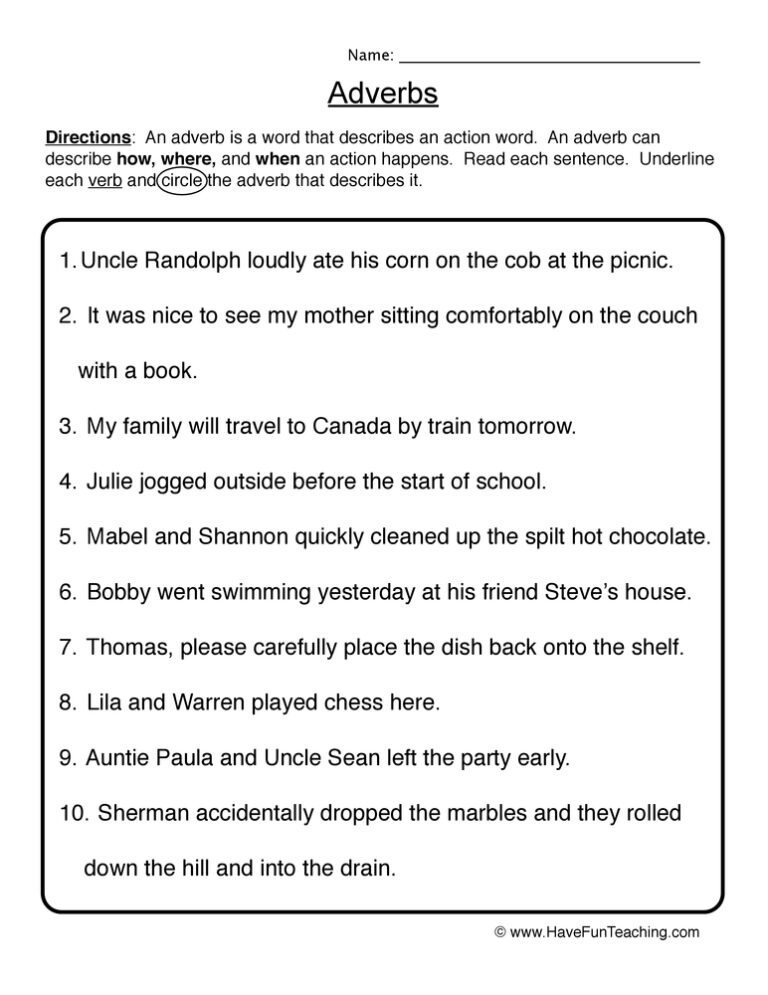
This Circle & Underline Adverb Worksheet has 3rd graders mark the verb and adverb in six sentences, sort adverbs by how, where, and when, then write one of their own. A complete answer key makes it no-prep.
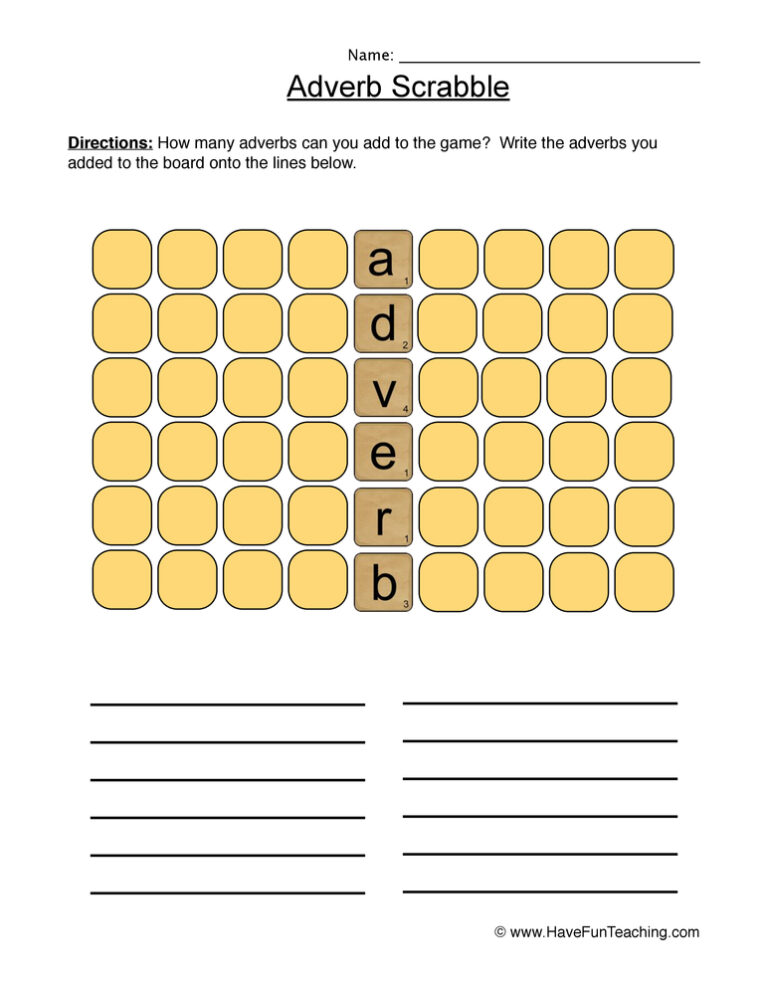
Using this Play Scrabble Adverbs Worksheet, students will be able to write adverbs while playing Scrabble to build their describing skills.

Using this Word Diving Deep Sorting Words Activity, students sort the word cards into categories (compare, addition, contrast, example, sequence, and summary) in order to see the relationship between various words in each category.
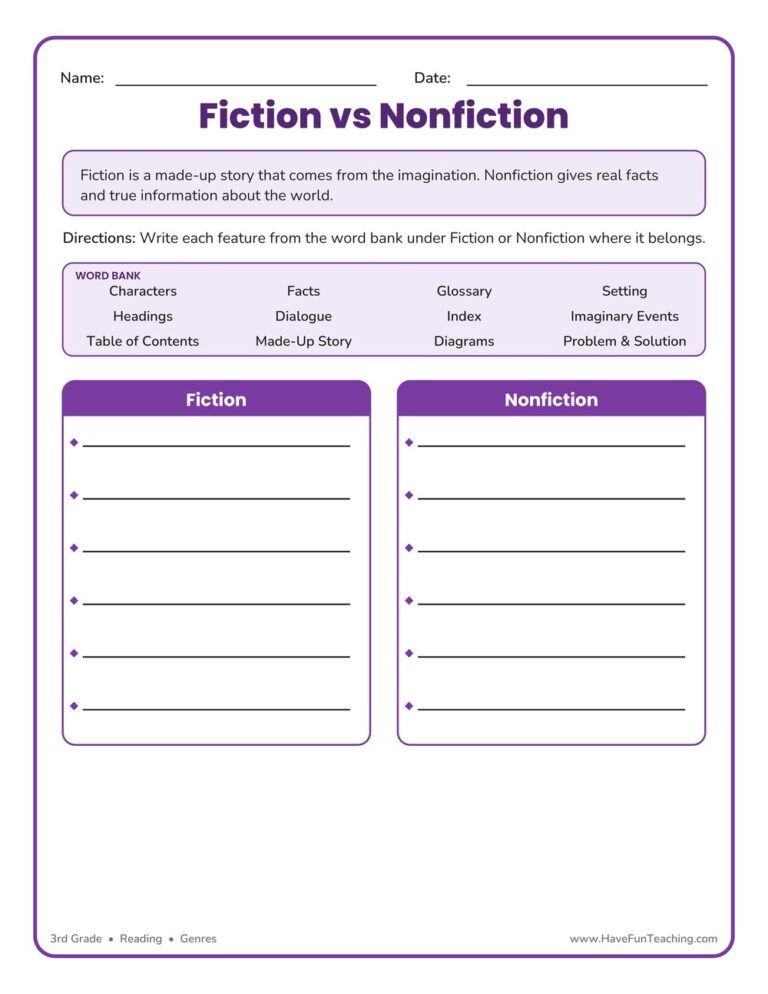
This fiction and nonfiction features worksheet has 3rd graders sort twelve text features into Fiction and Nonfiction columns. An answer key is included, making it a quick, no-prep way to build genre awareness.
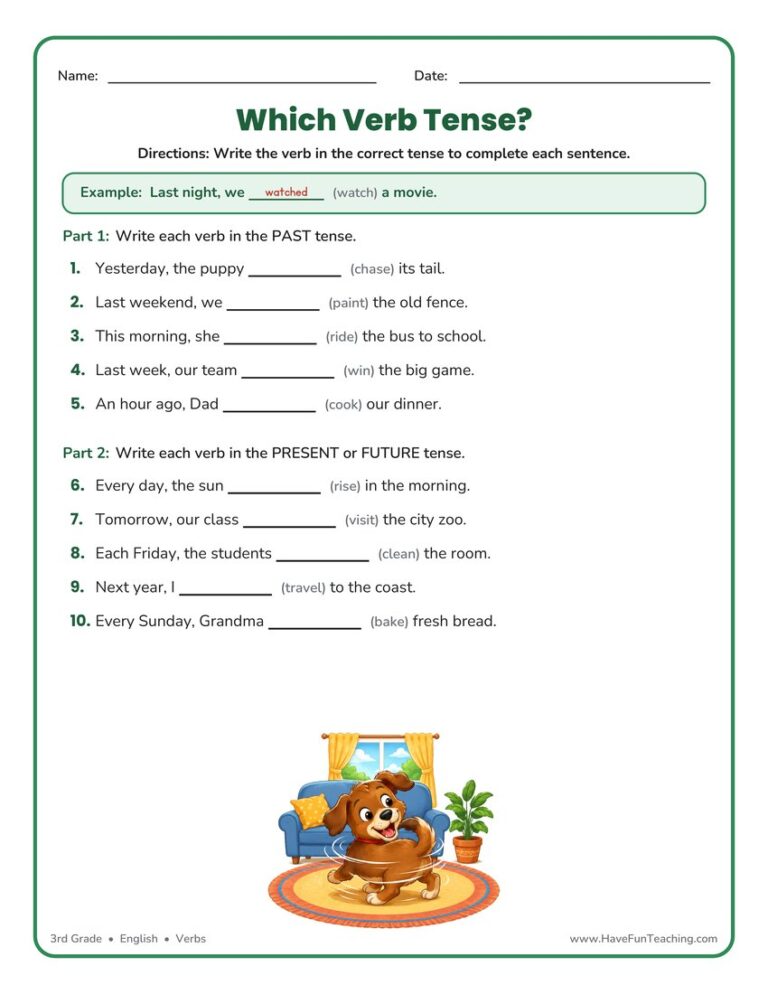
This Verb Tenses Fill in the Blank Worksheet helps 3rd graders choose the correct past, present, or future verb form using clear time clues. Answer key included—a quick, no-prep grammar practice for home or class.
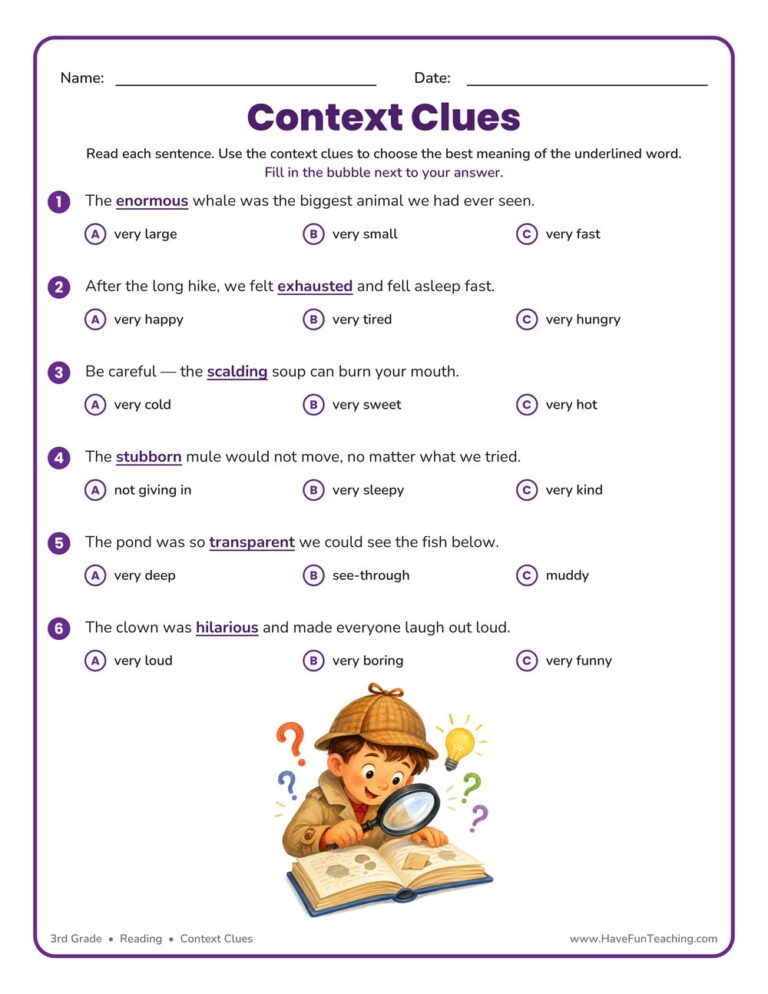
A 3rd grade Context Clues Worksheet with six multiple-choice sentences where students use the surrounding words to find the meaning of each underlined word. Answer key included for fast, no-prep vocabulary practice.
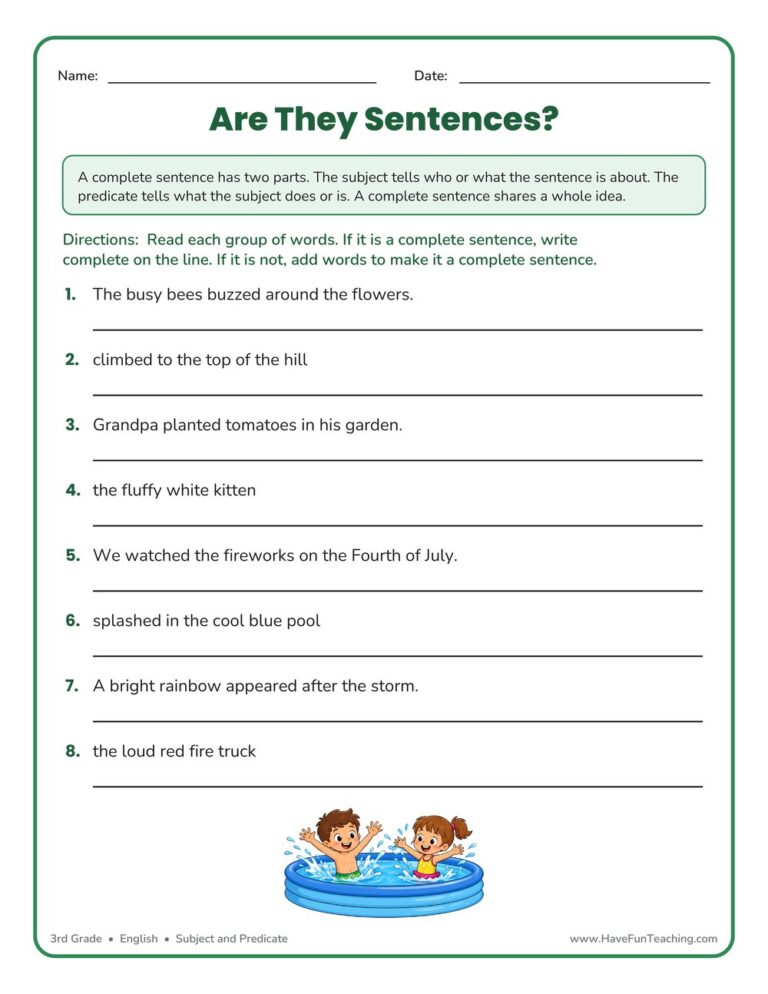
This Creating Complete Sentences Worksheet asks 3rd graders to spot complete sentences and fix fragments by adding a missing subject or predicate. Answer key included — perfect for quick, no-prep grammar practice at home or school.

Reviews
There are no reviews yet