

Total Solar Eclipse Worksheet
A diagram-based total solar eclipse worksheet where 5th graders label the umbra and penumbra, then explain why the Moon can cover the Sun. Answer key included for fast, no-prep space science practice.
$6.97
Or free with a membership — get this and 10,000+ resources. See plans
Teaching is easier with a membership
Unlimited printables, games & videos for PreK–6th — for your classroom or homeschool. Cancel anytime.
Start your 3-day free trialNo commitment · Cancel anytime · Instant access to 10,000+ resources
About this resource
Description
A total solar eclipse is one of the most memorable things a student will ever see in the sky, and it is also a clear, hands-on way to teach how the Sun, the Moon, and Earth move in relation to one another. This total solar eclipse worksheet asks fifth graders to look closely at an eclipse diagram, name the umbra and the penumbra, and explain why a moon that is far smaller than the Sun can still block all of its light. Along the way students practice the reasoning skills their state science assessment expects: reading a labeled model, pulling evidence from a short informational text, and writing an explanation in complete sentences.
This 5th grade earth science worksheet opens with a short Eclipse Facts panel written at grade level, so every student has the same information to work from. Part A asks them to label a Sun–Moon–Earth diagram using a word box. Part B asks three short-answer questions that require them to combine the facts with the diagram, including the classic 400-times-wider, 400-times-farther comparison. Part C is a constructed-response prompt about eclipse safety. Use it as an introduction before an eclipse, as independent practice during a space unit, as a science center, or as a quick review before a test.
What’s Included
- 1 print-ready PDF worksheet
- Answer key
- An Eclipse Facts reference panel written on grade level
- 5 diagram labels with a word box (Sun, Moon, Earth, umbra, penumbra)
- 3 short-answer questions and 1 constructed-response prompt
There are three reasons this total solar eclipse worksheet helps children learn the skill. First, the labeled diagram gives students a mental model they can picture later, which is far stronger than memorizing a definition. Second, the questions ask for explanations rather than one-word recall, so students have to put the cause and effect into their own words. Third, the safety prompt turns a science fact into a decision the child can actually make, which is exactly the kind of transfer that makes a lesson stick.
Teachers and parents can extend this lesson in simple ways. Have three students hold a ball, a marble, and a flashlight and walk the classroom through an eclipse in real time. Darken the room and let children watch how a small object held close casts a shadow as large as a distant one. Ask students to keep an eclipse journal, or to write a short news report describing what people in the path of totality would see and hear. Pairing the worksheet with a moon phases activity is an easy way to build the whole Sun–Earth–Moon system over a week.
Related Resources
What teachers say
Reviews
You must be logged in to post a review.

Put the eight planets in order from the Sun, then use that order to answer three questions and explain why Neptune is colder than Mercury. This solar system order worksheet for 5th grade includes an answer key.
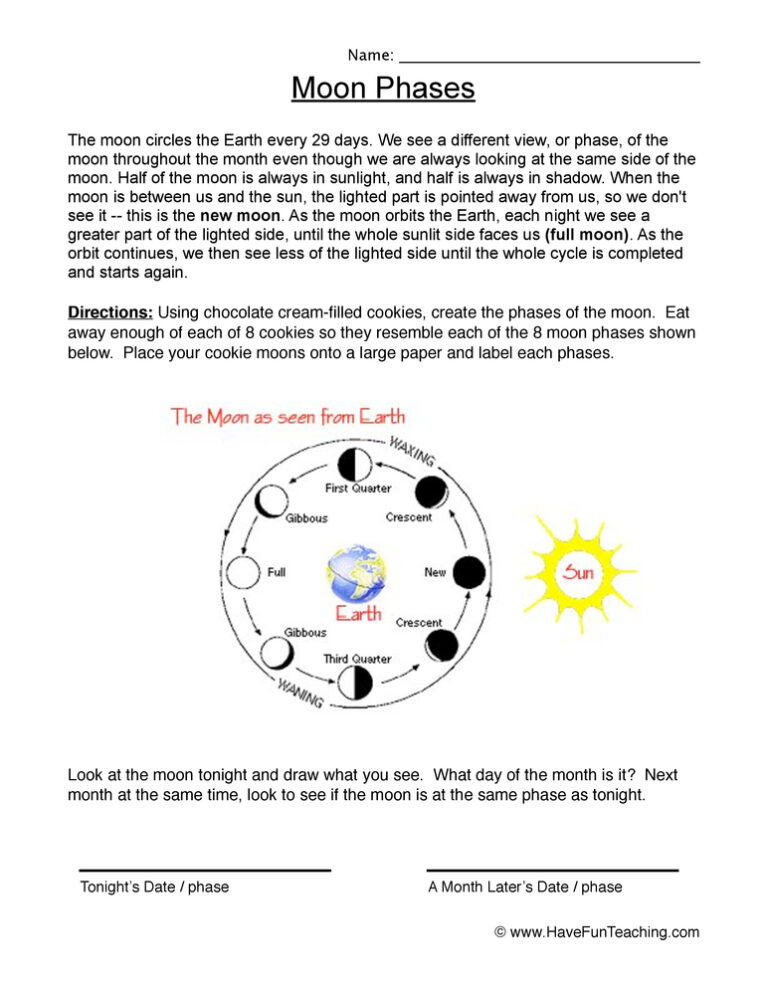
Using Moon Phases Cookies Worksheet, students create the phases of the moon out of cookies so they can understand the pattern of the moon.
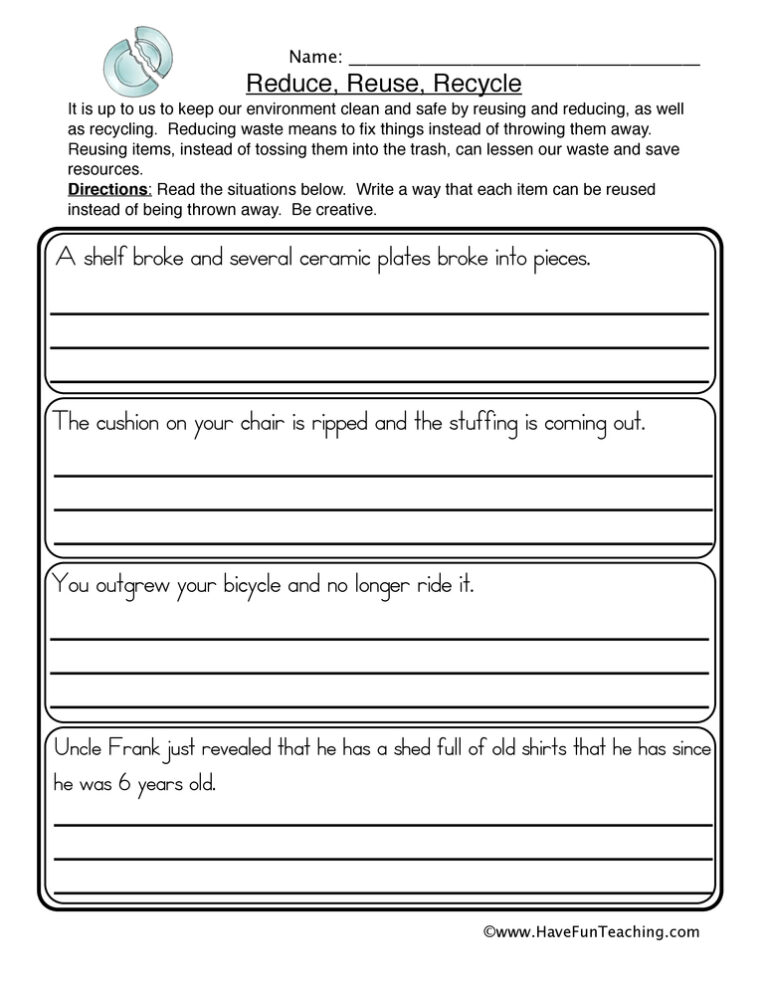
Using Reduce, Reuse, Recycle Scenarios Worksheet, students read the situations below and then, write a way that each item can be reused instead of being thrown away.

While watching the Creation Song, students learn about the days of Creation perfect for Sunday school, kid's church, and Bible lessons for kids. Bring joy and understanding into your kid's church, Sunday school, and classroom with this song about the days of Creation. Your kids will love a new way…
Using thisMoon Song (MP3), students learn about the phases of the moon through catchy, interesting lyrics.
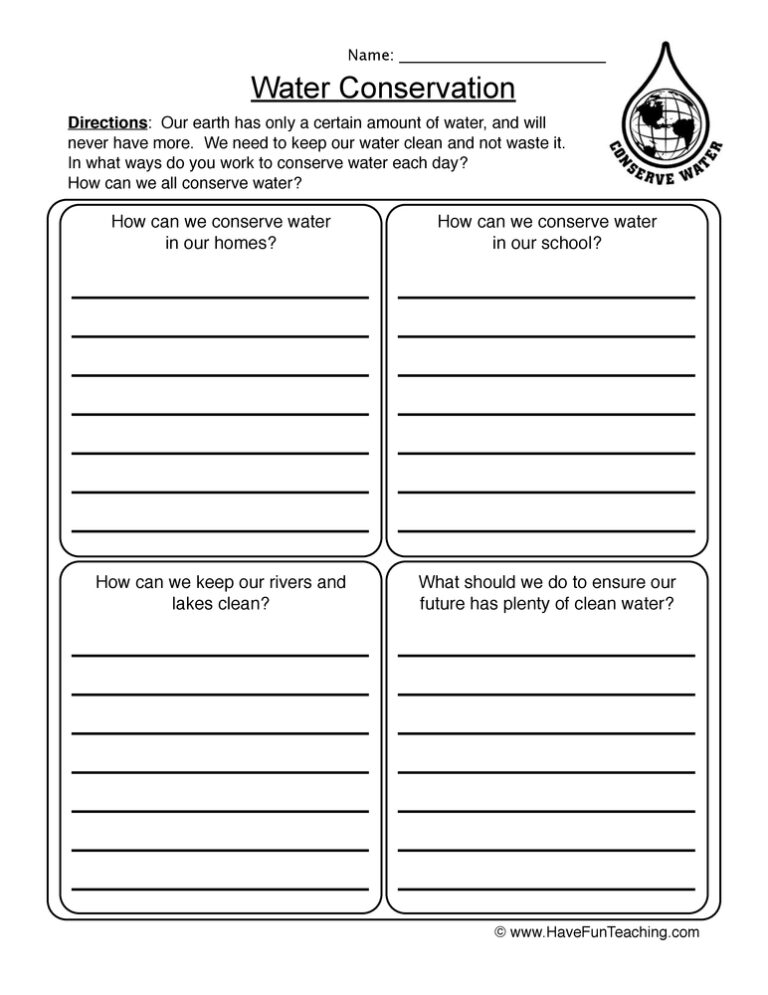
Using thisWater Conservation Worksheet, students explain how they can converse water at home, school, and take care of the public water.

Using this Physical Processes Worksheet, students research the four types of physical processes that affect changes on the earth.

Using Drawing Moon Phases Worksheet, students illustrate the phases of the moon so they can understand the pattern of the moon.

Using this Environmental Health Worksheet, students research the four types of pollution that affect the earth.

UsingInner Planets Worksheet, students research and record important facts about each of the inner planets in our solar system.

Using Rock Observation Worksheet, students observe and draw a rock, then use the word list to describe your rock.

Using Natural Resources Writing Worksheet, students write about renewable and nonrenewable resources in order to learn more about conservation.
Reviews
There are no reviews yet