
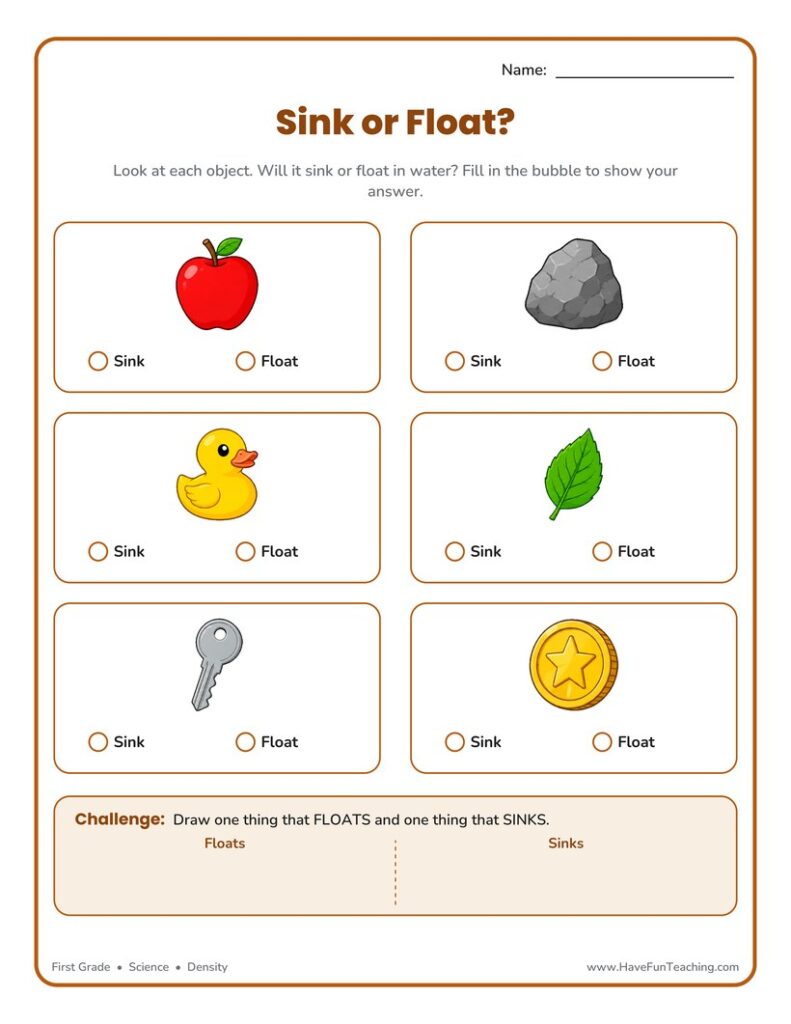
Sink Float Identify Worksheet
This sink float identify worksheet lets first graders predict whether an apple, rock, duck, and more will sink or float in water. Includes an answer key for a fun, hands-on introduction to density.
$6.97
Or free with a membership — members pay $3.33/mo for all 10,000+ resources. See plans
Want this one free?
Tell us where to send it and it’s yours — no card, no catch.
One free resource per teacher. We’ll also send free teaching ideas each week — unsubscribe anytime.
Teaching is easier with a membership
Unlimited printables, games & videos for PreK–6th — for your classroom or homeschool. Cancel anytime.
Start your 3-day free trial$0 today · cancel anytime · Instant access to 10,000+ resources
About this resource
Description
Learning whether objects sink or float is a young scientist’s first introduction to density. This sink float identify worksheet invites students to look at everyday objects and predict which ones will sink to the bottom and which ones will float on top of the water. It turns a simple science experiment into an easy, hands-on way to explore why some things are heavy for their size while others are light.
This first grade sink or float worksheet shows six familiar objects — an apple, a rock, a rubber duck, a leaf, a key, and a coin. For each one, students fill in the bubble to show whether it will sink or float, then use the challenge box to draw their own examples. Use it before or after a real water-tub experiment so children can compare their predictions with what actually happens.
What’s Included
- 1 print-ready PDF worksheet
- Answer key
- 6 sink-or-float picture prompts plus a draw-your-own challenge
This sink float identify worksheet helps kids in three ways. First, it builds early science reasoning as students make and then check their predictions. Second, it introduces the idea of density in a concrete, picture-based way that first graders can understand. Third, the fill-in-the-bubble format keeps the page tidy and builds confidence while children practice a real physical science skill.
Teachers and parents can bring this lesson to life in many ways. Fill a tub or sink with water and test each object from the worksheet, then talk about any surprises. Go on a sink-or-float hunt around the house or classroom and sort the objects you find. Challenge students to make a piece of clay float by changing its shape, or to guess and test before every splash.
Related Resources
What teachers say
Reviews
You must be logged in to post a review.
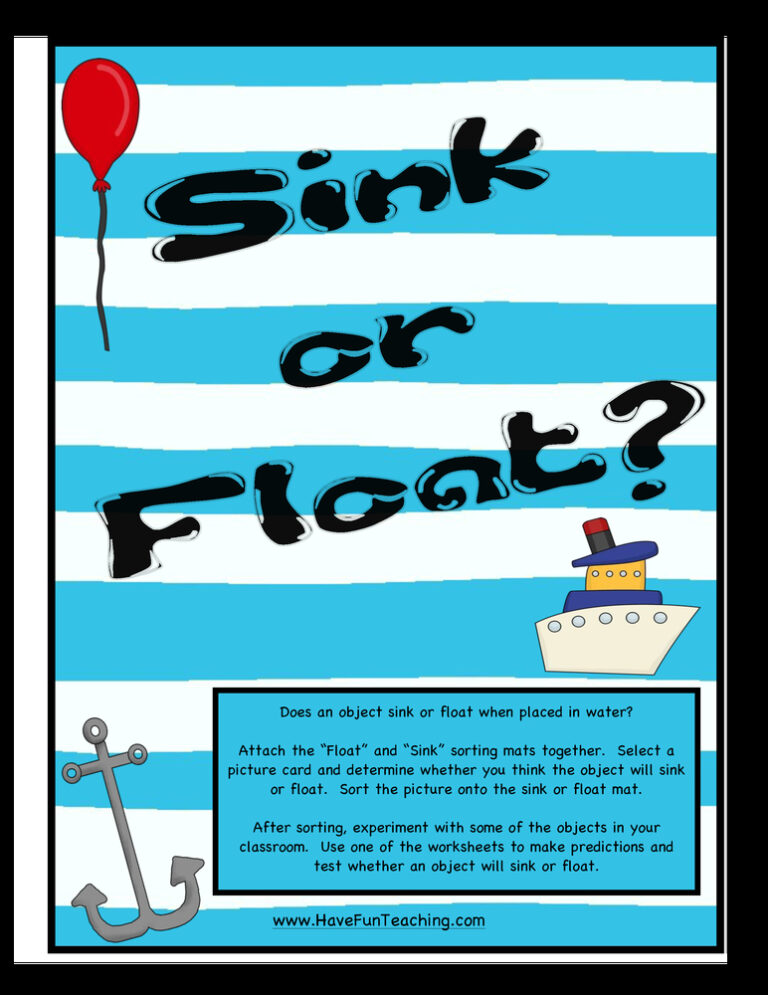
Using Sink or Float Activity, students sort the picture onto the sink or float mat to identify objects that sink and float.
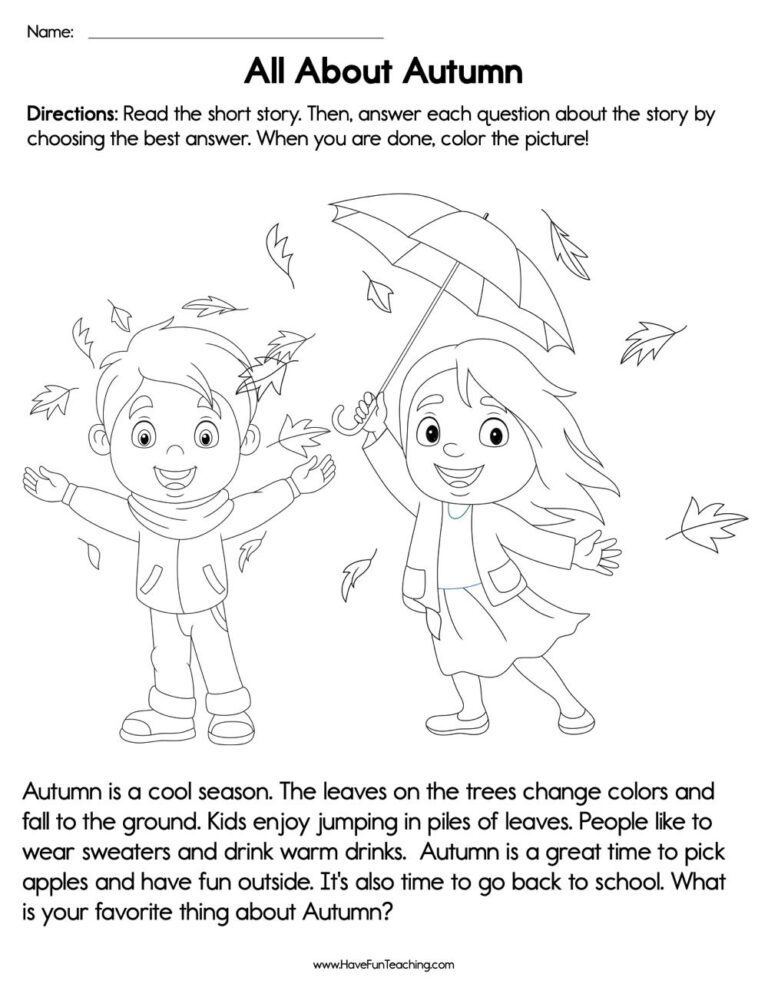
The All About Autumn Reading Comprehension Worksheet gives 1st graders a short fall passage and multiple-choice questions to build reading comprehension. An answer key is included for quick, no-prep practice at home or school.

The Matter Song teaches all about matter and the states of matter. With this states of matter song, students learn about solid, liquid, and gas, as well as the phases of matter, properties of matter, physical changes, chemical changes, and so much more. Matter has mass and takes up space.…

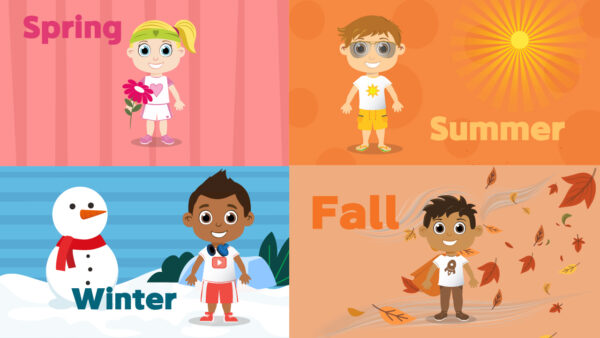
The Seasons Song by Have Fun Teaching is perfect for teaching and learning all about the seasons of the year. This is a fun way for kids to learn the seasons. With this seasons song, your kids can learn about Spring, Summer, Fall, and Winter. While listening to the Seasons…

This Categorizing Objects Worksheet helps 1st graders read nine words and sort them into groups like animals, food, and colors. Includes a complete answer key for quick, no-prep classification practice.

This magnetic objects worksheet lets 1st graders circle pictures and words to show which things a magnet will pull. An answer key is included for quick checking.
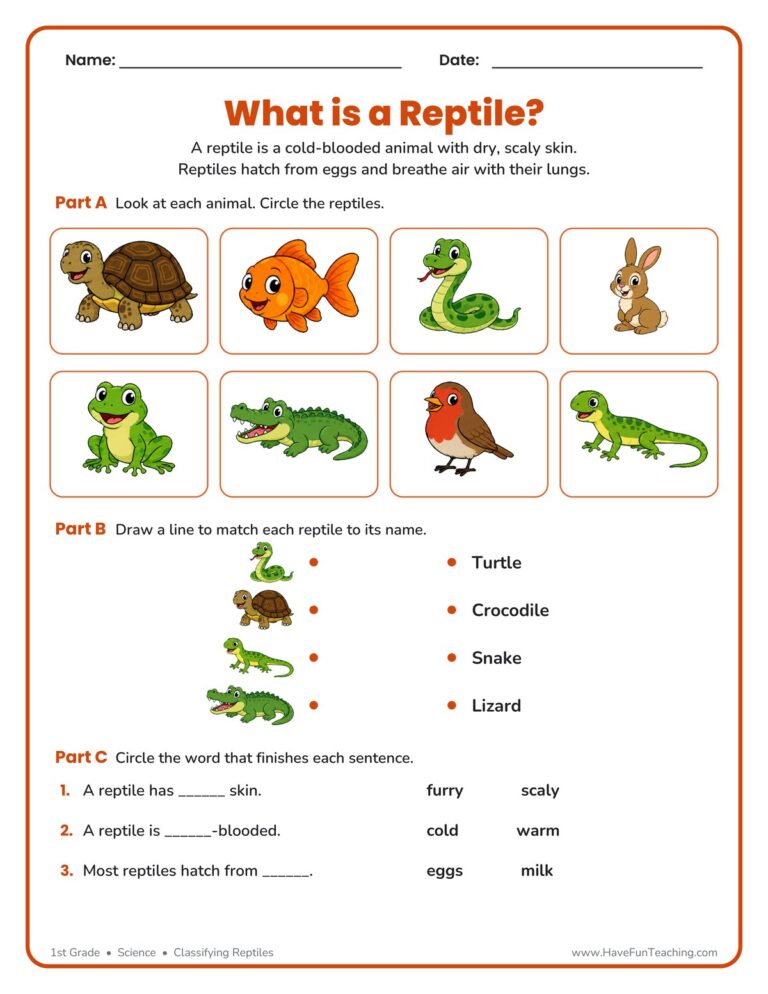
This reptile classification worksheet helps 1st graders sort animals by circling reptiles, matching them to their names, and completing simple reptile facts. Includes a complete answer key for fast, no-prep life science practice.
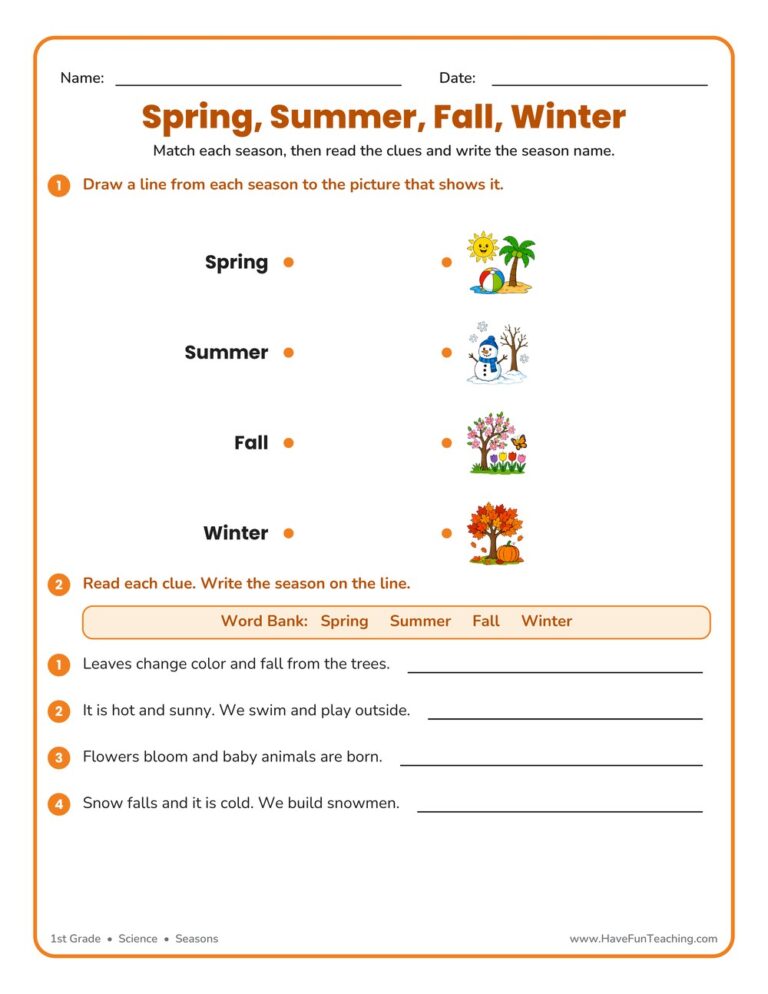
A colorful seasons of the year matching worksheet where 1st graders match spring, summer, fall, and winter to pictures, then write each season from a clue. Answer key included — perfect for no-prep science practice.
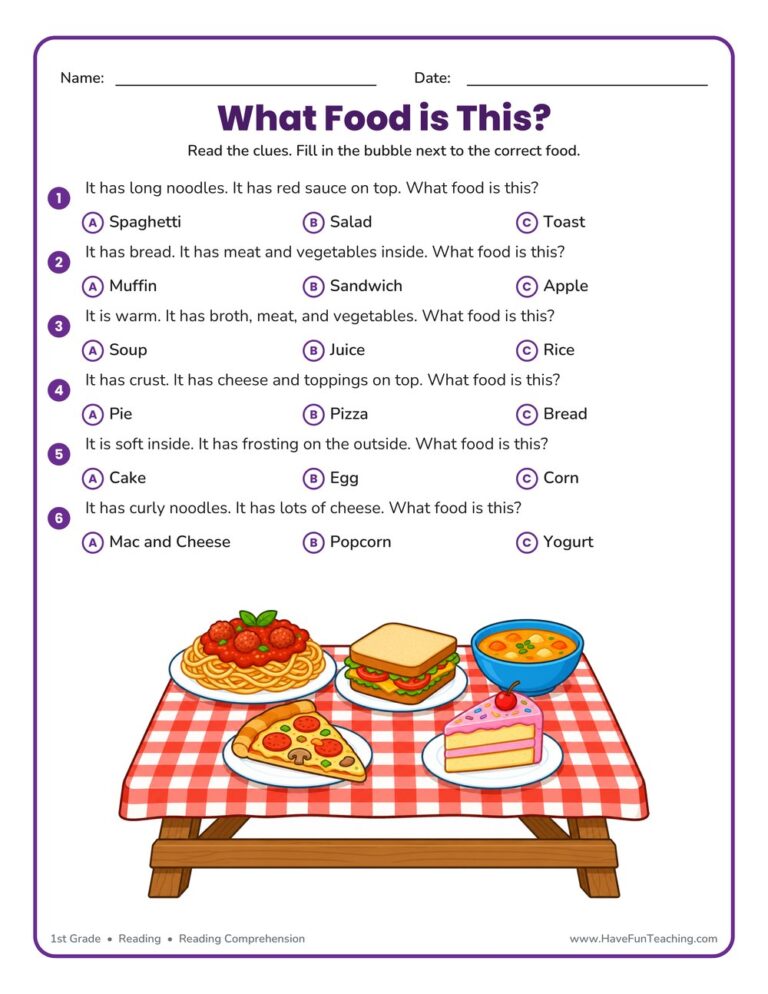
This what food is this reading comprehension worksheet lets 1st graders read food clues and choose the correct food in six fun riddles. Includes a complete answer key — great for quick, no-prep reading practice.
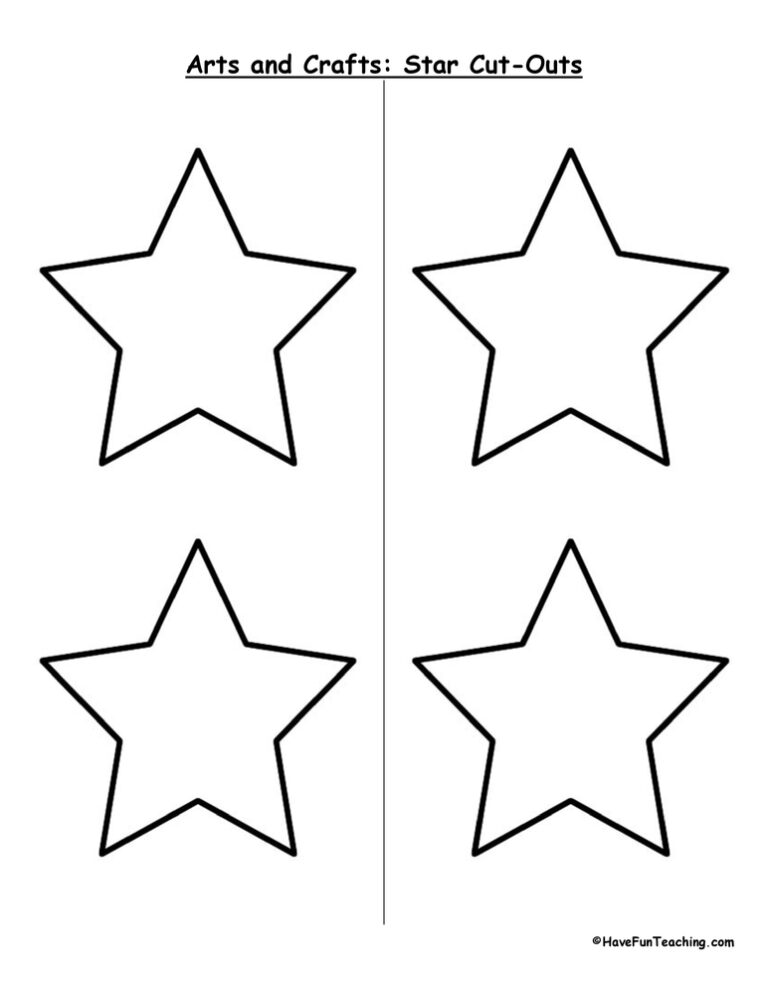
These Star Cut Outs will quickly give you templates for classroom decoration or student activities.

This Count Classify and Sort Worksheet has 1st graders group nine animal pictures into birds, fish, and bugs, count each group, and compare them. Answer key included for quick, no-prep practice.
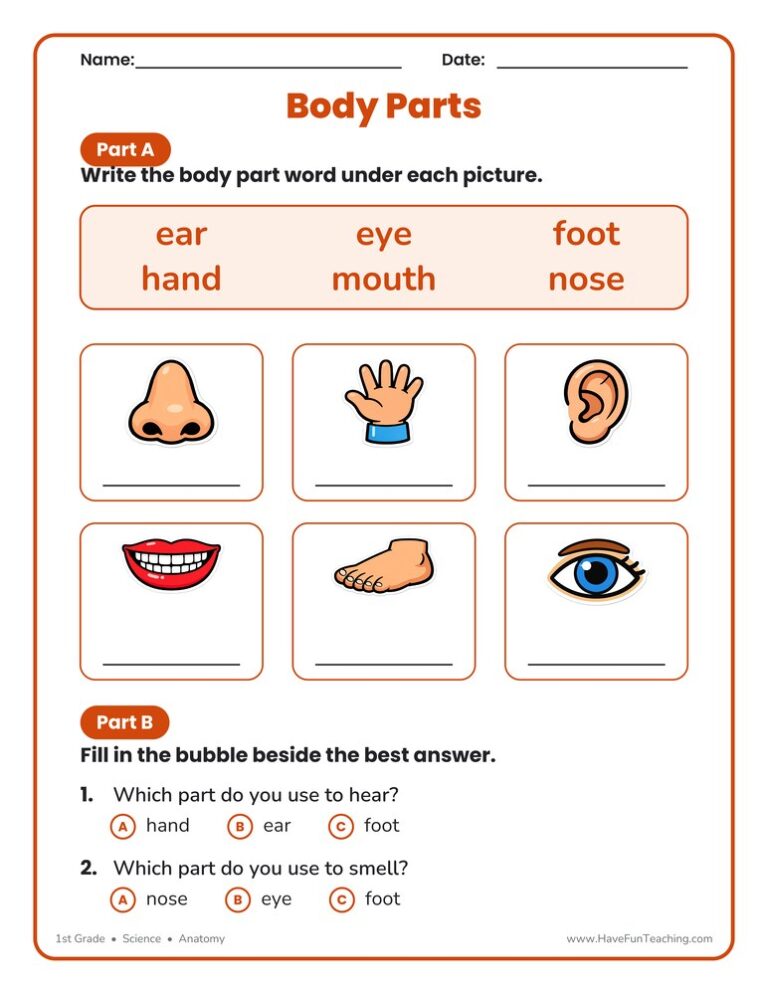
This Body Parts Worksheet helps 1st Grade students name the nose, hand, ear, mouth, foot, and eye with a picture word bank, then show what each part does. Answer key included.
Reviews
There are no reviews yet