

Sink Float Examples Worksheet
This Sink Float Examples Worksheet has 3rd graders sort eight everyday objects into Sinks and Floats columns, then name the object in four sentences. Answer key included for hands-on science practice.
$6.97
Or free with a membership — members pay $3.33/mo for all 10,000+ resources. See plans
Want this one free?
Tell us where to send it and it’s yours — no card, no catch.
One free resource per teacher. We’ll also send free teaching ideas each week — unsubscribe anytime.
Teaching is easier with a membership
Unlimited printables, games & videos for PreK–6th — for your classroom or homeschool. Cancel anytime.
Start your 3-day free trial$0 today · cancel anytime · Instant access to 10,000+ resources
About this resource
Description
Why does a brick drop to the bottom of a tank while an apple bobs on the surface? That question is the first door into density, and it is the question this Sink Float Examples Worksheet puts in front of third graders. Instead of asking them to guess, it gives them eight familiar objects and asks them to decide, one at a time, which ones the water holds up and which ones it does not.
The sheet opens with a word box of eight everyday objects and a two-column chart headed Sinks and Floats. Students write each object in the column where it belongs, which forces a real decision about every single one rather than a quick sort of the obvious ones. The second half turns the skill around: four sentences each describe one object in water, and the student names the object and writes what it does. Every answer is keyed to how the object actually behaves, so this kindergarten density worksheet topic is handled here at real 3rd-grade rigor. An answer key is included.
What’s Included
- 1 print-ready PDF worksheet
- Answer key
- A word box of 8 everyday objects
- A two-column Sinks and Floats sorting chart
- 4 sentence items with object and answer lines
There are three reasons this resource helps children understand sinking and floating. First, the eight objects are chosen so that weight alone will not predict the answer: a small steel nail sinks while a much larger apple floats, which is exactly the puzzle density explains. Second, the objects in this Sink Float Examples Worksheet are printed in alphabetical order, so the box never hints at which column a word belongs in. Third, the four sentence items use different objects from the box, so students cannot answer the second half by copying the first.
Teachers and parents can turn this into a hands-on lesson in minutes. Fill a clear tub with water and test the real objects, one at a time, after students have committed to a prediction on paper. Ask what a prediction got wrong and why. Try the same object twice, once whole and once in pieces, and talk about what changed. A ball of clay that sinks and the same clay shaped into a boat that floats is the demonstration children remember longest.
Related Resources
What teachers say
Reviews
You must be logged in to post a review.

This Density and Volume in Metric Worksheet asks 3rd graders to choose the best metric unit—grams, kilograms, milliliters, or liters—for ten everyday objects. Answer key included for fast, no-prep measurement practice.
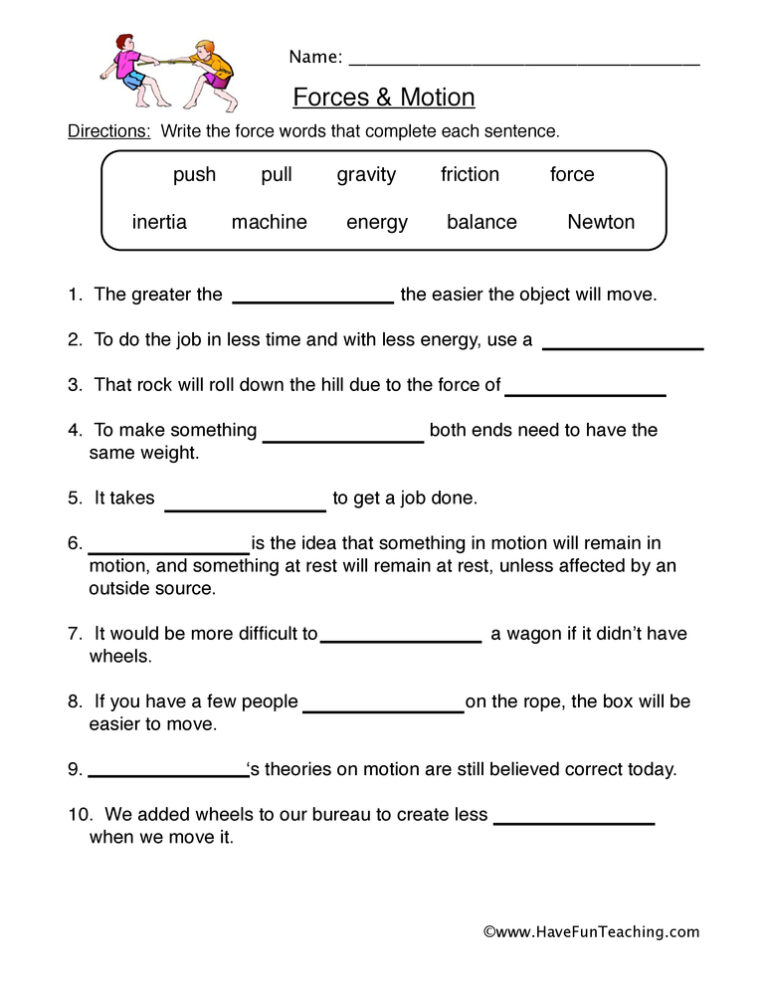
A 3rd grade forces motion worksheet where students use a word bank to complete eight sentences about force, push, pull, gravity, friction, motion, speed, and magnets. Includes an answer key for easy, no-prep science practice.

This who what when where why graphic organizer worksheet helps 3rd graders record the five key details — who, what, when, where, and why — from any story or article. A clear, reusable note-taking template.
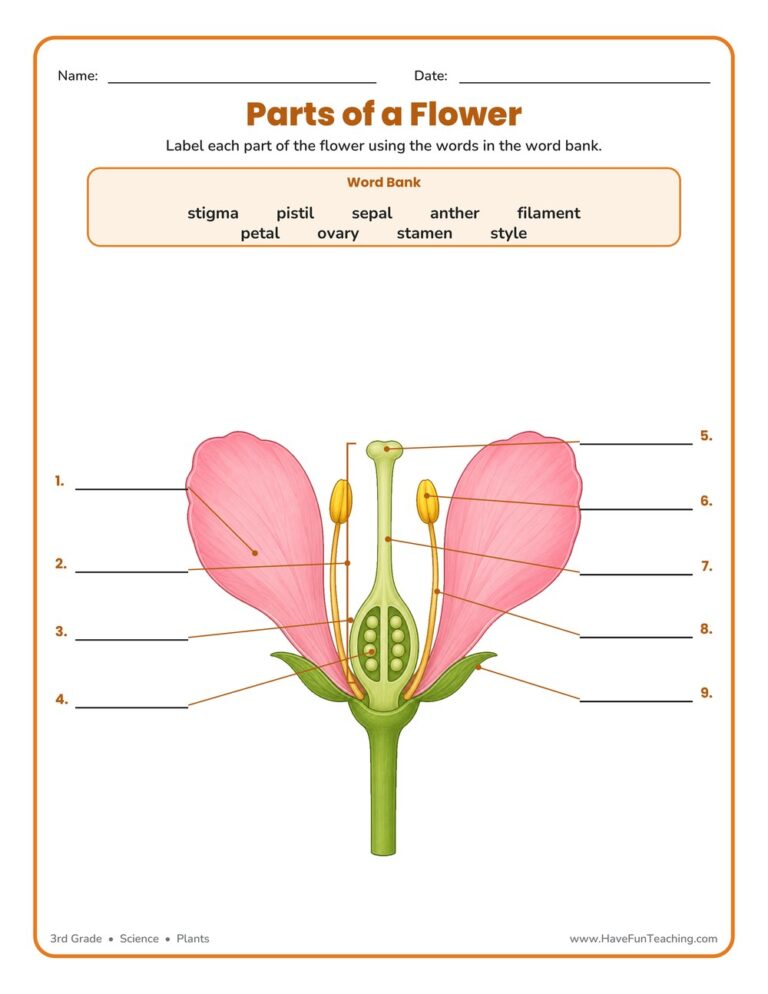
A third grade flower parts of a plant worksheet where students label the nine parts of a flower — petal, sepal, stamen, pistil, and more — using a word bank. Includes a complete answer key for quick, no-prep life science practice.

The Matter Song teaches all about matter and the states of matter. With this states of matter song, students learn about solid, liquid, and gas, as well as the phases of matter, properties of matter, physical changes, chemical changes, and so much more. Matter has mass and takes up space.…

While listening the Scientific Method Song (Animated Music Video), students learn about seven steps of the scientific method while listening to a catchy song.

The Seasons Song by Have Fun Teaching is perfect for teaching and learning all about the seasons of the year. This is a fun way for kids to learn the seasons. With this seasons song, your kids can learn about Spring, Summer, Fall, and Winter. While listening to the Seasons…
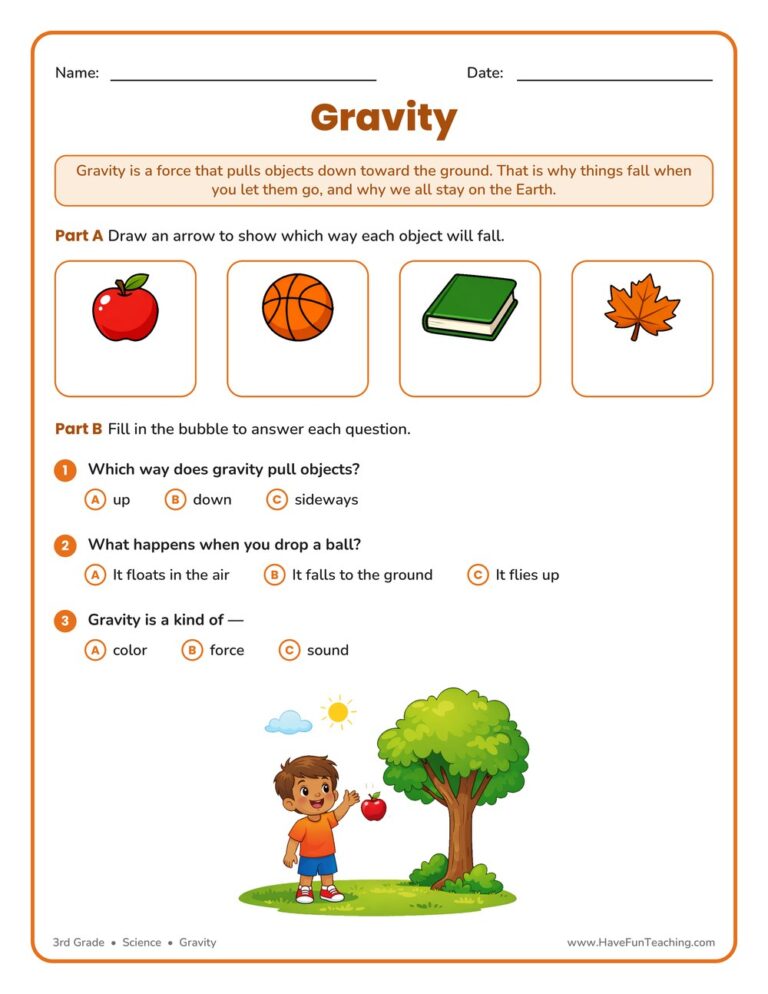
This falling gravity worksheet helps 3rd graders show which way objects fall and explain how gravity pulls things down. Answer key included — a quick, no-prep way to practice force and motion at home or in class.

This physical properties matter worksheet gives 3rd grade students practice naming color, texture, size, shape, and mass, plus states of matter. An answer key is included, so checking work takes seconds.

This many states of water worksheet gives 3rd grade students practice naming solid, liquid, and gas and the changes between them. Answer key included, so checking work takes seconds.
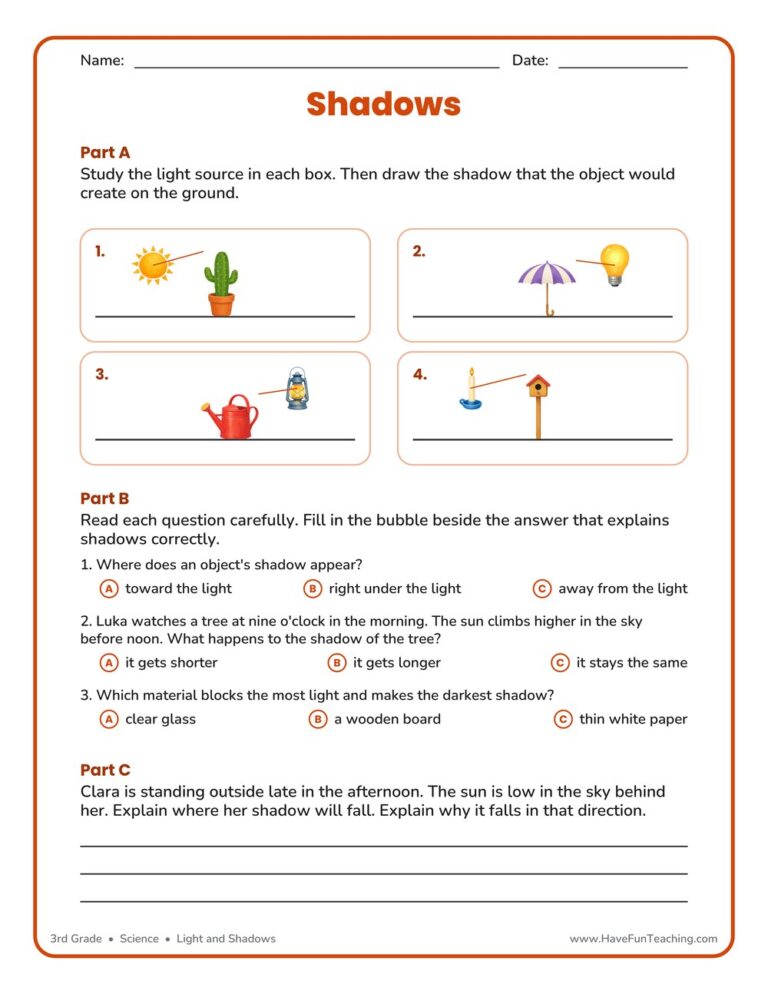
A shadows drawing worksheet where 3rd graders study four light sources, draw the shadow each object casts, and explain why it falls where it does. Answer key included for quick, no-prep science practice.
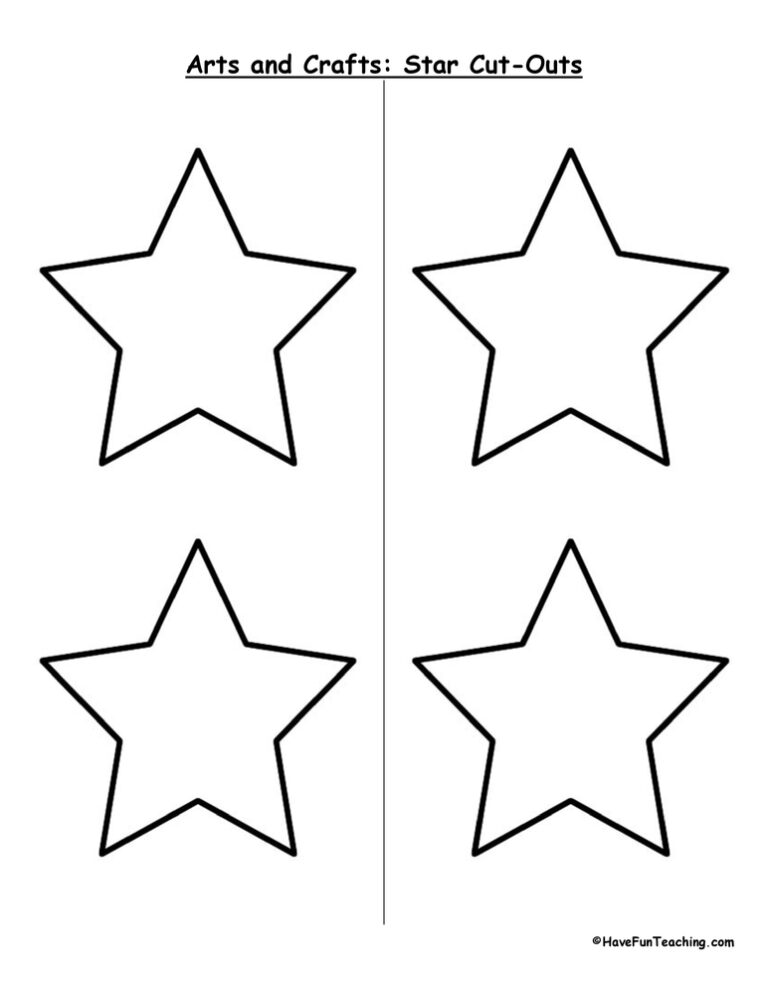
These Star Cut Outs will quickly give you templates for classroom decoration or student activities.




Reviews
There are no reviews yet