
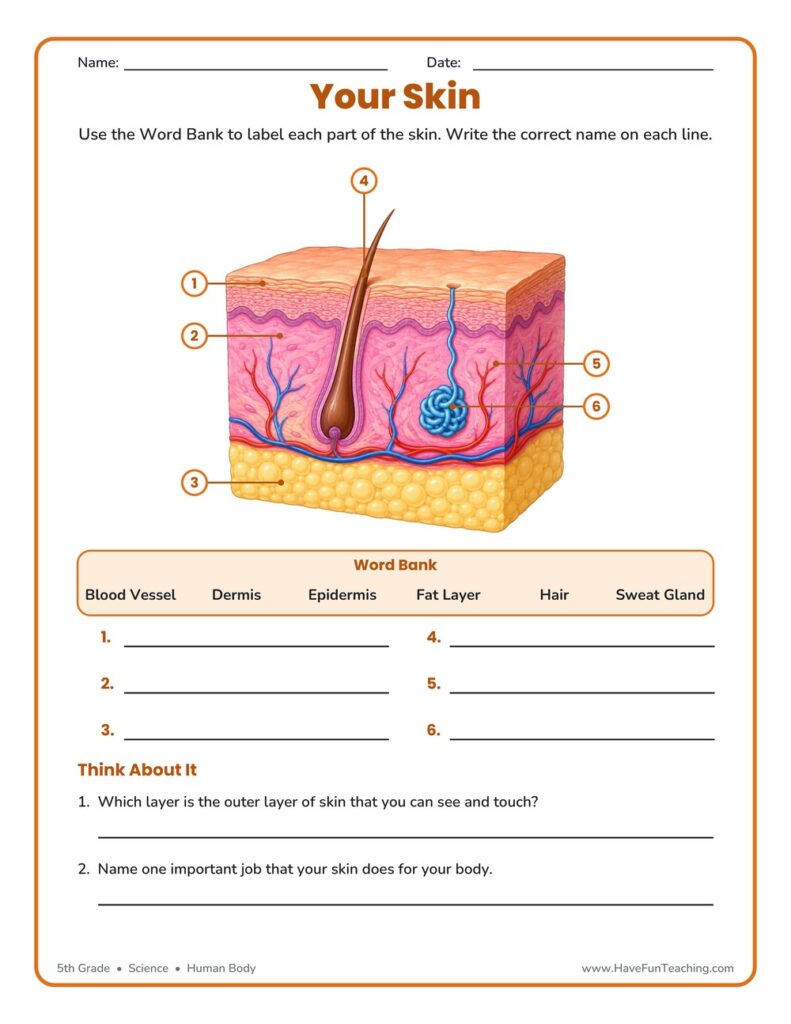
Skin Diagram Worksheet
This Skin Diagram Worksheet has 5th graders label the epidermis, dermis, fat layer, and more on a clear skin cross-section. Includes an answer key—perfect for a no-prep human body science lesson.
$6.97
Or free with a membership — members pay $3.33/mo for all 10,000+ resources. See plans
Want this one free?
Tell us where to send it and it’s yours — no card, no catch.
One free resource per teacher. We’ll also send free teaching ideas each week — unsubscribe anytime.
Teaching is easier with a membership
Unlimited printables, games & videos for PreK–6th — for your classroom or homeschool. Cancel anytime.
Start your 3-day free trial$0 today · cancel anytime · Instant access to 10,000+ resources
About this resource
Description
The skin is the body’s largest organ, and this Skin Diagram Worksheet helps 5th grade students explore how it is built. By studying a clear cross-section of the skin, children learn to identify each layer and structure—from the outer epidermis all the way down to the fat layer—and begin to understand the important jobs the skin does for the body every day. Learning the parts of the skin gives students a strong foundation in human body science and anatomy vocabulary.
This printable label the skin worksheet gives students an unlabeled diagram of a skin cross-section with six numbered markers pointing to key parts. Using the word bank, students write the correct name—epidermis, dermis, fat layer, hair, blood vessel, and sweat gland—on each numbered line, then answer two short “Think About It” questions to check their understanding. Teachers can use it during a human body unit, as a quick review, or as a simple assessment.
What’s Included
- 1 print-ready PDF worksheet
- Answer key
- A labeled skin cross-section diagram with a 6-word word bank and 2 comprehension questions
This skin diagram worksheet helps children learn in three ways. First, matching each word to the correct part of the diagram builds science vocabulary and careful observation skills. Second, working from a realistic cross-section helps students picture how the layers of skin stack together and connect. Third, the two short-answer questions ask students to explain what the skin actually does, moving them from simply labeling to real understanding of the human body.
For even more fun, invite students to feel the texture of their own skin and describe what it protects. Parents and teachers can pair this activity with a hands-on lesson on the five senses, have students draw and label their own skin diagram from memory, or connect it to a friendly discussion about keeping skin healthy with sunscreen, water, and clean hands. Turning the six labels into flashcards makes a quick, playful review before a quiz.
Related Resources
What teachers say
Reviews
You must be logged in to post a review.
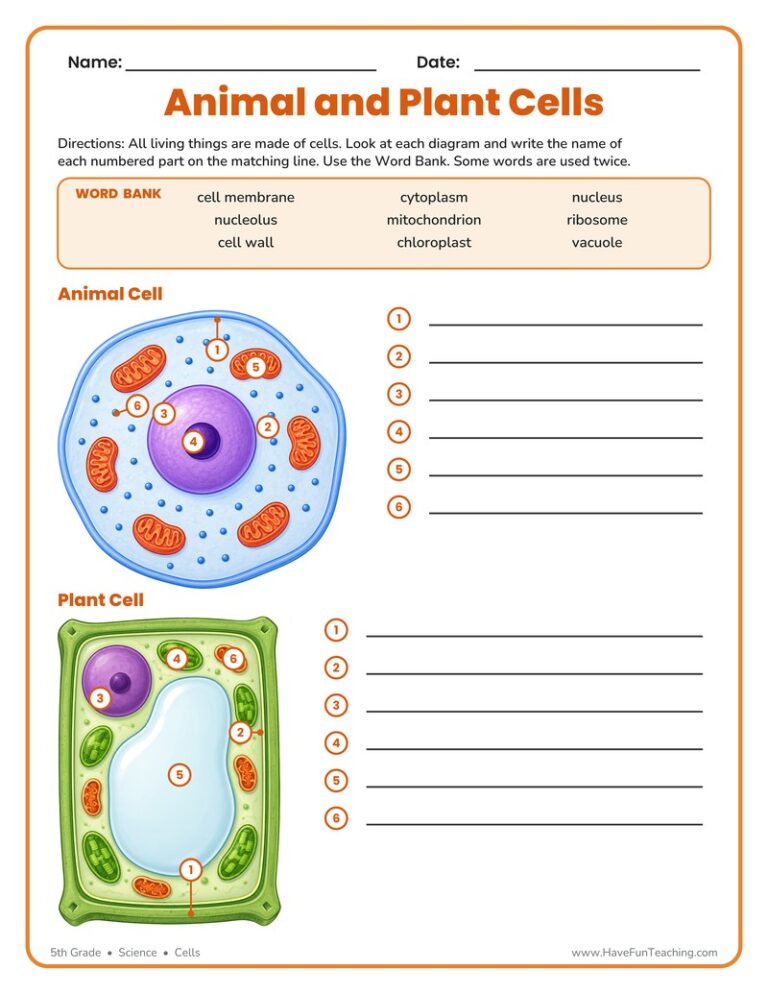
This Animal and Plant Cells Worksheet asks 5th grade students to label the organelles of an animal cell and a plant cell using a word bank. Answer key included for fast, no-prep science review.
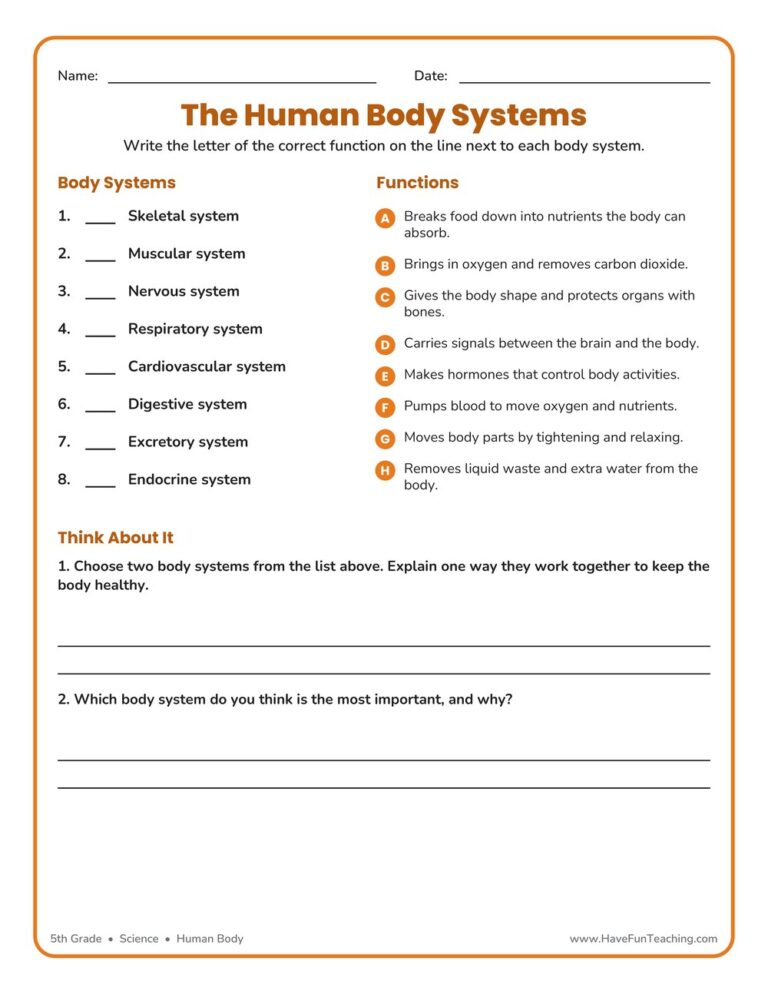
This human body systems worksheet has 5th graders match eight major body systems to their functions and reflect on how they work together. Answer key included for quick, no-prep science review.
While Parts of the Body Song (MP3), students learn about the different parts of the body while listening to catchy lyrics.
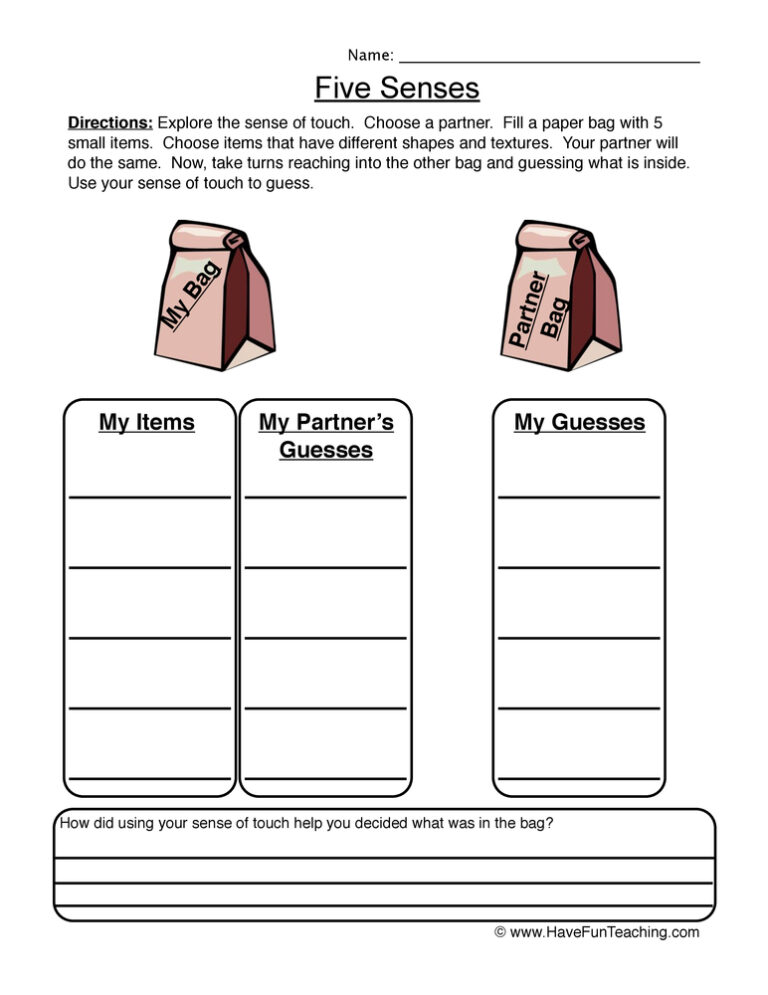
Using What is in the Bag? Five Senses Worksheet, students guess what object is in the bag using the provided Five Sense clues with a partner.
Using this Muscular System Writing Worksheet, students read and then write about each part of the muscular system and explain its function in our body.
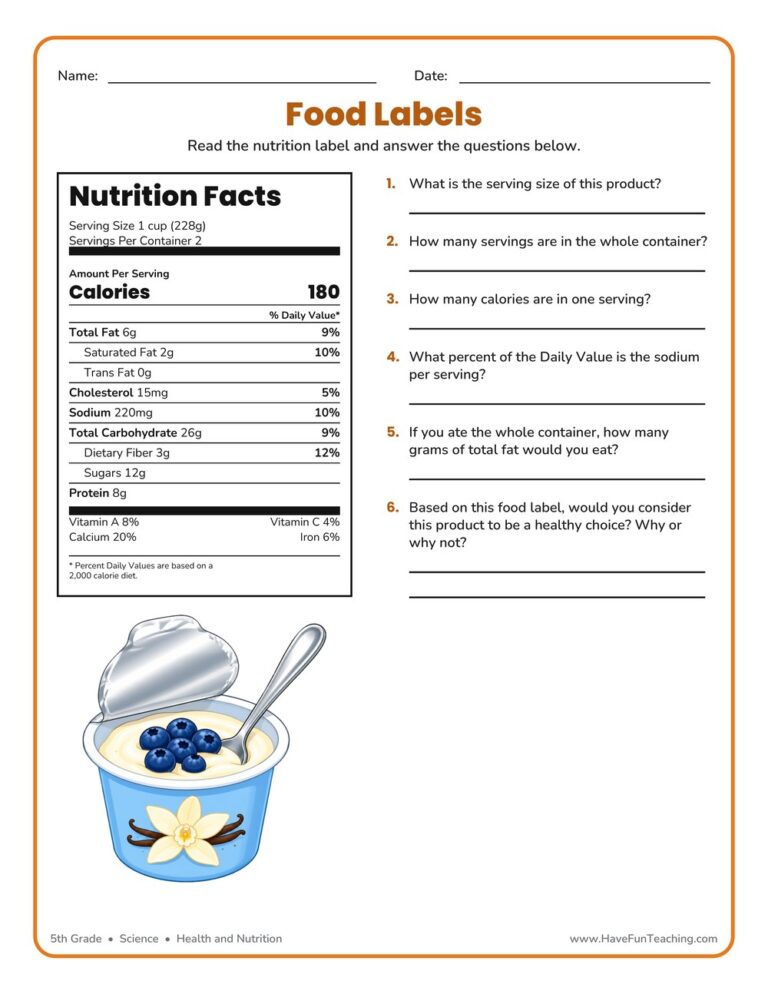
A 5th grade reading food labels worksheet where students study a real Nutrition Facts panel to find serving size, calories, and daily values. Includes a complete answer key for fast, no-prep nutrition practice.

This Classifying Matter Worksheet helps 5th graders sort substances into elements, compounds, and mixtures using a handy reference chart. Includes an answer key — perfect for no-prep physical science practice at home or in class.

The Matter Song teaches all about matter and the states of matter. With this states of matter song, students learn about solid, liquid, and gas, as well as the phases of matter, properties of matter, physical changes, chemical changes, and so much more. Matter has mass and takes up space.…

While listening the Scientific Method Song (Animated Music Video), students learn about seven steps of the scientific method while listening to a catchy song.
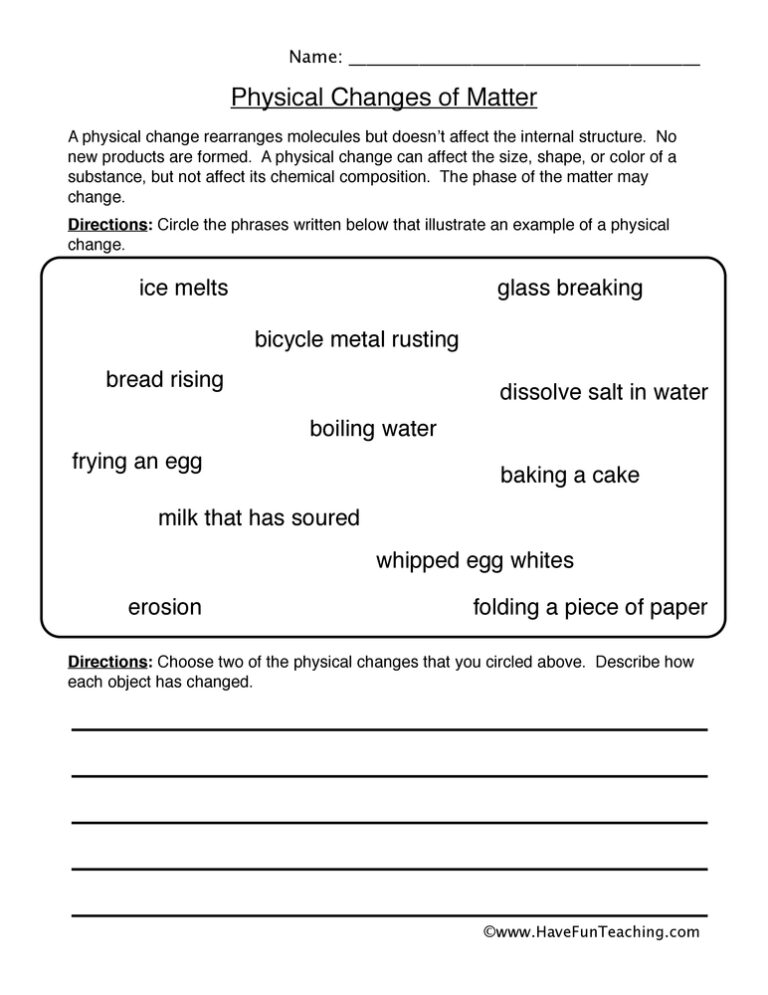
This physical changes matter worksheet asks 5th Grade students to sort eight everyday changes, label three states of matter, and explain their thinking, with an answer key included for fast grading.

This Physical Changes Examples Worksheet gives 5th Grade students six sorting items and two written-response questions on physical and chemical change, answer key included, so classifying matter becomes second nature.
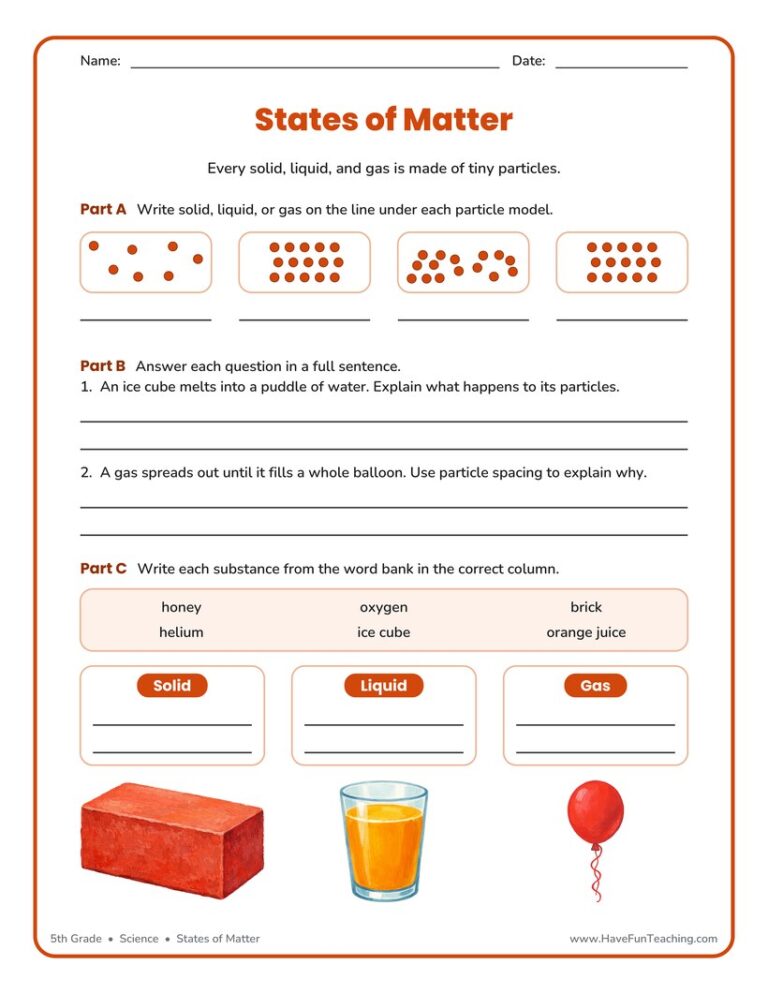
This Identifying States of Matter Worksheet has 5th graders read particle models, explain melting and gas expansion, and sort six everyday substances into solids, liquids, and gases. An answer key is included for fast, confident grading.




Reviews
There are no reviews yet