Skip to content
Start My 3 Free Days $0 today · cancel anytime

Human Body Worksheets

36 human body worksheets. Teacher favorites: Label Skeletal System Worksheet and Skin Diagram Worksheet. How teachers use these

Human Body Worksheets

36 human body worksheets. Teacher favorites: Label Skeletal System Worksheet and Skin Diagram Worksheet. How teachers use these

Worksheet
Worksheet4th GradeLabel Skeletal System Worksheet

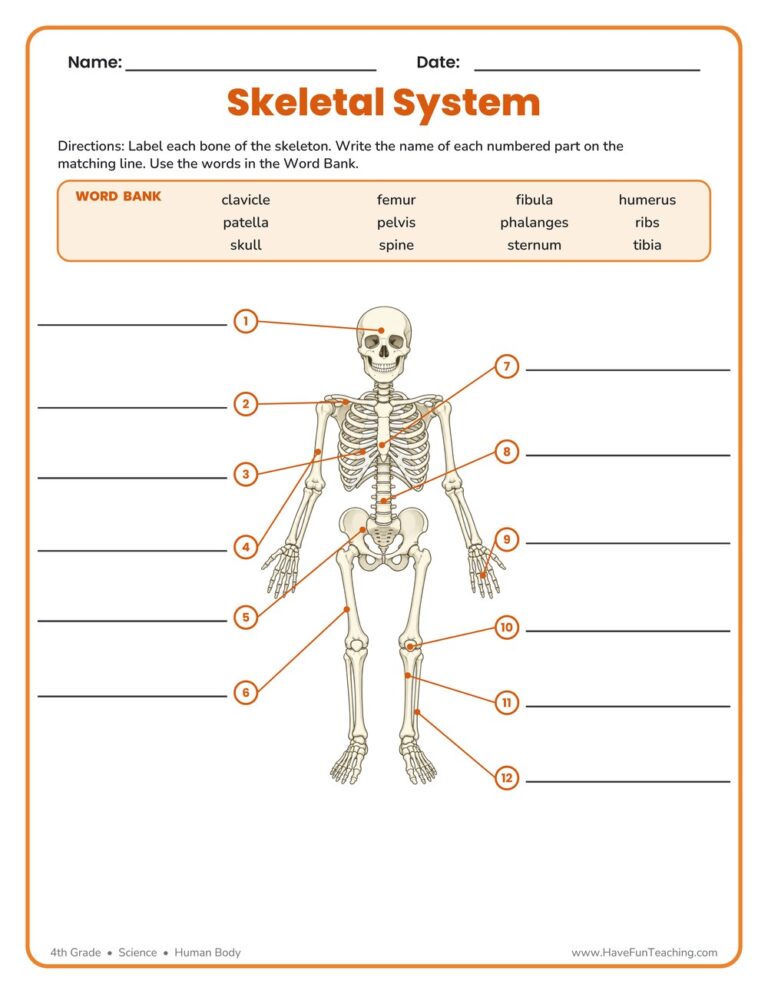
This Label Skeletal System Worksheet lets 4th grade students identify and name twelve major bones on a clear skeleton diagram using a word bank. An answer key is included for quick, no-prep human body practice.

Worksheet
Worksheet5th GradeSkin Diagram Worksheet

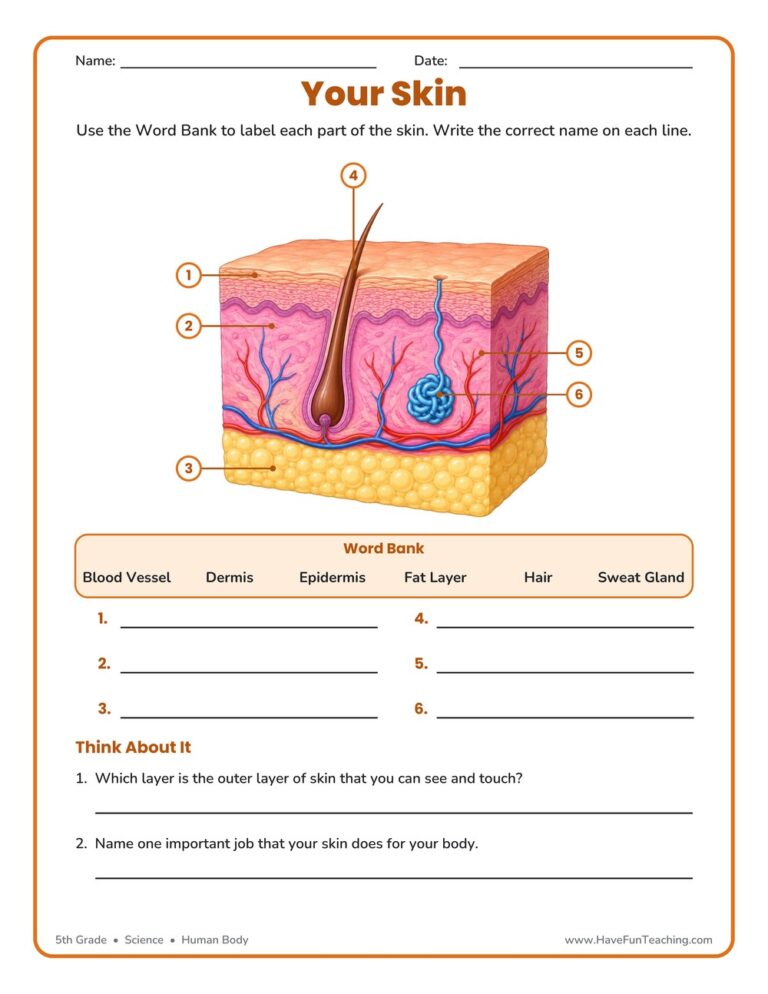
This Skin Diagram Worksheet has 5th graders label the epidermis, dermis, fat layer, and more on a clear skin cross-section. Includes an answer key—perfect for a no-prep human body science lesson.

Worksheet
Worksheet4th GradeMuscular System Research Worksheet

This Muscular System Research Worksheet has 4th graders name the three muscle types, sort voluntary and involuntary actions, and explain their thinking. Answer key included, so checking work takes seconds.

Worksheet
Worksheet5th GradeHuman Body Systems Worksheet

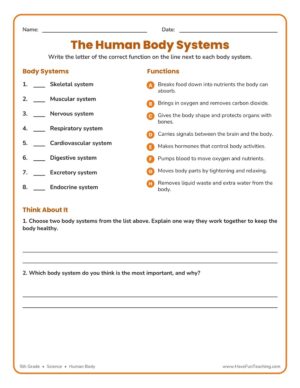
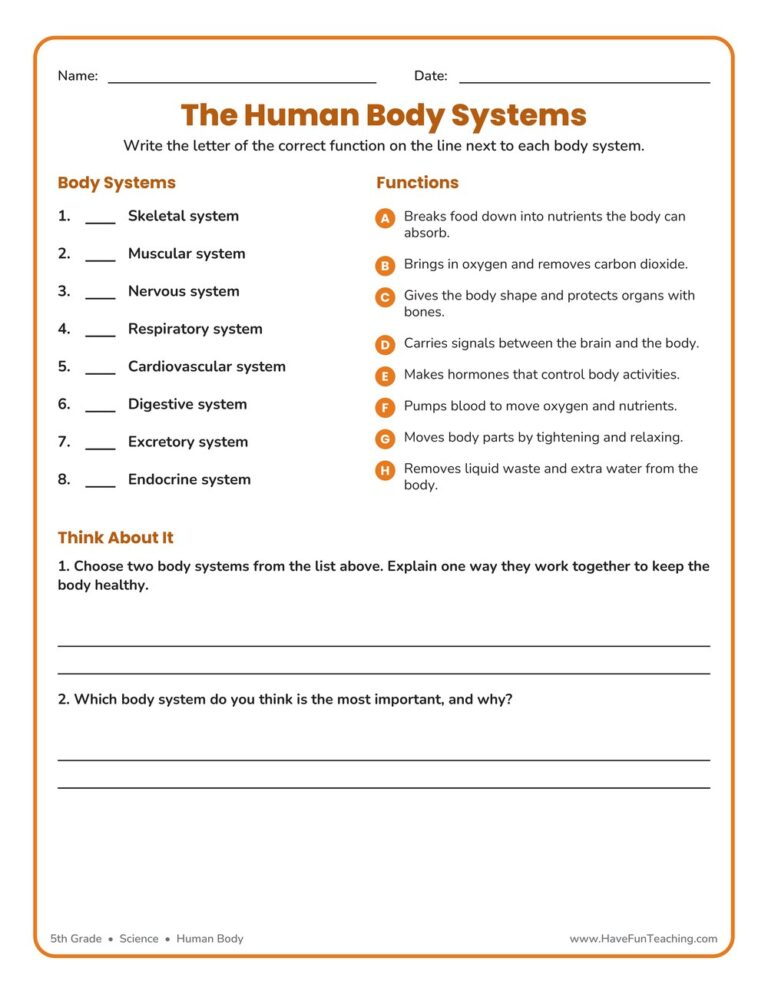
This human body systems worksheet has 5th graders match eight major body systems to their functions and reflect on how they work together. Answer key included for quick, no-prep science review.

Worksheet
Worksheet4th GradeSkeletal System Research Worksheet

This skeletal system research worksheet asks 4th grade students to pair six bones with what each one does, then answer three research questions about the human skeleton. An answer key is included.

Worksheet
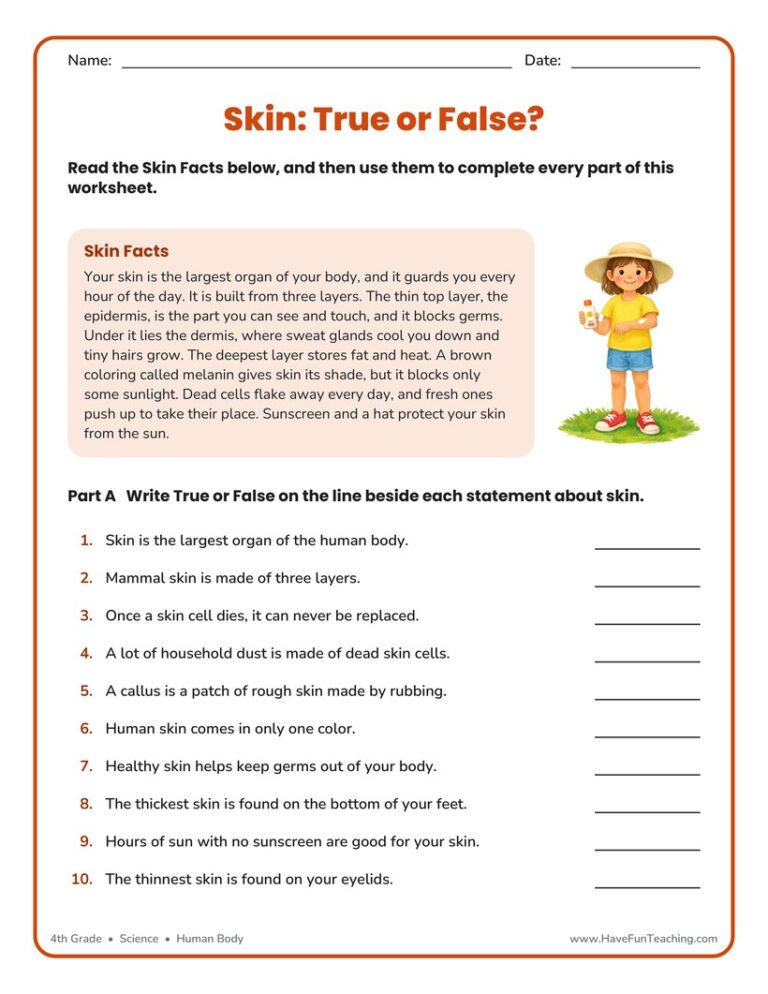
Worksheet4th GradeSkin True or False Worksheet

This Skin True or False Worksheet asks 4th grade students to judge ten skin facts, name the layers of the skin, and explain their thinking in writing. Answer key included, so science review takes minutes.

Worksheet
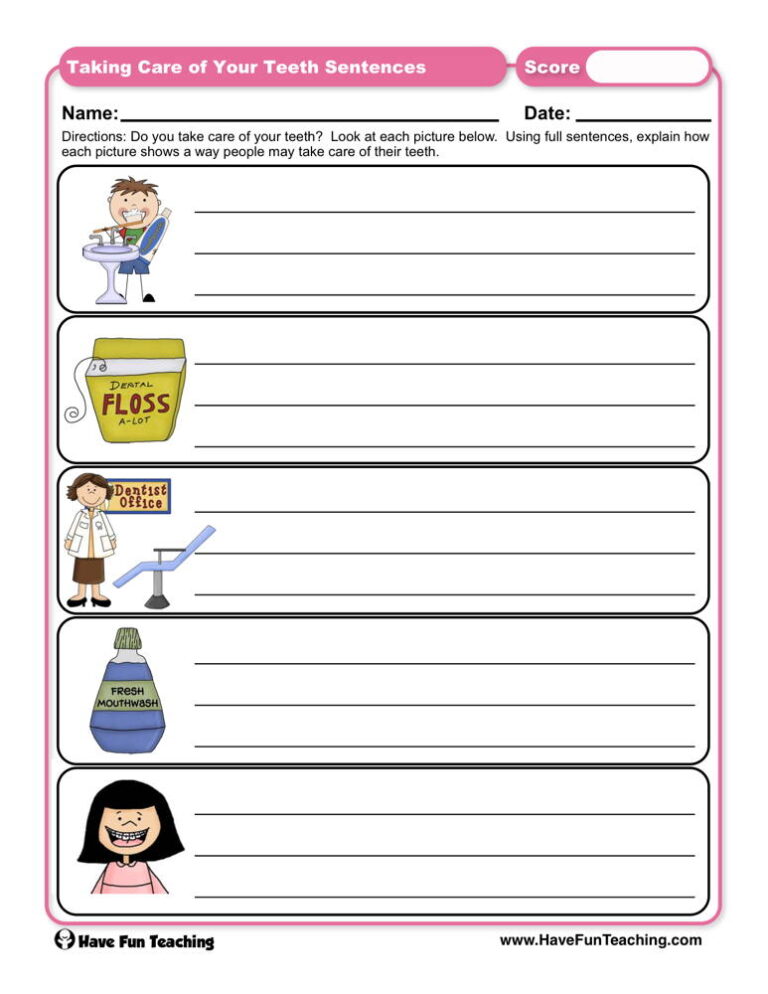
Worksheet1st GradeTaking Care of Your Teeth Worksheet

This taking care of your teeth worksheet asks 1st grade students to complete five sentences about brushing, flossing, and the dentist using a five-word word box. An answer key is included, so checking work takes seconds.

Worksheet
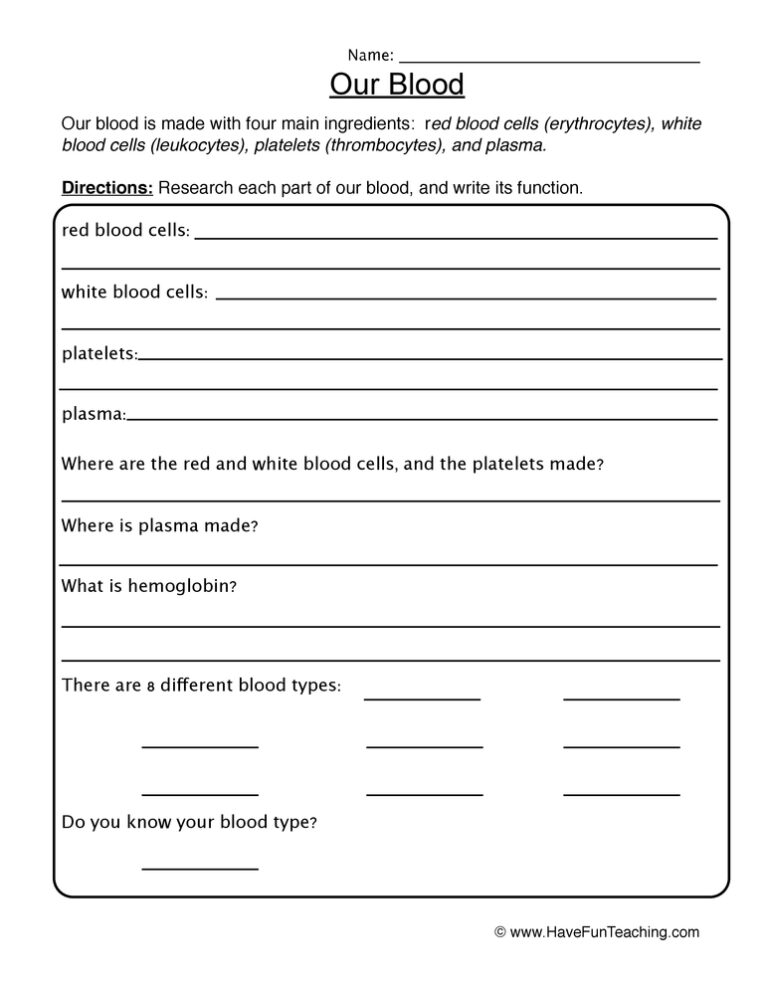
Worksheet4th GradeBlood Worksheet

A Blood Worksheet that walks 4th graders through red blood cells, white blood cells, platelets, and plasma with matching, bubble questions, and a written response. Answer key included for fast, no-prep science practice.

Worksheet
Worksheet1st GradeBrushing Your Teeth Sequencing Worksheet

This brushing your teeth sequencing worksheet asks 1st graders to number four pictures and four sentences to rebuild a familiar routine. An answer key is included, so checking sequencing practice takes only a moment.

Worksheet
Worksheet1st GradeTooth Addition Worksheet

This tooth addition worksheet lets 1st graders solve twelve sums within 20 and circle the right answer on each card. An answer key is included, making fact practice quick and fun.

Worksheet
Worksheet1st GradeUsing Your Five Senses Worksheet

The Using Your Five Senses Worksheet helps 1st grade students find the main topic of a five senses passage and match each sense to its body part. Answer key included to build reading confidence.

Worksheet
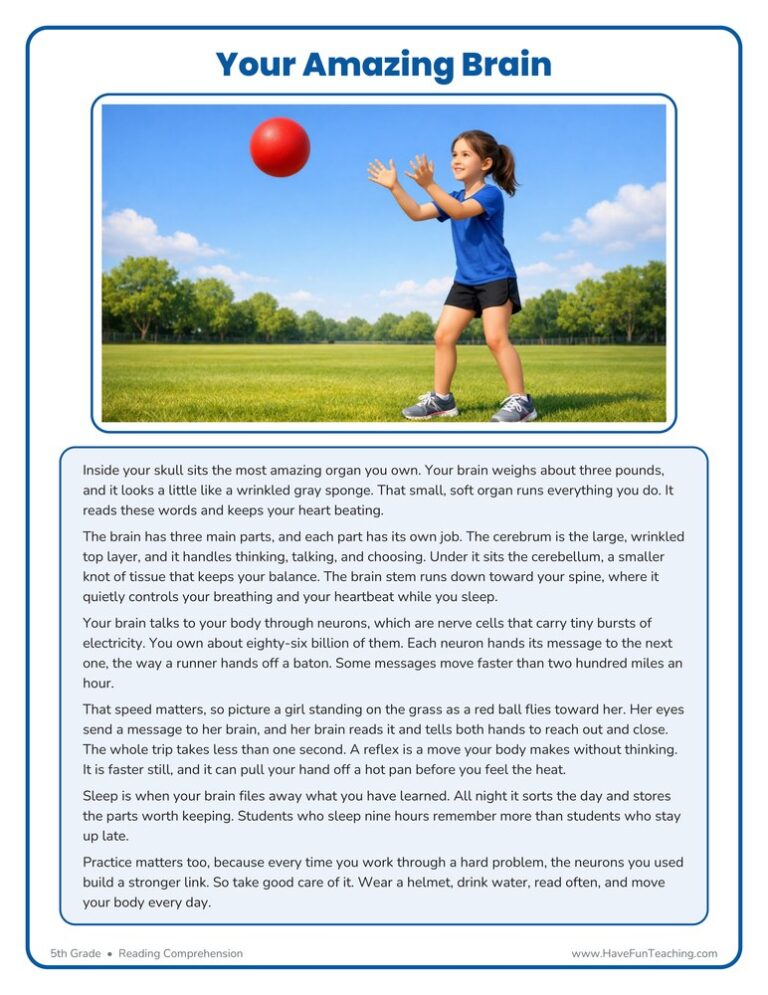
Worksheet5th GradeYour Amazing Brain Reading Comprehension Worksheet

Your Amazing Brain Reading Comprehension Worksheet gives 5th graders a non-fiction passage about how the brain works, plus main idea, vocabulary, and written-response questions. Answer key included for fast, no-prep practice.

Worksheet
Worksheet4th GradePopcorn Five Senses Worksheet

This Popcorn Five Senses Worksheet asks 4th graders to chart each sense organ and the information it detects, then name the sense behind three popcorn-day clues. Answer key included for fast, no-prep science practice.

Worksheet
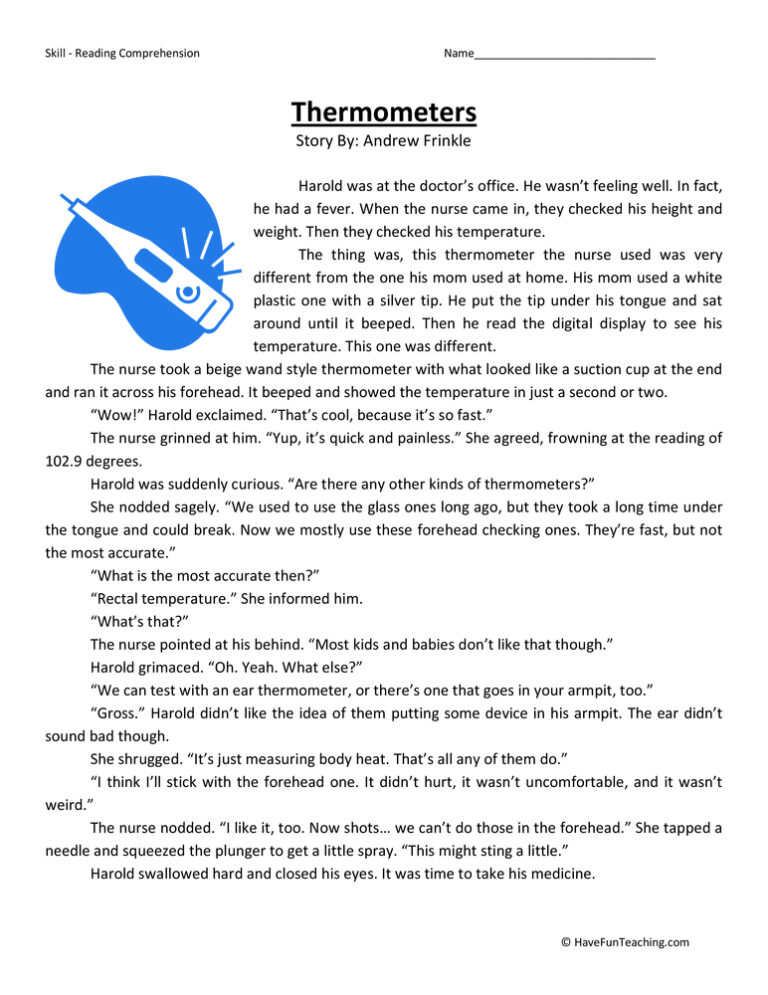
Worksheet4th GradeThermometers Reading Comprehension Worksheet

Thermometers Reading Comprehension Worksheet gives 4th grade students a two page non-fiction passage about how thermometers measure heat, four multiple choice questions and a written response. An answer key is included.

Worksheet
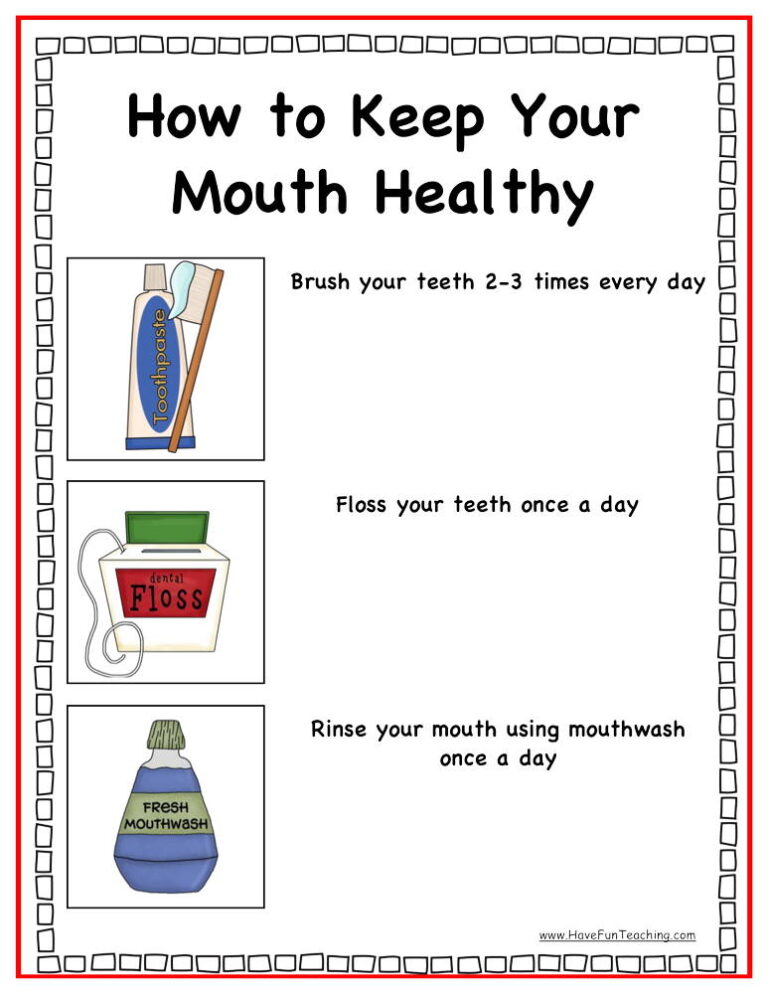
Worksheet1st GradeDental Hygiene Classroom Poster

The Dental Hygiene Classroom Poster reminds 1st Grade students of four healthy mouth habits, from brushing and flossing to healthy snacks and dentist visits, with a clear picture for every step.

Worksheet
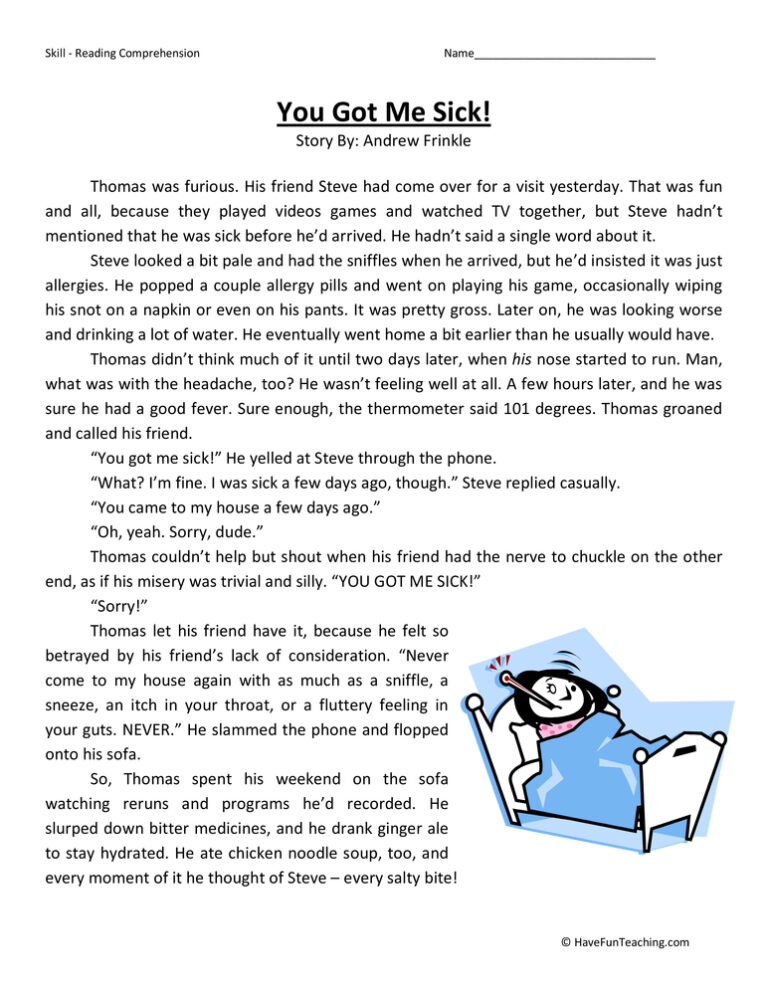
Worksheet4th GradeYou Got Me Sick Reading Comprehension Worksheet

The You Got Me Sick Reading Comprehension Worksheet gives 4th grade students a two page non-fiction passage on how a cold travels, four multiple choice questions and a written response. An answer key is included.

Worksheet
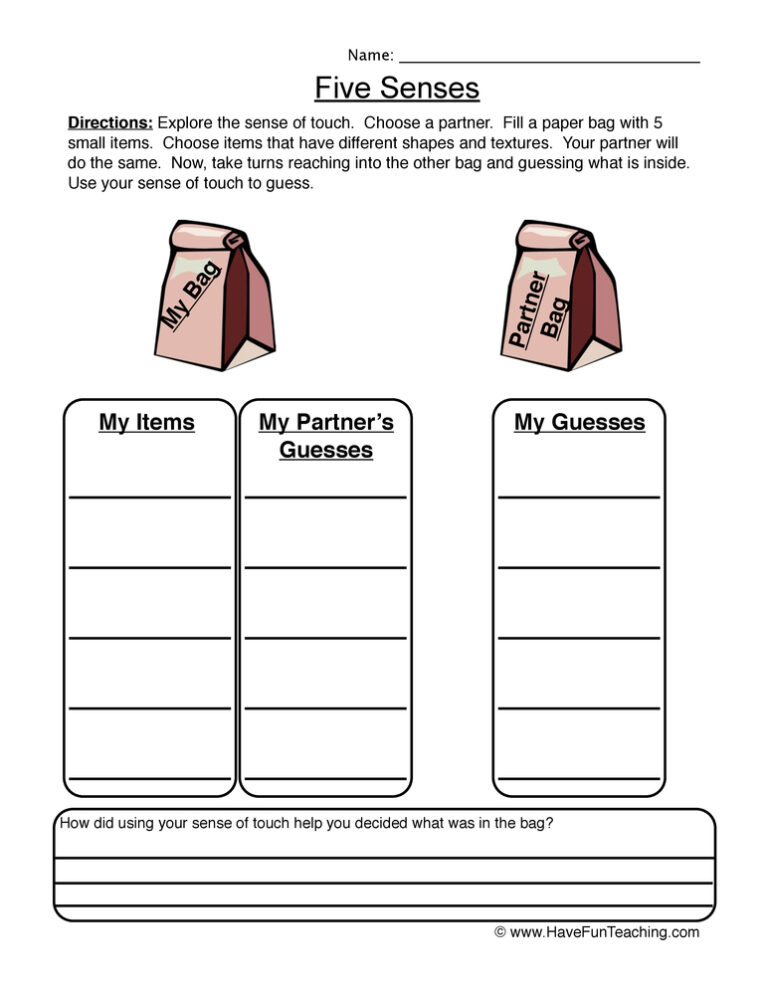
Worksheet1st GradeWhat is in the Bag? Five Senses Worksheet

In this what is in the bag five senses worksheet, 1st graders read touch clues to name four mystery objects. Includes an answer key and builds sense-of-touch vocabulary.

Worksheet
Worksheet3rd GradeCharlie Horse - Reading Comprehension Worksheet

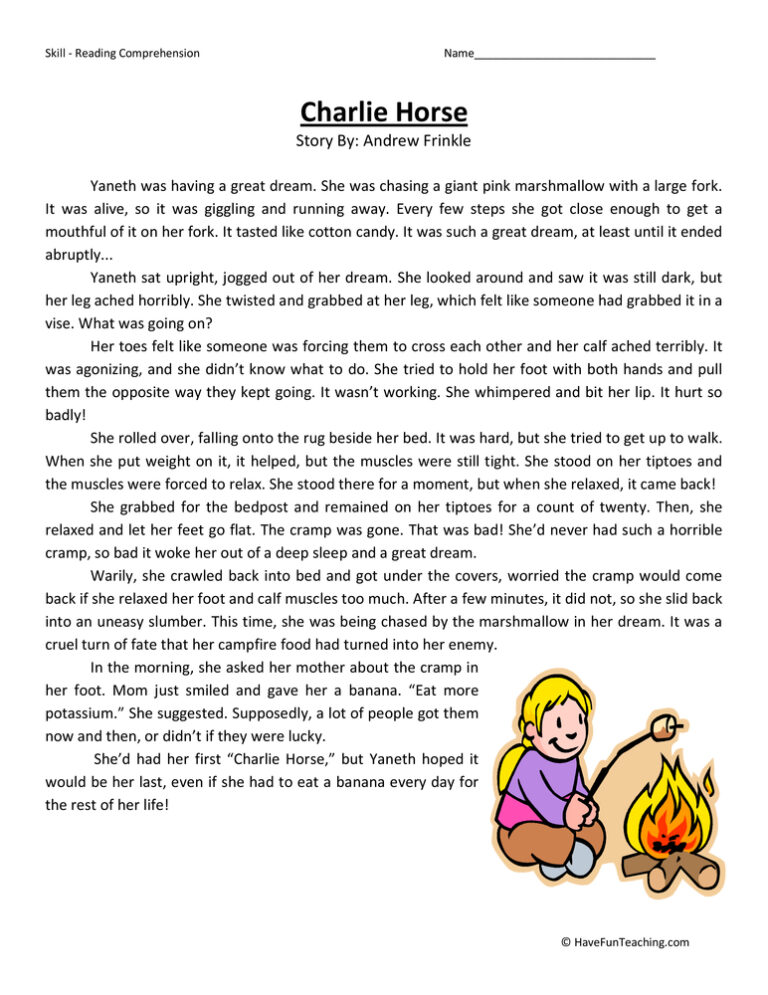
This charlie horse reading comprehension worksheet gives 3rd grade readers a nonfiction passage about muscle cramps, four multiple-choice questions and a short response, with an answer key for easy checking.

Worksheet
Worksheet1st GradeDental Hygiene Wordsearch Worksheet

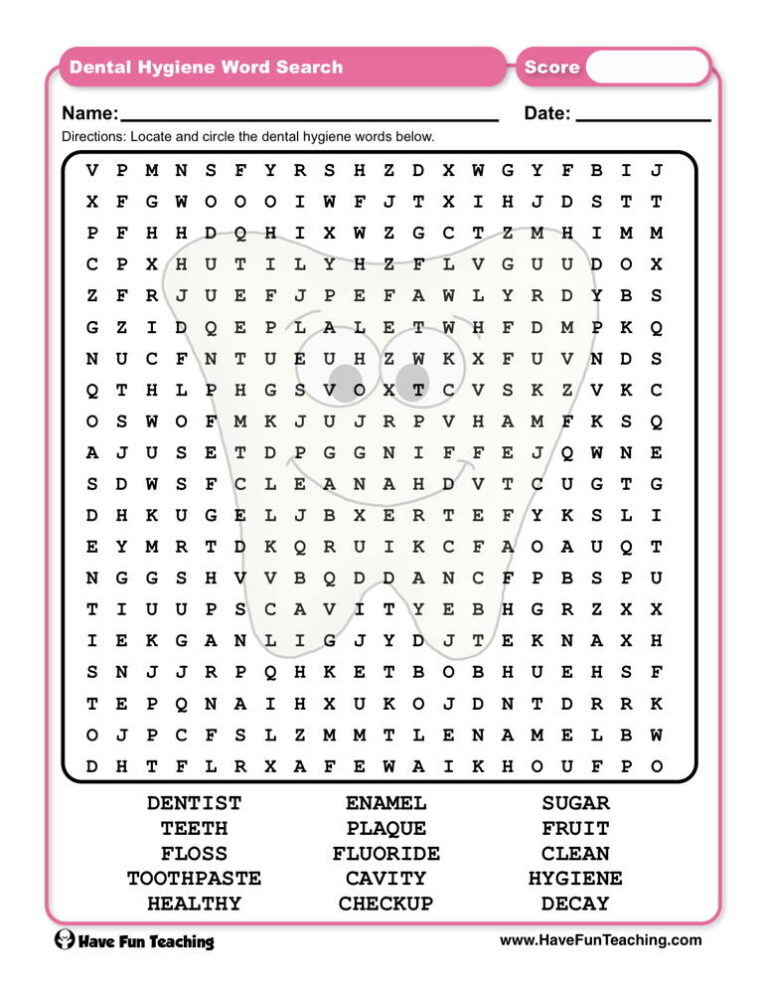
A dental hygiene wordsearch worksheet for 1st grade: find five dental words, then finish four sentences about brushing, flossing, and sugar. Answer key included for quick, no-prep health practice.

Worksheet
Worksheet4th Grade10 Tips for a Germ Free School Year Reading Comprehension Worksheet

This 10 Tips for a Germ Free School Year Reading Comprehension Worksheet gives 4th graders a two-page non-fiction passage on healthy habits, four multiple-choice questions, and a written response. Answer key included.

From our teachers' playbook

Bones, muscles, and one amazing brain

What do kids learn about the human body?

Kids are endlessly curious about their own bodies! Little learners name body parts, explore the five senses and learn healthy habits like brushing teeth. In the upper elementary grades they meet body systems: the skeleton holds us up, muscles move the bones, the heart pumps blood, and the brain runs the whole show. The big idea that clicks is that these systems work as a team. You need bones, muscles and your brain all at once just to wave hello!

How we teach the human body

The best body lessons start with the one body every kid brings to class. These moves keep it hands-on and memorable.

Label it on a diagram

Kids feel their own collarbone, ribs and kneecap, then find and label each one on a skeleton diagram. Touching first and labeling second turns new vocabulary into something they can actually find on themselves.

Why it works: pairing a picture with each word gives kids two ways to remember it, a well-tested principle of how people learn (Mayer, 2009).
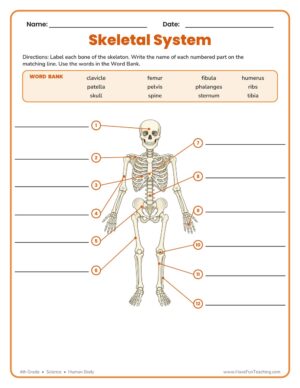
Label Skeletal System WorksheetTry it withLabel Skeletal System WorksheetWorksheetsOpen it →

Sing the parts of the body

Littles learn body part names fastest with a song and motions. Play it daily for a week and add a freeze game: stop the music and call out "elbow!" Everyone points.

Why it works: words set to a repeating melody are easier to recall than the same words spoken (Wallace, 1994).

Parts of the Body Song (Animated Music Video)Try it withParts of the Body Song (Animated Music Video)SongsOpen it →

Research one system

Older kids pick one system and become the class expert. A research sheet guides them to what it does, its main parts and how to keep it healthy. Then experts teach their small group.

Why it works: the U.S. Department of Education's guide for teaching elementary math recommends moving from hands-on objects to drawings to numbers.

Muscular System Research WorksheetTry it withMuscular System Research WorksheetWorksheetsOpen it →

Human body questions from teachers and parents

What grade do kids learn about the human body?

Preschool and kindergarten cover body parts, senses and healthy habits. Upper elementary grades usually introduce body systems like the skeletal, muscular, circulatory and nervous systems. Many schools revisit the topic in more depth in middle school.

How many bones are in the human body?

An adult has 206 bones. Babies are born with more, and some of them fuse together as they grow. Kids love this fact!

What are the main body systems kids learn?

The skeletal, muscular, circulatory, respiratory, digestive and nervous systems are the usual starting set. Many lessons also cover skin as the body's largest organ.

How do I make human body lessons hands-on?

Let kids use their own bodies: take a pulse before and after jumping jacks, feel bones and joints, or trace a classmate on butcher paper and add organs. Pair the activity with a diagram so they connect what they feel to the names.