
3 days free
Ready for the whole library?
You’ve had your freebie — but members download 10,000+ resources for every grade, all year long. Try it free — $0 today, cancel anytime.
Free for teachers
Pick your grade. We’ll send 10 free resources.
Worksheets, activities and a video — picked for your classroom, ready to print tonight.
One free bundle per teacher. We’ll also send free teaching ideas each week — unsubscribe anytime.


Using Hurricanes Reading Comprehension Activity, students refer to details to explain what the text says explicitly and when drawing inferences. This is perfect for making inferences and drawing conclusions.
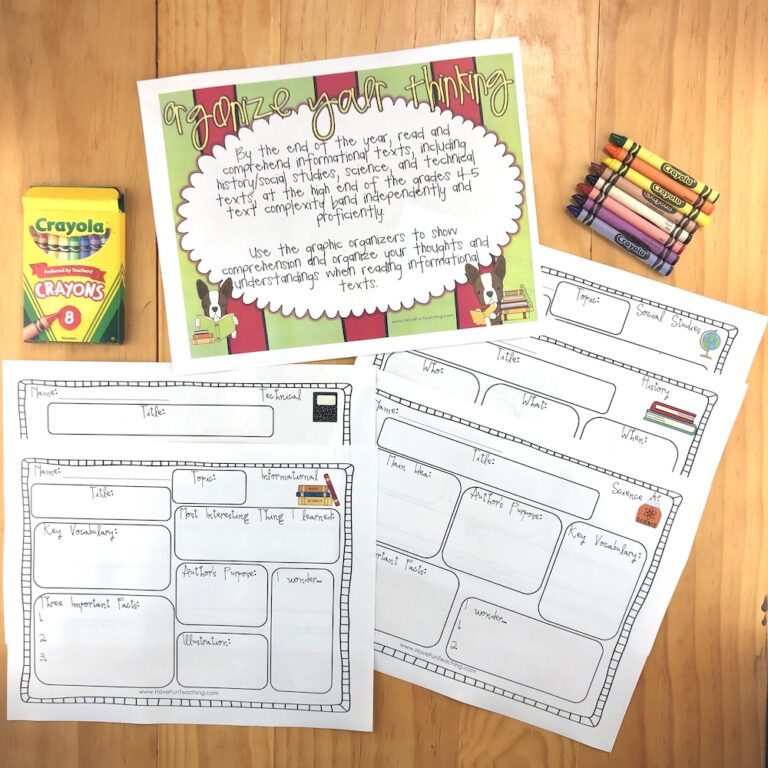
Using this Organize Your Thinking Informational Text Activity, students will have the opportunity to demonstrate their comprehension of informational texts by organizing their thoughts and understandings.

Using Inference Chains Activity, students refer to details in a text when explaining what the text says explicitly and when drawing inferences. This is perfect for making inferences and drawing conclusions.
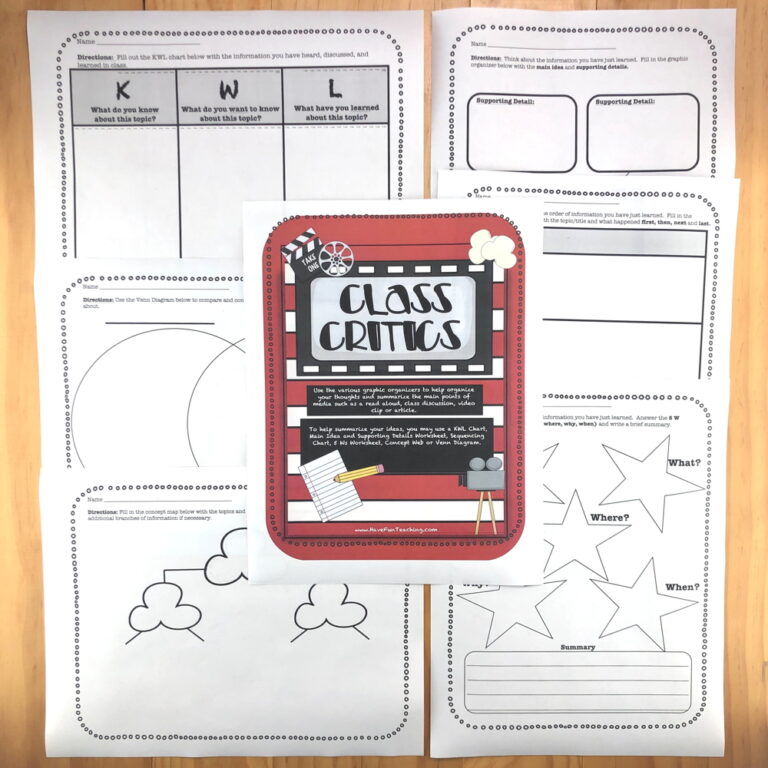
Using Retell the Story Activity, students read Floppy Ears aloud to students and then use the question chart to assess students ability to retell the story.

Using this Let's Chat Discussion Starter Activity, students summarize the points a speaker makes and explains how each claim is supported by reasons and evidence through discussion starter cards.

Using In Your Own Words Paraphrase Activity, students paraphrase portions of a text read aloud or information presented in any formats in your own words.
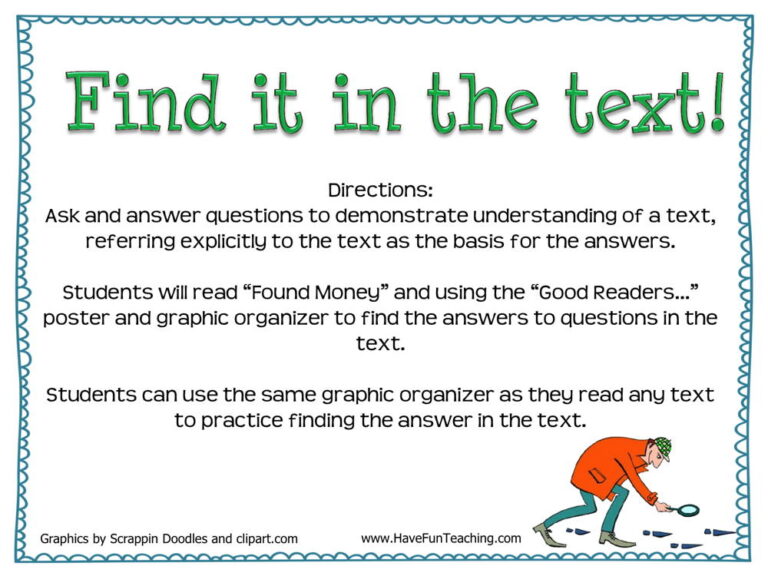
Using this Find It In The Text Activity, students ask and answer questions to demonstrate understanding of a text, referring explicitly to the text as the basis for the answers.
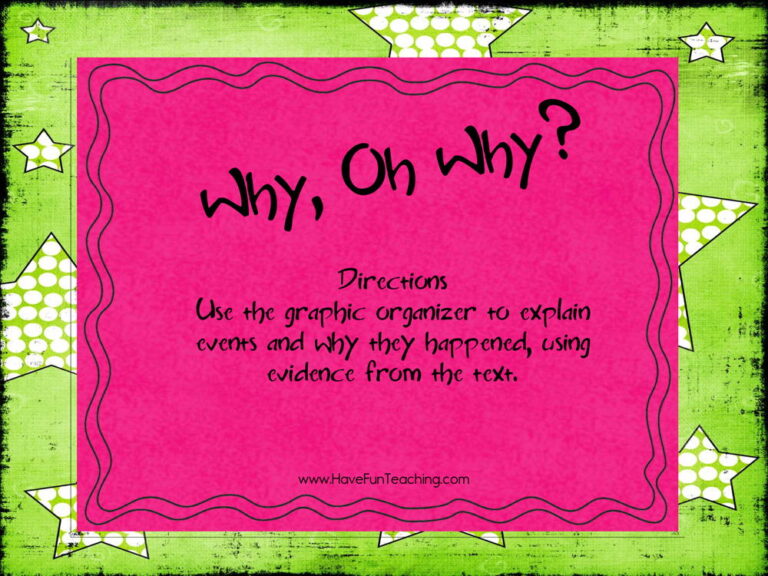
Using this Why oh Why Story Details Activity, students answer the questions "What happened?" and "why did it happen?" while citing their textual evidence.

Using this What's the Main Idea Activity, students recount the key details and explain how they support the main idea to build their comprehension skills.

Using these Thinking Maps for Reading Journeys Activity, students map out the important details in a text to show their thinking while building reading comprehension.

Using this Look in the Text Activity, students ask and answer questions to demonstrate understanding of a text, referring explicitly to the text as the basis for the answers.



