3 days free
Ready for the whole library?
You’ve had your freebie — but members download 10,000+ resources for every grade, all year long. Try it free — $0 today, cancel anytime.
Free for teachers
Pick your grade. We’ll send 10 free resources.
Worksheets, activities and a video — picked for your classroom, ready to print tonight.
One free bundle per teacher. We’ll also send free teaching ideas each week — unsubscribe anytime.



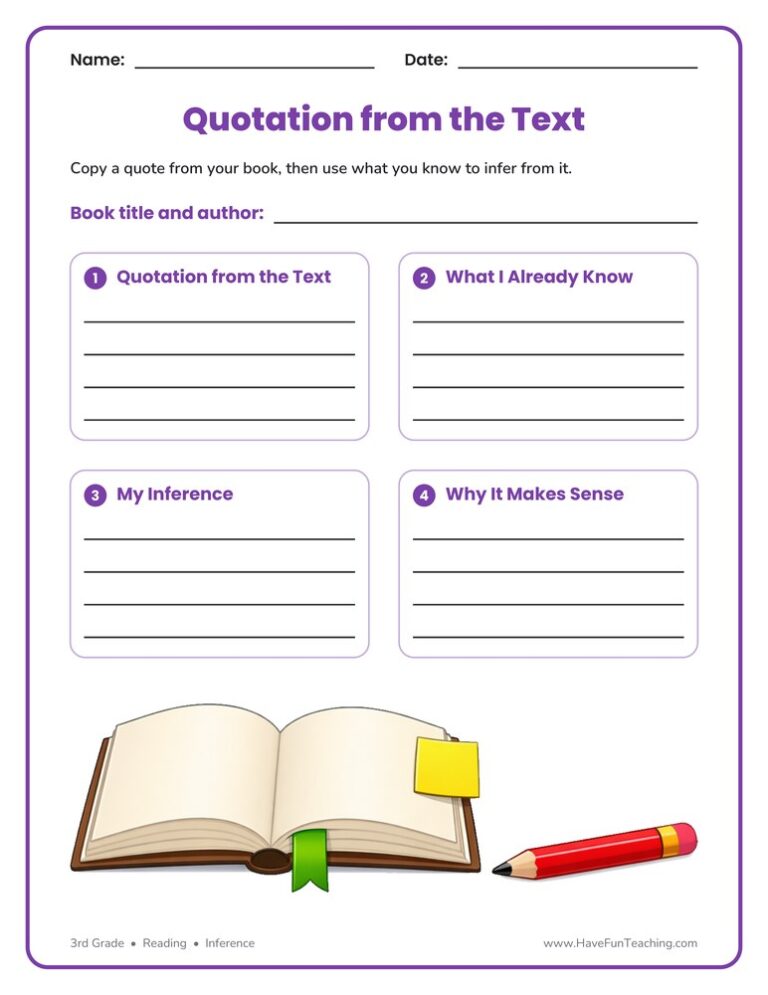
Use this Quotation from the Text Graphic Organizer Worksheet to help 3rd graders copy a quote from any book, connect it to what they know, and write a strong inference with a reason.
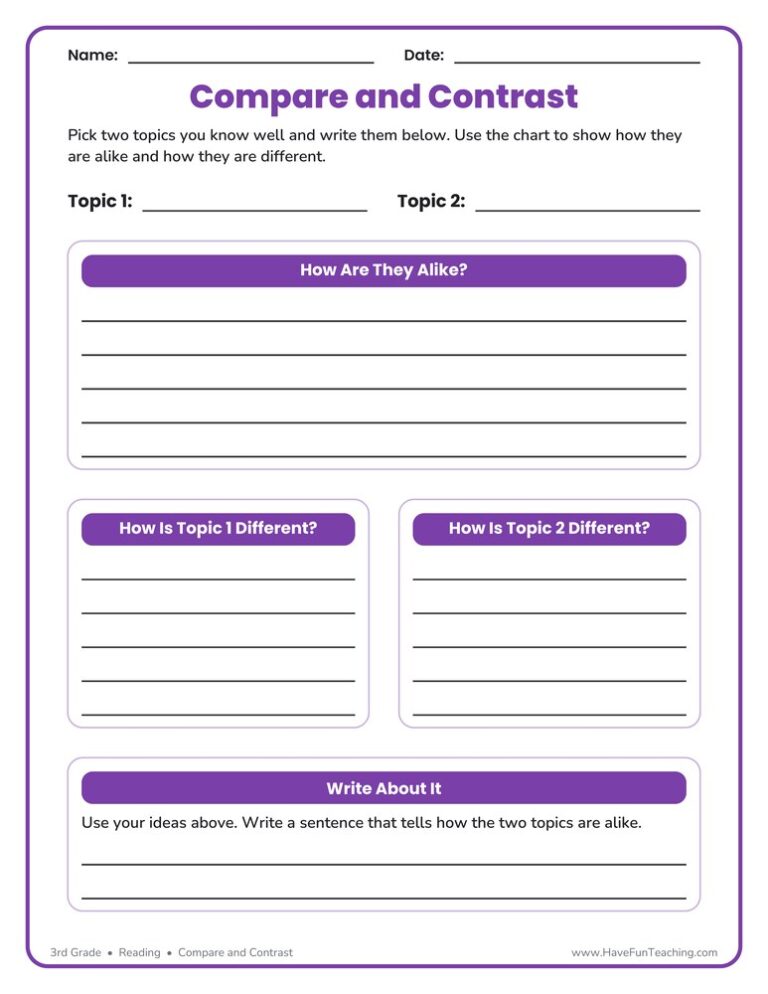
This Compare and Contrast Graphic Organizer gives 3rd Grade students one page to sort how any two topics are alike and different, then write a sentence that sums up what they found.

This What I Know About the Text Inference Graphic Organizer Worksheet gives 3rd Grade readers three story clues to turn into inferences using what they already know. An answer key is included for quick, no-prep practice.
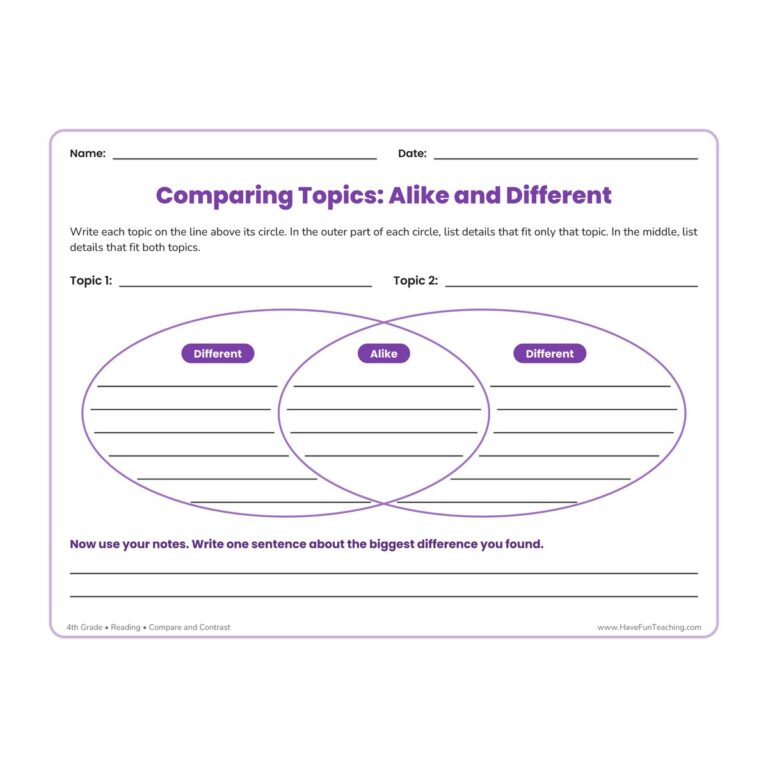
This Comparing Topics Alike and Different Graphic Organizer Worksheet gives 4th graders a two-circle Venn to sort details for any two topics, then a prompt to explain the biggest difference in writing.

Using Different Types of Text Graphic Organizer Worksheet, students use the organizer below to sort out the different types of texts that you found as they look through a collection of texts.
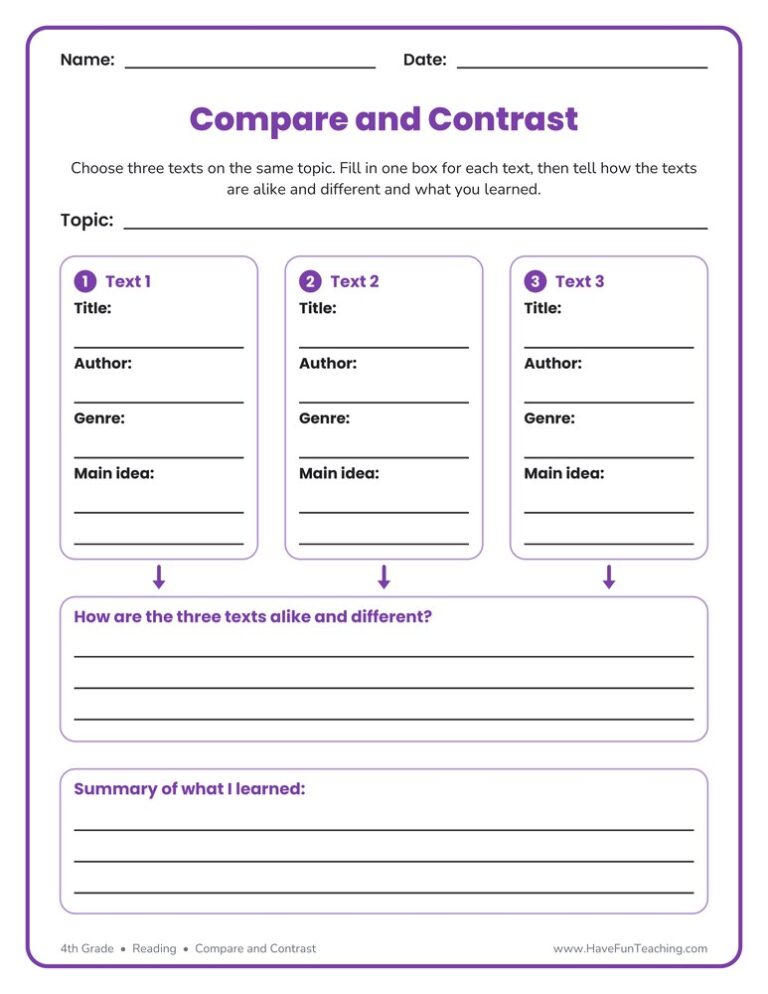
This comparing three texts graphic organizer worksheet guides 4th Grade students to record details from three texts on one topic, compare them, and write a summary of what they learned.

This fact and opinion lined graphic organizer worksheet has 2nd graders sort six pumpkin sentences and write each one in a Fact or Opinion card. An answer key is included, so checking work is quick and easy.
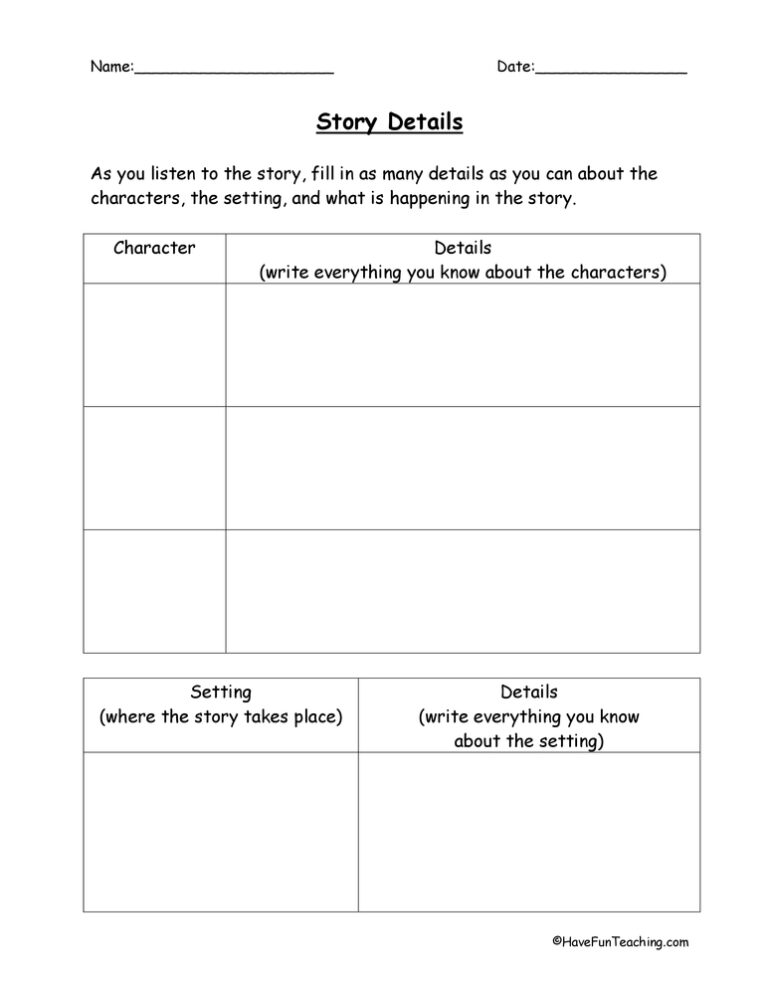
This story elements graphic organizer worksheet helps 2nd graders name the characters in any story, describe what each one is like, and tell where and when the story happens.

This fantasy and realism story elements worksheet has 3rd graders sort characters, settings and events into make-believe or real, then label story sentences. An answer key is included for quick checking.

A compare and contrast graphic organizer that helps 3rd graders map the problem and solution in two texts, then write how the two texts compare. Works with any pair of books or articles.
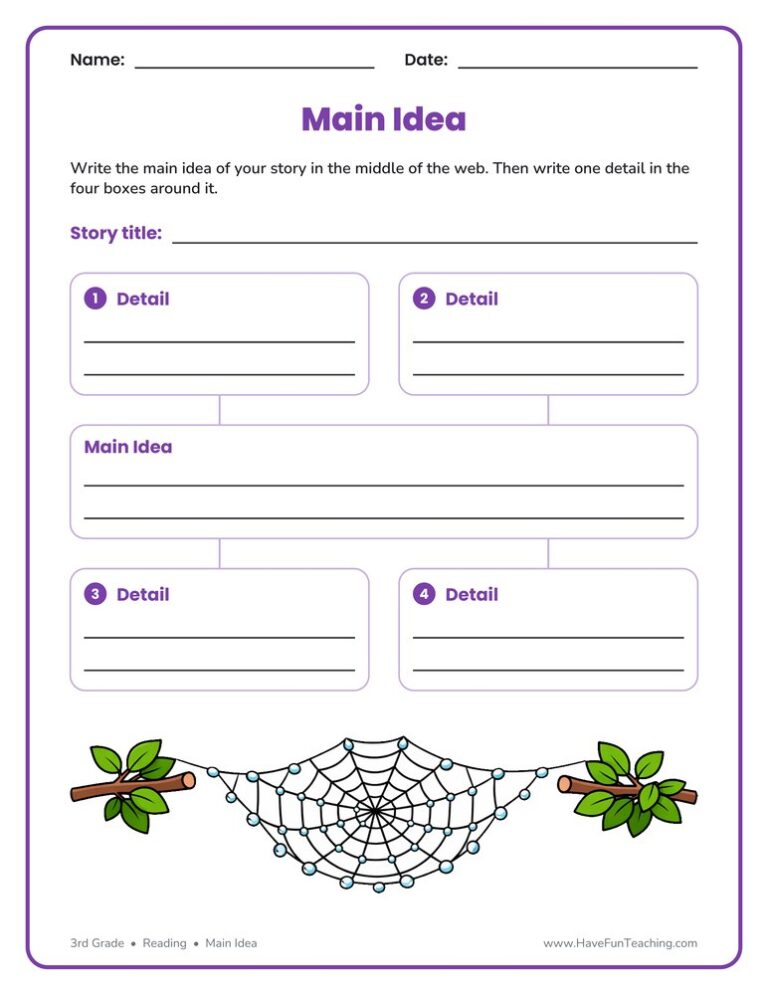
This main idea spider graphic organizer worksheet gives 3rd grade readers a web for one big idea and four supporting details, so students learn to back up what a story is mostly about with real evidence.
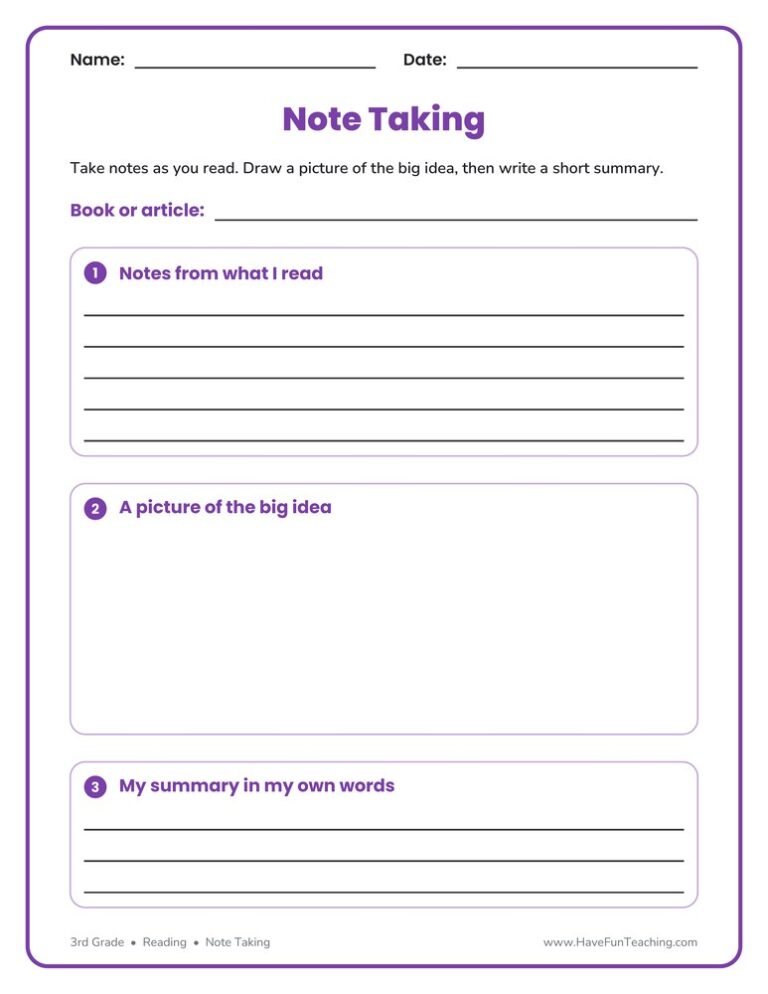
This Note Taking and Summarizing Graphic Organizer Worksheet gives 3rd Grade students one page for notes, a drawing of the big idea, and a short summary of any book or article they read.

Using Making Inferences Graphic Organizer, students record their schema and textual evidences while reading and making inferences.

A compare and contrast chronology of events graphic organizer where 3rd graders record the first, next, and last events in two texts, then explain how the order compares. Works with any pair of books.

This Main Idea Worksheet helps 5th graders find two main ideas in any nonfiction text, back each one with key details, and write a clear summary of what they read.
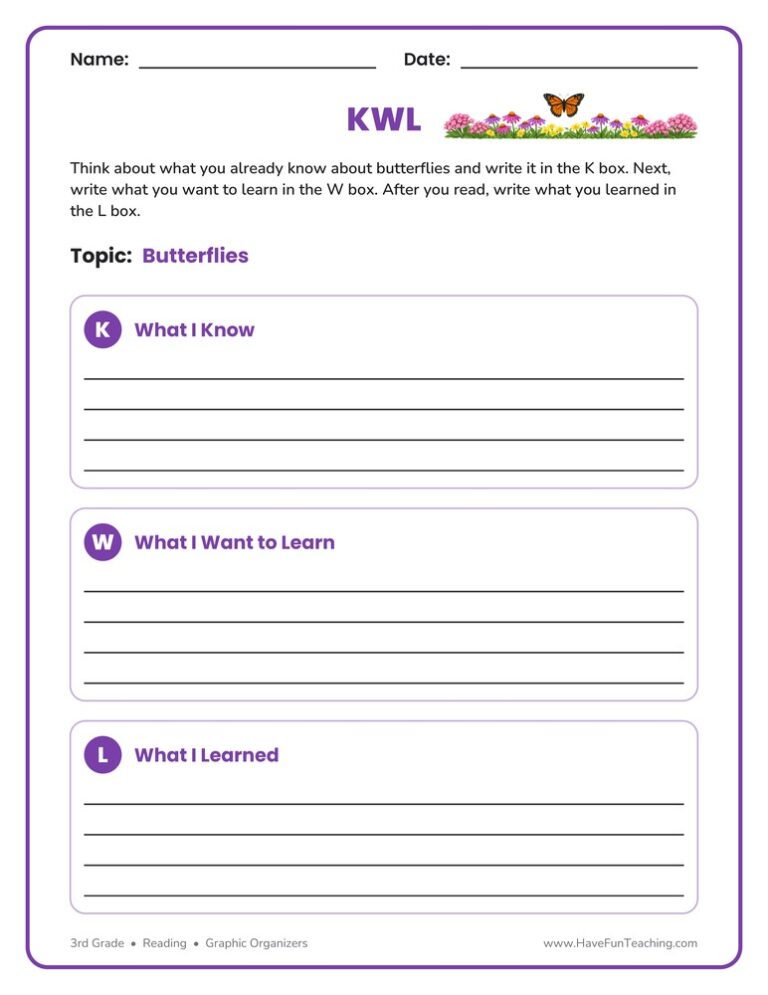
This butterflies KWL graphic organizer helps 3rd grade students record what they know, what they want to learn, and what they learned about butterflies, building strong reading and science habits.

This Sequence of Events Graphic Organizer Worksheet gives 2nd grade readers a short story and four labeled boxes to retell it in order. An answer key is included, so children can check their own retelling.
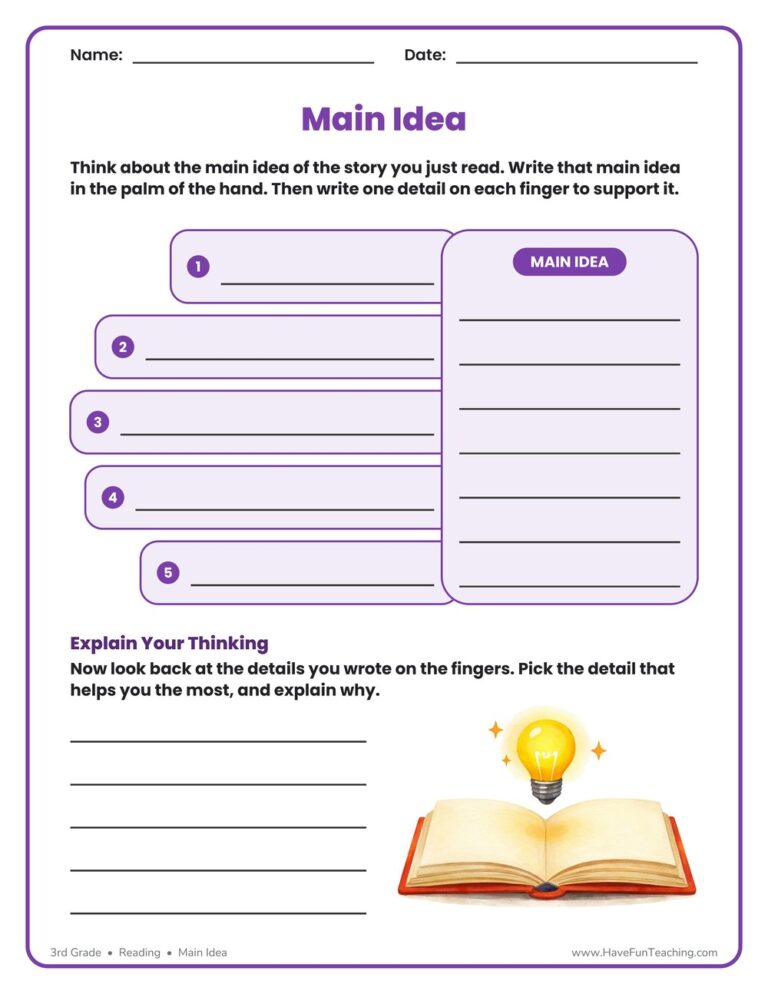
This main idea hand graphic organizer worksheet gives 3rd graders a palm for the main idea and five fingers for supporting details, plus a short written explanation that turns notes into real reasoning.

Using the Comparing Themes of Two Stories Activity, students use a Venn Diagram to compare and contrast the theme of two passages.

Using this Compare and Contrast Graphic Organizer Activity, students organize their ideas using any of the provided graphic organizers in order to compare and contrast the structure of events, ideas, concepts, and information in two or more texts.