Skip to content
Start My 3 Free Days $0 today · cancel anytime

3rd Grade Story Elements Graphic Organizers

11 3rd grade story elements graphic organizers. Teacher favorites: Who What When Where Why Graphic Organizer Worksheet and Who What When Where Why Summary Graphic Organizer Worksheet. How teachers use these

Find the perfect resource in seconds

3rd Grade Story Elements Graphic Organizers

11 3rd grade story elements graphic organizers. Teacher favorites: Who What When Where Why Graphic Organizer Worksheet and Who What When Where Why Summary Graphic Organizer Worksheet. How teachers use these

Graphic Organizer
Graphic Organizer3rd GradeWho What When Where Why Graphic Organizer Worksheet

This who what when where why graphic organizer worksheet helps 3rd graders record the five key details — who, what, when, where, and why — from any story or article. A clear, reusable note-taking template.

Graphic Organizer
Graphic Organizer3rd GradeWho What When Where Why Summary Graphic Organizer Worksheet

A Who What When Where Why Summary Graphic Organizer Worksheet that walks 3rd graders from a short story to the five W answers and on to a written summary. Answer key included, so students get quick feedback and real confidence.

Graphic Organizer
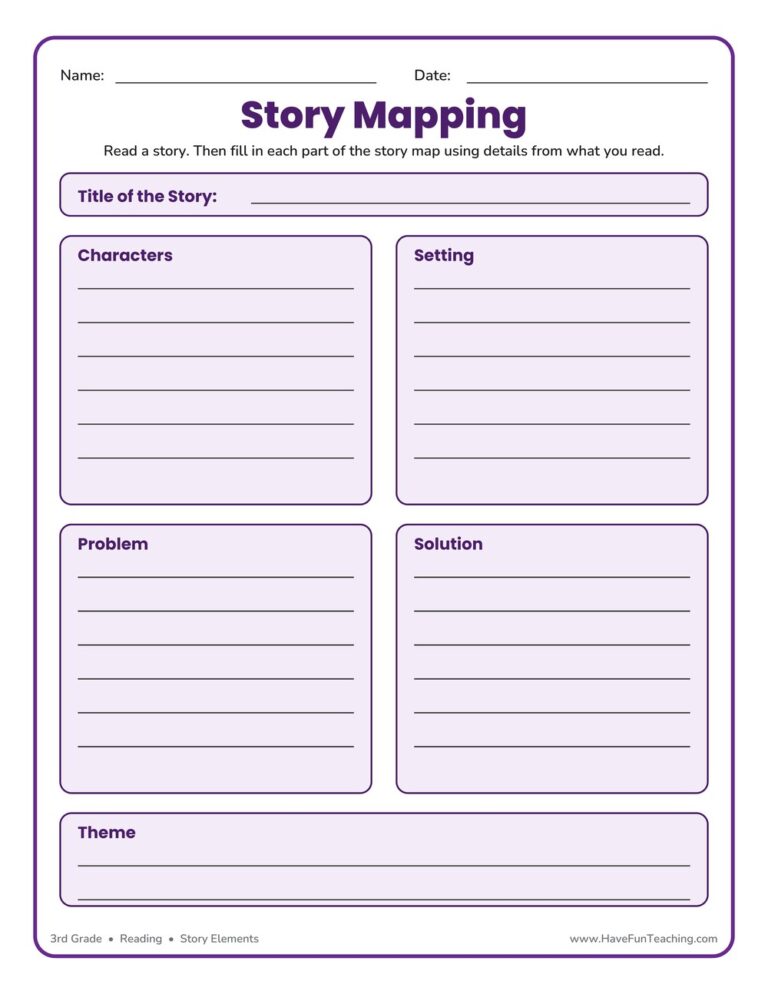
Graphic Organizer3rd GradeStory Map Graphic Organizer

This 3rd grade Story Map Graphic Organizer Worksheet has students record a story's characters, setting, problem, solution, and theme in one clear, reusable page that strengthens reading comprehension.

Graphic Organizer
Graphic Organizer3rd GradeStory Map Worksheet

This story map worksheet lets 3rd grade students record the characters, setting, problem, main events, and solution of any story they read, building stronger comprehension and retelling skills.

Graphic Organizer
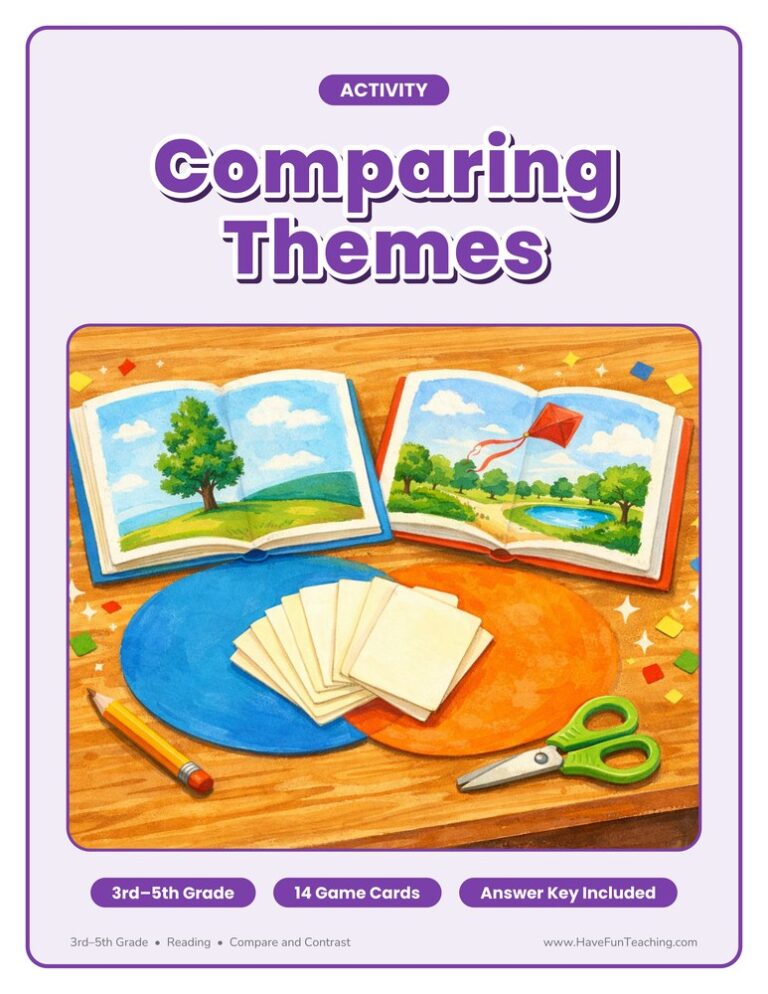
Graphic Organizer3rd GradeComparing Themes of Two Stories Activity

This comparing themes of two stories activity for 3rd-5th grade turns story pairs into a fun matching game, with a graphic organizer, practice page, and answer key included.

Graphic Organizer
Graphic Organizer3rd GradeDetermining Theme Graphic Organizers Activity

This determining theme graphic organizers activity helps 3rd to 5th grade students find the lesson in a story, a play and a poem, then practice with fables. Answer key included.

Graphic Organizer
Graphic Organizer3rd GradeProblem and Solutions Graphic Organizer Worksheet

This Problem and Solutions Graphic Organizer Worksheet gives 3rd Grade readers a short story plus boxes for the problem, three solutions, and the best one. An answer key is included, so checking work takes seconds.

Graphic Organizer
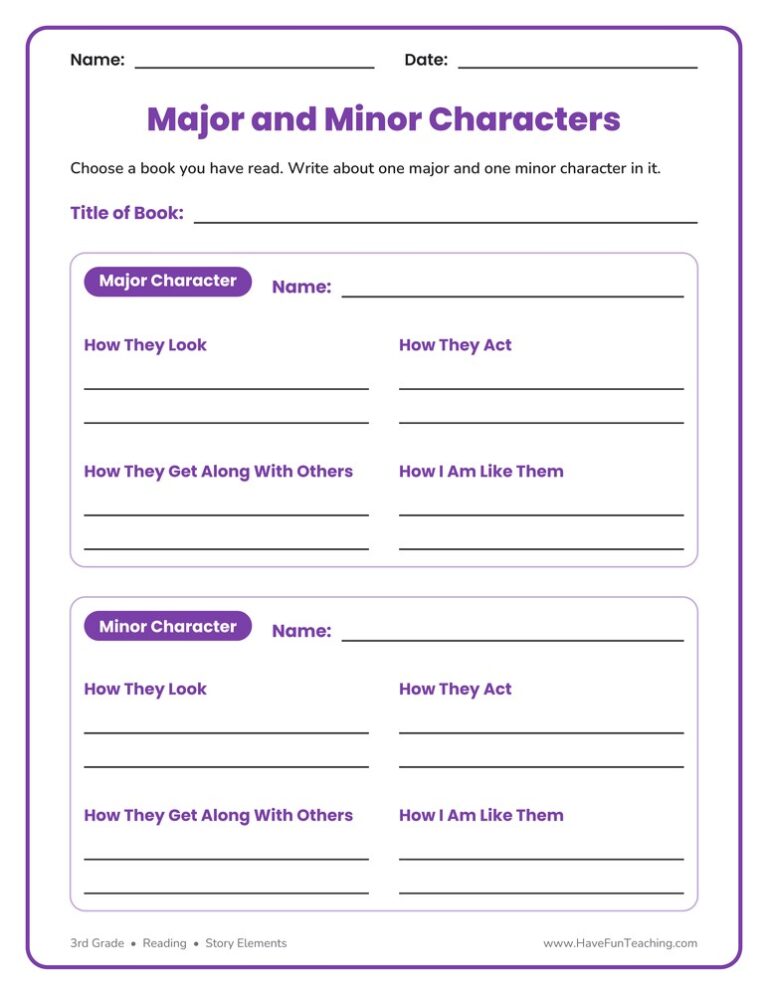
Graphic Organizer3rd GradeMajor and Minor Character Graphic Organizer

This major and minor character graphic organizer helps 3rd graders describe two characters from any book, including how each one looks, acts, and gets along with others.

Graphic Organizer
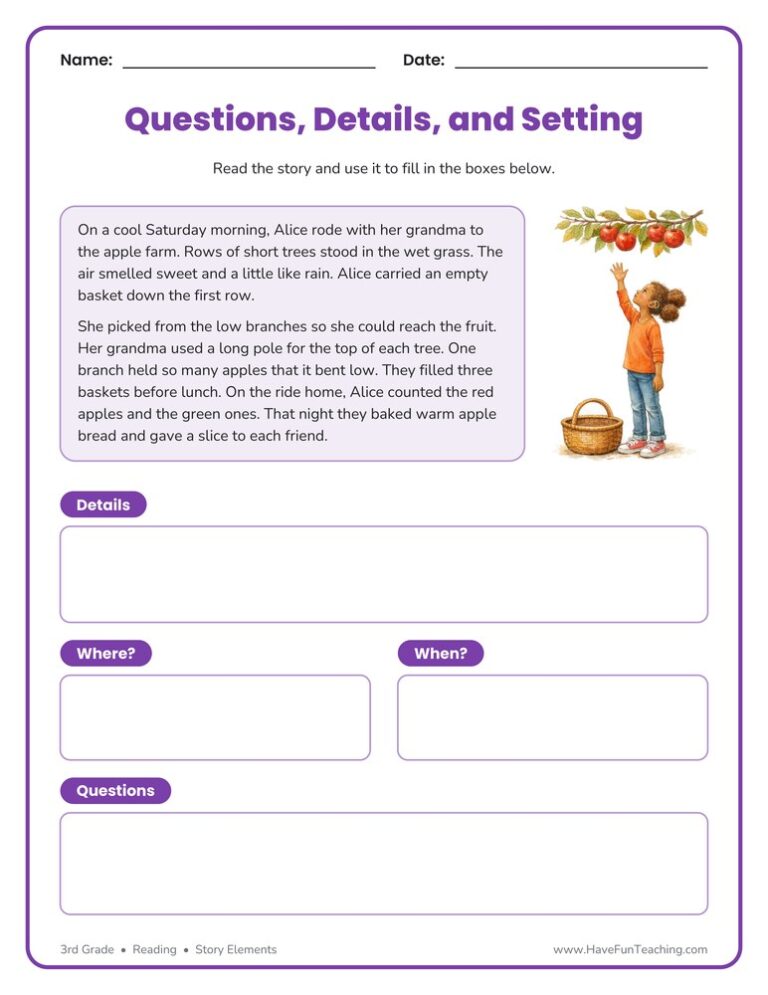
Graphic Organizer3rd GradeQuestions Details and Setting Graphic Organizer Worksheet

This Questions Details and Setting Graphic Organizer Worksheet gives 3rd graders a short story plus four boxes for details, place, time, and their own questions. An answer key is included, so comprehension practice takes no prep.

Graphic Organizer
Graphic Organizer3rd GradeStory Elements Graphic Organizer

This story elements graphic organizer worksheet gives 3rd grade readers one page for the characters, setting, problem and solution of any book they choose, with room to write a real sentence in each box.

Graphic Organizer
Graphic Organizer3rd GradeFantasy and Realism Story Elements Graphic Organizer

This fantasy and realism story elements worksheet has 3rd graders sort characters, settings and events into make-believe or real, then label story sentences. An answer key is included for quick checking.

From our teachers' playbook

Who, where, what went wrong, and why it matters.

What do 3rd graders learn about story elements?

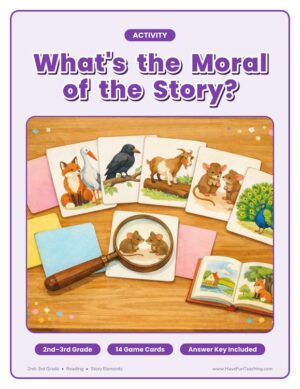
Third graders already know a story has characters, a setting and a plot. Now they dig deeper. They describe characters by their traits, feelings and motivations, and explain how a character's actions move the story along. They follow the plot from the problem to the solution and recount the events in order. They also read fables and folktales from different cultures and figure out the lesson or moral, like "slow and steady wins the race." The click moment is when kids stop saying "the character was nice" and start saying "she shared her lunch, so she is generous."

Our favorite ways to teach story elements

Story elements stick when kids can map them, act them and argue about them. These moves do all three.

Map the story

After reading, have kids fill a story map with characters, setting, problem, key events and solution. Then they use only the map to retell the story to a partner. If the retell falls apart, the map is missing something.

Why it works: pairing a picture with each word gives kids two ways to remember it, a well-tested principle of how people learn (Mayer, 2009).
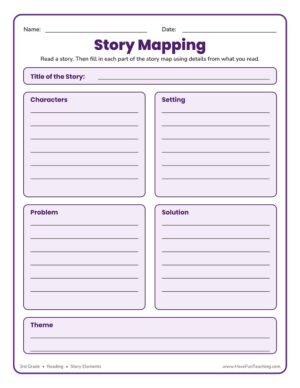
Story Map Graphic OrganizerTry it withStory Map Graphic OrganizerGraphic OrganizersOpen it →
Track the character

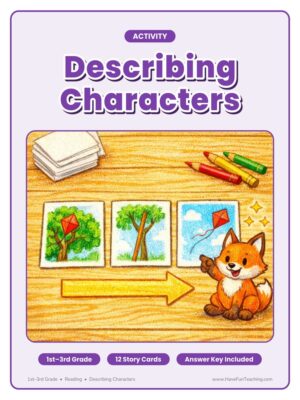
Have kids describe a character at the beginning, middle and end of a story and note what changed and why. Seeing a character grow helps third graders connect actions to traits and motivations.

Why it works: kids understand an idea best when they touch it, then draw it, then write it, the order the U.S. Department of Education recommends for elementary math.

Describing Characters Beginning Middle and End ActivityTry it withDescribing Characters Beginning Middle and End ActivityActivitiesOpen it →

Think aloud the problem

Read a short story aloud and pause when the problem appears: "Uh oh, here is the problem. I wonder how they will fix it." Then model finding the solution and how the character got there. Kids then try the next story with a problem and solution organizer.

Why it works: handing over the work step by step, from teacher to student, is one of the most widely used teaching frameworks (Pearson and Gallagher, 1983).

Problem and Solutions Graphic Organizer WorksheetTry it withProblem and Solutions Graphic Organizer WorksheetGraphic OrganizersOpen it →

Questions parents and teachers ask us

What are the story elements for 3rd grade?

The main story elements are characters, setting, plot (with a problem and solution) and theme or moral. Third graders also describe character traits and explain how characters' actions affect the events.

What is the difference between a character trait and a feeling?

A feeling changes during the story, like scared or happy. A trait describes who the character is most of the time, like brave or kind. Kids find traits by looking at what a character does again and again.

How do I teach theme to 3rd graders?

Start with fables, where the lesson is clear. Ask "What did the character learn?" and "What should we learn from this?" Then move to longer stories where kids have to figure out the lesson on their own.

How can I practice story elements at home?

After reading a bedtime story or watching a movie, ask who the main character was, where it happened, what the problem was and how it was solved. Five quick questions build the habit.