
Skip to content
Start My 3 Free Days $0 today · cancel anytime

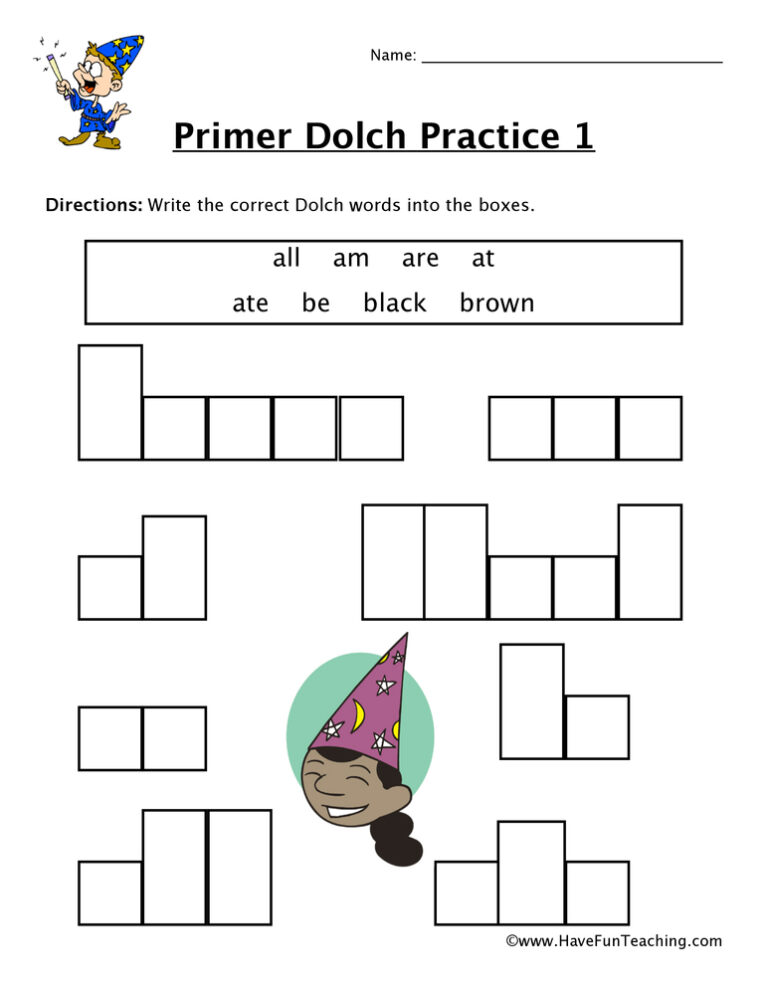
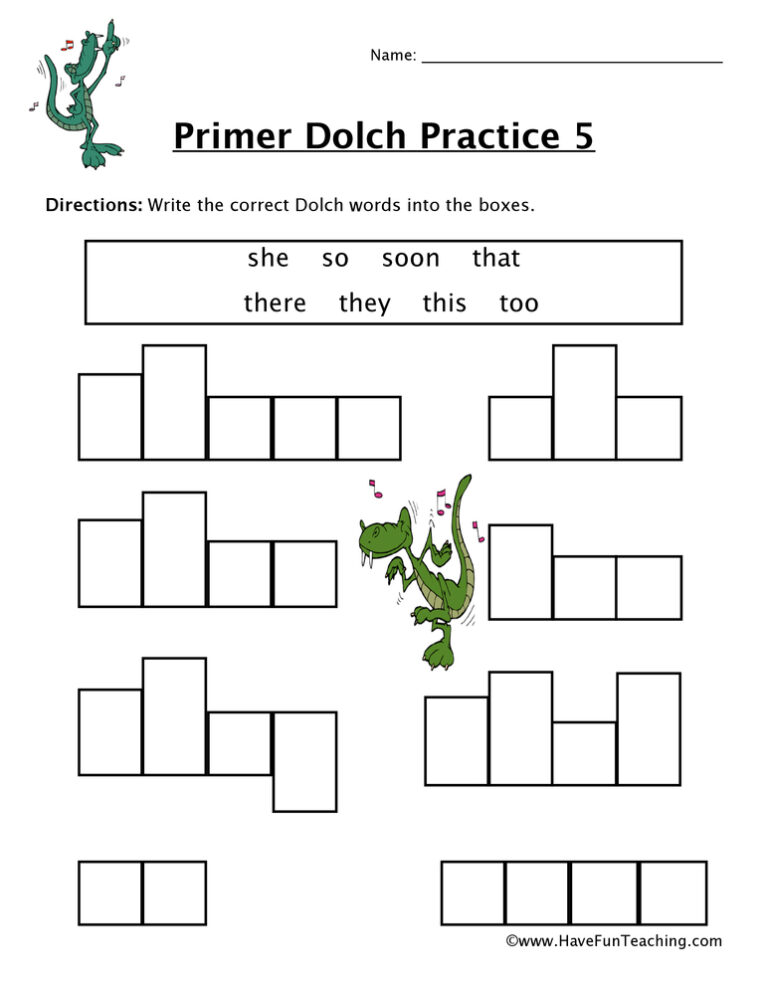
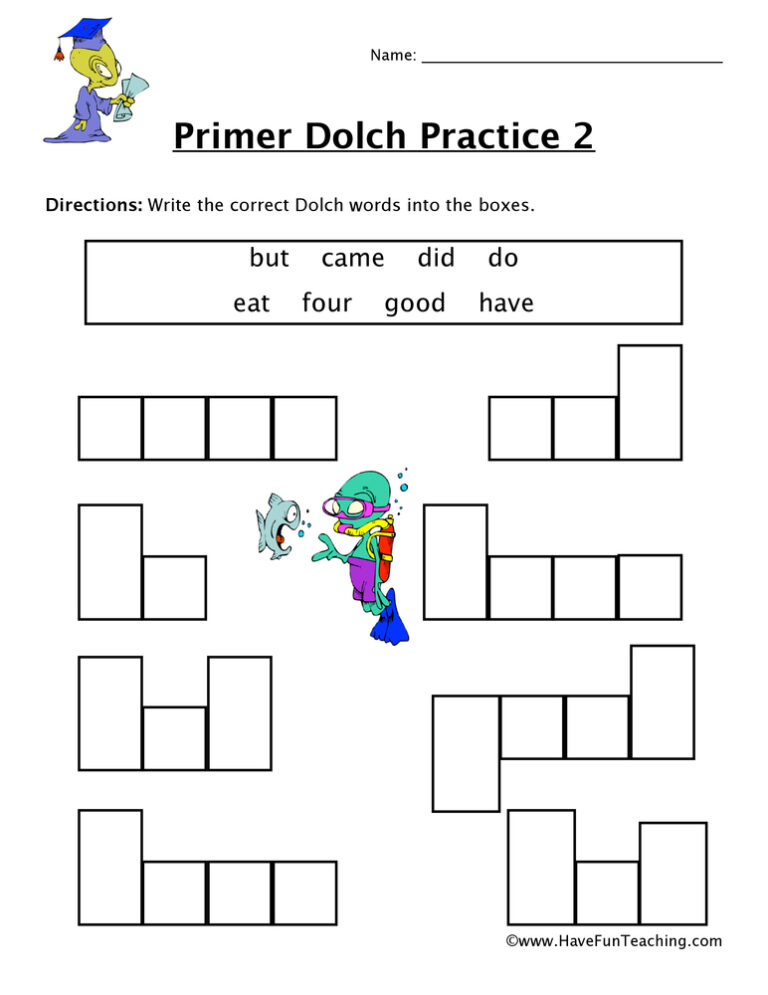
Kindergarten High Frequency Words Resources

21 kindergarten high frequency words resources: 15 worksheets and 6 activities. How teachers use these

Kindergarten High Frequency Words Resources

21 kindergarten high frequency words resources: 15 worksheets and 6 activities. How teachers use these

Worksheet
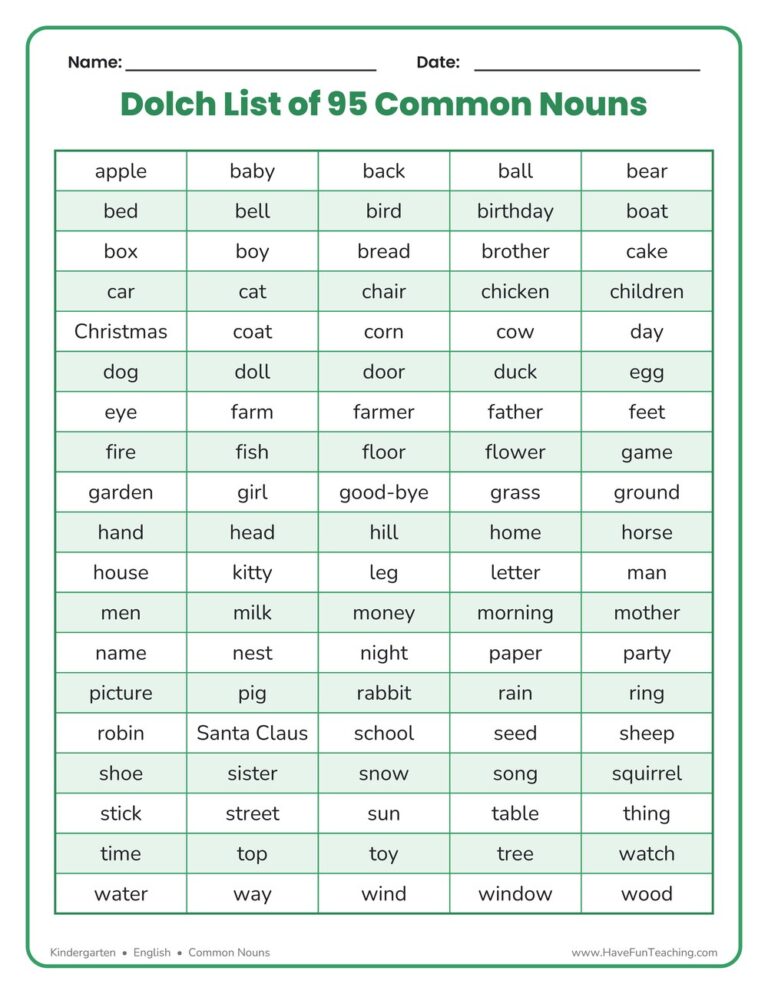
WorksheetKindergartenDolch Word List of Common Nouns

This Dolch Word List of Common Nouns Worksheet gives kindergarten readers all 95 everyday Dolch nouns in one clean, colorful reference table—perfect for building sight-word fluency during reading, spelling, and writing practice.

Worksheet
WorksheetKindergartenReading High Frequency Words Worksheet

This Reading High Frequency Words Worksheet gives Kindergarten readers hands-on practice tracing four Dolch sight words and then spotting them inside simple sentences. An answer key is included, so sight-word practice takes no prep at all.

Worksheet
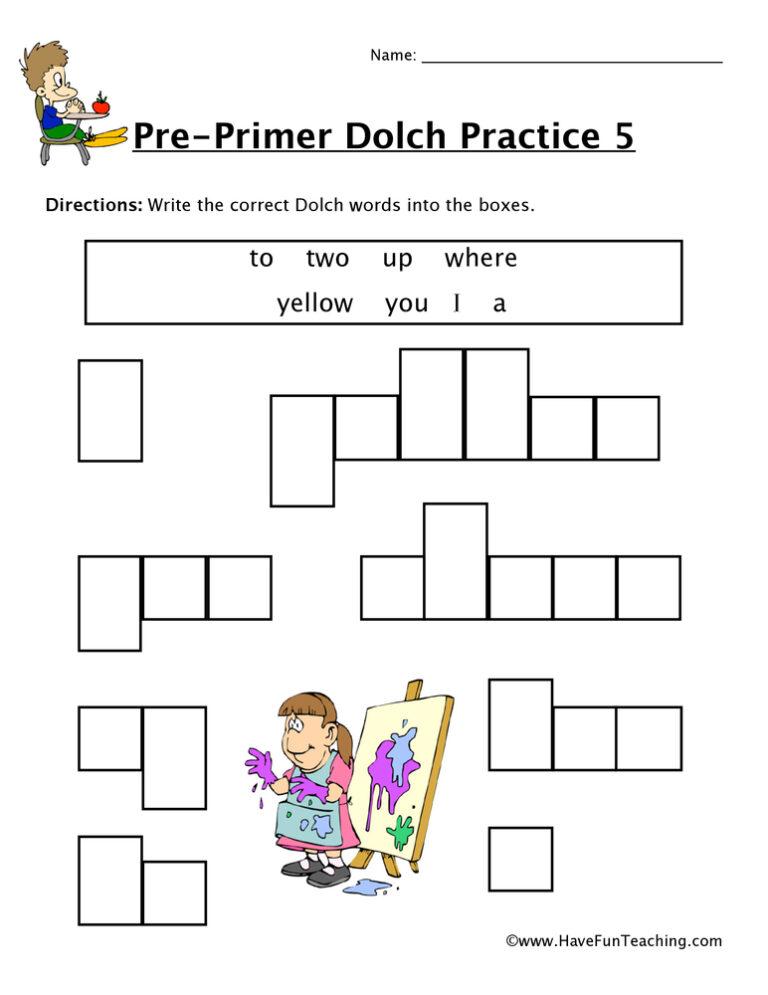
WorksheetKindergartenPre-Primer Sight Words T to Y Worksheet

This pre-primer sight words t to y worksheet helps kindergarten students read, trace and write six Dolch words, and the answer key makes checking quick and easy.

Worksheet
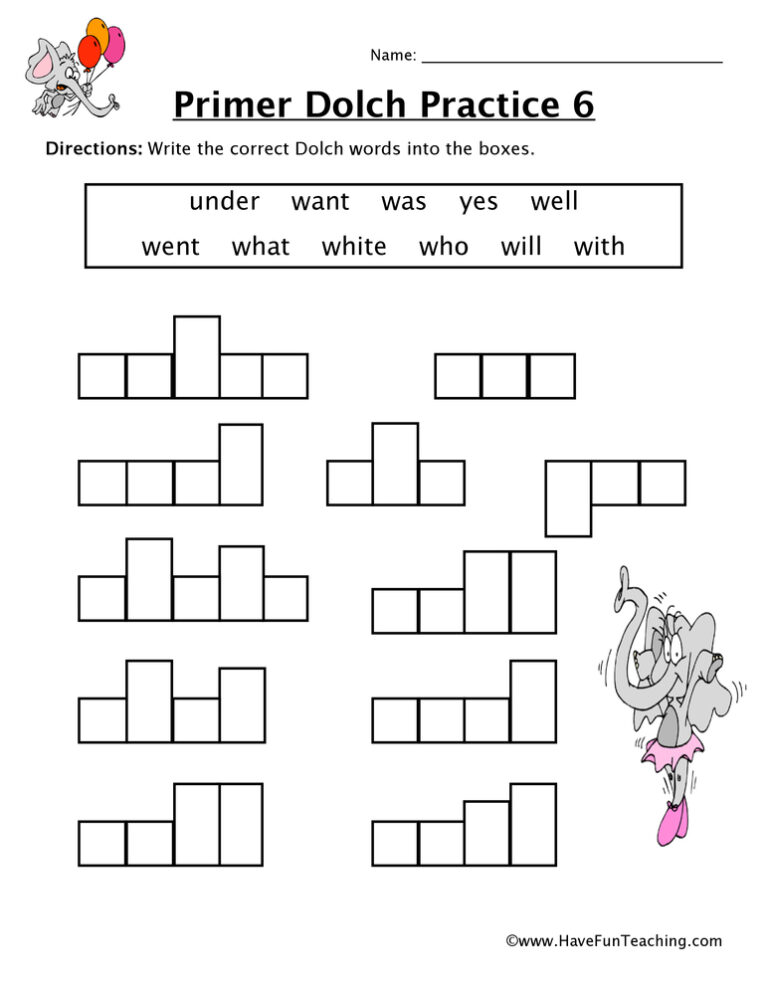
WorksheetKindergartenKindergarten Sight Words U to W Worksheet

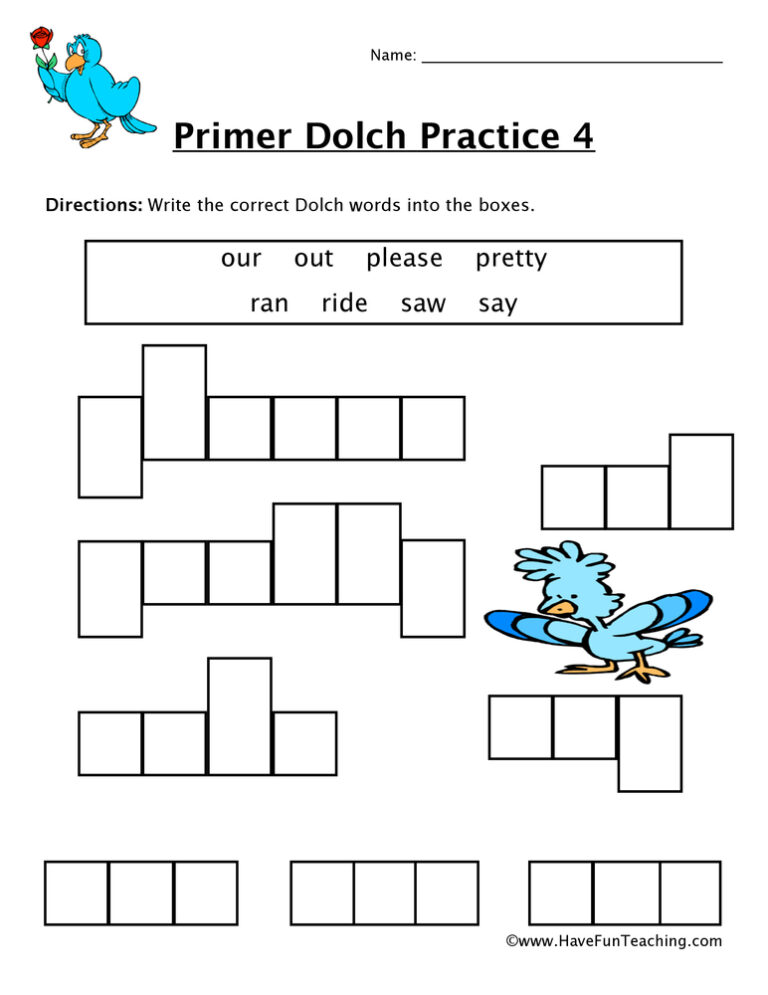
This Kindergarten Sight Words U to W Worksheet has children read, trace and write six Dolch primer words: want, what, under, was, who and went. An answer key is included for quick, no-prep sight word practice.

Worksheet
WorksheetKindergartenKindergarten Sight Words H to O Worksheet

This kindergarten sight words h to o worksheet lets children read, trace, and write six Dolch primer words. An answer key is included so checking work is quick and easy.

Worksheet
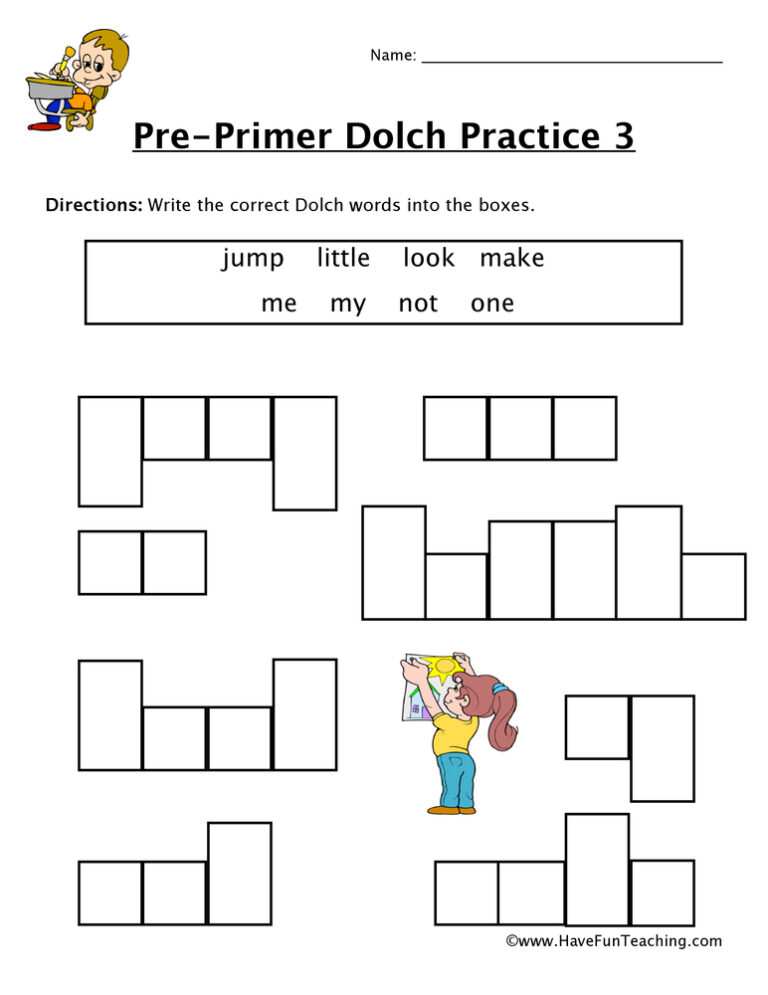
WorksheetKindergartenPre-Primer Sight Words J to O Worksheet

This pre-primer sight words j to o worksheet gives kindergarten students practice reading, tracing and writing six Dolch words, and an answer key makes checking fast.

Worksheet
WorksheetKindergartenPre-Primer Sight Words P to W Worksheet

This pre-primer sight words p to w worksheet helps kindergarten students read, trace and write six Dolch words, and the answer key makes checking quick and easy.

Worksheet
WorksheetKindergartenPre-Primer Sight Words A to F Worksheet

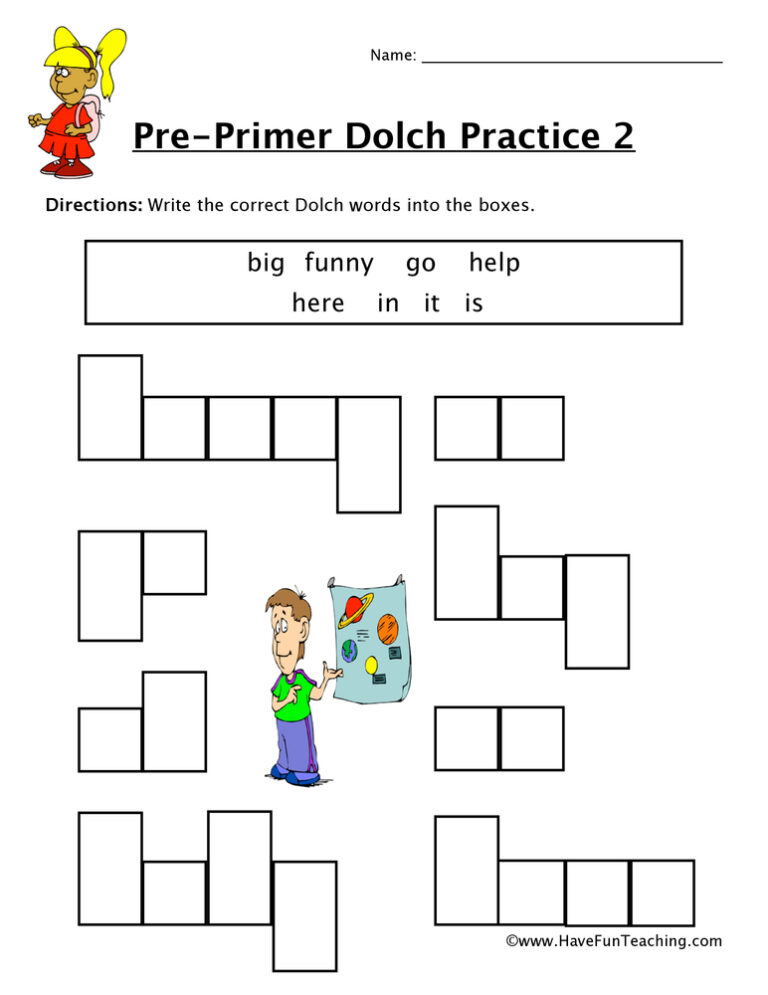
This pre-primer sight words a to f worksheet has kindergarten students read, trace and write six Dolch words on roomy lines, with an answer key for fast checking.

Activity
ActivityKindergartenSupermarket Sweep Food Words Activity

Using Supermarket Sweep Food Words Activity, students practice reading high frequency words tocollect all of the food items on your shopping list.

Activity
ActivityKindergartenFalling Leaves Sight Words Activity

This falling leaves sight words activity has children build a fall poem and hunt for 12 leaf words. Made for Kindergarten and 1st grade, with a practice page and answer key included.

Activity
ActivityKindergartenSpelling Short Vowel Words CVC Words Activity

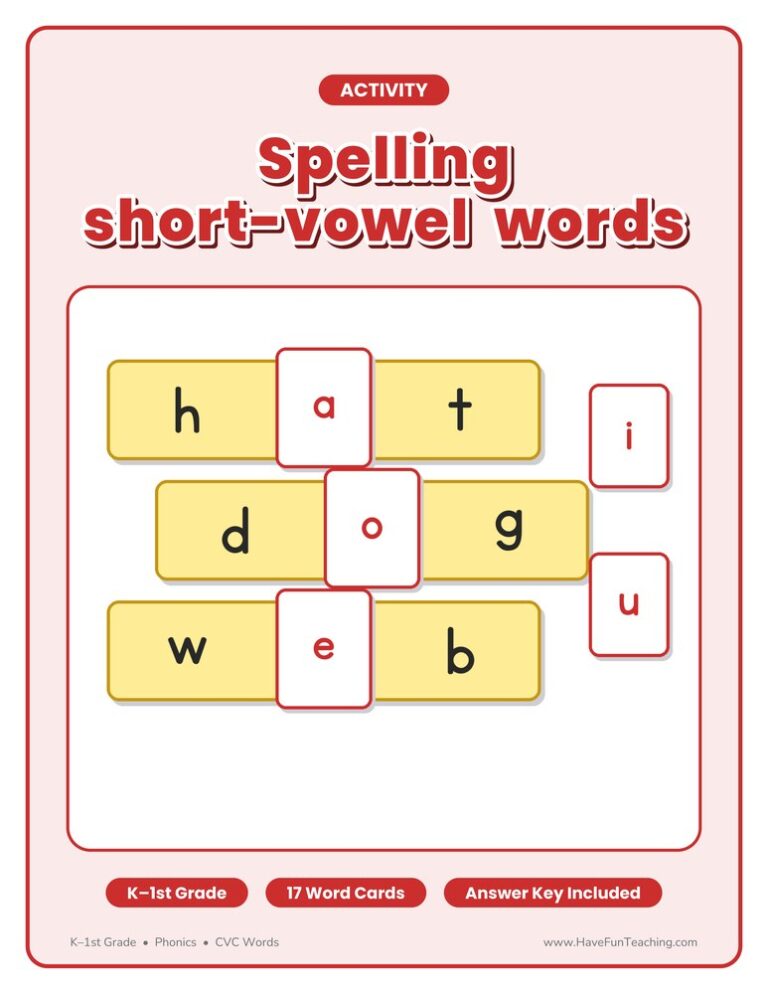
This spelling short vowel words CVC words activity has Kindergarten and 1st Grade students build words with frame and vowel cards and sort real from made-up words. Answer key included.

Activity
ActivityKindergartenWord Recognition Activity

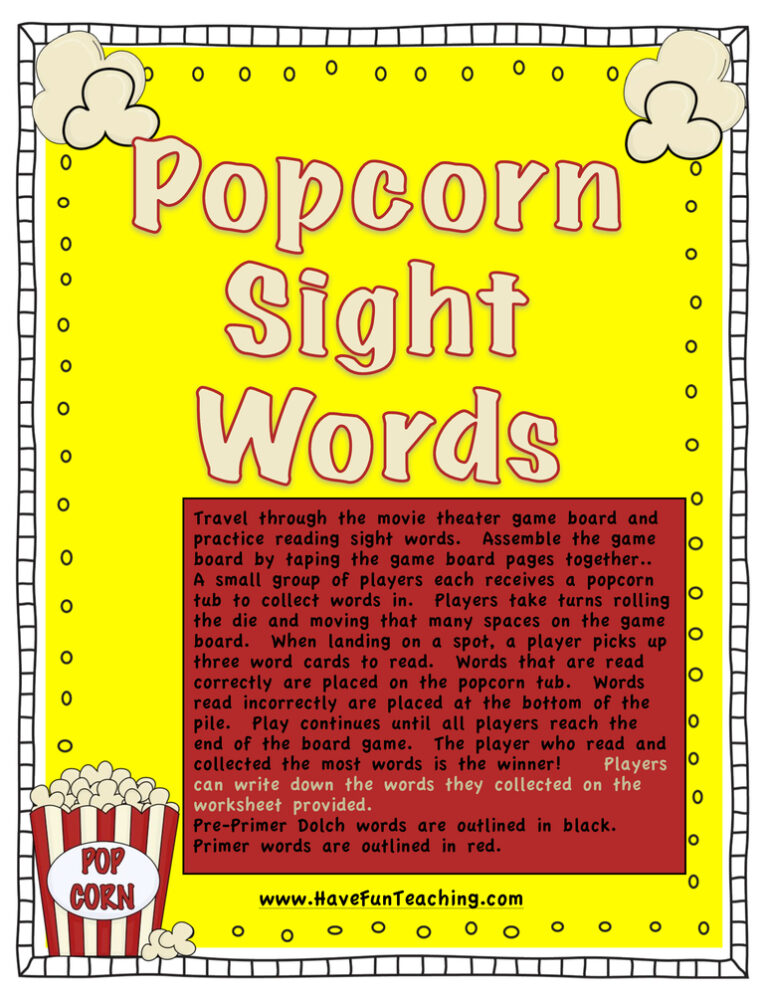
This word recognition activity is a popcorn board game for kindergarten and 1st grade: spin, move and read 36 Dolch sight word cards. Answer key included.

Worksheet
WorksheetKindergartenPrimer Sight Words Book

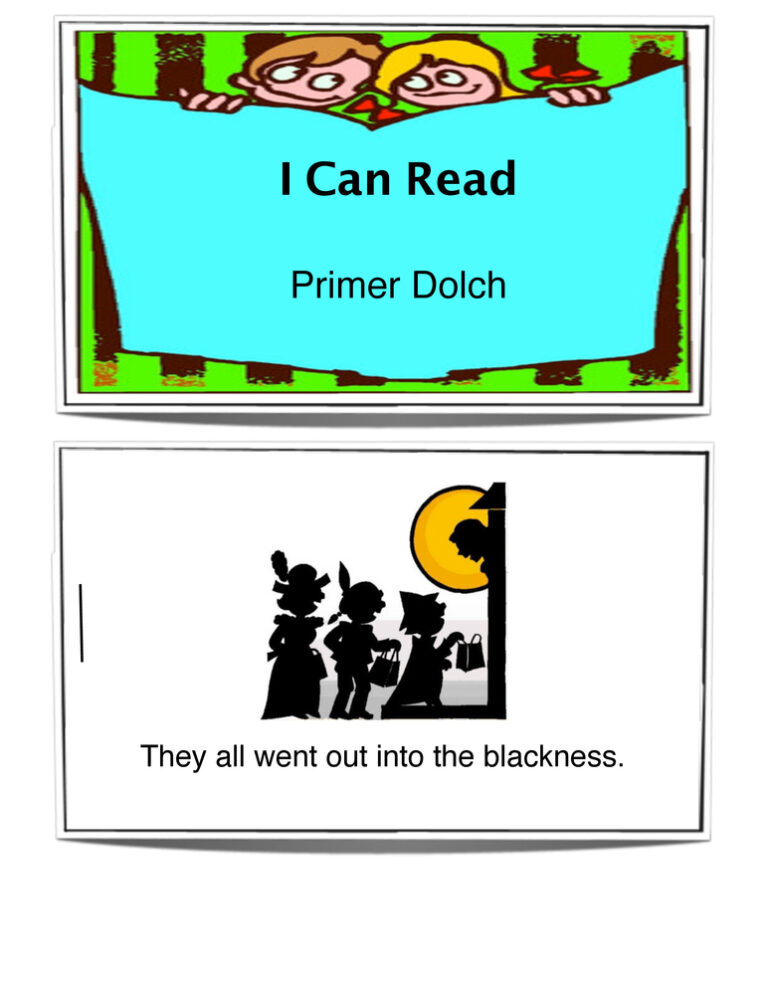
This Primer Sight Words Book has kindergarten students read, trace and write six Dolch primer words: all, came, went, out, into and saw. An answer key is included, making sight word practice quick and easy.

Worksheet
WorksheetKindergartenKindergarten Sight Words O to S Worksheet

This kindergarten sight words o to s worksheet lets children read, trace, and write six Dolch primer words, and the answer key helps grown-ups check each word quickly.

Worksheet
WorksheetKindergartenPre-Primer Sight Words F to I Worksheet

This pre-primer sight words f to i worksheet helps kindergarten students read, trace and write six Dolch words, with an answer key included for quick checking.

Worksheet
WorksheetKindergartenPre-Primer Sight Words Book

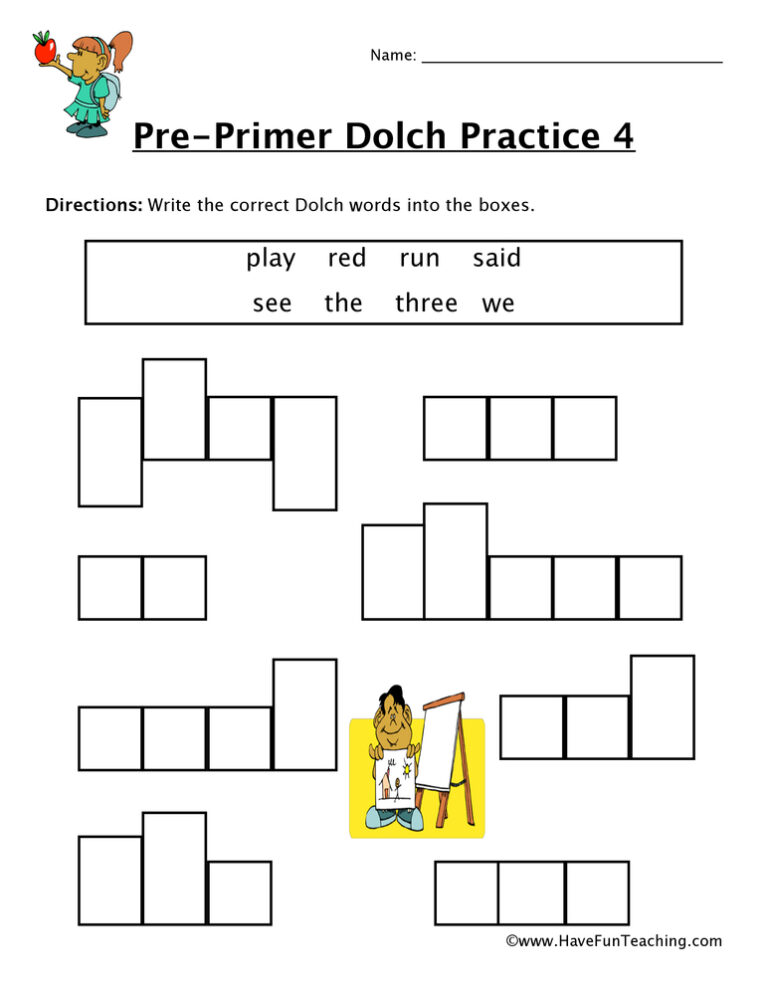
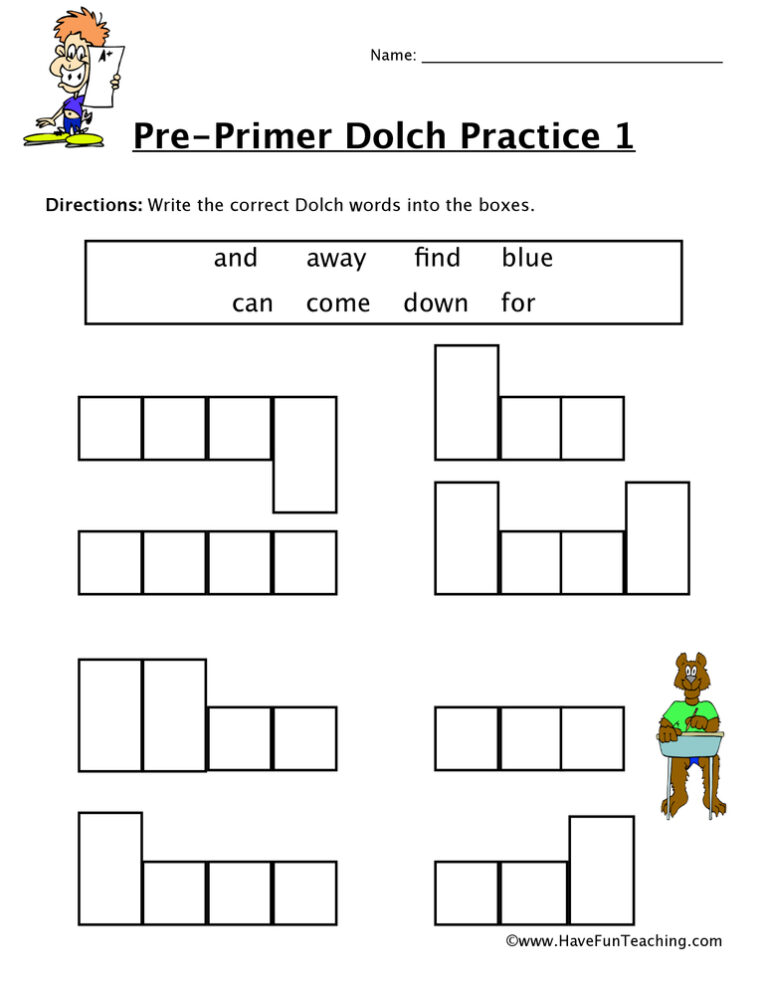
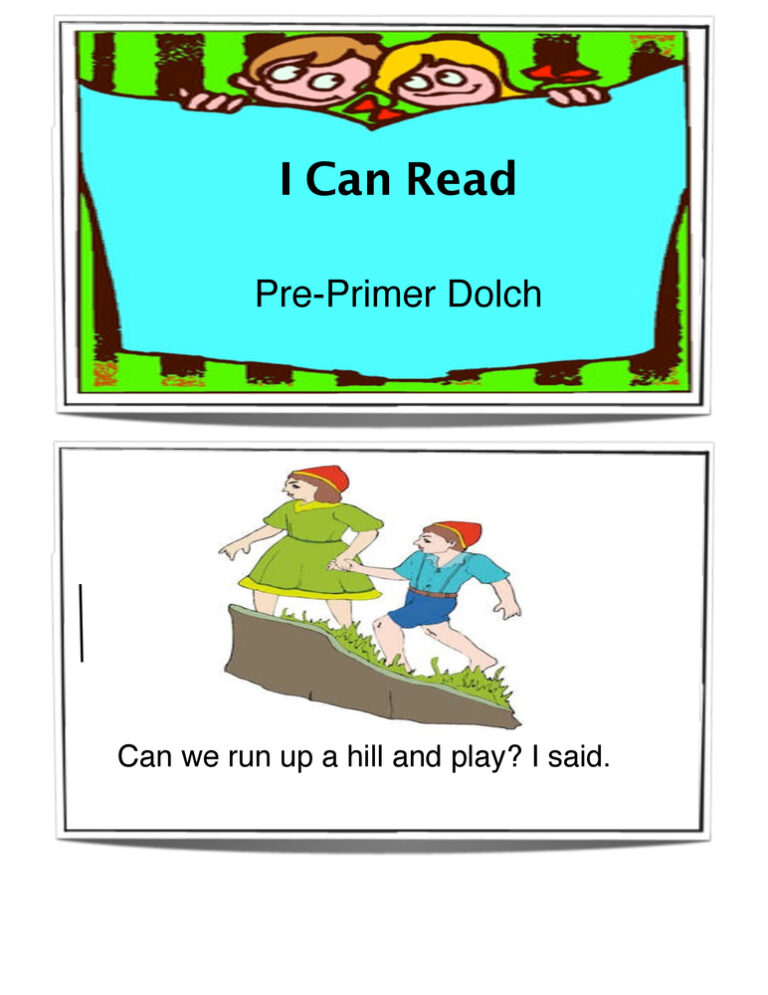
This Pre-Primer Sight Words Book has kindergarten children read, trace and write six Dolch pre-primer words: the, and, see, look, can and little. An answer key is included for quick, no-prep sight word practice.

Activity
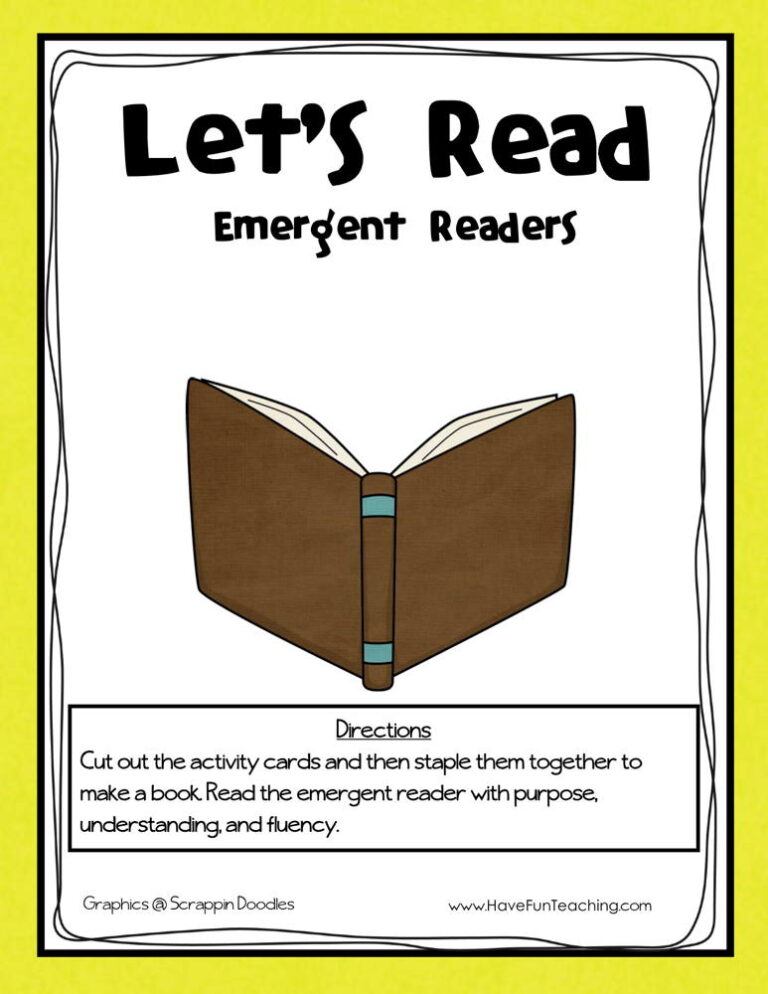
ActivityKindergartenLet's Read Emergent Readers Activity

This Let's Read emergent readers activity is a cut-and-tape mini book for PreK to 1st grade that builds sight word fluency. Answer key included for the practice page.

Worksheet
WorksheetKindergartenKindergarten Sight Words A to B Worksheet

This kindergarten sight words a to b worksheet has children read, trace and write six Dolch primer words, and an answer key makes checking their work fast and easy.

Worksheet
WorksheetKindergartenKindergarten Sight Words S to T Worksheet

Use this kindergarten sight words s to t worksheet to help children read, trace, and write six Dolch primer words like she and soon. An answer key makes checking fast.

Worksheet
WorksheetKindergartenKindergarten Sight Words B to H Worksheet

This kindergarten sight words b to h worksheet lets children read, trace, and write six Dolch primer words. An answer key is included so checking work is quick and easy.

From our teachers' playbook

The little words that unlock big books

What do kindergarteners learn about high frequency words?

High frequency words are the words that show up again and again in books: the, and, I, a, is, can, see, we, to. Kindergarteners learn to read a set of them in a snap, without sounding out. Some, like can and it, follow the rules kids are learning, while others, like said and the, have tricky parts kids just remember. Knowing them lets kids read real sentences early: I can see the cat. The click moment is when a child reads their first little book all by themselves.

Our favorite ways to teach high frequency words

These words stick with lots of quick, fun repetition. Here's how we build a strong word bank.

Read it, then find it

Show a word, read it together, then have kids find it three times in a short passage. Finding the word in real sentences beats looking at it alone on a card.

Why it works: pulling an answer out of memory makes it stick far better than rereading it, one of the strongest findings in learning research (Dunlosky and colleagues, 2013).

Reading High Frequency Words WorksheetTry it withReading High Frequency Words WorksheetWorksheetsOpen it →

A few words a week

Introduce three or four new words each week and keep reviewing the old ones every day. A word wall kids touch during warm-ups keeps every word fresh all year.

Why it works: the brain holds on to what it meets again and again over time; spaced practice was rated among the very best methods (Dunlosky and colleagues, 2013).

Pre-Primer Sight Words A to F WorksheetTry it withPre-Primer Sight Words A to F WorksheetWorksheetsOpen it →

Spell it with your hands

Kids build each word with letter tiles, say the letters, then read the word. Pointing out the tricky part, like the "ai" in said, helps them remember it.

Why it works: going from real objects to pictures to symbols is a core recommendation of the U.S. Department of Education's elementary math guide.

Word Recognition ActivityTry it withWord Recognition ActivityActivitiesOpen it →

Questions teachers and parents ask about kindergarten sight words

How many sight words should a kindergartener know?

It varies by school, but many kindergarteners learn somewhere around 25 to 50 high frequency words by the end of the year. Ask your child's teacher for their list.

What's the difference between sight words and high frequency words?

High frequency words are the most common words in print. Sight words are words a child can read instantly. The goal is for high frequency words to become sight words.

How do I practice sight words at home?

Keep it short: five minutes a day with cards, a quick game or reading a simple book together. Point out the words on signs, cereal boxes and in bedtime stories.

Should kids sound out sight words?

Many high frequency words can be sounded out, like "can" and "it." For tricky ones like "said," kids sound out the regular parts and remember the tricky part.



