Skip to content
Start My 3 Free Days $0 today · cancel anytime

Kindergarten Blends Resources

10 kindergarten blends resources: 7 activities, 2 flash cards and 1 worksheet. How teachers use these

Kindergarten Blends Resources

10 kindergarten blends resources: 7 activities, 2 flash cards and 1 worksheet. How teachers use these

Worksheet
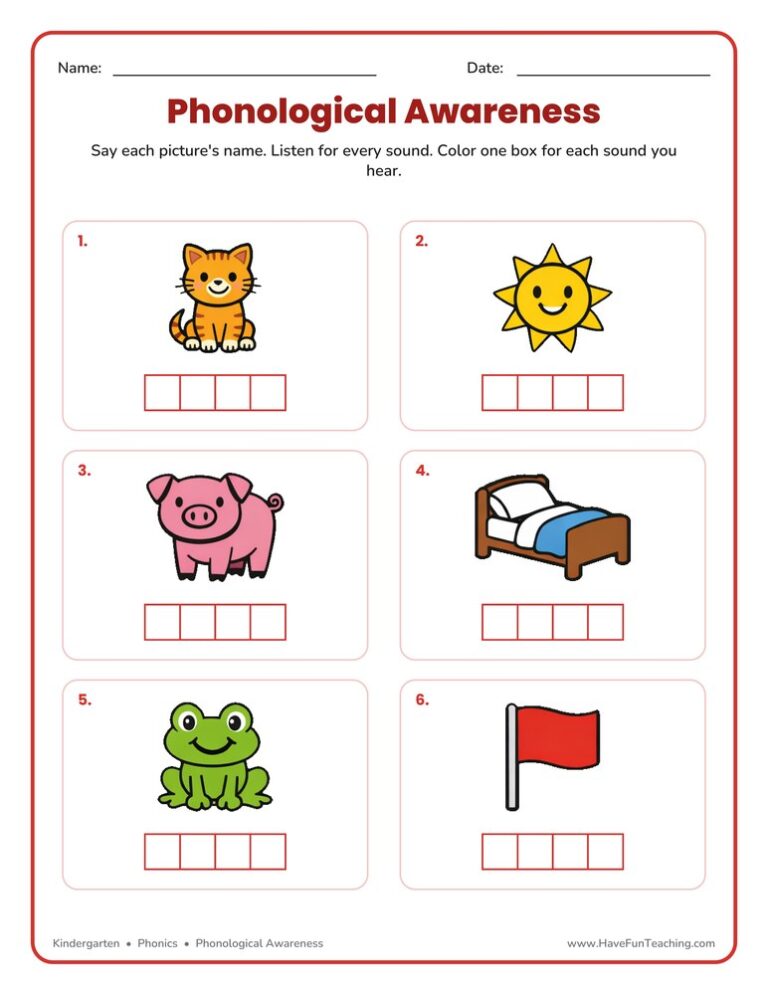
WorksheetKindergartenPhonological Awareness Worksheet

This phonological awareness worksheet helps Kindergarten students listen for each sound in a word and color one box per sound they hear. Includes a complete answer key for easy, no-prep practice of early phonics and phoneme skills.

Activity
ActivityKindergartenPopcorn Blends Activity

In this popcorn blends activity, K-2nd Grade children spin a blend, sort 12 picture cards into popcorn boxes and fill in a practice page, with an answer key included for quick checking.

Flash Cards
Flash CardsKindergartenConsonant Blends Flash Cards

These consonant blends flash cards give kindergarten to 3rd grade readers 18 picture cards for l, r and s blends. Fold, cut and practice; a worksheet and answer key are included.

Activity
ActivityKindergartenBlends, Digraphs, and Trigraphs Activity

Using the Blends, Digraphs, and Trigraphs Activity, students create lists of words that have beginning and ending blends, digraphs, or trigraphs.

Activity
ActivityKindergartenBeginning Consonant Blends Activity

This beginning consonant blends activity gives Kindergarten to 2nd Grade readers 12 picture clip cards, a recording sheet and a practice page, with an answer key included, so they can hear and write r-, l- and s-blends.

Flash Cards
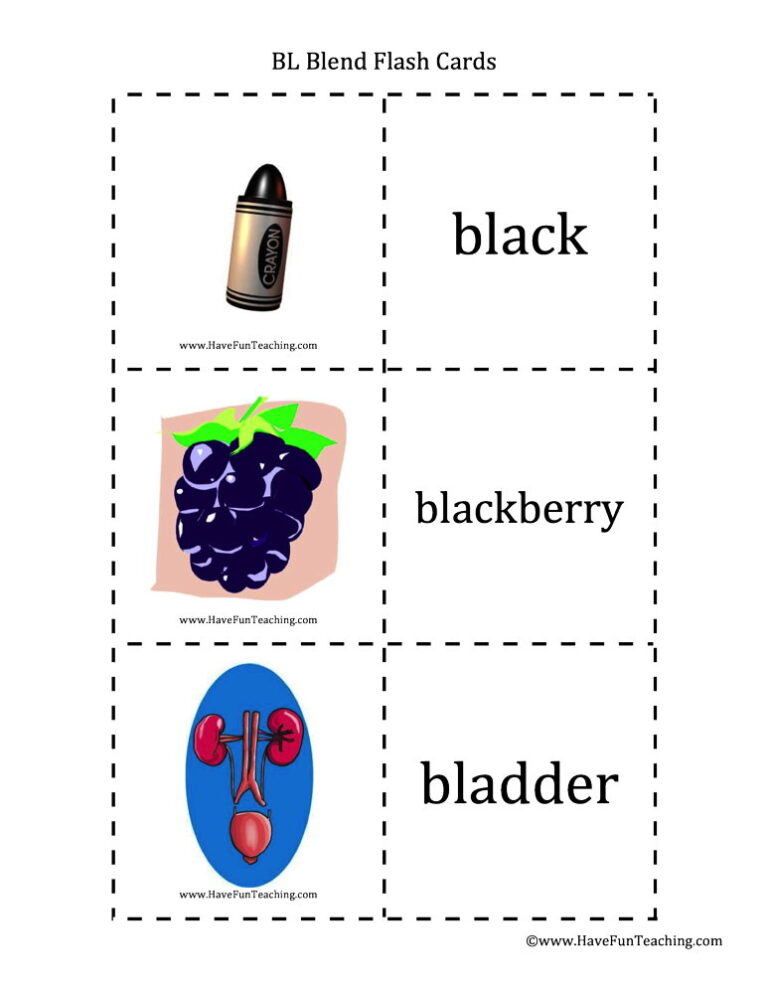
Flash CardsKindergartenBL Blends Flash Cards

These BL Blends Flash Cards help Kindergarten to 2nd Grade students hear and read words that start with bl, with fold-over picture cards. Answer key included.

Activity
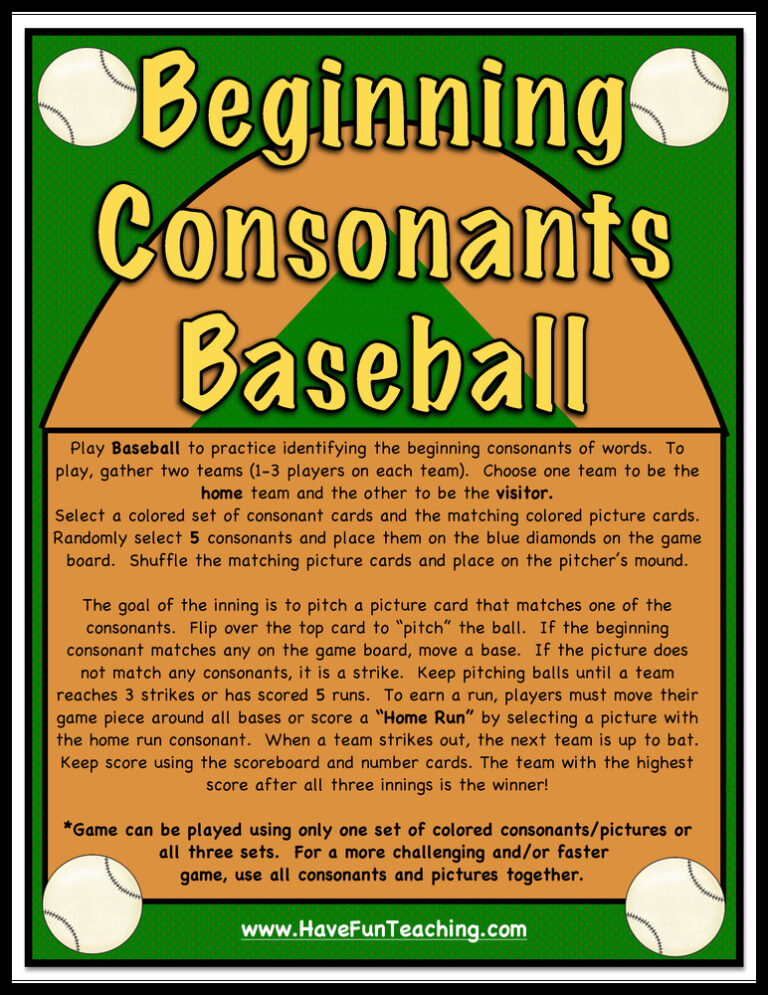
ActivityKindergartenBeginning Consonants Baseball Activity

Using the Beginning Consonants Baseball Activity, students play Baseball to practice identifying the beginning consonants of words.

Activity
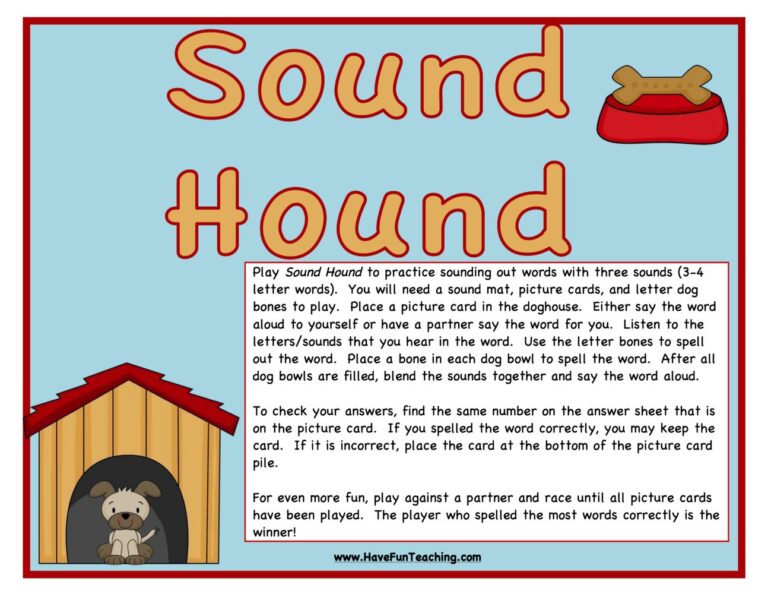
ActivityKindergartenSound Hound Sounding Out Words Activity

UsingSound Hound Sounding Out Words Activity, studentsplay Sound Hound to practice sounding out words with three sounds (3-4 letter words).

Activity
ActivityKindergartenBlends Activity

Using the Blends Activity, students match the blend, word and picture cards to build their beginning blends word fluency.

Activity
ActivityKindergartenLet's Eat Fresh Fruit Blends Activity

UsingLet's Eat Fresh Fruit Blends Activity, students write examples of words with beginning blends to include in their writing.

From our teachers' playbook

Two sounds, squished together

What do kindergartners learn about blends?

A blend is two consonants side by side where you can still hear both sounds, like the s-t in "stop" or the f-r in "frog." Kindergartners usually meet blends late in the year, after they can sound out simple words like "cat." They learn to say each sound, then push them together quickly: /s/ /t/ /o/ /p/ = stop. Lots of the work is oral first, just listening for two sounds at the start of a word. The click comes when a child sounds out "flag" instead of reading it as "fag" or "lag."

Our favorite ways to teach blends

Blends are tricky little ears-and-mouth skills. These moves build them step by step.

See it, say it, slide it

Show a blend flash card like "bl" and have kids say both sounds, then slide them together: /b/ /l/, bl! Add a picture word like "block" right after. A few cards a day keeps blends fresh without a long lesson.

Why it works: teaching letter sounds directly and in order is one of the best-supported findings in reading research (National Reading Panel, 2000).

Consonant Blends Flash CardsTry it withConsonant Blends Flash CardsFlash CardsOpen it →

Build the blend with your hands

Give kids letter tiles and say a word like "crab." They build it sound by sound, then point to the two letters that blend. Moving the letters makes kids notice the second consonant they usually skip.

Why it works: kids understand an idea best when they touch it, then draw it, then write it, the order the U.S. Department of Education recommends for elementary math.

Beginning Consonant Blends ActivityTry it withBeginning Consonant Blends ActivityActivitiesOpen it →

Pop the blend

Read popcorn-style blend cards around a circle: each child reads one and "pops" up when they hear a blend at the start. It's quick, noisy and every child gets a turn. End with the words kids found hardest.

Why it works: in a well-known study, a few short sessions of a simple number board game measurably boosted young children's number skills (Ramani and Siegler, 2008).

Popcorn Blends ActivityTry it withPopcorn Blends ActivityActivitiesOpen it →

Blend questions parents and teachers ask

Do kindergartners learn consonant blends?

Yes, usually in the second half of the year once kids can read short CVC words. Many programs start with hearing blends out loud before reading them in print.

What is the difference between a blend and a digraph?

In a blend you hear both sounds, like the s and t in "stop." In a digraph two letters make one new sound, like "sh" in "ship." Kids learn both, but blends are easier to hear.

Why does my child skip a sound in blends?

It's very common. Young readers hear the first sound and drop the second, reading "fog" for "frog." Have them say each sound slowly and tap it out before blending together.

How can I practice blends at home?

Play "I spy something that starts with /fr/" or stretch words like "sssstop" so your child hears both sounds. Reading short books with blend words for a few minutes a day helps too.