

Phonological Awareness Worksheet
This phonological awareness worksheet helps Kindergarten students listen for each sound in a word and color one box per sound they hear. Includes a complete answer key for easy, no-prep practice of early phonics and phoneme skills.
$6.97
Or free with a membership — get this and 10,000+ resources. See plans
Want this one free?
Tell us where to send it and it’s yours — no card, no catch.
One free resource per teacher. We’ll also send free teaching ideas each week — unsubscribe anytime.
Teaching is easier with a membership
Unlimited printables, games & videos for PreK–6th — for your classroom or homeschool. Cancel anytime.
Start your 3-day free trialNo commitment · Cancel anytime · Instant access to 10,000+ resources
About this resource
Description
Phonological awareness is the ability to hear and work with the individual sounds in spoken words, and it is one of the most important building blocks of early reading. This phonological awareness worksheet helps young learners tune their ears to the separate sounds, or phonemes, inside simple words. By saying a picture’s name slowly and listening for each sound, children begin to understand that words are made of smaller sound parts they can count, blend, and eventually spell.
This kindergarten phonics worksheet gives students six familiar pictures with a row of sound boxes beneath each one. To complete the activity, a child names the picture, stretches the word out sound by sound, and colors one box for every sound they hear. The sound boxes work like Elkonin boxes, giving children a clear, hands-on way to see how many phonemes are in each word. It is simple to use at a literacy center, in a small group, or one-on-one at home.
What’s Included
- 1 print-ready PDF worksheet
- Answer key
- 6 picture-and-sound-box activities
There are three big reasons this phonological awareness worksheet supports growing readers. First, it strengthens phoneme segmentation, the skill of breaking a word into its individual sounds, which research links directly to stronger decoding. Second, the picture cues let children practice independently, even before they can read the printed words. Third, coloring one box per sound turns an abstract listening skill into a concrete, visual task that keeps young learners focused and confident.
Teachers and parents can extend this skill in playful ways all day long. Clap or tap out the sounds in a child’s name, stretch words like a rubber band during read-alouds, or play “I Spy” using beginning sounds. Try sorting toys or snacks by their first sound, or push a small counter into each box as you say a word aloud. The more children hear, say, and move to sounds, the more naturally phonological awareness grows.
Related Resources
What teachers say
Reviews
You must be logged in to post a review.

Using the Blends CL, CR Worksheet, students use the pictures to determine which beginning sound begins the word.

Using these Consonant Blends Flash Cards, students improve their vocabulary by having a list of words with Consonant Blends they can use in their writing.
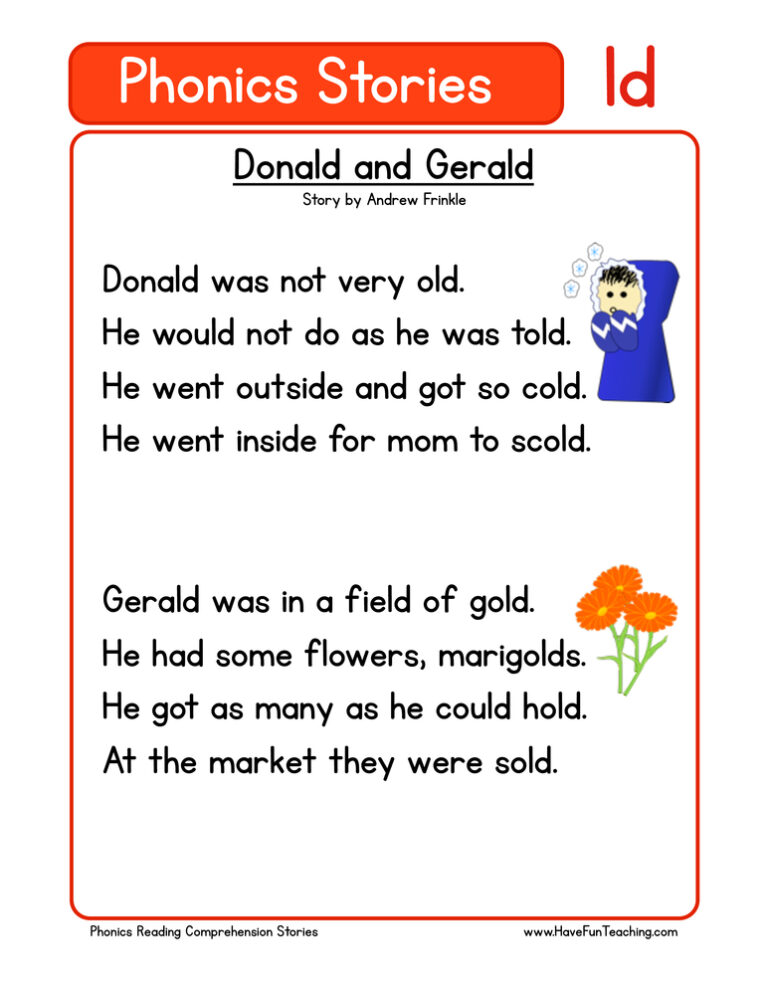
Using this Donald and Gerald LD Phonics Reading Comprehension Worksheet, students build their reading comprehension and phonics skills while reading words featuring LD.

Using the Consonant Sounds Activity, students use the ice cream cone letters and scoop picture cards to identify beginning consonant sounds of words.

Using the Blends Mini Book Activity, students create mini books about blends to practice using words with beginning blends in sentences.
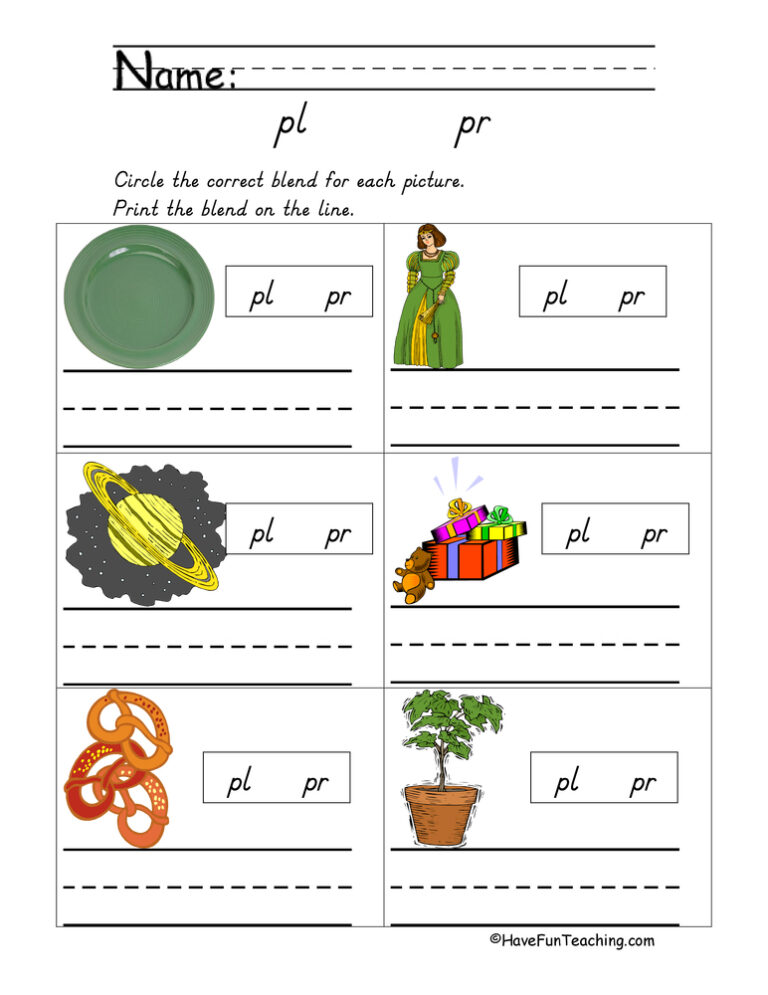
Using the PL, PR Blends Worksheet, students use the pictures to determine which beginning sound begins the word.

Using the Blends, Digraphs, and Trigraphs Activity, students create lists of words that have beginning and ending blends, digraphs, or trigraphs.
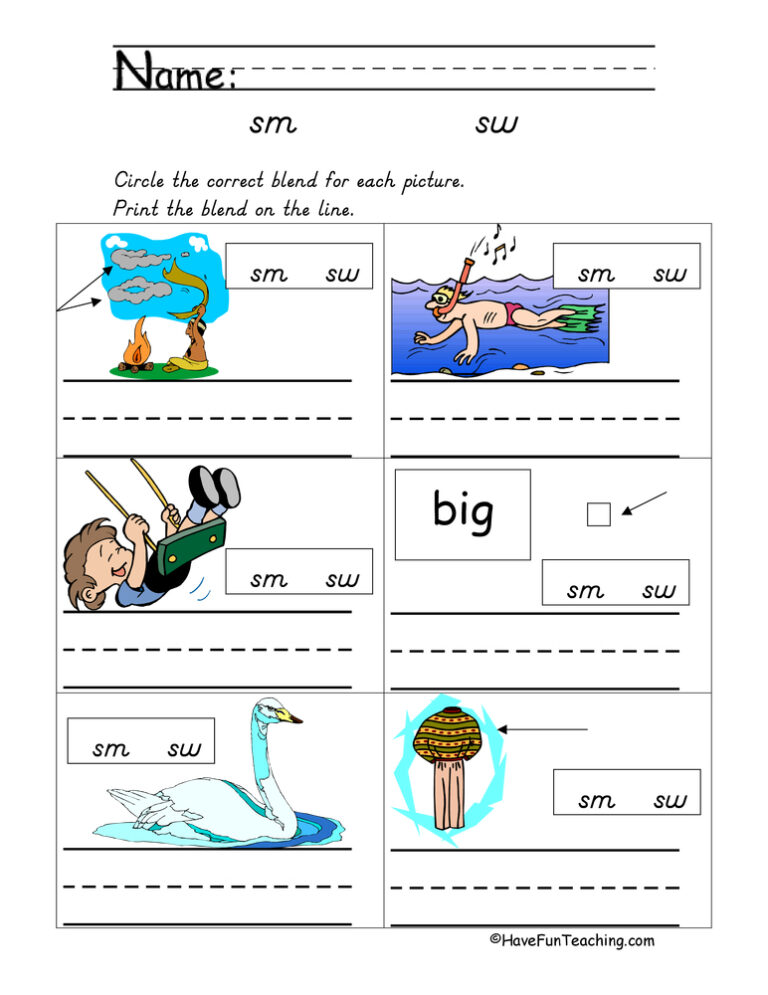
Using the SM, SW Blends Worksheet, students use the pictures to determine which beginning sound begins the word.
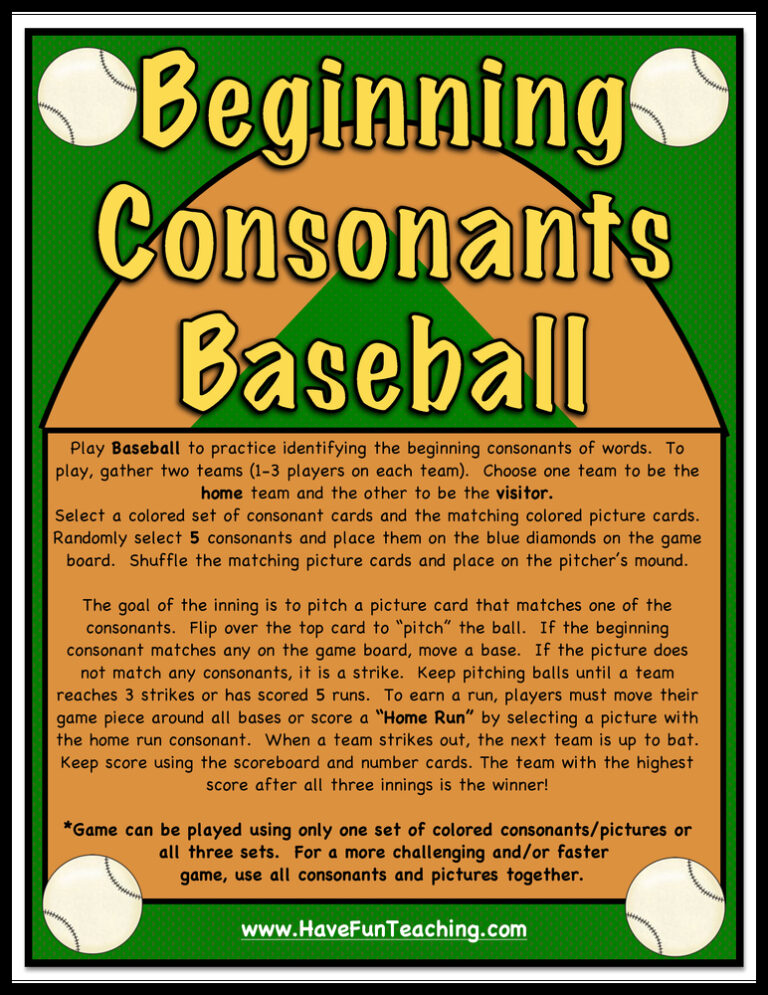
Using the Beginning Consonants Baseball Activity, students play Baseball to practice identifying the beginning consonants of words.

Using the Beginning Consonant Blends Activity, students identify the beginning consonants blends in common words using picture cards.

Using this Clifford the Shepard RD Phonics Reading Comprehension Worksheet, students build their reading comprehension and phonics skills while reading words featuring RD.
Reviews
There are no reviews yet