
3 days free
Ready for the whole library?
You’ve had your freebie — but members download 10,000+ resources for every grade, all year long. Try it free — $0 today, cancel anytime.
Free for teachers
Pick your grade. We’ll send 10 free resources.
Worksheets, activities and a video — picked for your classroom, ready to print tonight.
One free bundle per teacher. We’ll also send free teaching ideas each week — unsubscribe anytime.
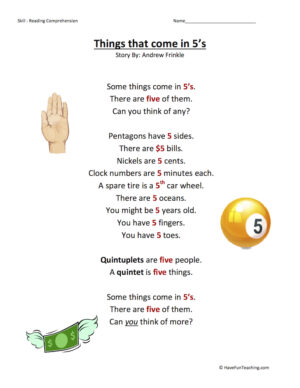

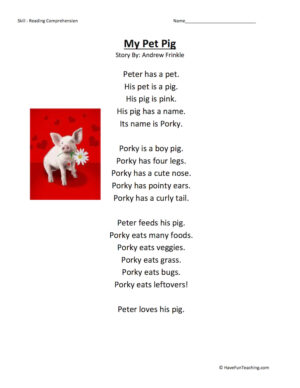


A kindergarten characters, settings, and events worksheet that helps young readers identify story elements—who is in a story, where it happens, and what happens—using a simple three-column graphic organizer for retelling any story.
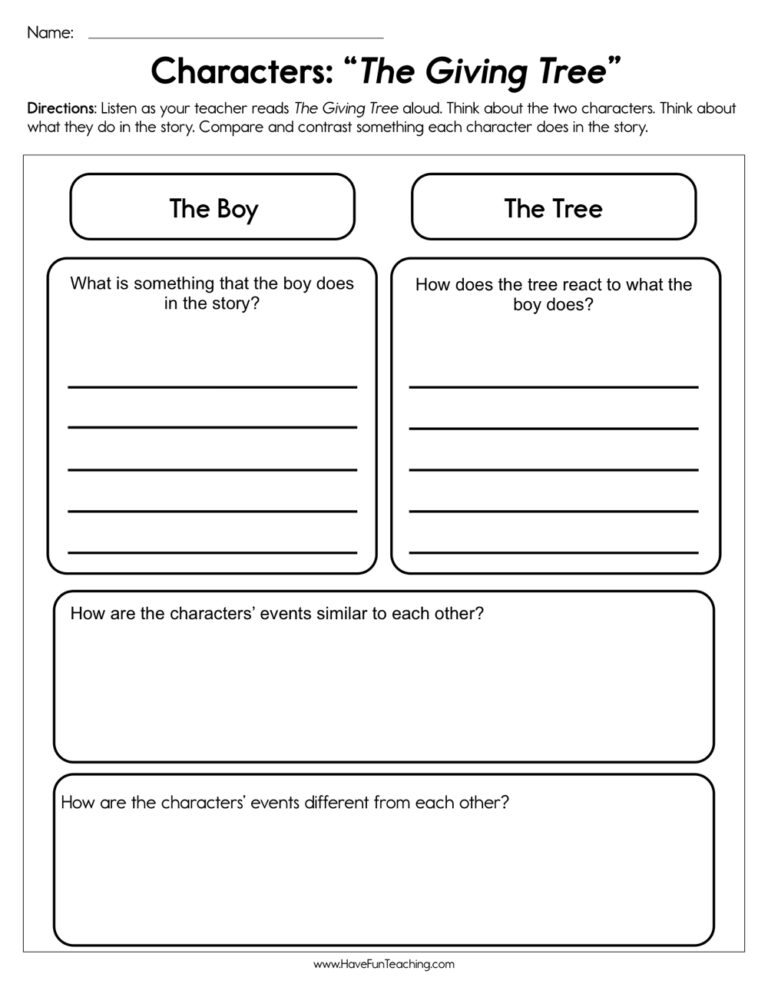
Using Characters, Settings, and Big Events Worksheet, students draw pictures and write a sentence for each to tell about the story elements in a book.

Using Feeling Words Activity, students read Amy Goes to First Grade to find words and phrases that describe Amy's feelings on the first day of school.

Using Describe Characters and Setting Activity, students explain how specific aspects of a text's illustrations contribute to what is conveyed by the words in a story.
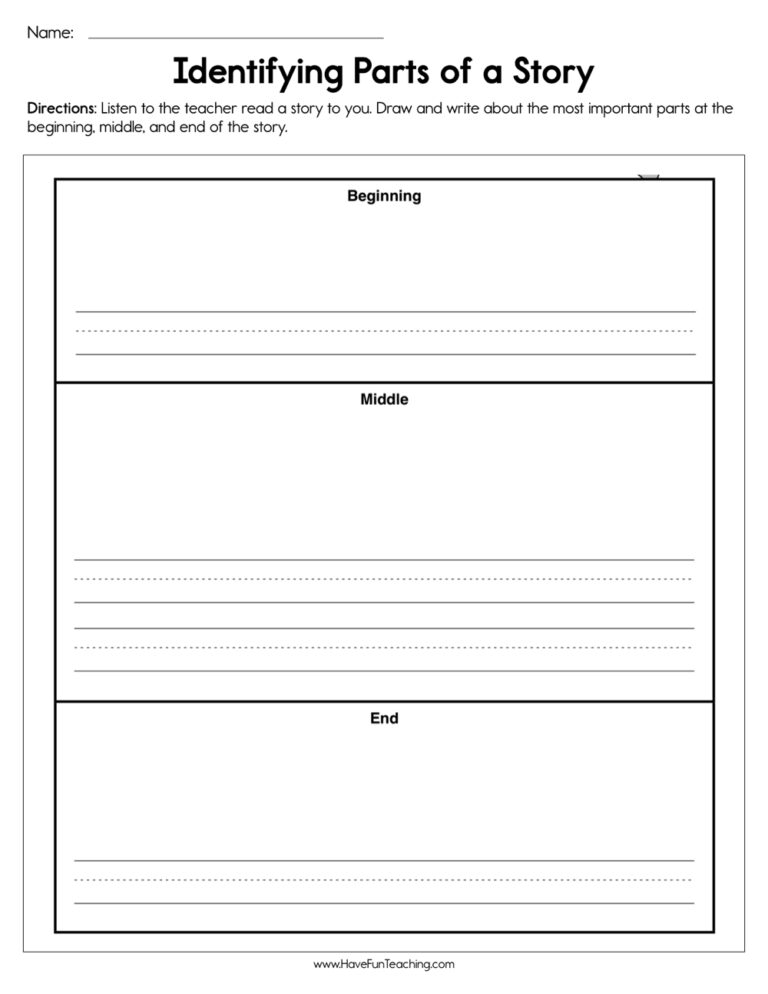
This identifying parts of a story worksheet helps kindergarten readers name the characters, setting, and beginning, middle, and end of a short bird story, with an answer key included for easy checking.
Using What's the Moral of the Story Activity,students recount fables and folktales from diverse cultures, and determine their central message, lesson, or moral.
Using How are They the Same Compare and Contrast Story Elements Activity, students compare and contrast the themes, settings, and plots of stories written by the same author about the same or similar characters.
Using thisApple Themed Writing Activity, students practice their comparing, sequencing, and poem writing skills while writing all about apples!

Using Compare Contrast Book Covers Worksheet, students compare two books using information from the book cover to determine how they are alike and different.
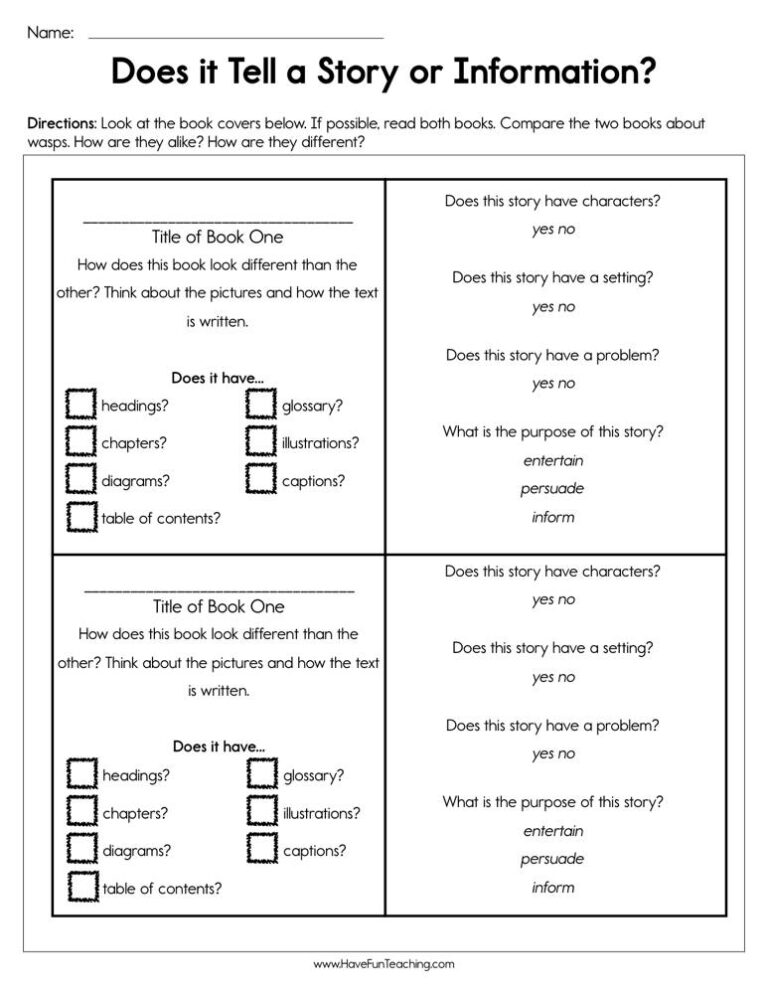
Using Does it Tell a Story or Information Worksheet, students compare two texts about wasps to determine how they are alike and different.
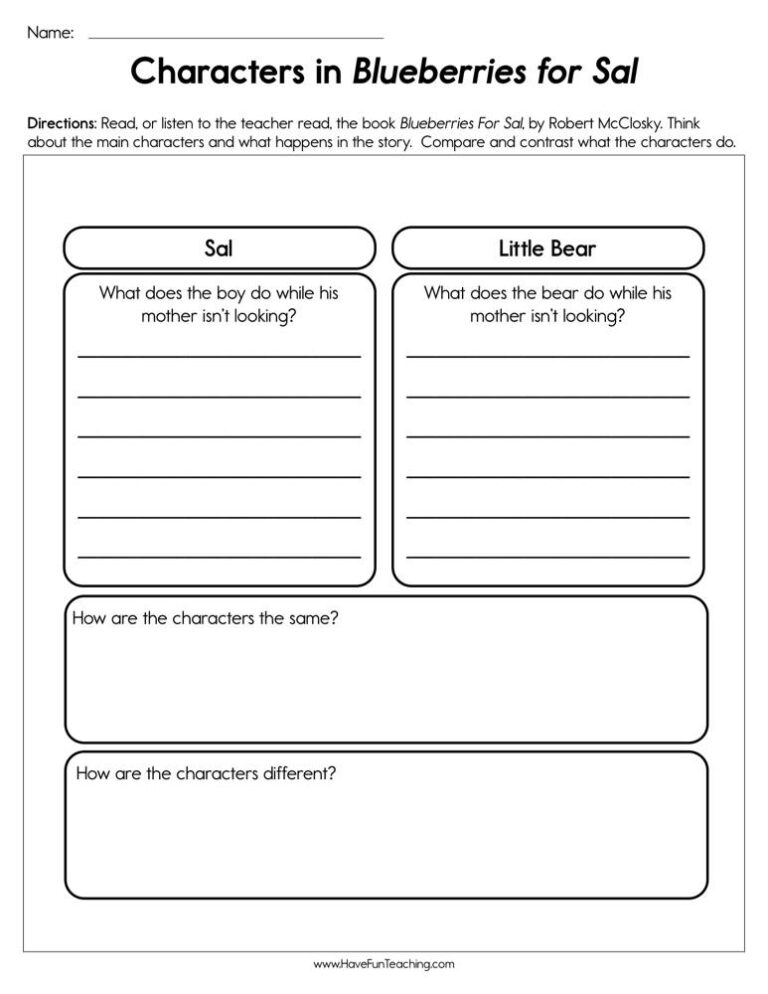
Using Characters in Blueberries for Sal Worksheet, students compare two characters from a story to determine how they are alike and different.
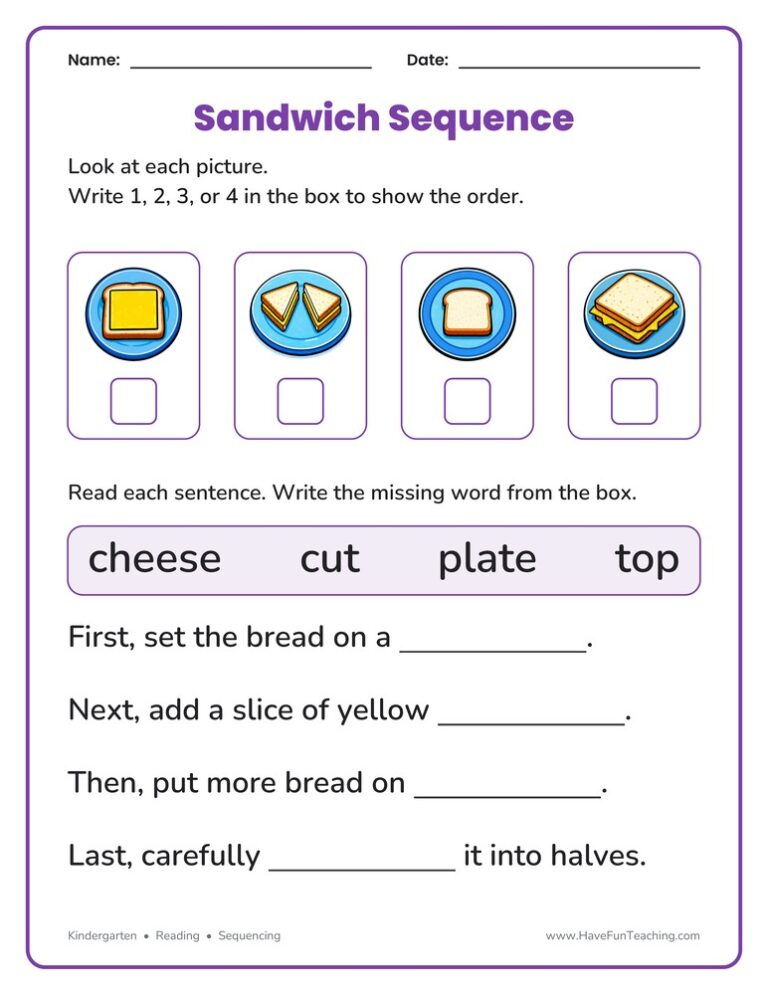
This sequencing pictures worksheet has kindergarten students number four sandwich-making pictures in order and finish four First, Next, Then, Last sentences. An answer key is included to make checking quick.
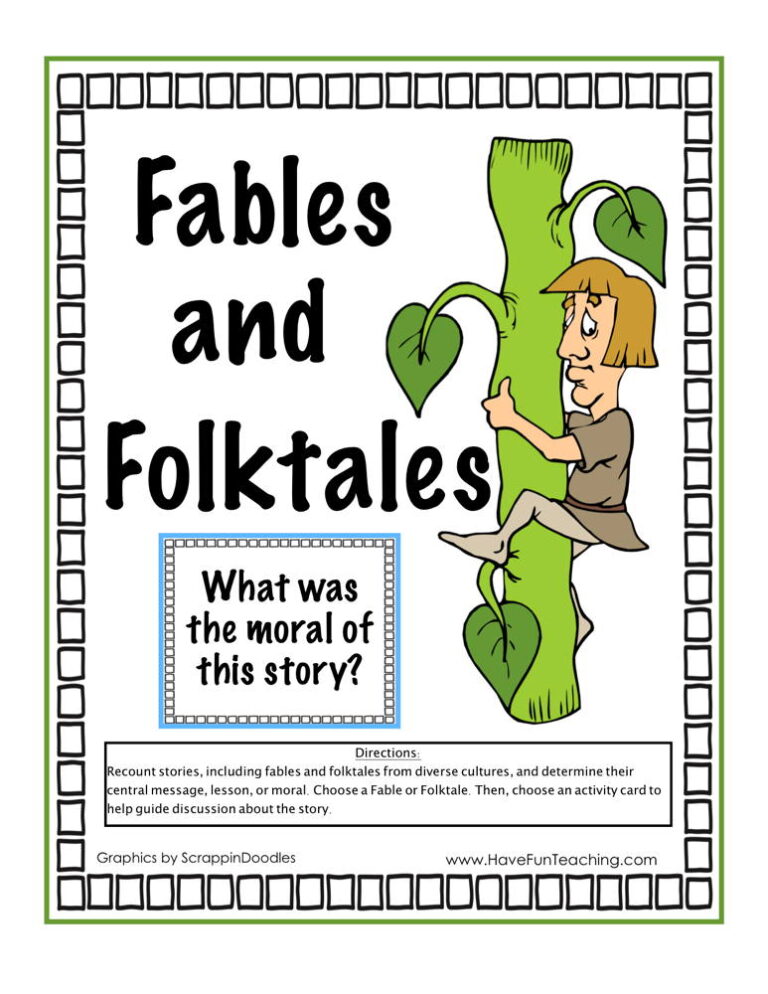
Using Fables and Folktales Activity,students recount fables and folktales from diverse cultures, and determine their central message, lesson, or moral.
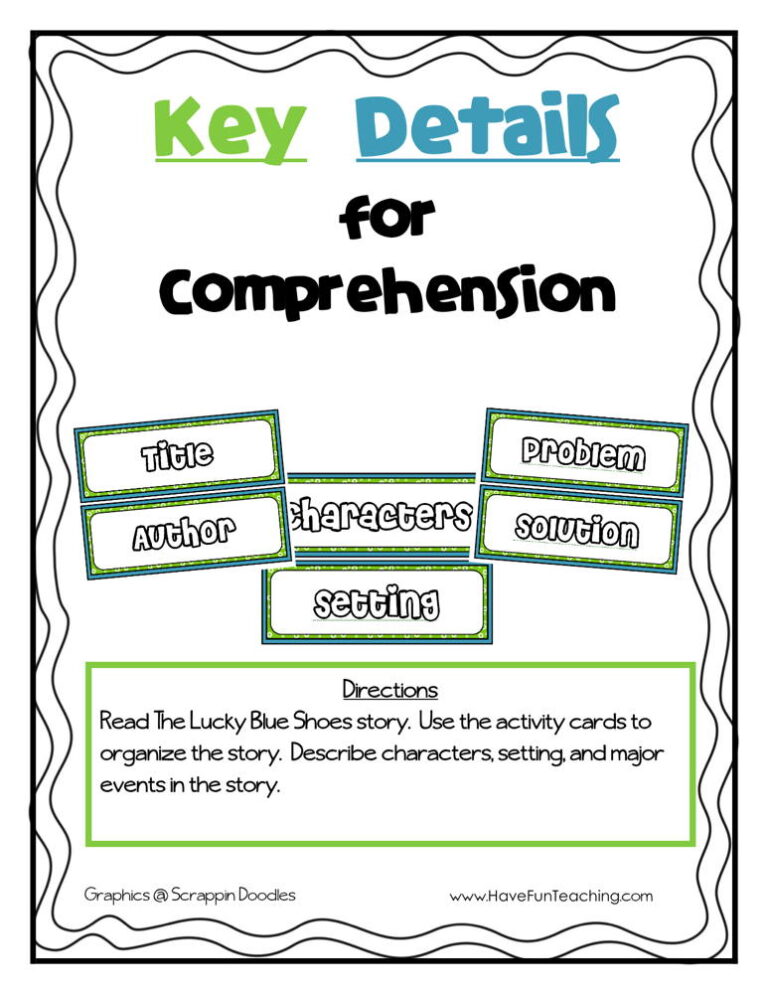
Using Key Details for Comprehension Activity, students read The Lucky Blue Shoes to describe the characters, setting, and major events in the story.
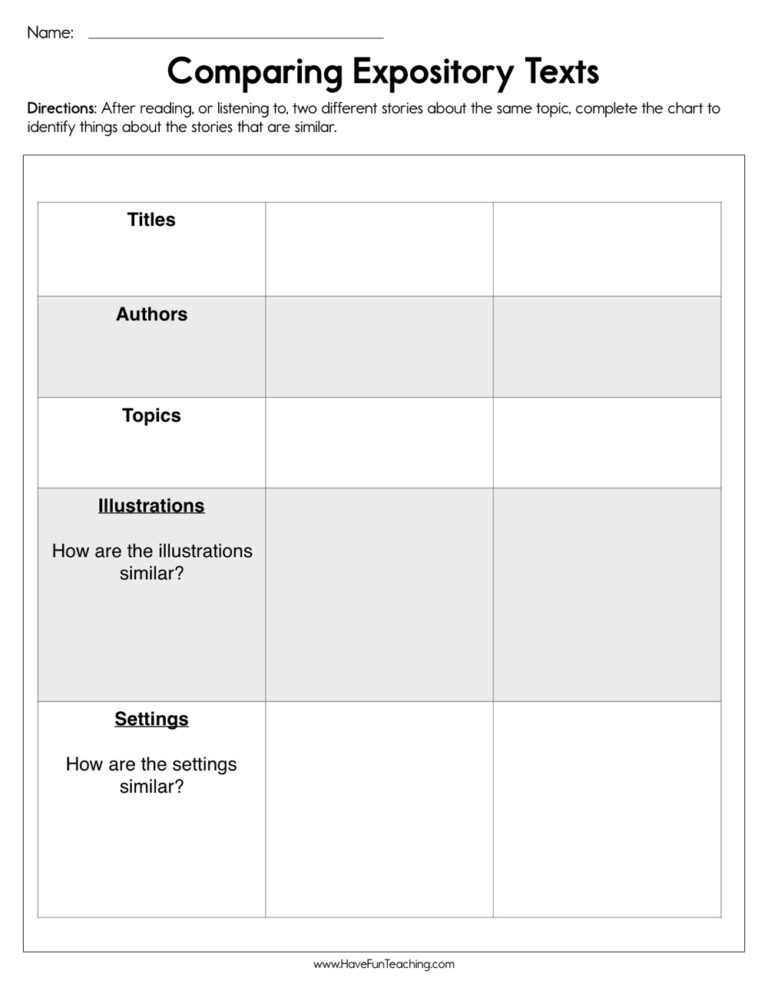
Using Comparing Expository Texts Worksheet, students compare story elements intwo different stories about the same topic to determine how they are alike and different.
Using Story Elements Activity, studentsfind examples of text features and story elements to build their reading comprehension.

Using this Finding Story Elements Activity, students help three superheroes defeat the evil villain Story Weaver and crack the code in a story. Use the boxes on the next pages to help them do their job!

Using Story Elements Organizing What You Read Activity, students use activity worksheets and graphic organizers to describe the characters, setting and events.
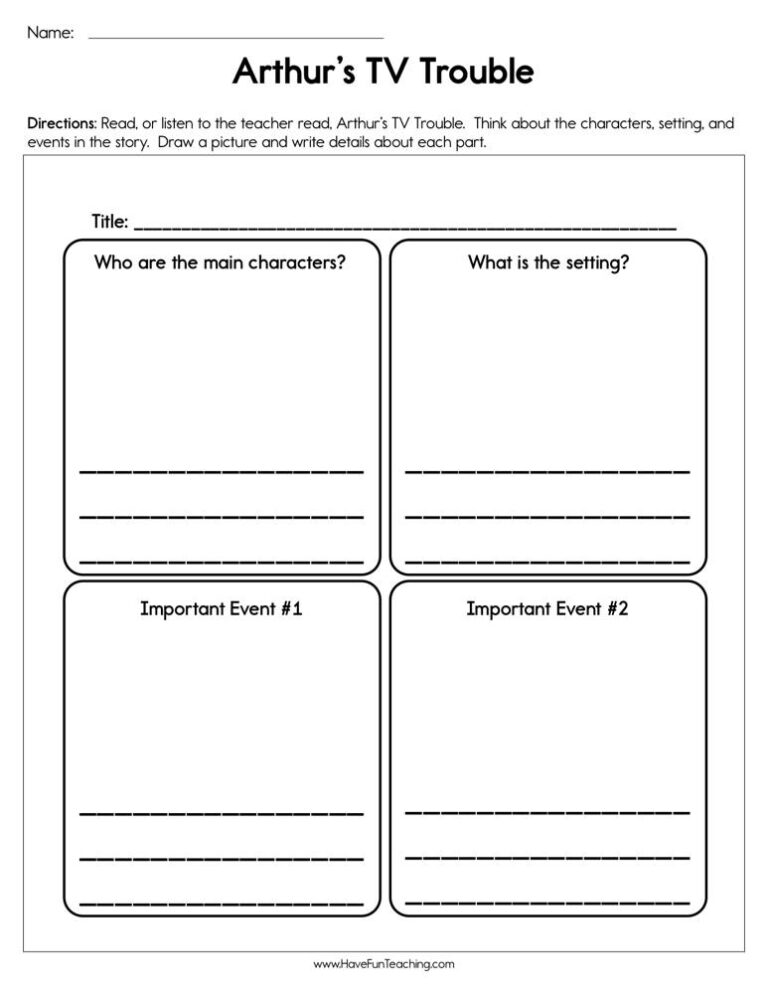
Using Arthur's TV Trouble Worksheet,students retell the story by describing the story elements of any given story to build their reading comprehension.
Using Key Details in a Text Activity, students ask and answer questions as who, what, where, when, why, and how to demonstrate understanding of key details in a text.



