3 days free
Ready for the whole library?
You’ve had your freebie — but members download 10,000+ resources for every grade, all year long. Try it free — $0 today, cancel anytime.
Free for teachers
Pick your grade. We’ll send 10 free resources.
Worksheets, activities and a video — picked for your classroom, ready to print tonight.
One free bundle per teacher. We’ll also send free teaching ideas each week — unsubscribe anytime.



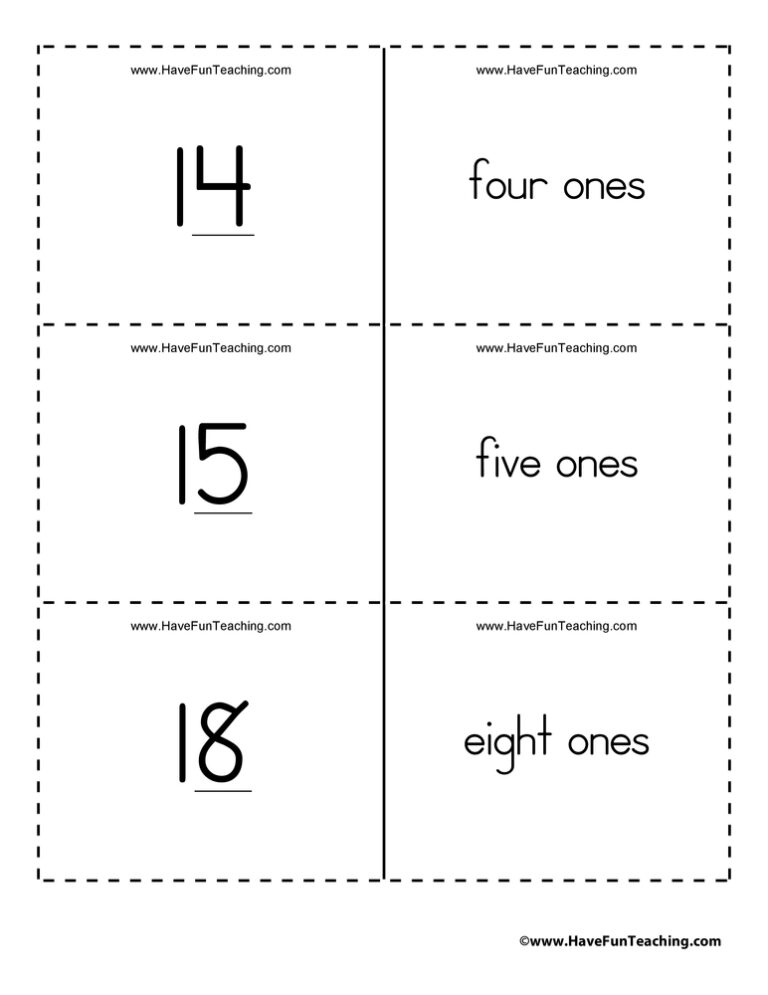
Using Ones, Tens, Hundreds Place Value Flash Cards, students identify an underlined digit's value to build number recognition and place value skills.

Using Crayon Number Matching Activity, studentscount objects up to 12 in a set in order to build their counting fluency.
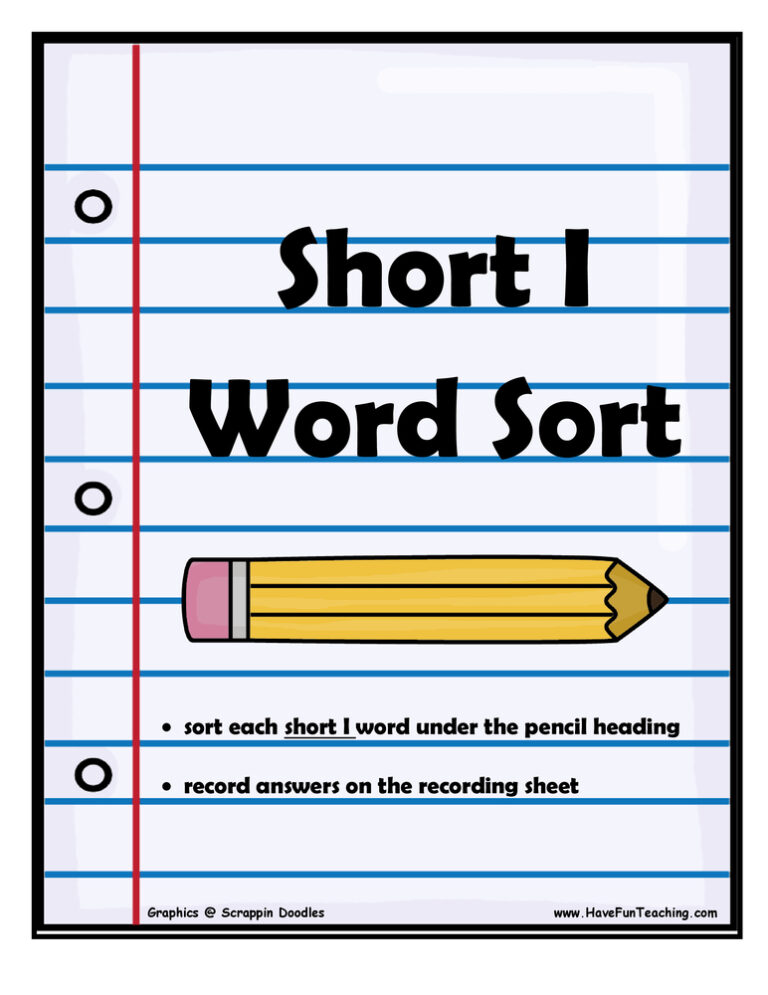
Using this Short Vowel I Word Sort Activity, students sort each Short I Word under the matching word family heading with the short /i/ sound.
Using this Short Vowel Sounds Activity, students sort the short vowel sound picture cards and place them under the matching vowel sound letter card.

Using Syllable Sort Activity, students practice reading words and identifying the number of syllables.

Using this Vowel Letter I Activity, studentsmatch the short and long vowel I sound cards with the matching vowel crab cards.

This Colors Clip Art is a perfect addition to any bulletin board, flyer, or other printable that you use in your classroom.

This tens place value worksheet helps 3rd grade students name what a tens digit is worth, with number items, write-your-own challenges, word problems and an answer key.
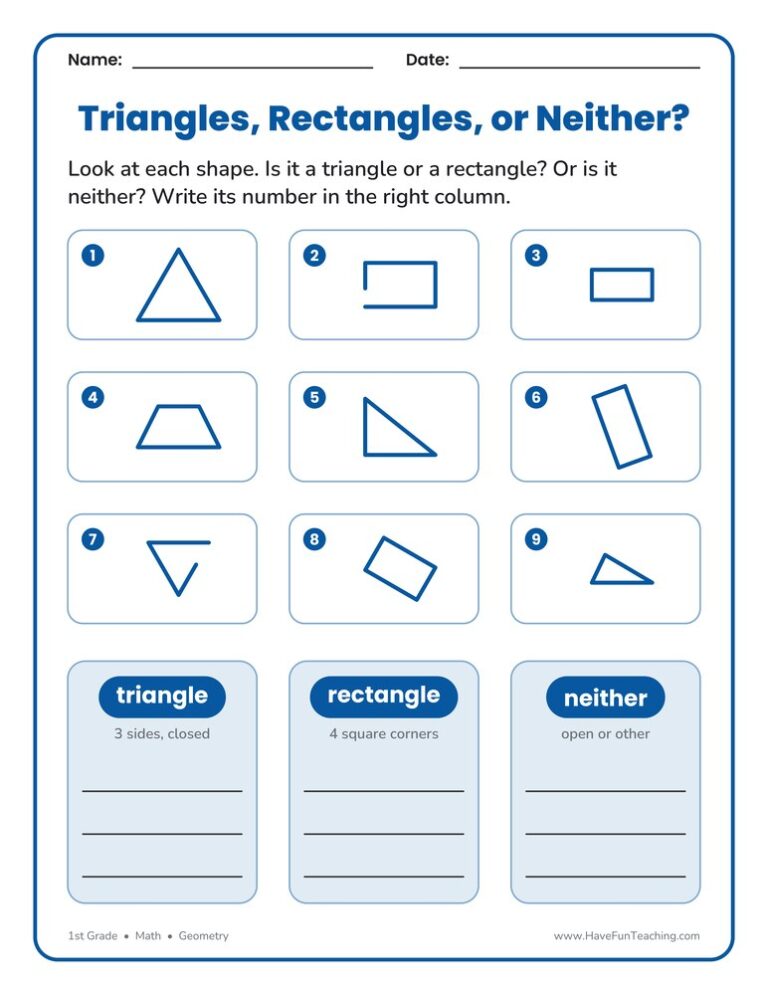
In this Triangles, Rectangles, or Neither Worksheet, 1st graders check sides, corners, and closed edges to sort nine shapes into three columns. A full answer key makes checking quick and easy.

This adding 8 word problems worksheet gives 1st graders five short stories to solve by adding 8. Each story has a number sentence to finish, and an answer key is included for fast checking.

This counting to five worksheet helps kindergarten students count oranges, cupcakes and cookies, write each total, and fill in missing numbers from 1 to 5. An answer key makes checking quick and easy.

The Roman Numeral Names Worksheet has 2nd grade students read Roman numerals from II to X and write each number word, with an answer key, to build flexible number sense.
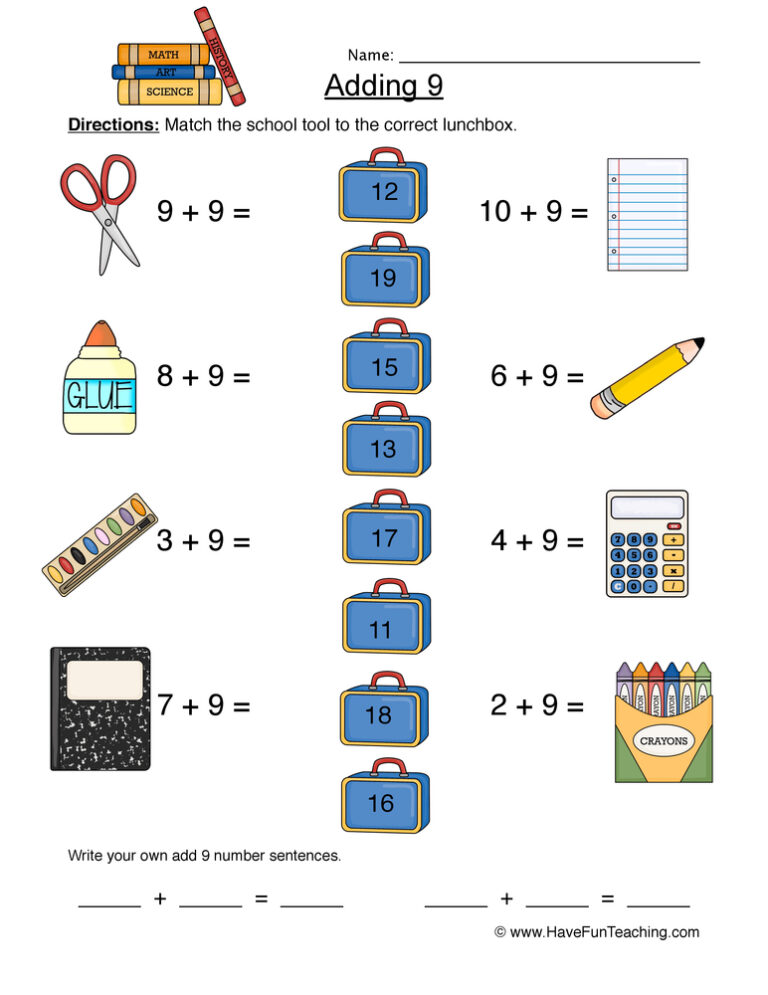
Build fast sums with this adding nine matching worksheet for 1st grade. Kids match six add-nine facts, then solve four more, and an answer key makes checking quick and easy.

This fact families worksheet has 1st graders write twelve column addition and subtraction facts from three number families within 20. An answer key is included for quick, no-prep checking.

Use this alien double digit subtraction regroup worksheet to give 2nd graders twelve two-digit problems that each need a trade, with an answer key included, so every child gains steady regrouping skill.

This circling examples of yellow worksheet asks kindergarten students to find and circle the yellow object in four picture rows. An answer key is included for fast, easy checking.
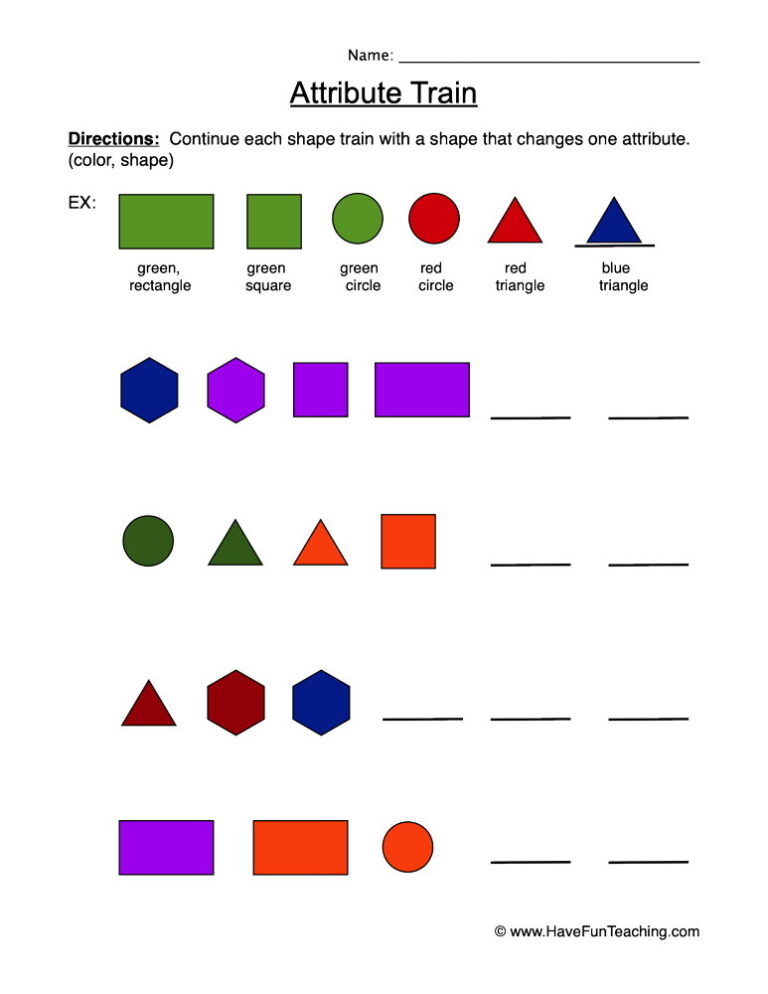
This drawing attributes worksheet asks 1st grade students to find the train car that changes just one thing, color or shape. An answer key is included for fast checking.
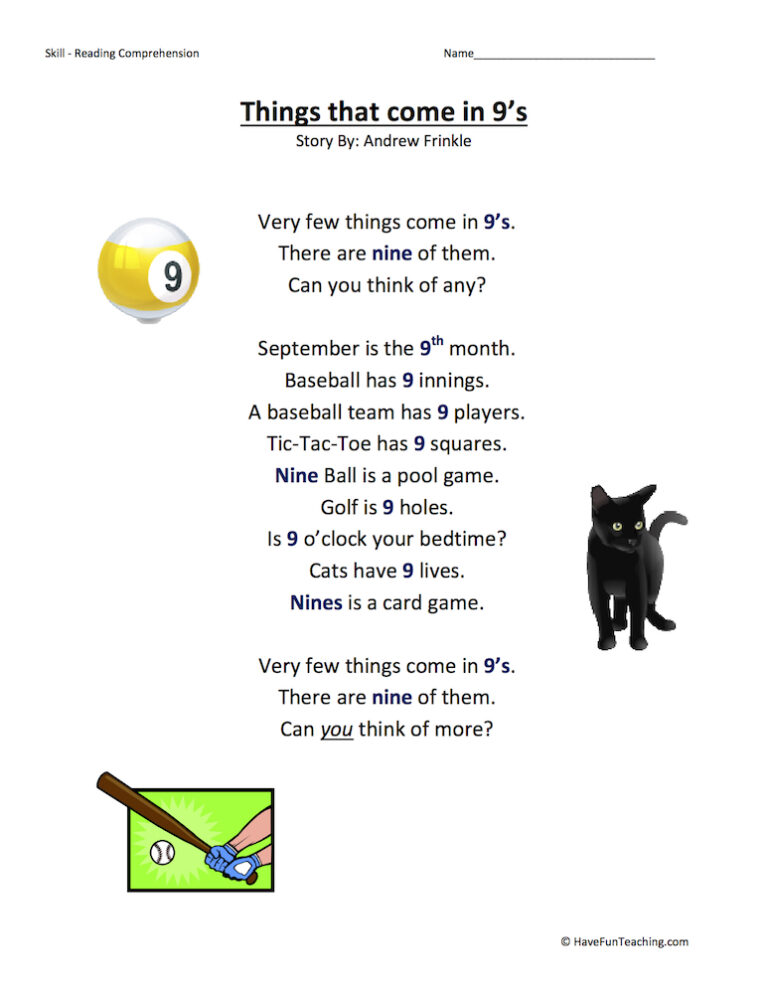
This Things that come in 9s Reading Comprehension Worksheet gives Kindergarten readers a short story about the number nine, five multiple-choice questions and a full answer key, so reading and counting practice is ready to print.
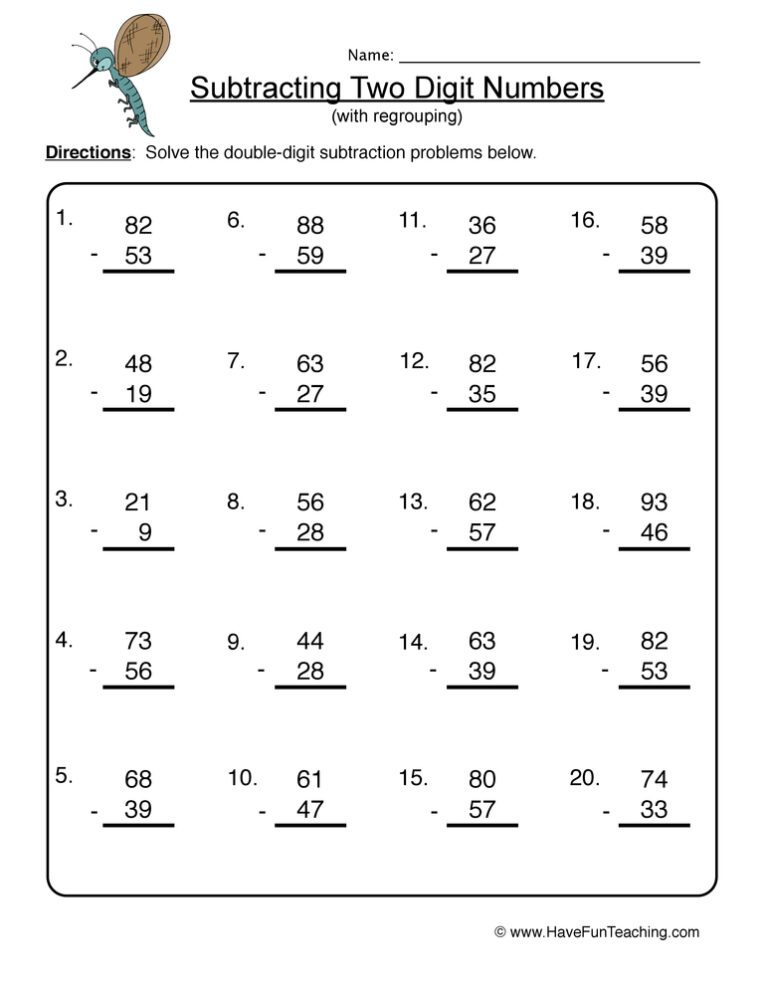
Use this double digit subtraction no regroup worksheet to help 2nd grade students subtract tens and ones in column problems and word problems. An answer key is included for quick checking.

The Even Number Ants Maze Worksheet has 2nd grade students color even three-digit numbers to lead an ant home, then sort six more numbers as even or odd. An answer key is included.