3 days free
Ready for the whole library?
You’ve had your freebie — but members download 10,000+ resources for every grade, all year long. Try it free — $0 today, cancel anytime.
Free for teachers
Pick your grade. We’ll send 10 free resources.
Worksheets, activities and a video — picked for your classroom, ready to print tonight.
One free bundle per teacher. We’ll also send free teaching ideas each week — unsubscribe anytime.




This reading fluency and accuracy worksheet helps first grade teachers keep a running record of errors, self-corrections and words correct per minute while a student reads aloud.
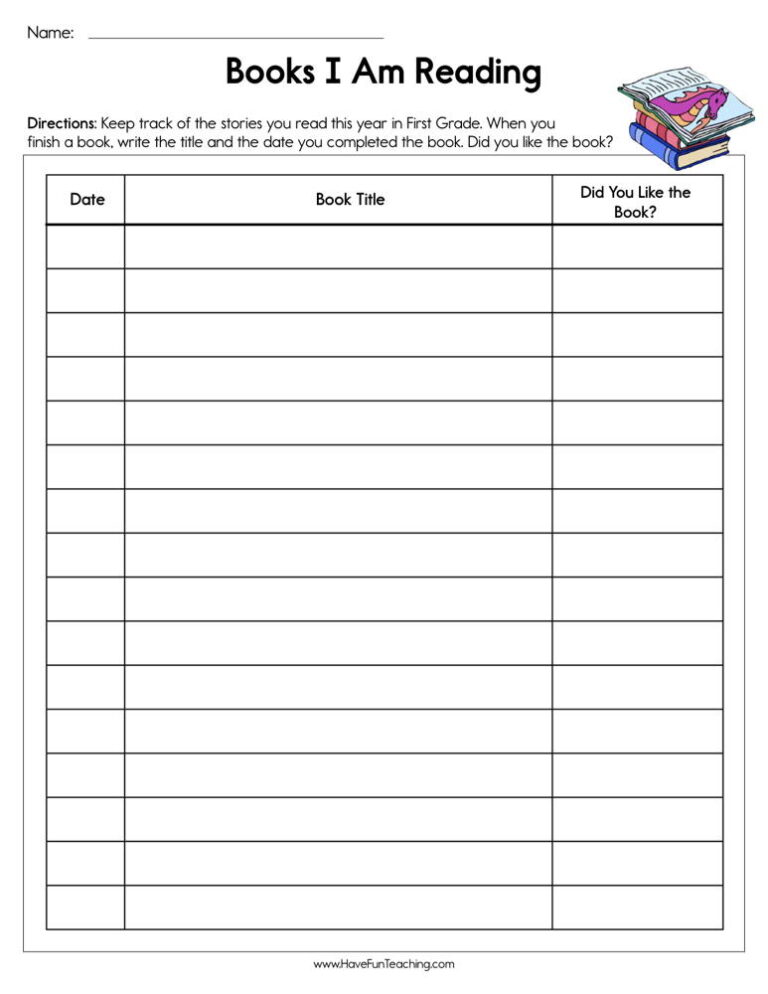
The Books I Am Reading Worksheet lets 1st grade students log the date and title of each book they finish and color stars to rate it, turning daily reading into a habit they can see.

The Who Is Talking Now Worksheet gives 3rd Grade readers three short stories and asks who is telling each one. An answer key is included, so students build point of view skills with quick feedback.
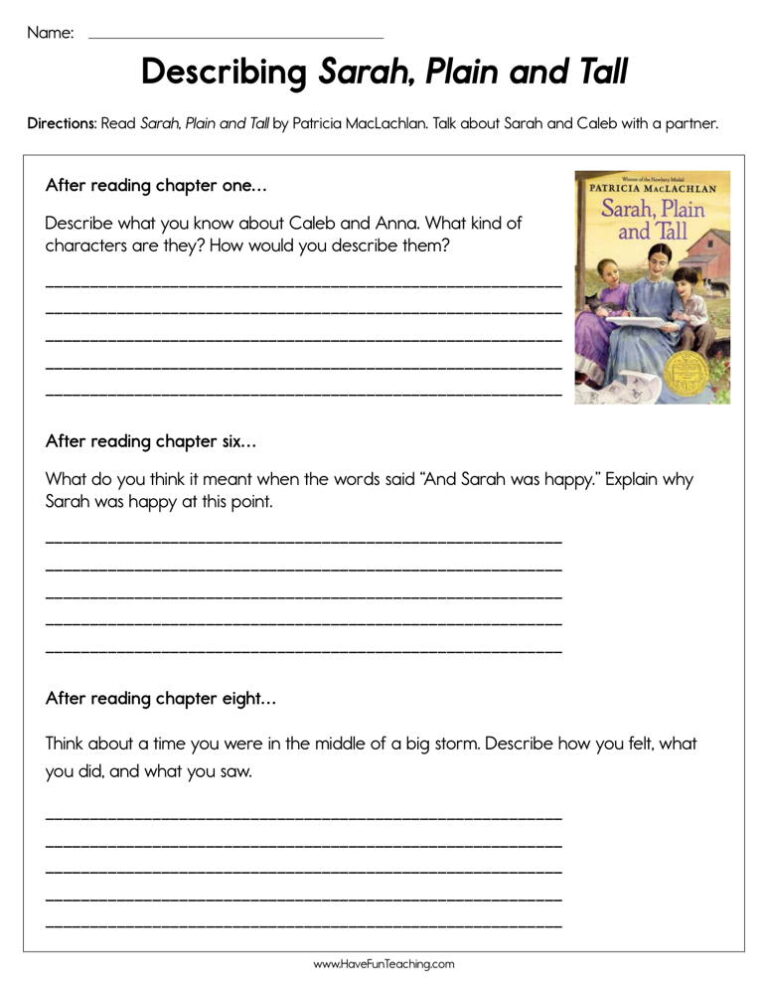
Using this Describing Sarah Plain and Tall Worksheet, students read Sarah Plain and Tall and write response based on what they read.
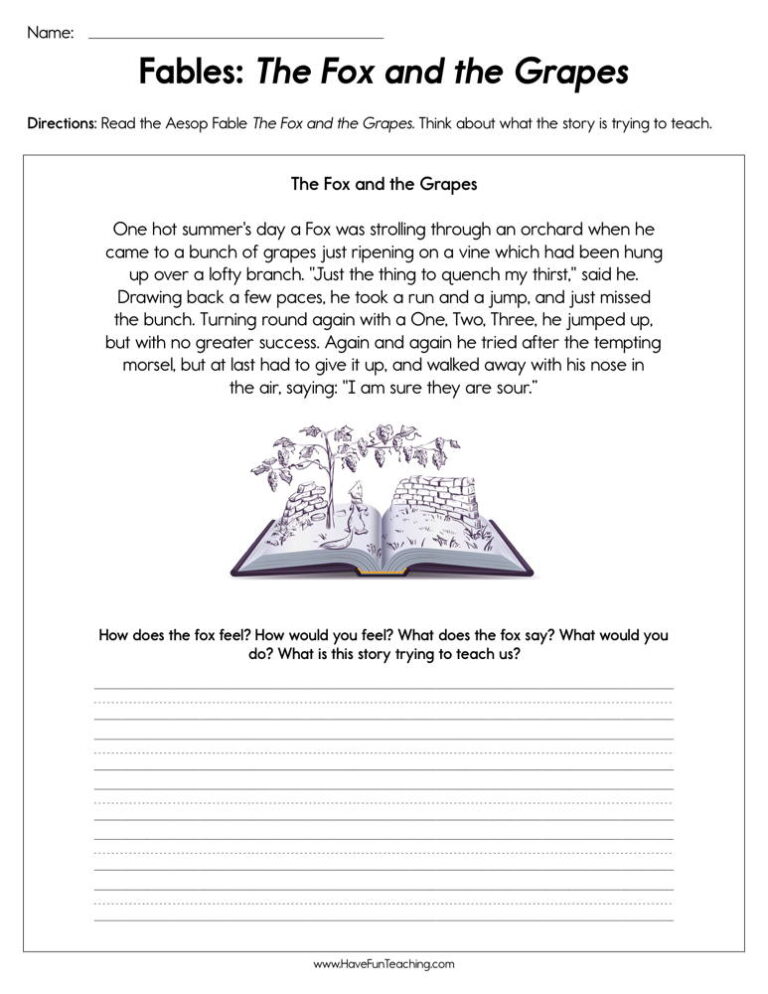
This Fables The Fox and The Grapes Worksheet gives 2nd Grade readers an original retelling of the Aesop fable, four comprehension questions and a written response on its lesson. An answer key is included.
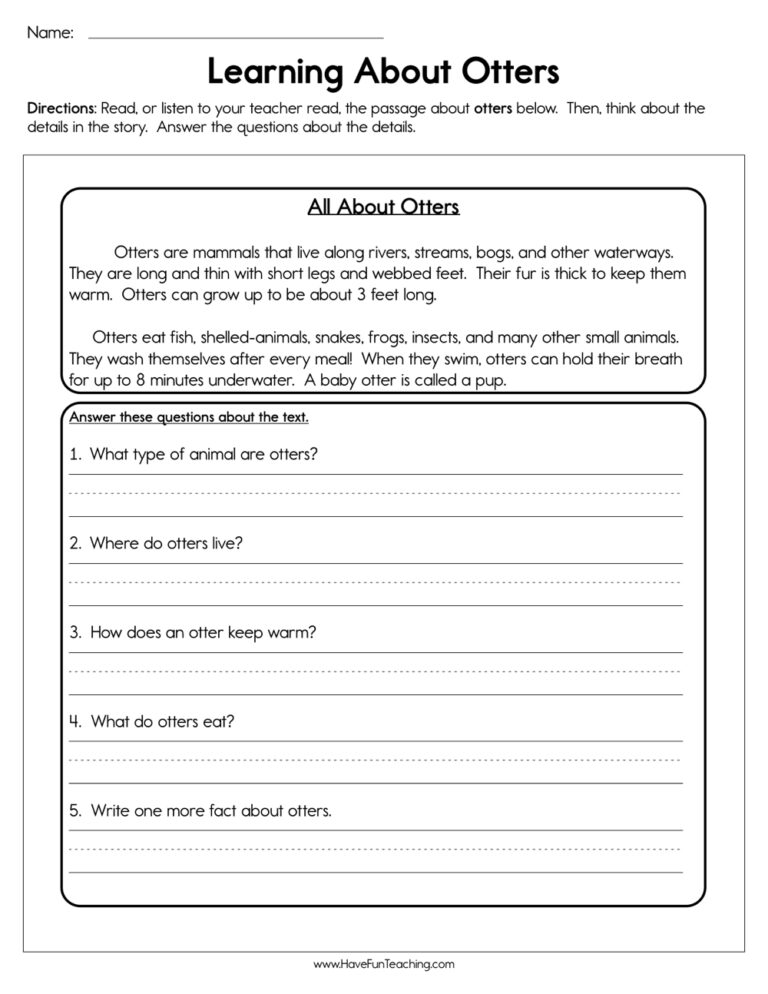
This Learning about Otters worksheet gives first graders a short non-fiction passage and five multiple-choice questions about otter fur, food and habitat. An answer key is included, so comprehension practice takes no prep at all.

The Anticipating Ask and Answer Questions Worksheet gives 2nd grade readers a short story about waiting for a new puppy, four question-word items, a written response, and an answer key that builds real text evidence habits.

Using Reading Prose and Poetry Worksheet, students keep track of the stories they read this year by writing the title and the rating each book.

This small group discussions worksheet asks 1st graders to read six short sentences about talking in a group and fill in Yes or No for each one. An answer key is included, so the rules are easy to review together.

The Second Grade What I am Reading Worksheet gives 2nd grade students a simple log for the date, title and genre of every book they finish, building a reading habit they can watch grow.
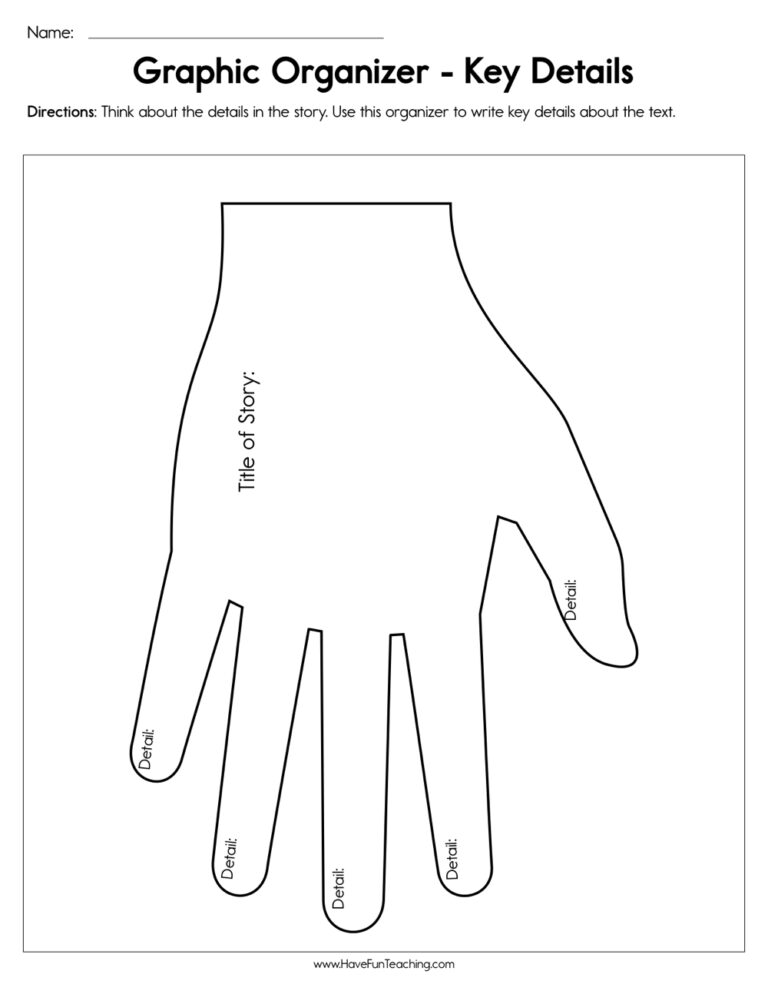
Use this key details graphic organizer worksheet with any book as 1st grade students name the main topic and write three details that tell more about the story.
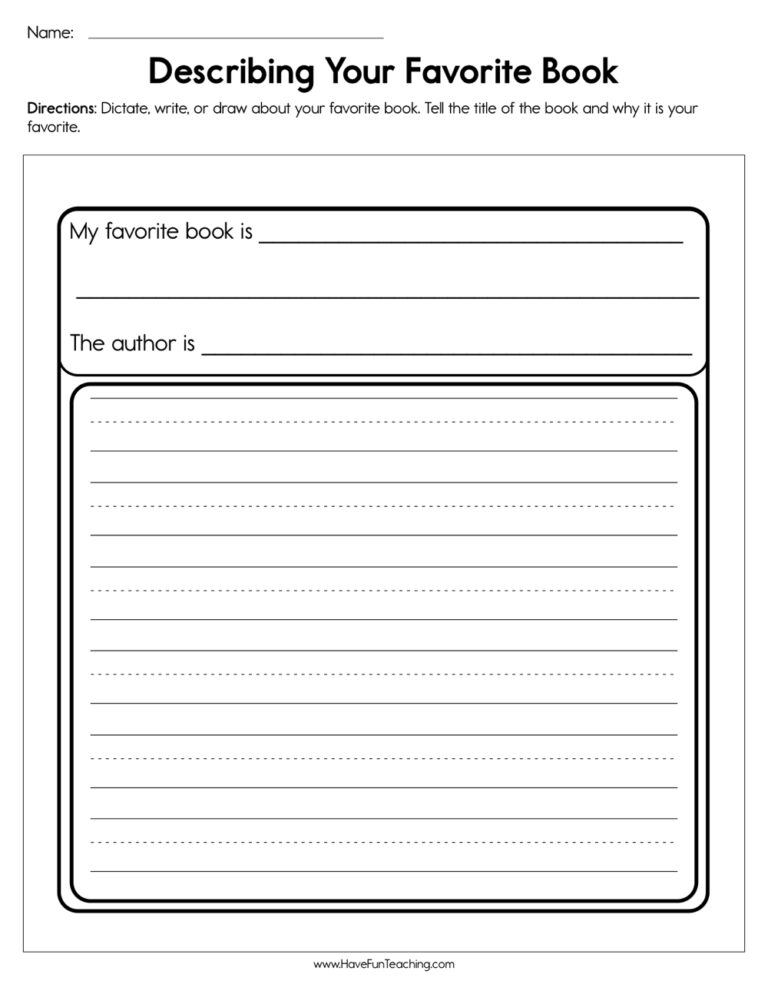
This Describing Your Favorite Book Worksheet gives 1st Grade readers three guided prompts and room to write about any book they choose, turning a retell into three easy questions.

This Responding to the Text Worksheet gives 1st Grade readers a short pretzel passage and five text-evidence questions, answer key included, so students learn to find proof in what they read.
Using Asking Questions Worksheet, students ask questions to seek help, get information, or clarify something that is not understood while reading or being read to.

Using Different Types of Text Graphic Organizer Worksheet, students use the organizer below to sort out the different types of texts that you found as they look through a collection of texts.
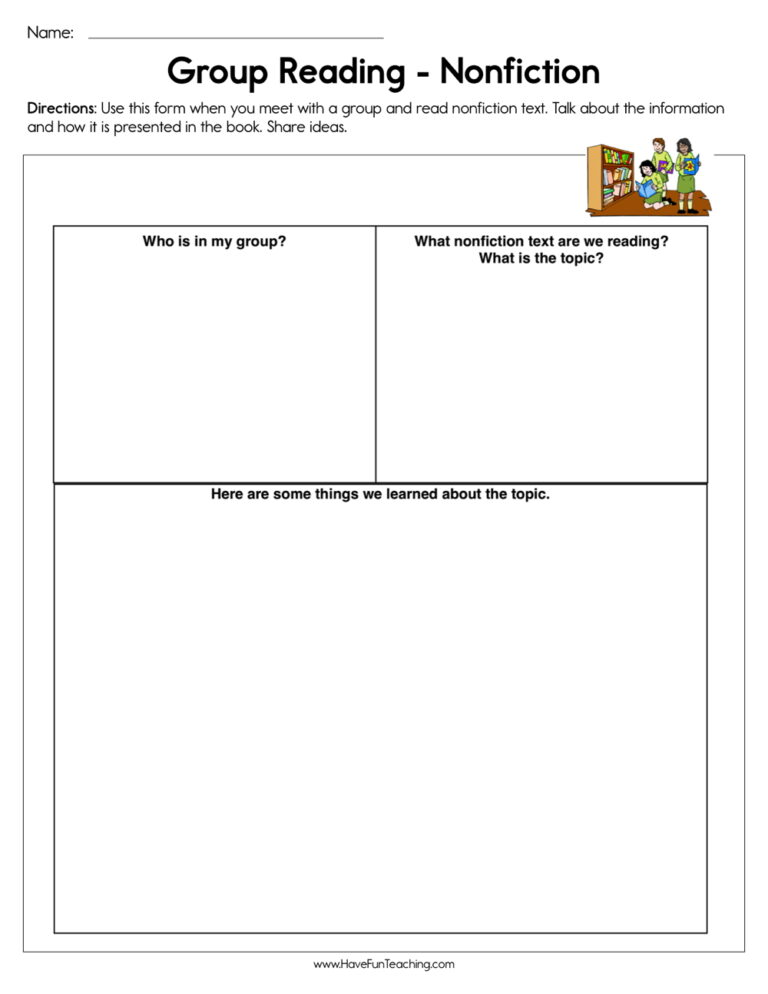
Use this group reading nonfiction worksheet in small groups: 1st graders record their book, group members, topic, a fact they learned and a new word, building reading and speaking skills.

A Finding Feelings Within a Text Worksheet for 2nd grade readers, with an original story about a nervous boy and questions asking which words show how he feels. An answer key is included, so checking takes seconds.
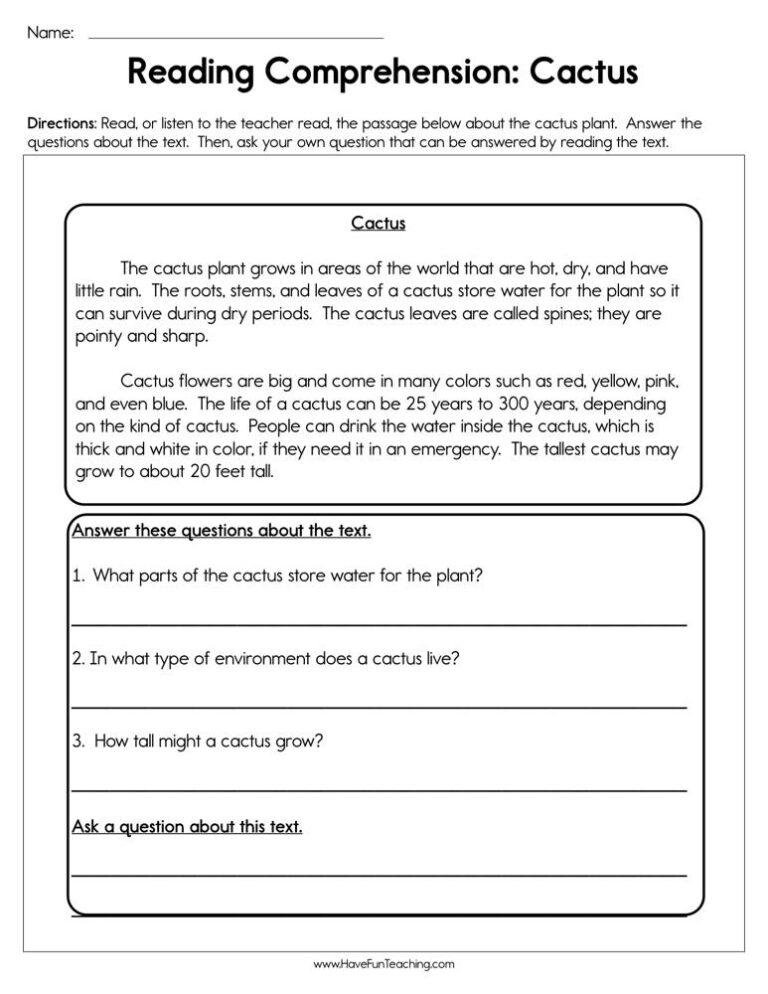
This cactus reading comprehension worksheet gives 1st Grade readers a short nonfiction passage about desert plants and five text-based questions to answer. An answer key is included.

Using Asking Questions to Understand Worksheet, students ask questions and locate the answers by reading other resources, watching an informative video, or by talking with an expert in that topic to understand more about a topic.

This First Grade Nonfiction I Am Reading Worksheet is a one-page reading log where children record the date, title, and topic of each nonfiction book they finish, building a steady reading habit.