Skip to content
Start My 3 Free Days $0 today · cancel anytime

Sentences Activities (Reading)

13 sentences activities. Teacher favorites: Proofreading Capitalization and Punctuation Activity and Cool Cat Sentences Activity. How teachers use these

Sentences Activities (Reading)

13 sentences activities. Teacher favorites: Proofreading Capitalization and Punctuation Activity and Cool Cat Sentences Activity. How teachers use these

Activity
Activity2nd GradeProofreading Capitalization and Punctuation Activity

This proofreading capitalization and punctuation activity gives 2nd to 5th grade students 16 self-checking detective cards for fixing sentences. A practice page and answer key are included.

Activity
ActivityKindergartenCool Cat Sentences Activity

This cool cat sentences activity has K-2nd Grade children sort telling, asking and exciting sentence cards by their end marks. Answer key included, so practicing punctuation feels like a game.

Activity
Activity1st GradeComplete Sentences with Subject and Predicate Activity

This complete sentences with subject and predicate activity has 1st to 3rd grade students match picture subject cards to predicate cards, then practice on a worksheet. Answer key included.

Activity
ActivityKindergartenSentence Structure Activity

Build real sentences with this sentence structure activity for Kindergarten to 2nd Grade: 24 picture-coded word cards, a recording sheet and a practice page, with an answer key included.

Activity
Activity1st GradeSweetheart Sentences Activity

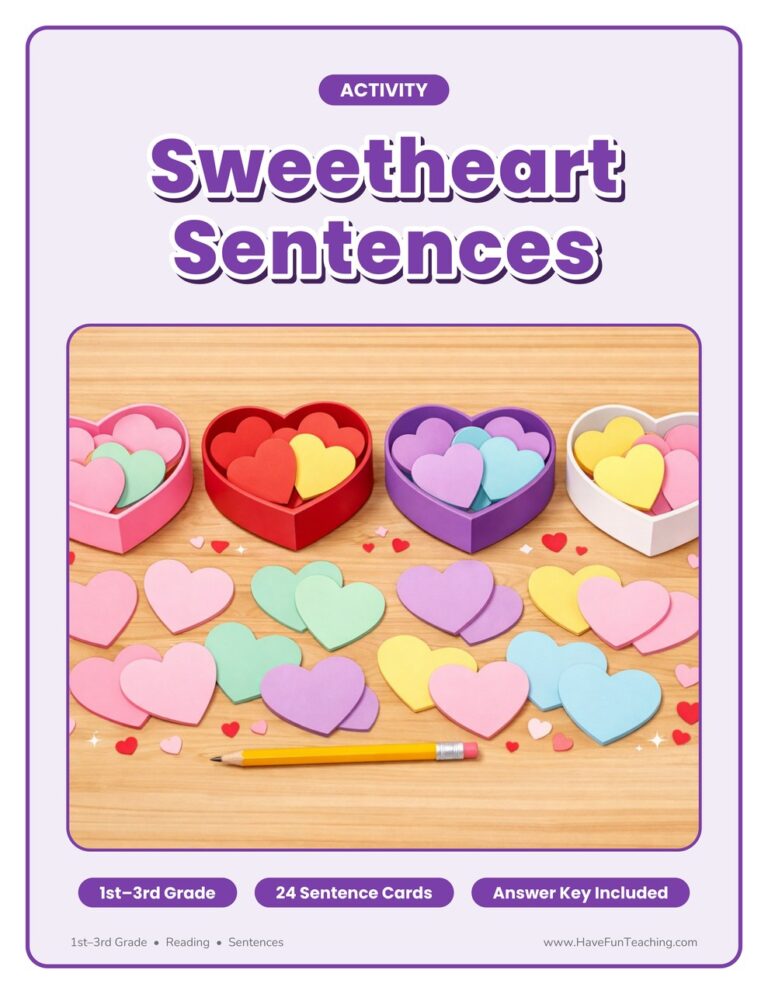
This sweetheart sentences activity lets 1st to 3rd grade children sort Valentine heart cards into statements, questions, exclamations and commands while building strong grammar skills. Answer key included.

Activity
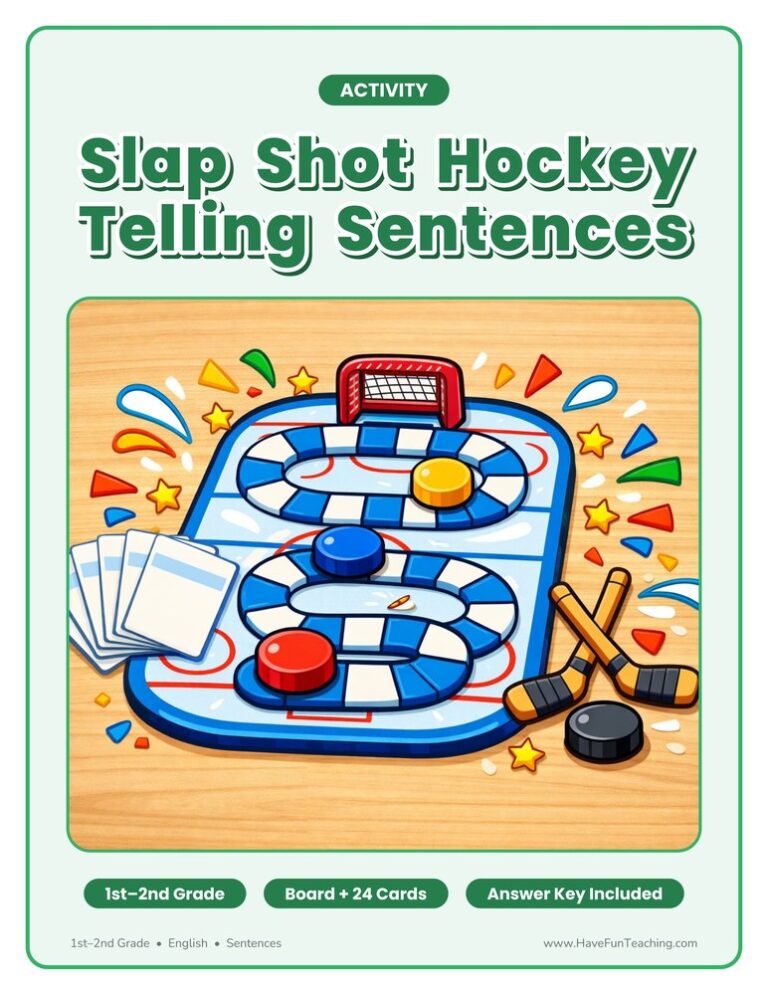
Activity1st GradeSlap Shot Hockey Telling Sentences Activity

This slap shot hockey telling sentences activity for 1st and 2nd Grade has kids race pucks on a rink board by sorting telling and asking sentences. Answer key included.

Activity
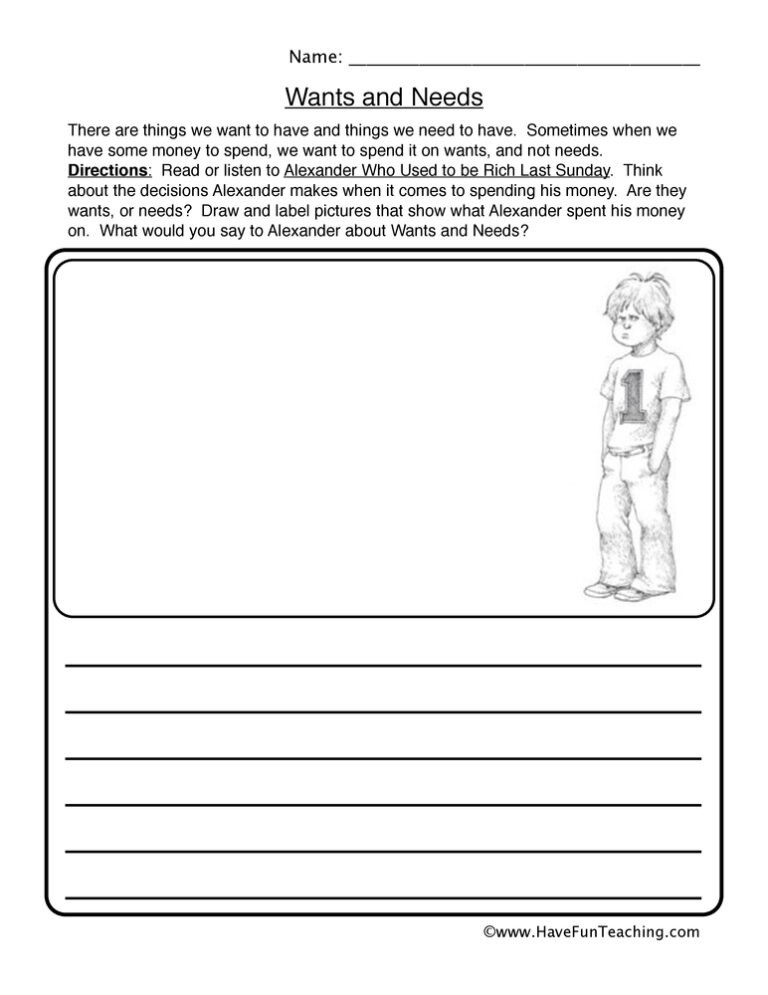
Activity1st GradeWants Needs Reading Response Worksheet

Using this Wants Needs Reading Response Worksheet, students readAlexander Who Used to be Rich Last Sunday to build their understanding of wants and needs.

Activity
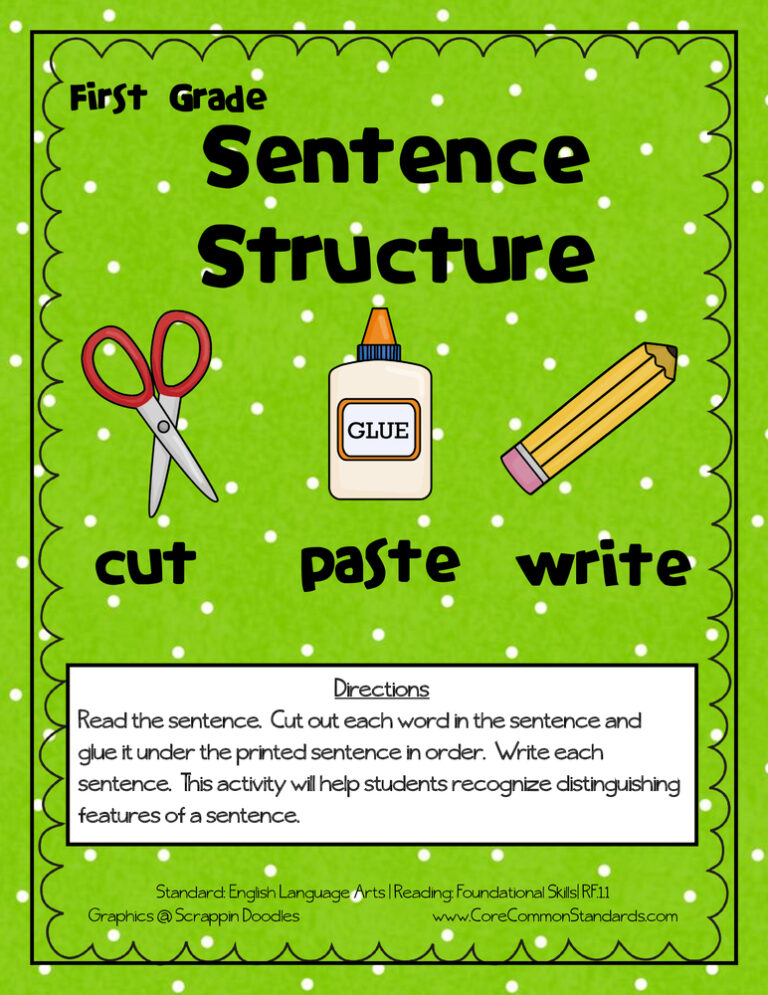
Activity1st GradeRF.1.1 Common Core Activity

UsingRF.1.1 Common Core Activity, studentsrecognize distinguishing features of a sentence by putting a words in order to create a complete thought.

Activity
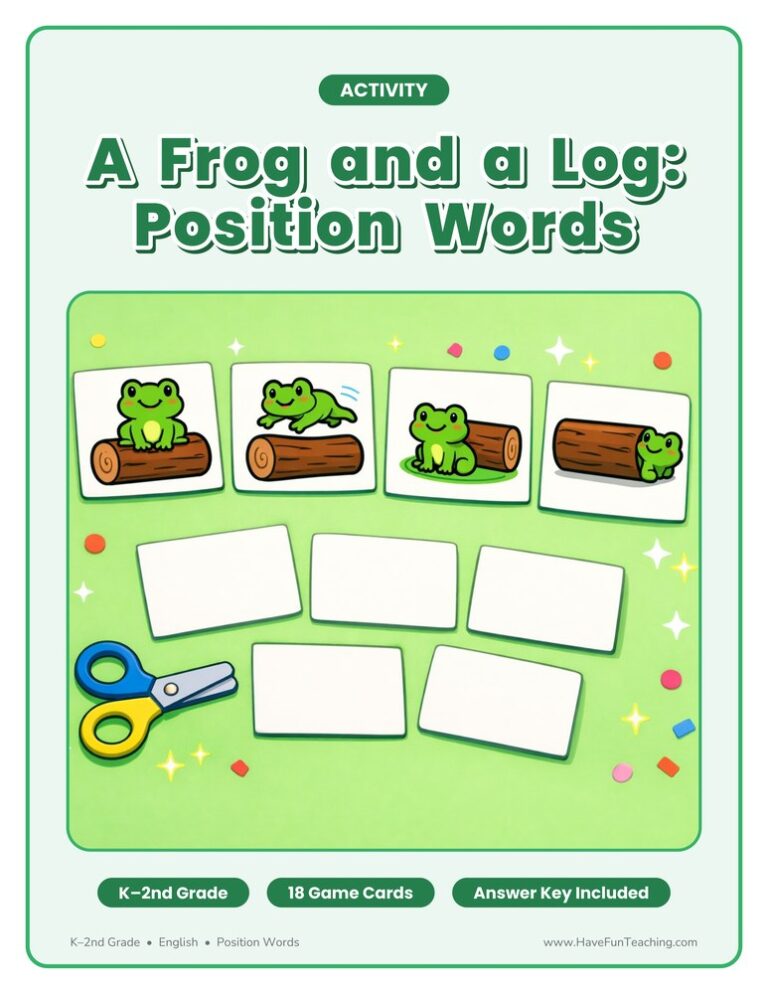
ActivityKindergartenA Frog and a Log Position Words Activity

This frog and a log position words activity helps K-2nd Grade children match picture cards to on, under, above, next to, in front of and behind, with practice and an answer key included.

Activity
ActivityKindergartenReading Simple Sentences Activity Board Game

This reading simple sentences activity board game helps K-1st grade readers read short sentences word by word and match them to pictures. Game board, cards and practice page, with an answer key included.

Activity
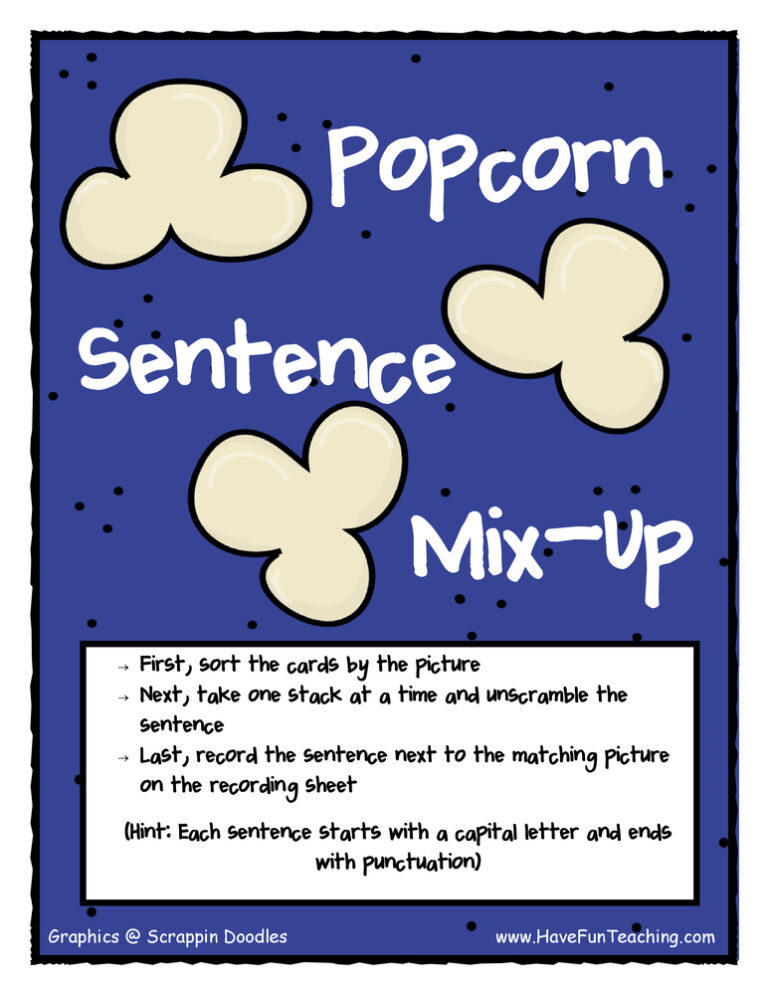
ActivityKindergartenPopcorn Sentence Mix-Up Activity

UsingPopcorn Sentence Mix-Up Activity, students unscramble sentences in order to build their understanding of sentence structure.

Activity
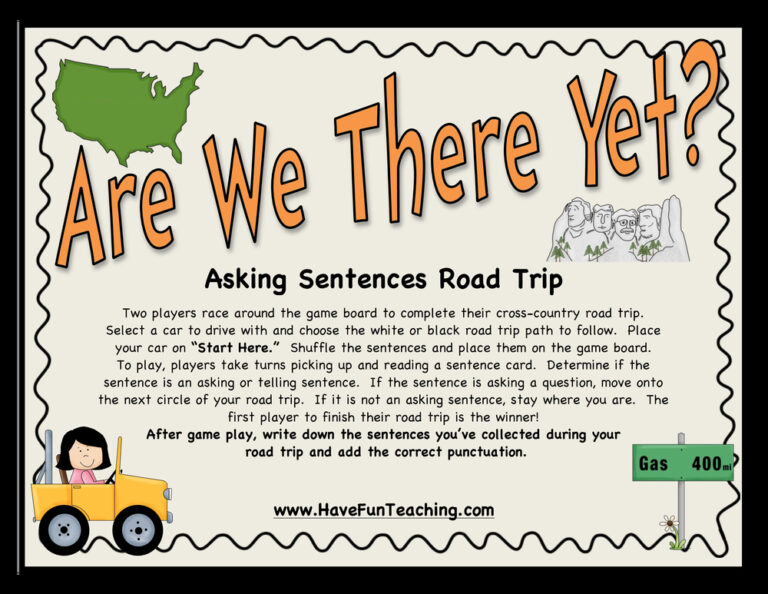
Activity1st GradeAre We There Yet Asking Sentences Activity

UsingAre We There Yet Asking Sentences Activity, students practice reading question and declarative sentences with correctly fluency and intonation.

Activity
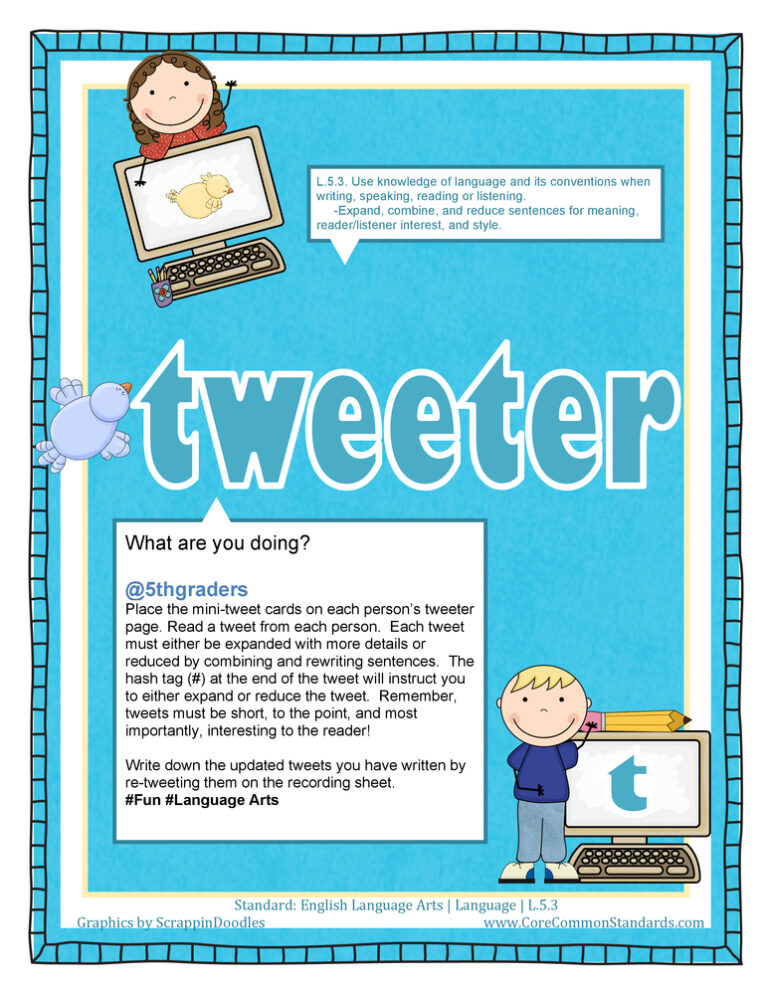
Activity5th GradeL.5.3 Common Core Activity

Using this L.5.3 Common Core Activity, students expand, combine, and reduce sentences for meaning, reader/listener interest, and style.

From our teachers' playbook

Who did what? Now you've got a sentence!

What do kids learn about sentences?

A complete sentence needs two things: who or what it's about, and what happens. Young readers and writers learn that a sentence starts with a capital, ends with punctuation and tells a complete thought. Next they meet the four kinds: telling, asking, exclaiming and commanding. Older kids work with subjects and predicates and combine short sentences into compound and complex ones: The dog barked, and the cat ran. The click comes when kids can hear a fragment and say, "Wait, who ran?"

How we teach sentences that make sense

Kids learn sentences fastest by building them, saying them and fixing them. Here's how we do all three.

Who + did what

Write subjects on yellow strips and predicates on blue strips. Kids snap one of each together to build a sentence, and the silly combos ("My teacher... ate a rocket") are half the fun. They quickly see that a sentence needs both colors.

Why it works: going from real objects to pictures to symbols is a core recommendation of the U.S. Department of Education's elementary math guide.
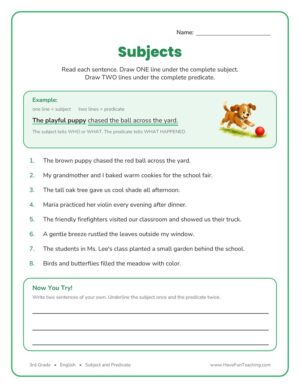
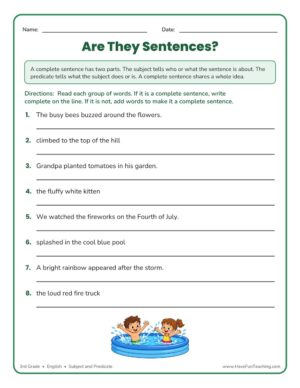
Subject Predicate WorksheetTry it withSubject Predicate WorksheetWorksheetsOpen it →

Fix it together

Put one broken sentence on the board each morning: no capital, no end mark, or a missing part. Fix it together and think out loud as you go. Kids get hooked on hunting for the mistake.

Why it works: handing over the work step by step, from teacher to student, is one of the most widely used teaching frameworks (Pearson and Gallagher, 1983).

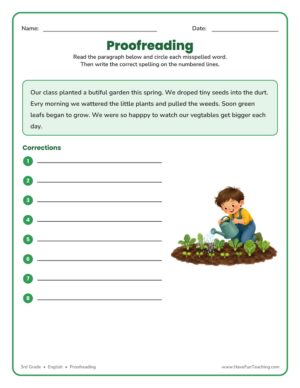
Proofreading WorksheetTry it withProofreading WorksheetWorksheetsOpen it →

Sentence questions we hear a lot

What makes a complete sentence?

A complete sentence has a subject (who or what) and a predicate (what they do or are), and it tells a complete thought. It starts with a capital letter and ends with a period, question mark or exclamation point.

What are the 4 types of sentences?

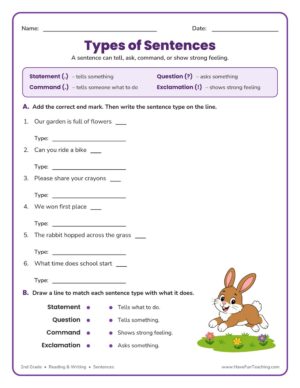
Declarative sentences tell, interrogative sentences ask, exclamatory sentences show strong feeling, and imperative sentences give commands. Kids usually learn them in 1st and 2nd grade.

How do I teach the difference between simple, compound and complex sentences?

A simple sentence has one complete thought. A compound sentence joins two with a word like and, but or so. A complex sentence adds a part that can't stand alone, starting with words like because or when. Build examples from the same simple sentence so kids see the change.

How can I help my child stop writing run-on sentences?

Have them read their writing out loud and pause wherever their voice naturally stops. Each pause usually needs a period or a joining word. Reading aloud catches run-ons faster than rereading silently.