3 days free
Ready for the whole library?
You’ve had your freebie — but members download 10,000+ resources for every grade, all year long. Try it free — $0 today, cancel anytime.
Free for teachers
Pick your grade. We’ll send 10 free resources.
Worksheets, activities and a video — picked for your classroom, ready to print tonight.
One free bundle per teacher. We’ll also send free teaching ideas each week — unsubscribe anytime.



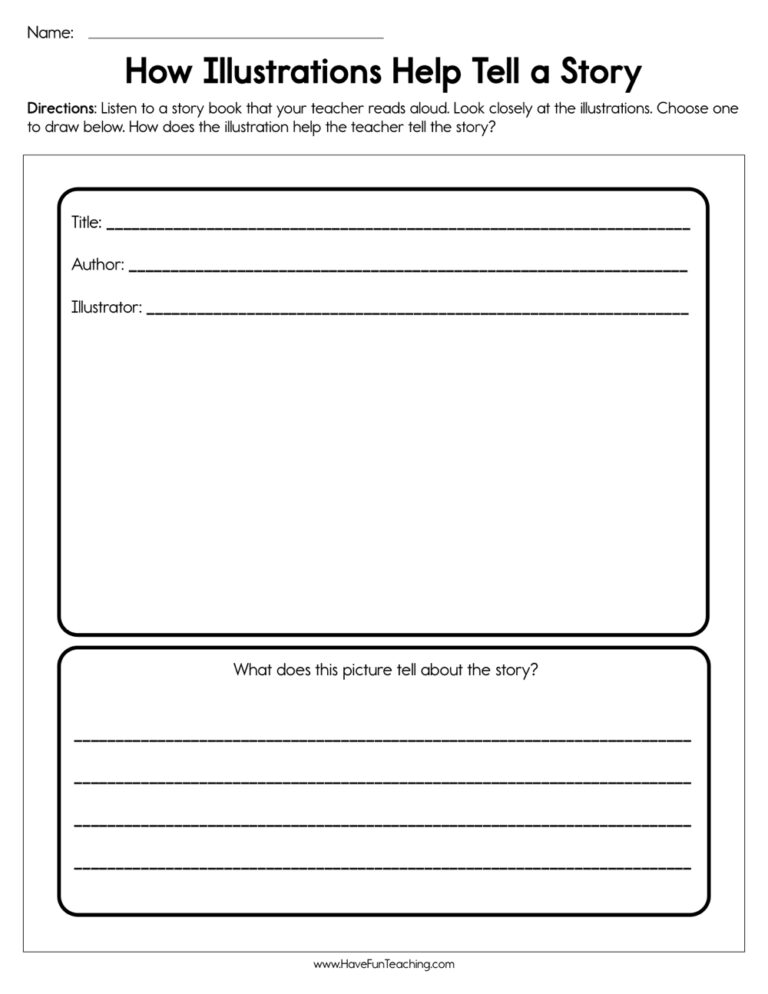
With the How Illustrations Help Tell a Story Worksheet, 1st grade students record a read-aloud book, draw one of its pictures, and write what that picture adds to the story.

Using Images to Understand the Information Worksheet, students explain how the illustrations contribute and clarify a text to build their understanding of what has been read.

Using Compare Contrast Book Covers Worksheet, students compare two books using information from the book cover to determine how they are alike and different.
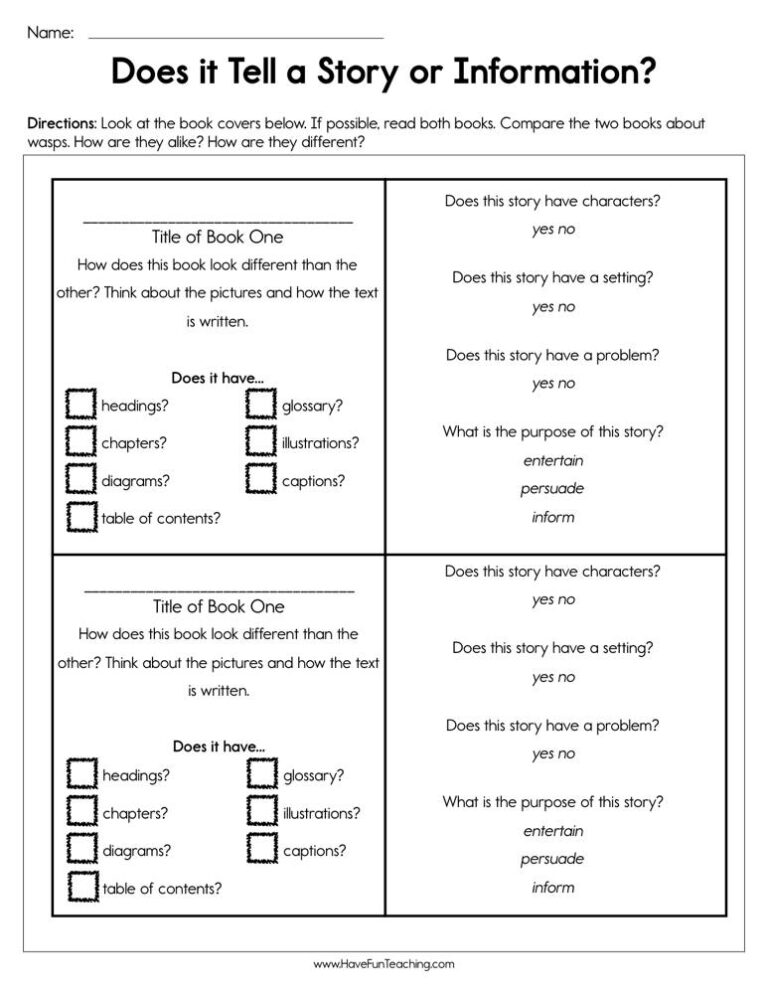
Using Does it Tell a Story or Information Worksheet, students compare two texts about wasps to determine how they are alike and different.

This features of an informational book worksheet helps 1st grade readers name and find a heading, photo, caption, and bold word on a real book page, with an answer key for easy checking.
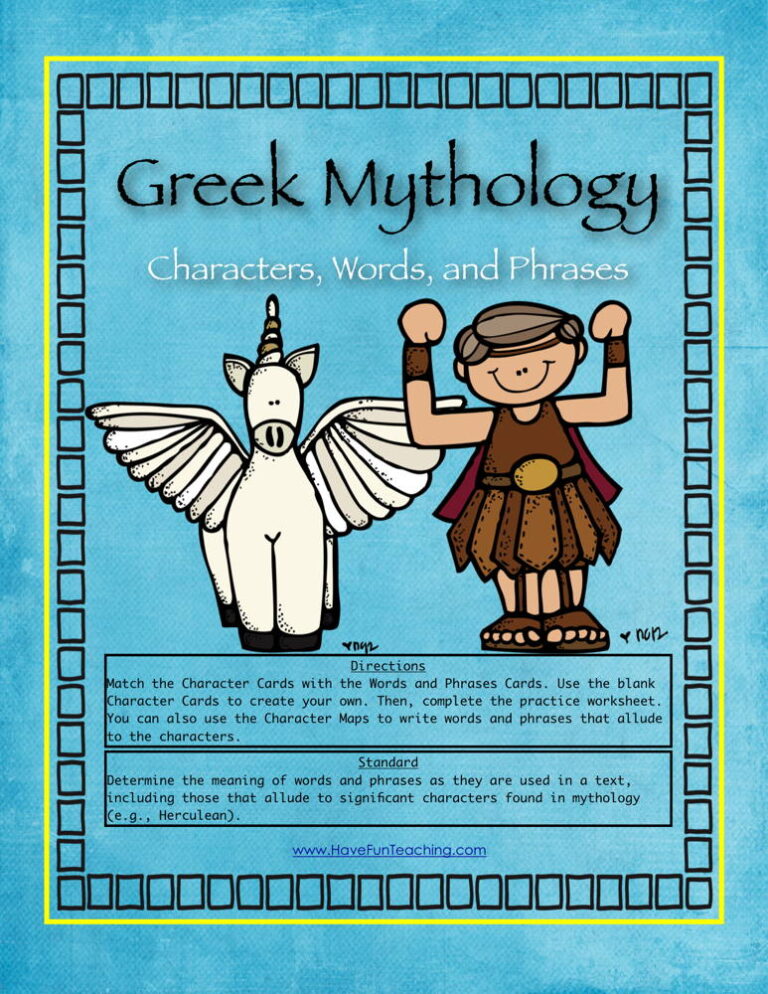
Using Greek Mythology Activity, students determine the meaning of words and phrasesincluding those that allude to significant characters found in mythology.

Using this Using Reference Materials Worksheet, students use reference materials when you need them, then color a star every time you use one of them.
Using Character Setting Plot Activity, studentsfind examples of story elements as they read to build their reading comprehension.
Using Story Elements Activity, studentsfind examples of text features and story elements to build their reading comprehension.

Using RI.1.5 First Grade Common Core Lesson, students know and use various text features (headings, tables of contents, glossaries, electronicmenus, icons) to locate key facts or information in a text.

Using RL.2.7 Second Grade Common Core Lesson, students use information gained from the illustrations and words in a print or digital text to demonstrate understanding of its characters, setting, or plot.

Using RL.3.7 Third Grade Common Core Lesson, students explain how specific aspects of a text's illustrations contribute to what is conveyed by the words in a story.
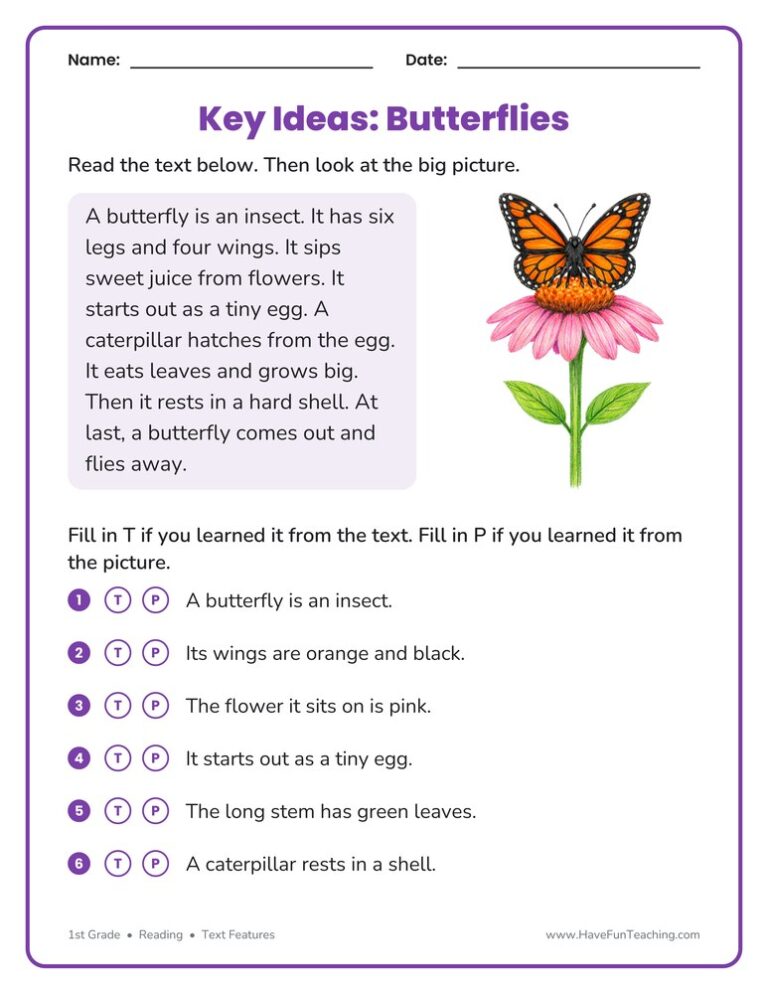
This RI.1.7 Common Core worksheet has 1st grade students read about butterflies and decide if each fact came from the text or the picture. Includes an answer key and builds careful nonfiction reading.

This text or pictures worksheet asks 3rd grade students to answer six questions about beavers, then mark whether each answer came from the passage or the illustration. An answer key is included, so checking work takes only a moment.
Using Contributions to the Text Activity, students explain howthe information contributes to an understanding of the text in which itappears.
Using I Have Who Has Text Features Activity, students use text features and search tools to locate information relevant to a given topic efficiently.
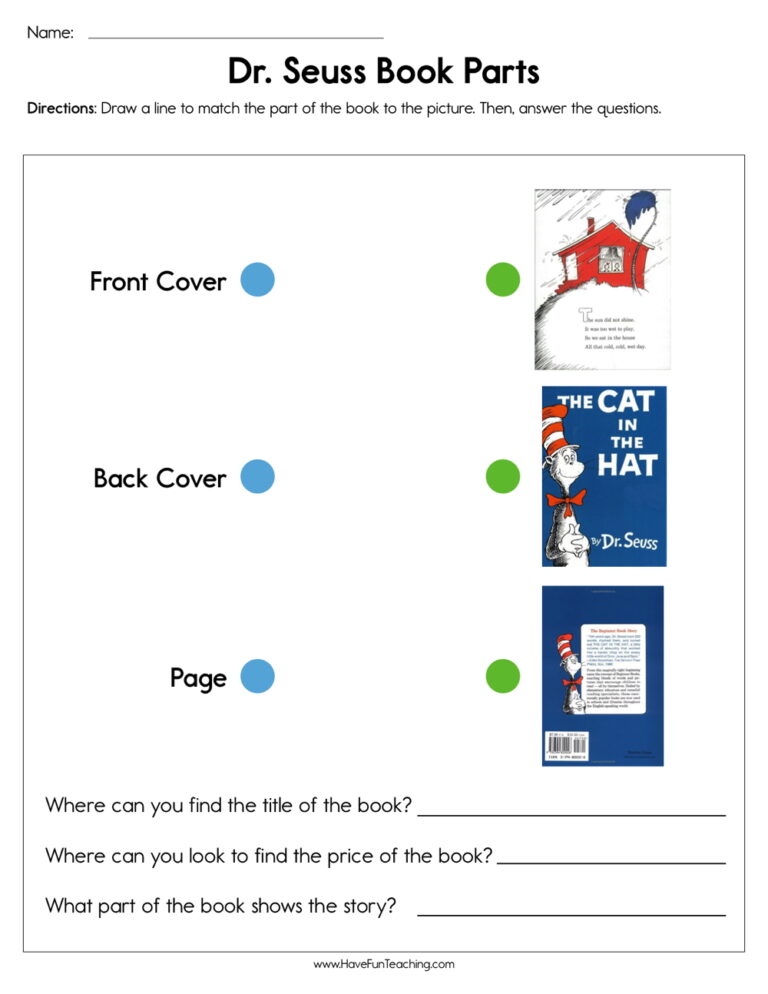
Using Dr. Seuss Book Parts Worksheet, studentsidentify the front cover, back cover, and page of a book to gather information about what they will read.

This RL.1.7 First Grade Common Core Lesson includes RL.1.7 Worksheets, RL.1.7 Activities, RL.1.7 Assessment, and RL.1.7 Poster.
UsingCommon Core Activity - RI.2.5, students explain how text features support their acquisition of knowledge while reading.

Using this Finding Story Elements Activity, students help three superheroes defeat the evil villain Story Weaver and crack the code in a story. Use the boxes on the next pages to help them do their job!