3 days free
Ready for the whole library?
You’ve had your freebie — but members download 10,000+ resources for every grade, all year long. Try it free — $0 today, cancel anytime.
Free for teachers
Pick your grade. We’ll send 10 free resources.
Worksheets, activities and a video — picked for your classroom, ready to print tonight.
One free bundle per teacher. We’ll also send free teaching ideas each week — unsubscribe anytime.



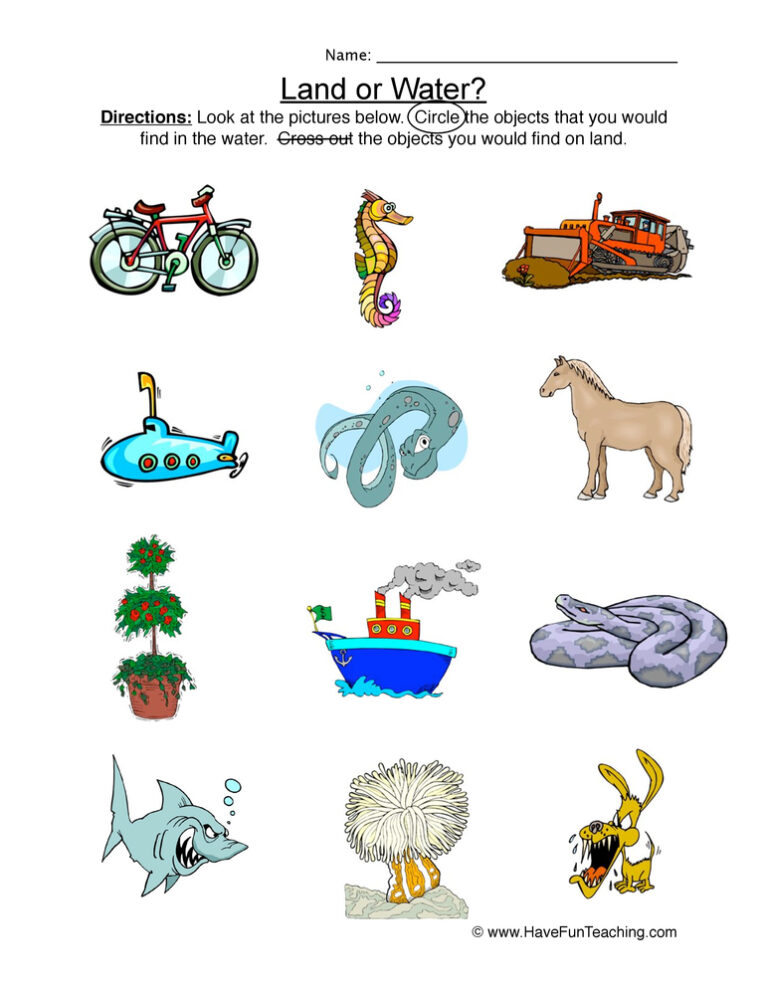
This Land and Water Sorting Worksheet asks Kindergarten students to fill in a bubble for each picture, then draw one thing they see in the water. Answer key included for quick, no-prep science practice.

This desert plants worksheet asks 3rd graders to sort eight desert words into plants and animals, then find the plant and animal named in each sentence. An answer key is included for quick checking.

This rainforest true or false worksheet asks 3rd graders to judge eight statements about rainforest weather, plants and animals, then fix a false one. An answer key makes it quick, no-prep science review.
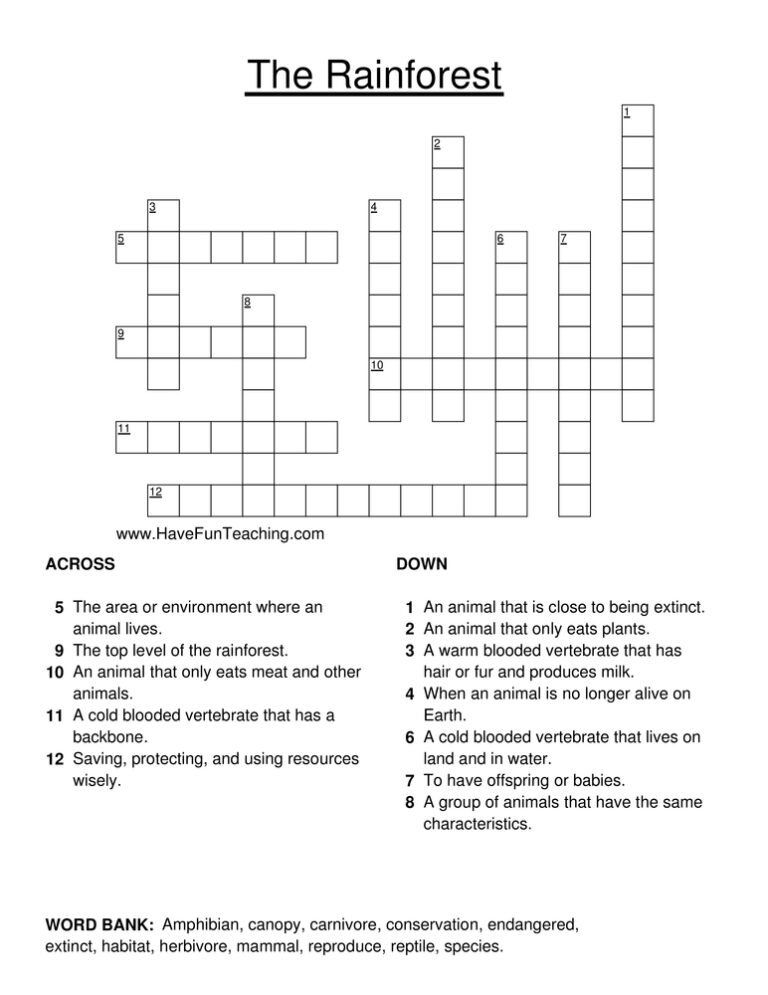
This rainforest crossword puzzle worksheet gives 3rd grade students eight habitat vocabulary words to solve from short science clues, plus one written question. An answer key is included.

This Desert Map Worksheet asks 4th Grade students to read four clues, name each United States desert, and mark it on the map. An answer key is included, so checking work takes seconds.
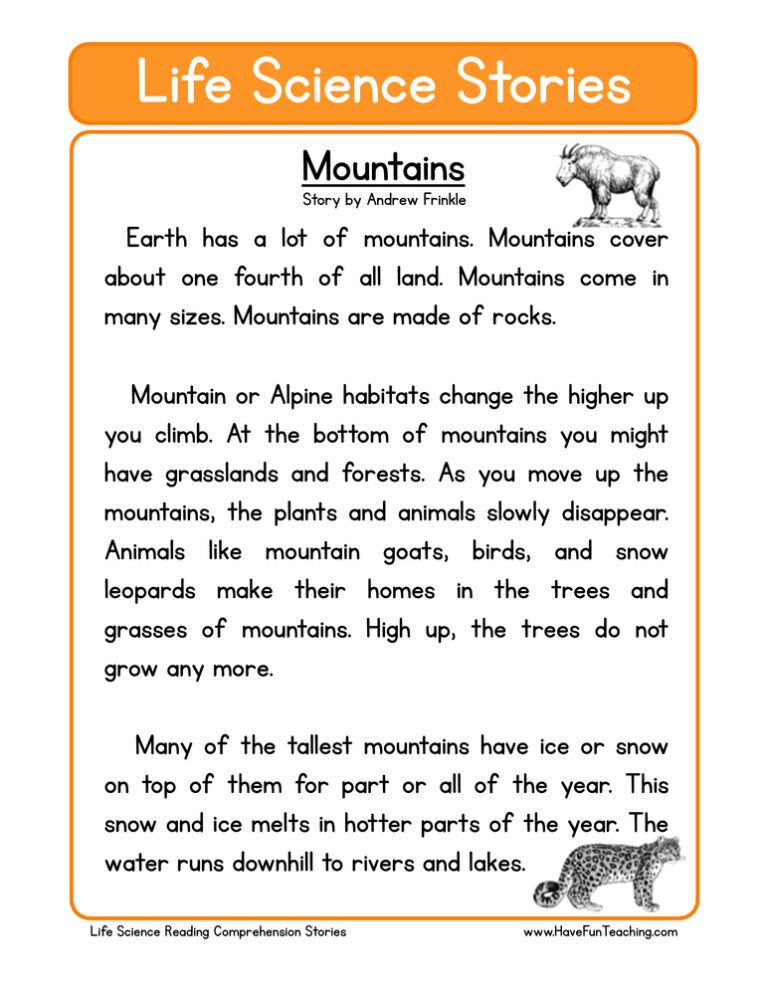
Climb from grassy foothills to a snowy peak with this Mountains Life Science Reading Comprehension Worksheet. 3rd Grade readers answer multiple-choice and written questions about mountain habitats. Answer key included.

Using thisFarm Animals Examples Worksheet, students circle pictures to determine which animals live and don't live on the farm.
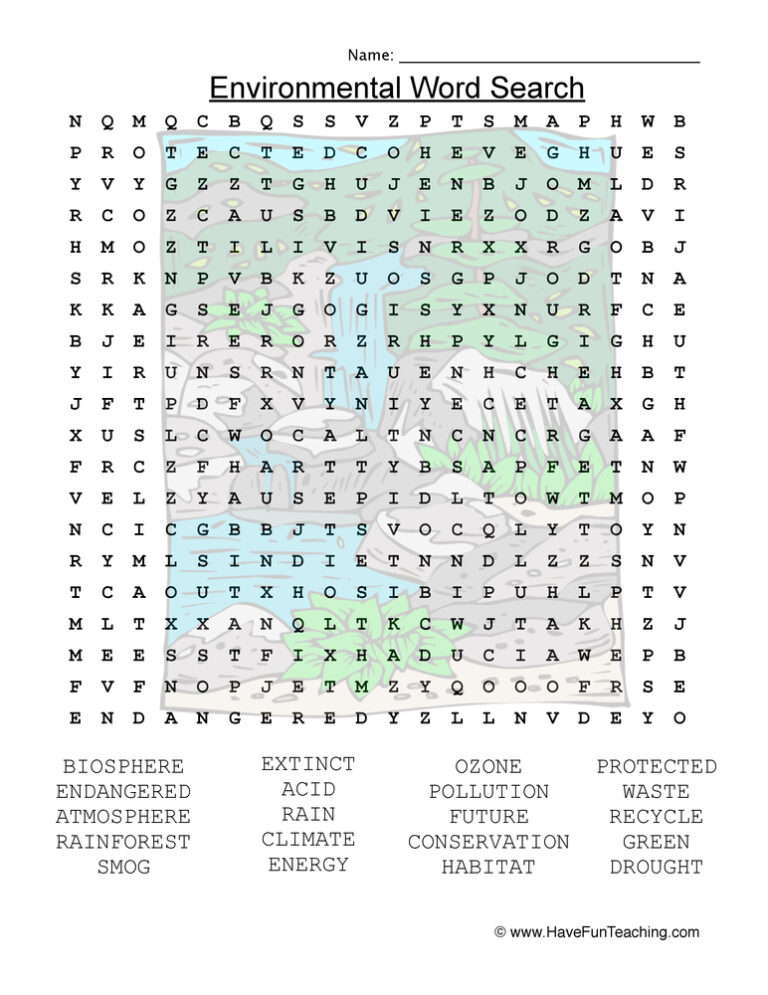
This Environments Word Search Worksheet gives 3rd graders a fun way to practice habitat, desert, forest, wetland, predator, and producer. An answer key is included, so review takes seconds.

This environmental health worksheet asks 4th graders to sort real clues into air, water, soil, and noise pollution, then plan two ways their class can help. Answer key included for quick, no-prep science practice.
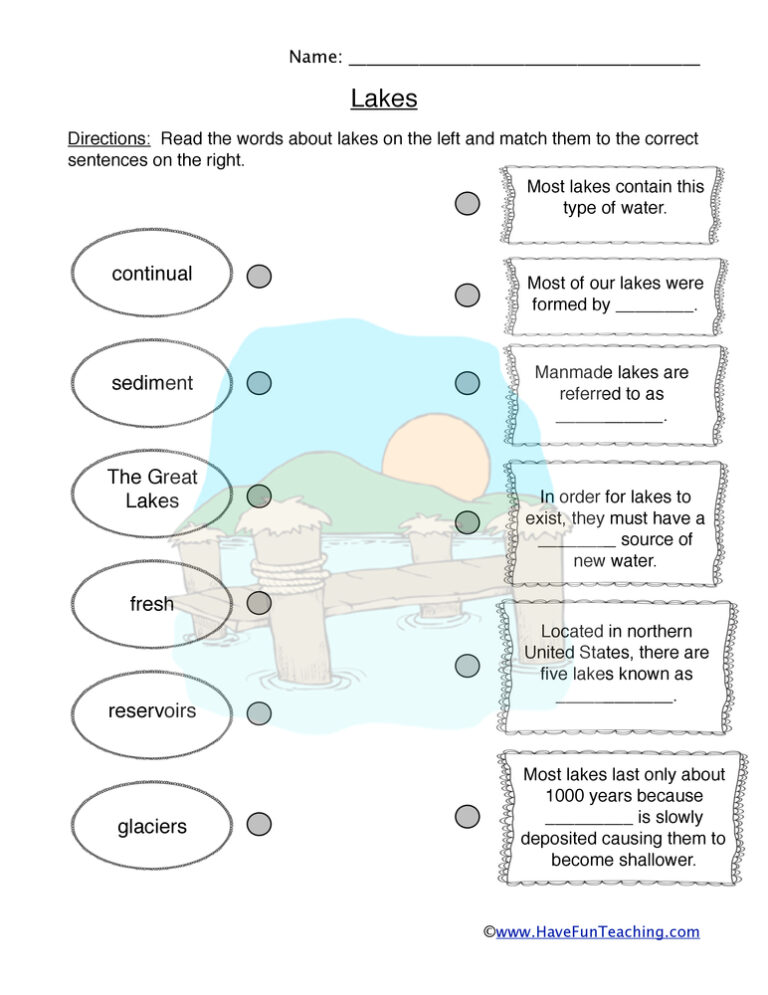
This lakes worksheet helps 3rd grade students match eight lake vocabulary words to their meanings, then draw and describe two of them. An answer key is included for quick, easy checking.

This matching animal needs worksheet has 4th grade students link five animals to the food and shelter they need, sort six needs and write one explanation. Answer key included.

This Drawing Ocean Animals Worksheet asks Kindergarten learners to circle the animals that live in the sea, then draw one of their own. An answer key is included, so sorting practice takes no prep at all.
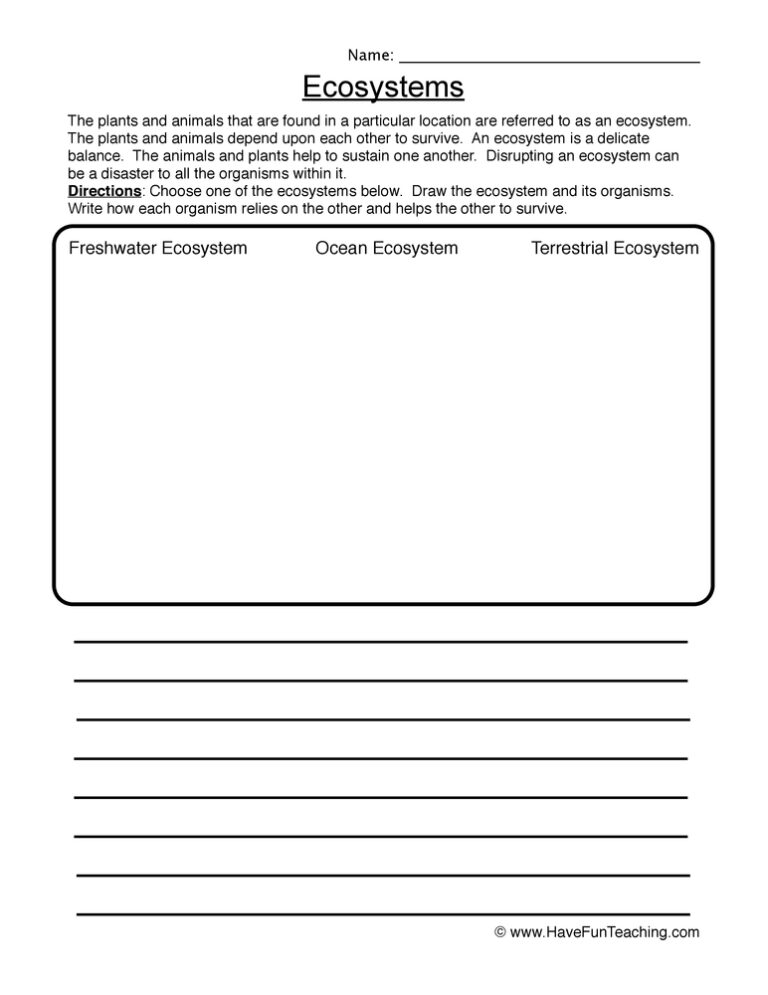
The Drawing Ecosystems Worksheet asks 4th grade students to name the freshwater, ocean and terrestrial ecosystems behind six clues, then explain one animal partnership. An answer key is included, so checking takes a minute.

This desert true or false worksheet asks 3rd graders to judge eight statements about desert weather, plants and animals, then rewrite a false one correctly. Answer key included for fast, no-prep science practice.

This desert animals habitat worksheet asks 3rd grade students to sort eight animals into desert and non-desert columns, then match animals to habitats in four sentences. An answer key is included.

This Arctic and Tundra Life Science Reading Comprehension Worksheet gives 3rd graders a nonfiction passage on tundra habitats and animal adaptations, plus four multiple-choice and two written questions. Answer key included for no-prep science reading practice.

The Arctic worksheet lets 3rd graders sort Arctic climate words from Arctic animals, then name four polar animals from clues. An answer key is included to make checking quick.
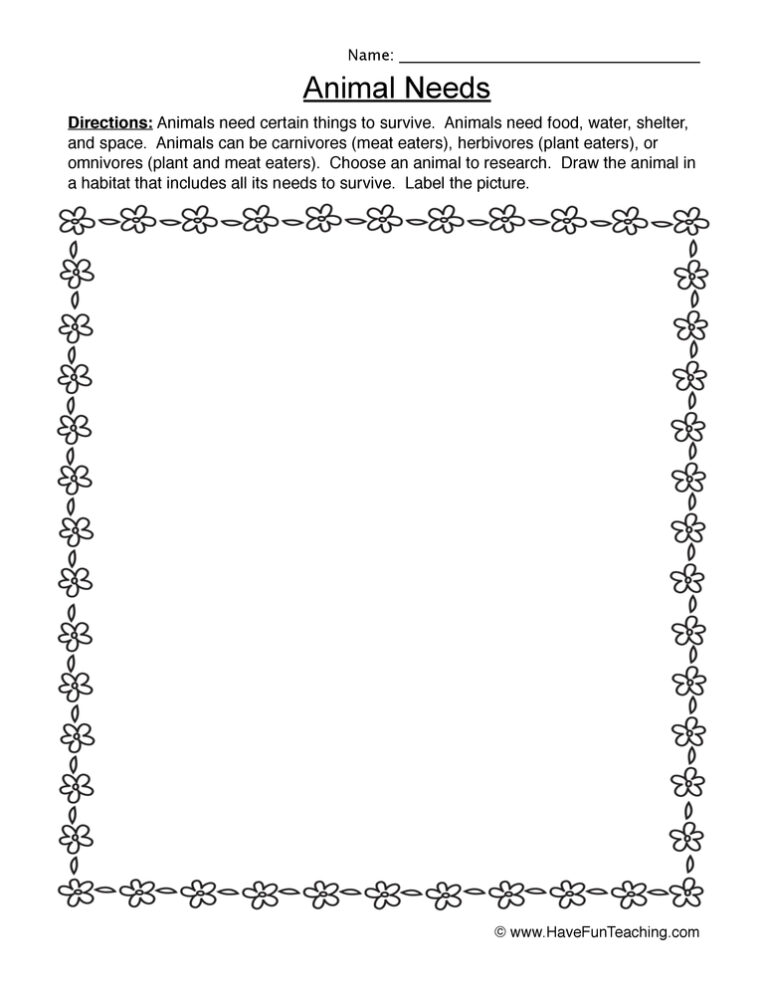
This drawing animal needs worksheet helps 2nd grade students match sentences to food, water, shelter, and space, then draw and label a habitat. An answer key is included for quick checking.

This Deserts Reading Comprehension Digital Worksheet is an online digital worksheet for Google Classroom & online distance learning.
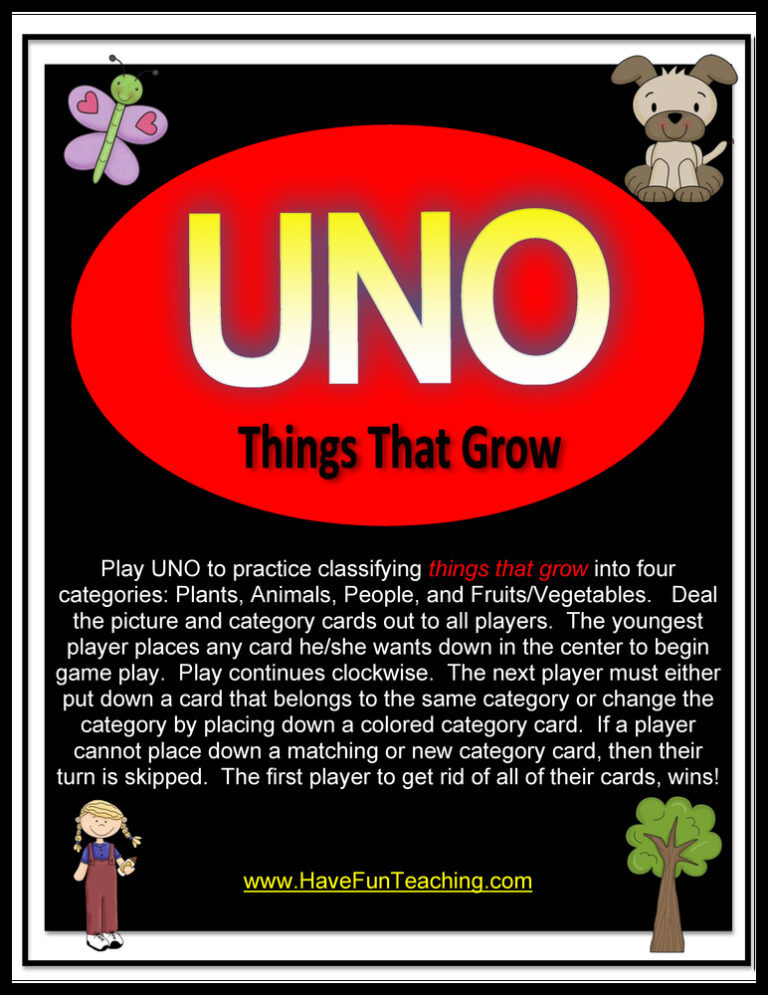
Using Things That Grow Activity, students play UNO to practice classifying things that grow into four categories.