Skip to content
Start My 3 Free Days $0 today · cancel anytime

Essays Worksheets

25 essays worksheets. Teacher favorites: Writing Graphic Organizer Worksheet and Expository Writing Graphic Organizer Worksheet. How teachers use these

Essays Worksheets

25 essays worksheets. Teacher favorites: Writing Graphic Organizer Worksheet and Expository Writing Graphic Organizer Worksheet. How teachers use these

Worksheet
Worksheet2nd GradeWriting Graphic Organizer Worksheet

This Writing Graphic Organizer Worksheet helps 2nd graders plan informative writing by choosing a topic, listing three facts, and adding a closing sentence. A simple, no-prep planning page for confident, organized young writers.

Worksheet
Worksheet4th GradeExpository Writing Graphic Organizer Worksheet

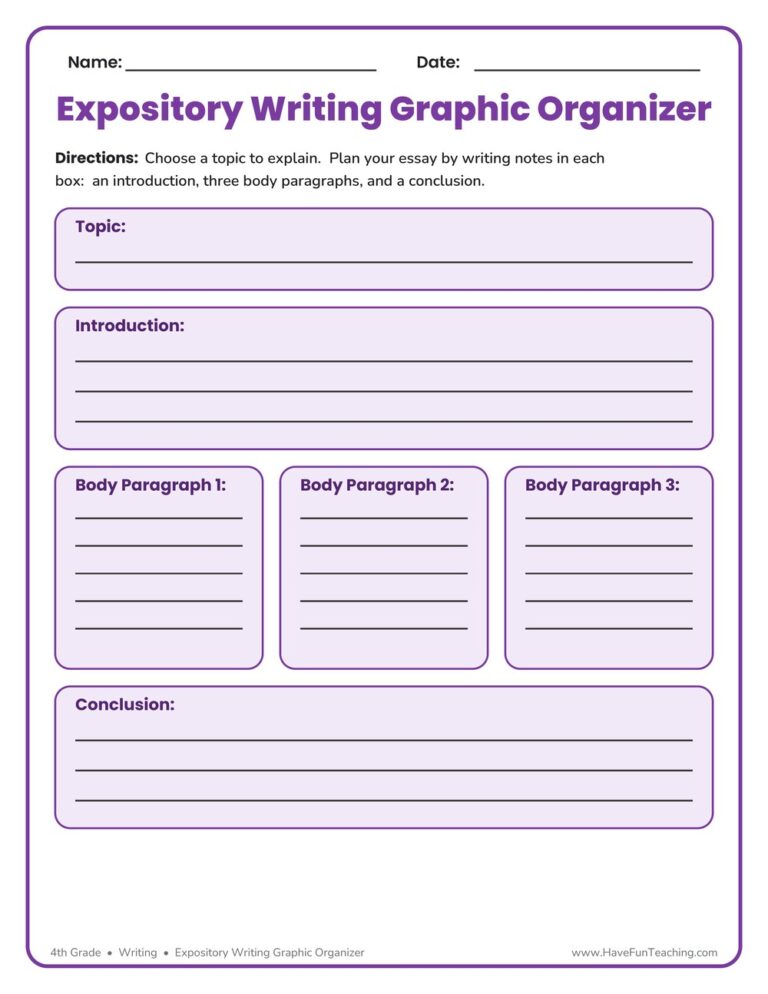
This expository writing graphic organizer worksheet helps 4th grade students plan an informational essay with boxes for a topic, introduction, three body paragraphs, and a conclusion — an easy, no-prep way to organize ideas before drafting.

Worksheet
Worksheet3rd GradeCiting Evidence from the Text Worksheet

This third grade Citing Evidence from the Text Worksheet guides students to state an opinion about a book or article and support it with evidence from the text. A no-prep opinion-writing organizer for reading and writing time.

Worksheet
Worksheet3rd GradeUsing Digital Resources Assessment Worksheet

This using digital resources assessment worksheet asks 3rd graders to choose the right online tool for each job and solve writing problems with computer skills. An answer key is included.

Worksheet
Worksheet3rd GradeCreating a Powerpoint Worksheet

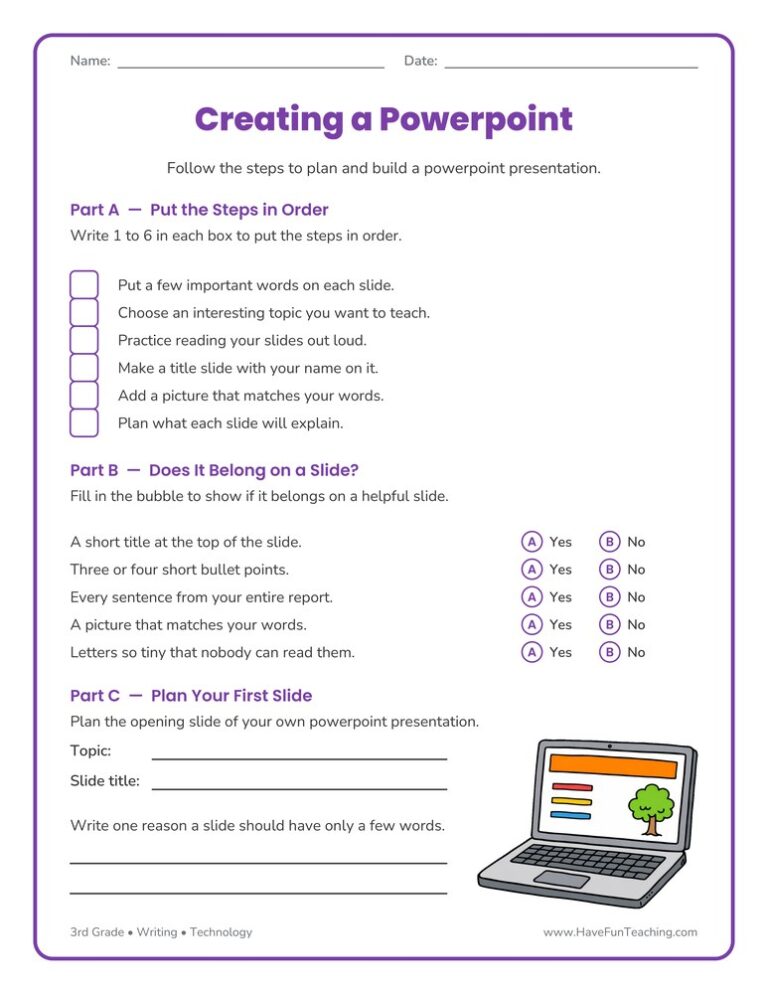
The Creating a Powerpoint Worksheet walks 3rd graders through ordering the steps, deciding what belongs on a slide, and planning their own opening slide. Answer key included, so presentation practice takes no prep at all.

Worksheet
Worksheet4th GradeWriting an Introduction Paragraph Worksheet

This writing an introduction paragraph worksheet has 4th grade students label the four jobs in a model opening, then plan their own hook, topic sentence, and reasons. An answer key is included.

Worksheet
Worksheet2nd GradeHow to Worksheet

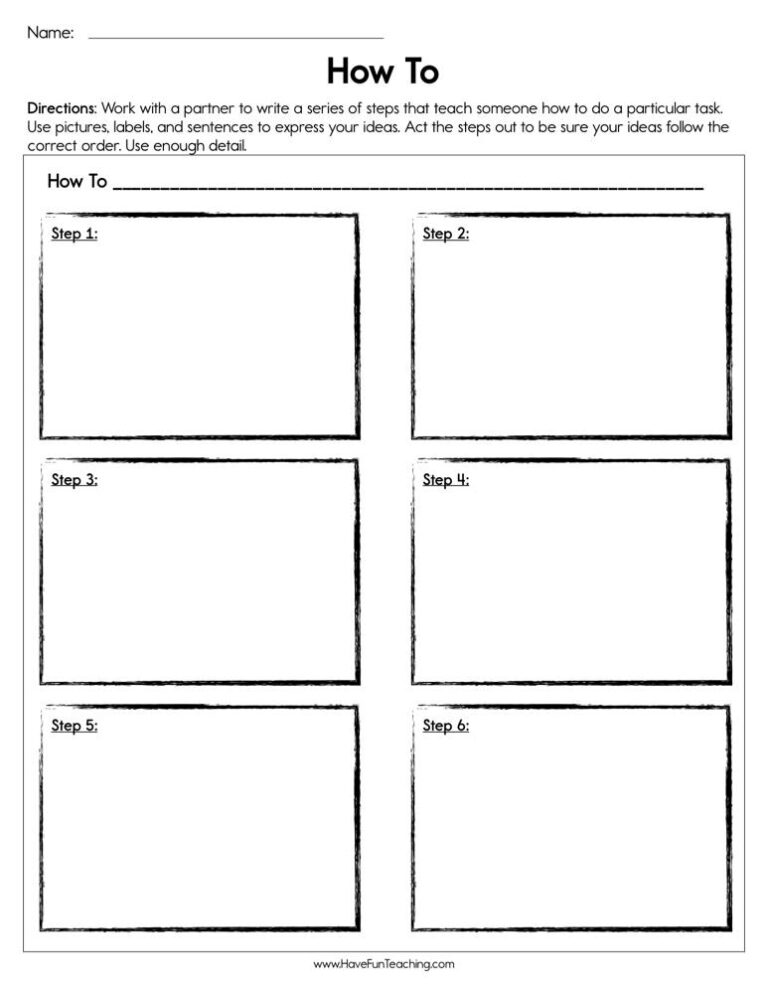
This How to Worksheet gives 2nd graders five how-to steps for a pinecone bird feeder printed out of order, two short questions, and an answer key for no-prep practice with sequencing and how-to writing.

Worksheet
Worksheet1st GradeAnimal Facts Worksheet

Our animal facts worksheet teaches 1st graders to spot the name, facts, and ending in a frog piece, then write their own. Includes an answer key and builds strong informative writers.

Worksheet
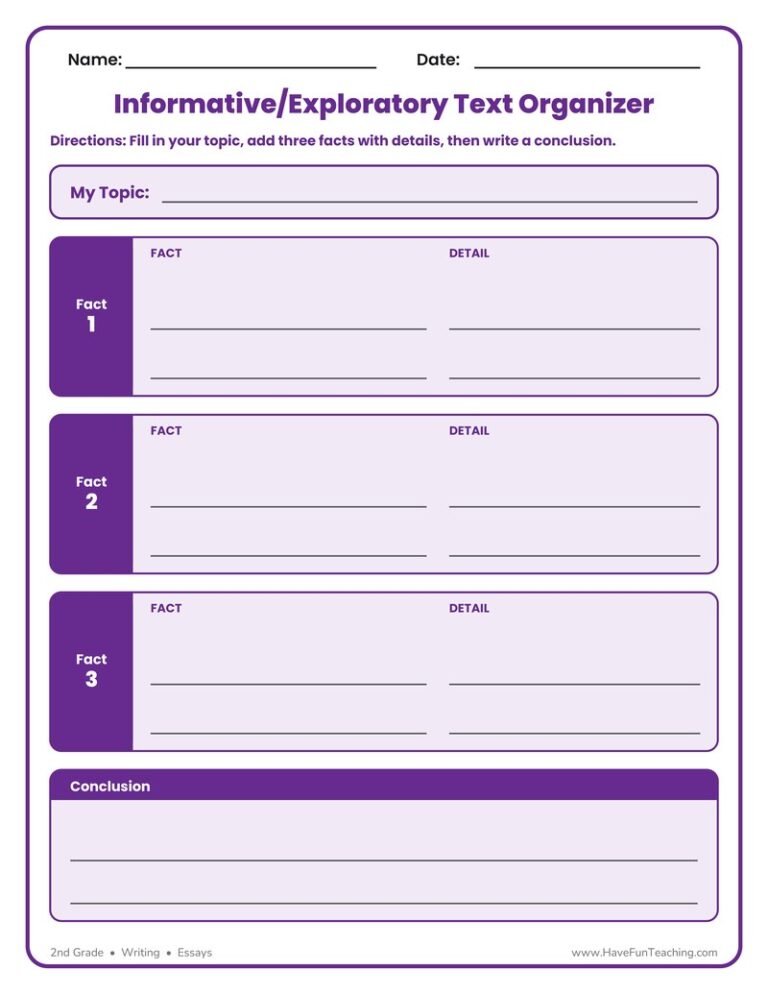
Worksheet2nd GradeInformative Exploratory Text Organizer Worksheet

The Informative Exploratory Text Organizer Worksheet helps 2nd grade writers plan a topic, three supporting facts and details, and a conclusion. A simple, no-prep way to organize informative writing before drafting.

Worksheet
Worksheet2nd GradeProgress in Writing Worksheet

Progress in Writing Worksheet gives 2nd Grade students three sentences to edit and a picture prompt to write about, with an answer key included, so young writers practice fixing and creating in one lesson.

Worksheet
Worksheet2nd GradeStrengthen Your Writing Worksheet

Use this strengthen your writing worksheet to help 2nd graders edit sentences for capitals, end marks, and spelling, then revise with stronger verbs. An answer key is included for quick checking.

Worksheet
Worksheet1st GradeJust the Facts Worksheet

This just the facts worksheet teaches 1st grade students to label the topic, fact, and ending sentences of a short piece, then write their own. An answer key is included for quick checking.

Worksheet
Worksheet3rd GradeCommand of the Conventions Writing Checklist Worksheet

Students use a four-rule conventions checklist, then proofread and rewrite four sentences that each hide two mistakes. This 3rd grade command of the conventions writing checklist worksheet includes an answer key for confident, independent editing practice.

Worksheet
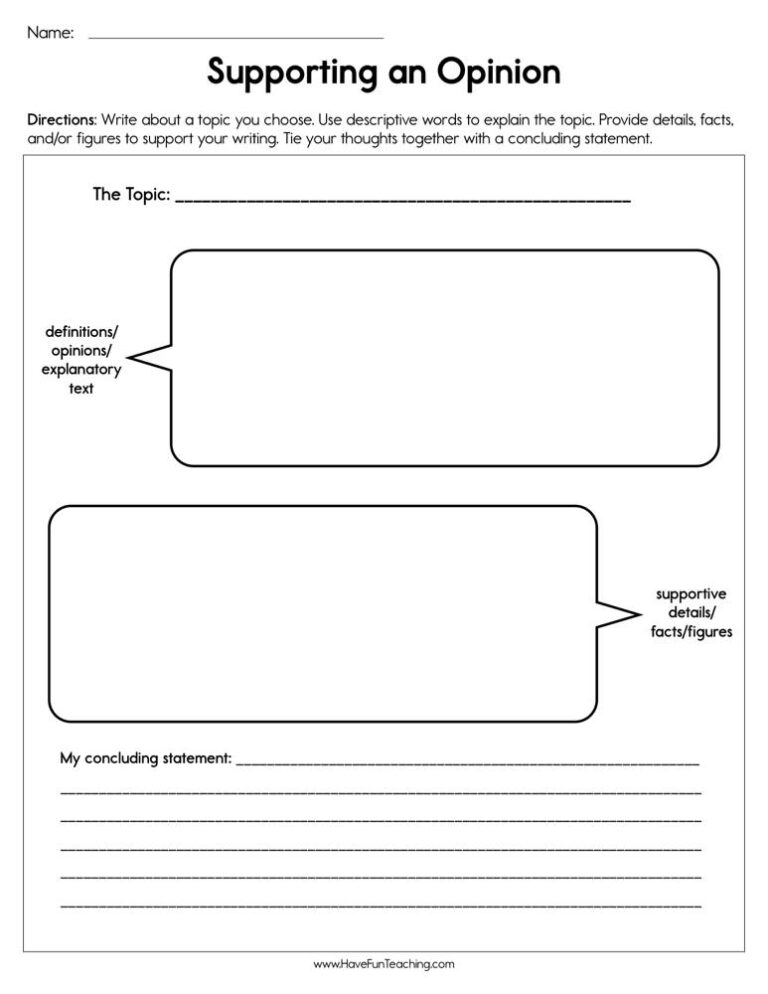
Worksheet3rd GradeSupporting an Opinion Worksheet

This supporting an opinion worksheet helps 3rd graders find the opinion, reasons, example and conclusion in a model paragraph, then plan their own. An answer key is included.

Worksheet
Worksheet3rd GradeWork in Progress Peer Review Worksheet

This work in progress peer review worksheet lets 3rd grade students draft a report, then trade papers so a partner can check it and share praise and one clear idea for revising.

Worksheet
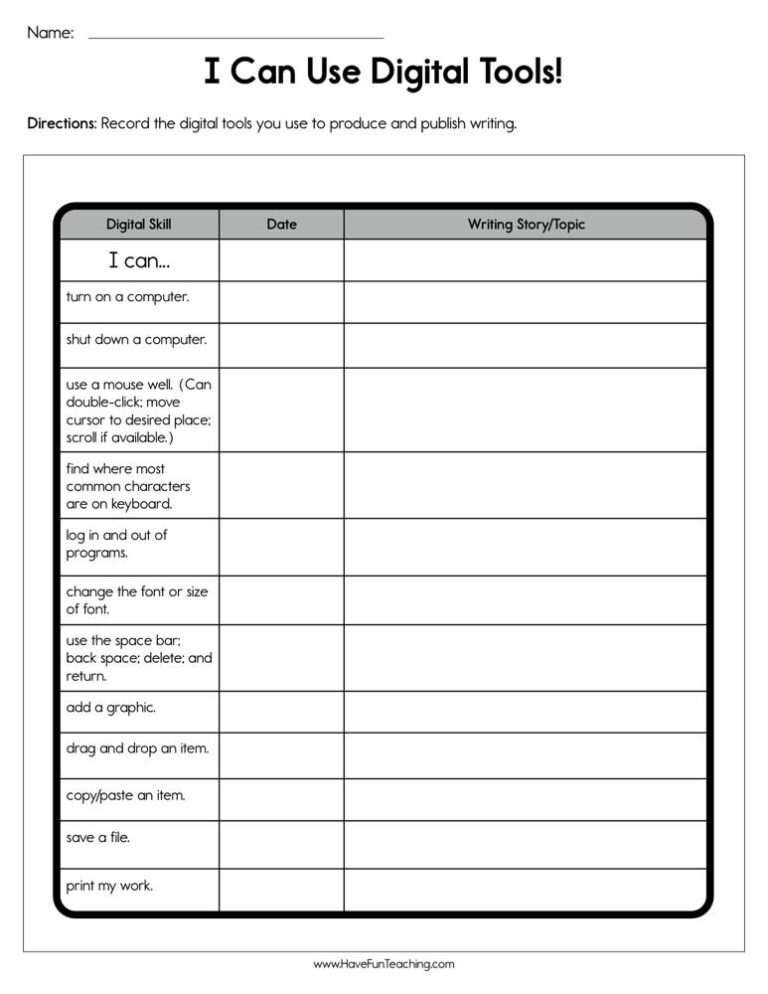
Worksheet2nd GradeI Can Use Digital Tools Worksheet

The I Can Use Digital Tools Worksheet lets 2nd grade students log the date and story each time they practice a computer skill, building confidence as they type, save, and share their writing.

Worksheet
Worksheet1st GradeDigital Tools Skills Assessment Worksheet

A digital tools skills assessment worksheet for 1st grade teachers: twelve observable technology skills and a class grid with room for five students, so one page records who can do what and when.

Worksheet
Worksheet3rd GradeInforming and Explaining a Topic Worksheet

This informing and explaining a topic worksheet lets 3rd graders sort model sentences by their job and then write their own short informative paragraph. An answer key is included to make checking quick and easy.

Worksheet
Worksheet2nd GradeAn Interesting Person Worksheet

This An Interesting Person Worksheet lets 2nd graders choose a character from any book, explain why that person is special, and draw a picture, building strong opinion writing skills.

Worksheet
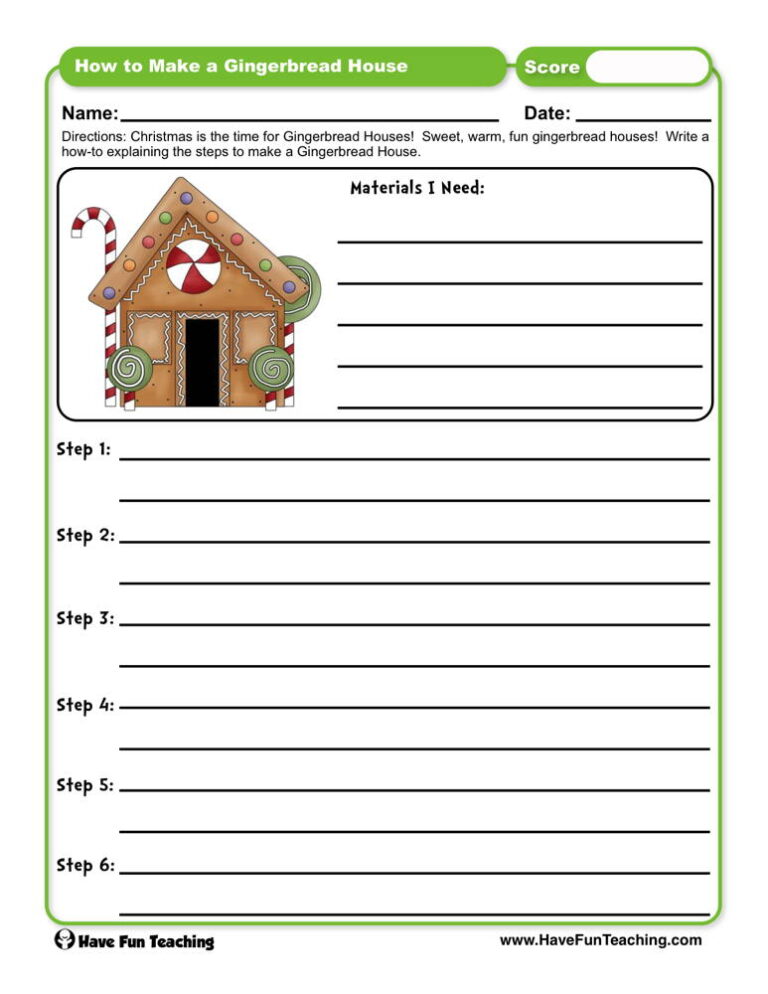
Worksheet3rd GradeHow to Make a Gingerbread House Worksheet

This how to make a gingerbread house worksheet has 3rd graders number six mixed-up steps in order, then plan their own how-to with sequencing words. An answer key is included.

From our teachers' playbook

Plan it, write it, prove it!

What do kids learn about writing essays?

Essay writing teaches kids to organize their ideas clearly. Younger students start with a topic sentence, a few facts or reasons and a closing sentence. As they grow, they write full essays with an introduction, body paragraphs and a conclusion: hook + main idea → reasons + evidence → wrap it up. They learn to write opinion pieces, informative essays and how-to explanations, and to back up their ideas with evidence from texts. The click moment is when a student realizes an essay is just a conversation where every point has proof.

Our favorite ways to teach essays

Essays feel big. These moves break them into parts kids can manage.

Hook them in

Show three ways to start an essay: a question, a surprising fact and a quick story. Write each one live, then let kids try all three for their own topic and pick their favorite.

Why it works: handing over the work step by step, from teacher to student, is one of the most widely used teaching frameworks (Pearson and Gallagher, 1983).

Writing an Introduction Paragraph WorksheetTry it withWriting an Introduction Paragraph WorksheetWorksheetsOpen it →

Prove it with the text

Teach kids to use evidence sandwiches: introduce the evidence, quote it, then explain it. Practice with short passages before they try it in a full essay.

Why it works: going from real objects to pictures to symbols is a core recommendation of the U.S. Department of Education's elementary math guide.

Citing Evidence from the Text WorksheetTry it withCiting Evidence from the Text WorksheetWorksheetsOpen it →

Questions teachers and parents ask

What is an essay for kids?

An essay is a short piece of writing about one topic. It has an introduction, body paragraphs with reasons or facts and a conclusion.

How do I teach essay writing to elementary students?

Start with a graphic organizer, teach one paragraph at a time and model each part. Give lots of examples and let students practice with topics they care about.

What are the main types of essays?

In elementary school, students mainly write opinion essays, informative or explanatory essays and narrative pieces.

How long should an elementary essay be?

Younger students may write one strong paragraph. By 4th and 5th grade, many write four to five paragraphs with an introduction and conclusion.