Skip to content
Start My 3 Free Days $0 today · cancel anytime

Fluency Worksheets

42 fluency worksheets. Teacher favorites: Decoding Words Worksheet and Fluency Progress Chart. How teachers use these

Find the perfect resource in seconds

Fluency Worksheets

42 fluency worksheets. Teacher favorites: Decoding Words Worksheet and Fluency Progress Chart. How teachers use these

Worksheet
Worksheet1st GradeDecoding Words Worksheet

This 1st Grade Decoding Words Worksheet lets young readers sound out decodable words aloud and circle the correctly spelled word. Answer key included — a quick, no-prep way to build reading fluency and phonics confidence.

Worksheet
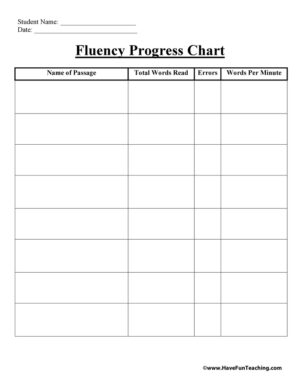
Worksheet2nd GradeFluency Progress Chart

A one-page fluency progress chart worksheet where 2nd graders record the date, passage, words read, errors, and words per minute after each one-minute reading. Watch reading rate climb week after week.

Worksheet
WorksheetKindergartenSimple Sentences Practice Worksheet

The Simple Sentences Practice Worksheet asks kindergarten readers to look at four pictures and circle the sentence that goes with each one, with an answer key, so careful reading becomes a habit.

Worksheet
WorksheetKindergartenSimple Sentences Reading Practice Worksheet

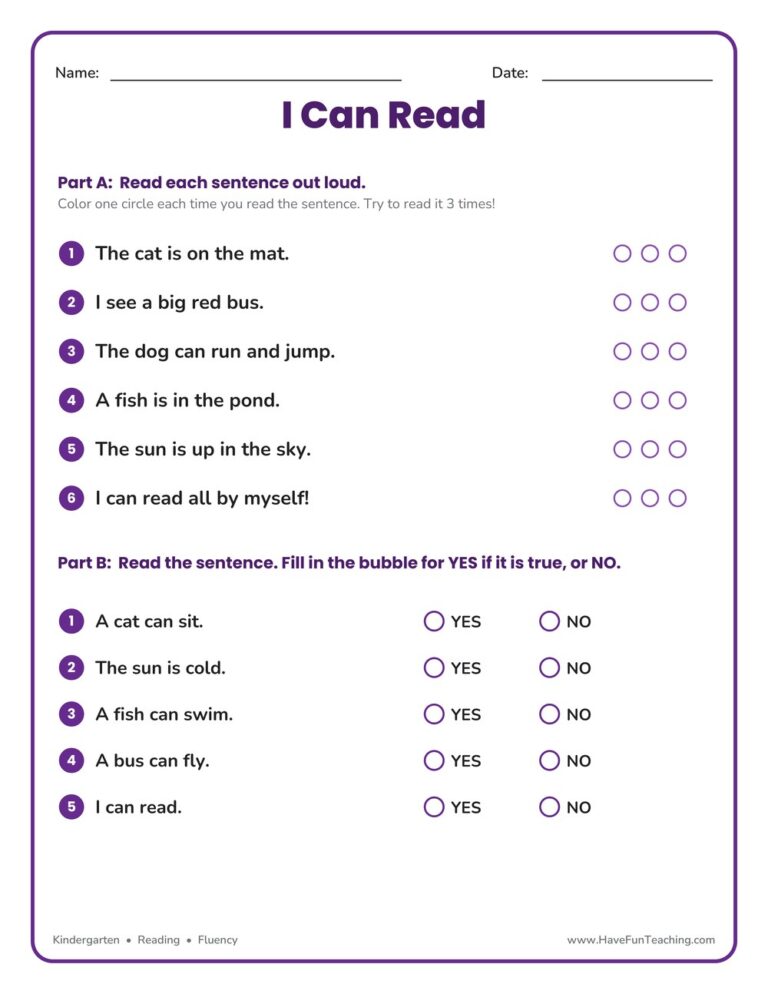
This Simple Sentences Reading Practice Worksheet gives Kindergarten readers short, decodable sentences to read aloud and repeat, building reading accuracy and fluency. Includes a complete answer key — perfect for quick, no-prep reading practice.

Worksheet
Worksheet1st GradeReading Fluency Worksheet

This reading fluency worksheet gives 2nd Grade students a 129-word passage to read out loud in one minute, with a running word count and a six-row chart for tracking their score week by week.

Worksheet
WorksheetKindergartenReading High Frequency Words Worksheet

This Reading High Frequency Words Worksheet gives Kindergarten readers hands-on practice tracing four Dolch sight words and then spotting them inside simple sentences. An answer key is included, so sight-word practice takes no prep at all.

Worksheet
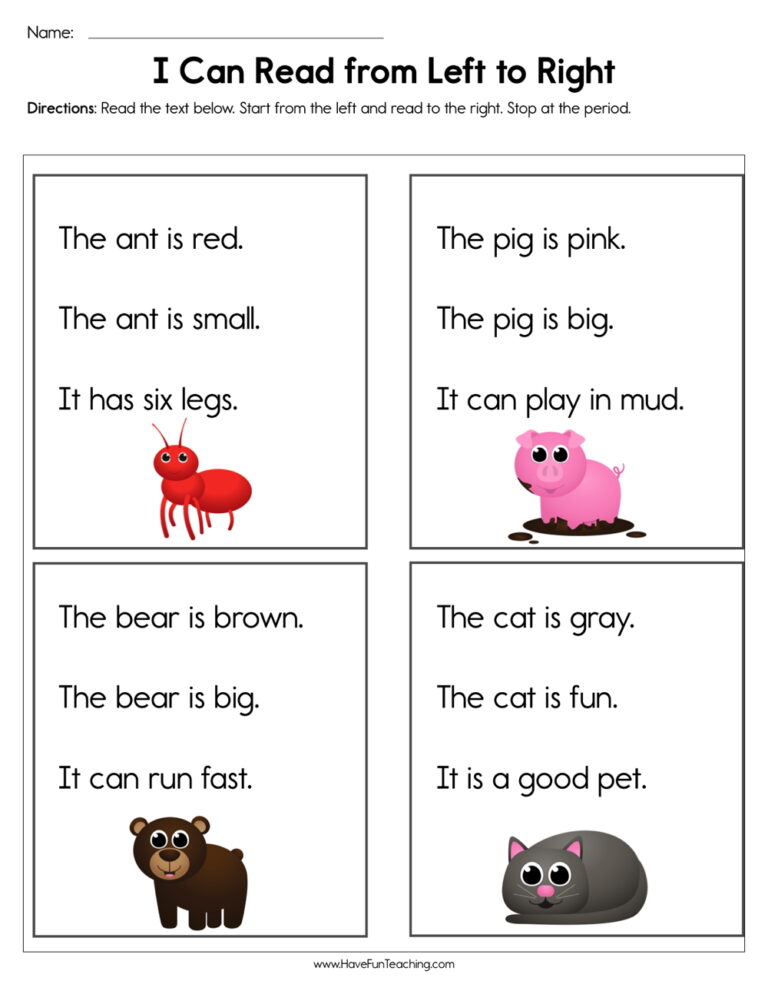
WorksheetKindergartenI Can Read From Left to Right Worksheet

The I Can Read From Left to Right Worksheet gives kindergarten readers nine short sentences to track and mark, with picture cards for support. An answer key is included, so print-concepts practice needs no prep.

Worksheet
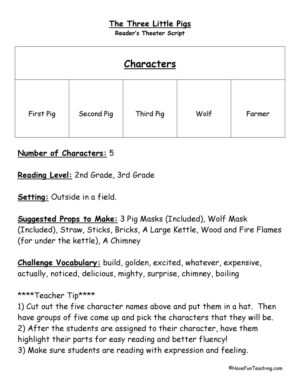
Worksheet3rd GradeThree Little Pigs Reader's Theater

This Three Little Pigs Reader's Theater gives a 3rd grade group a five-part script to read aloud and perform, with short lines that build fluency and expression in one class period.

Worksheet
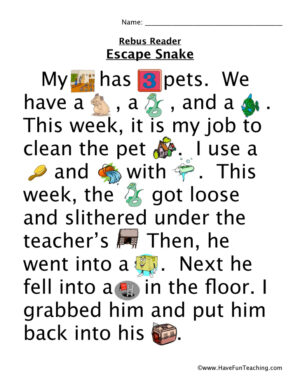
Worksheet1st GradeSnake Rebus Worksheet

This Snake Rebus Worksheet gives 1st graders a picture-supported story to read aloud, then four pictures to label with the matching word. Answer key included, so fluency practice takes almost no prep.

Worksheet
Worksheet2nd GradeR-Controlled Vowels Word Hunt Worksheet

A second grade r-controlled vowels word hunt worksheet: students read a short farm story, circle the twelve bossy r words, then sort them by ar, or, and er/ir/ur. Answer key included for fast, no-prep phonics practice.

Worksheet
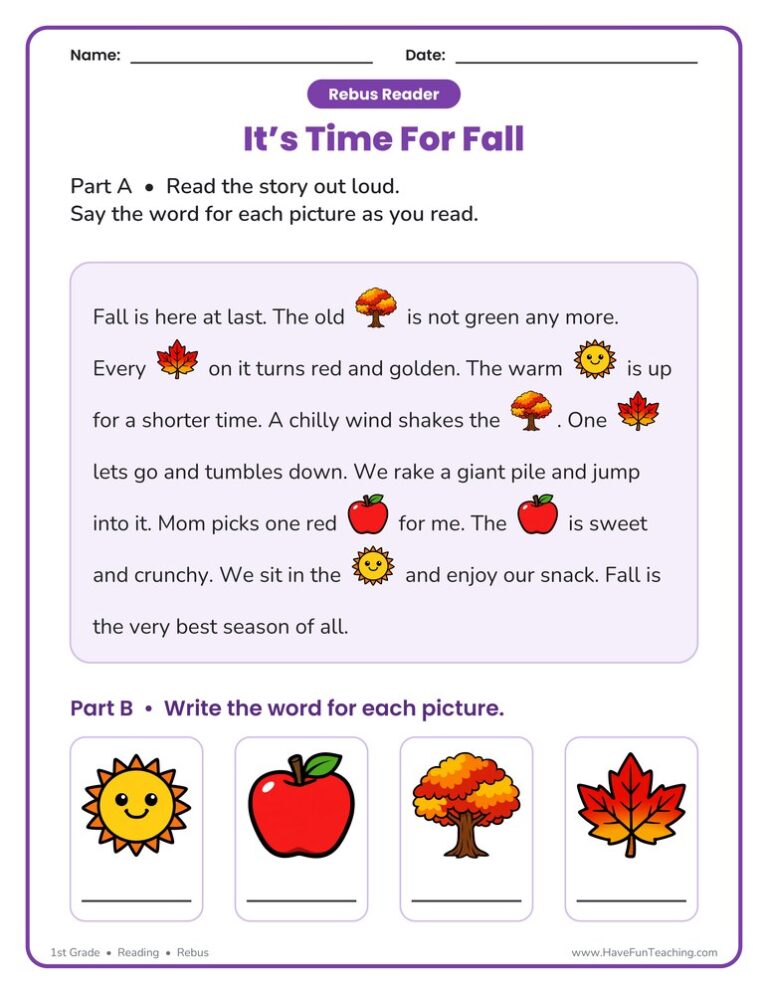
Worksheet1st GradeTime for Fall Rebus Worksheet

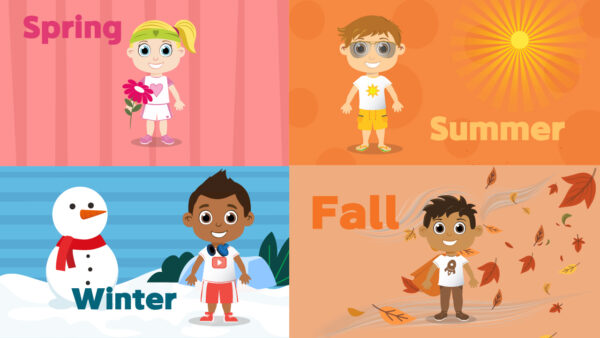
This Time for Fall Rebus Worksheet gives 1st graders an autumn story to read aloud, with pictures standing in for tree, leaf, sun, and apple. An answer key is included for quick fluency practice.

Worksheet
WorksheetKindergartenSound Out Words Touching Worksheet

Sound Out Words Touching Worksheet gives Kindergarten readers four sound-box words to touch and blend, four words to count the sounds in, and a full answer key.

Worksheet
Worksheet1st GradeReading Fluency Checklist Worksheet

This Reading Fluency Checklist Worksheet gives 1st Grade teachers a one-page conference tool: running record marks, fluency look-fors, accuracy bands and end-of-year rate targets. Print one for every reading conference.

Worksheet
Worksheet1st GradeReading with Fluency Worksheet

This reading with fluency worksheet gives 1st graders a short timed story, a running word count, and a three-try practice log. Answer key included, so every one-minute read shows real, chartable progress.

Worksheet
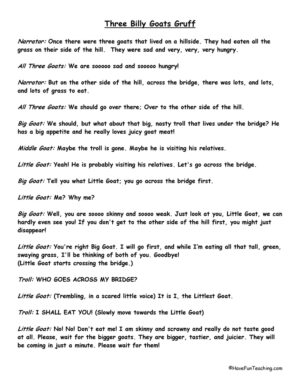
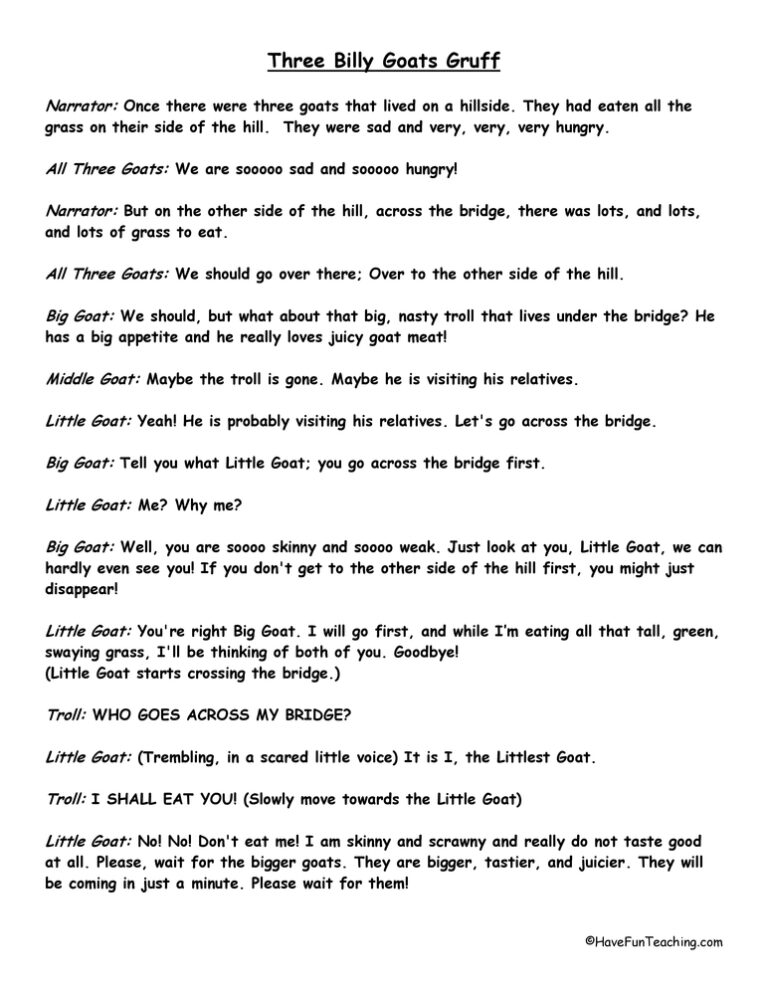
Worksheet3rd GradeThree Billy Goats Gruff Reader's Theater

This three billy goats gruff reader's theater worksheet gives 3rd Grade groups a five-part script with twenty-four short speaking turns, so every reader practices fluency and expression aloud.

Worksheet
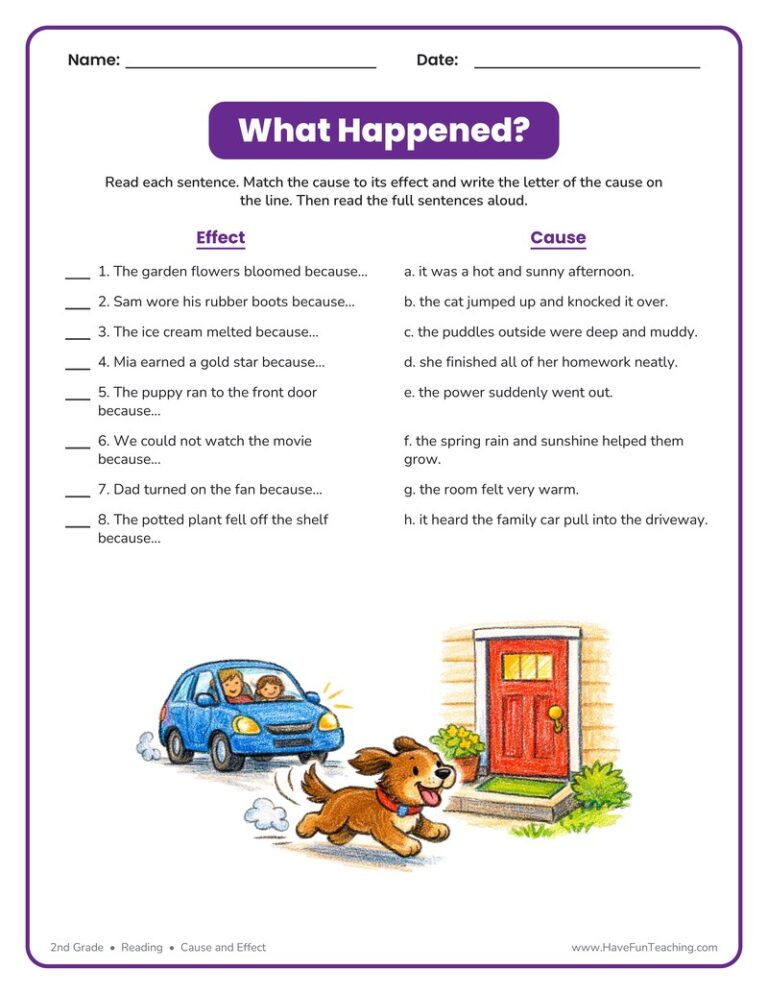
Worksheet2nd GradeWhat Happened Cause Effect Matching Worksheet

The What Happened Cause Effect Matching Worksheet has 2nd graders match eight everyday effects to their causes, then read the full sentences aloud for fluency. Includes a complete answer key for quick, no-prep reading practice.

Worksheet
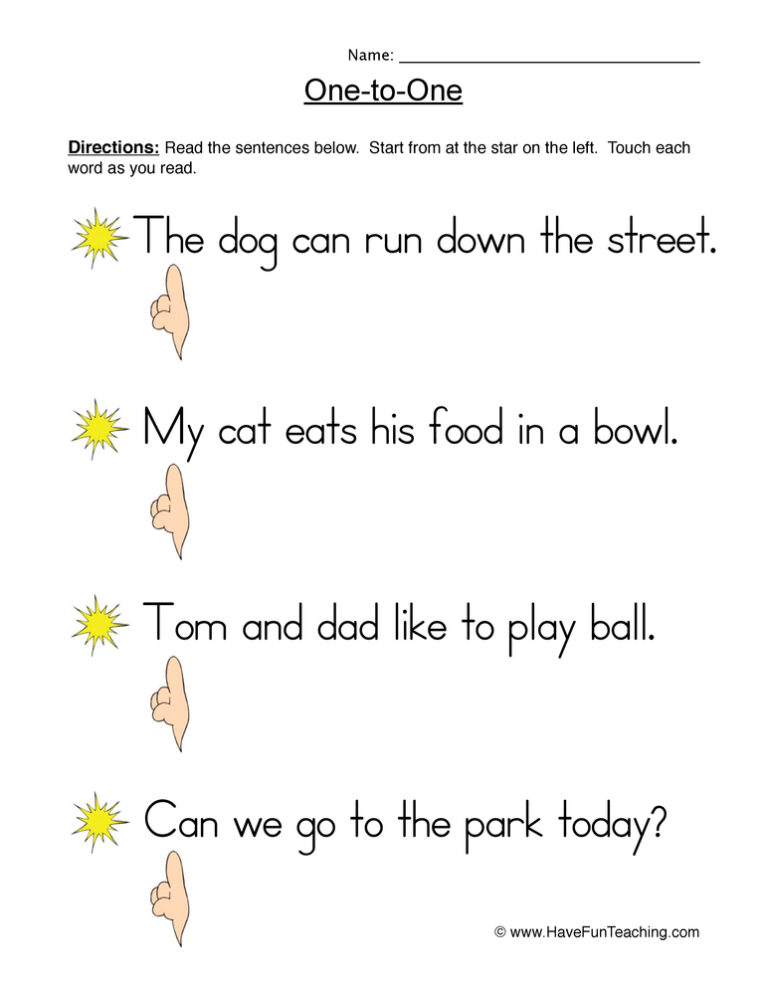
Worksheet1st GradeReading One to One Worksheet

The Reading One to One Worksheet has 1st grade readers touch each word as they read, then match every sentence to a row with one box per word. An answer key is included.

Worksheet
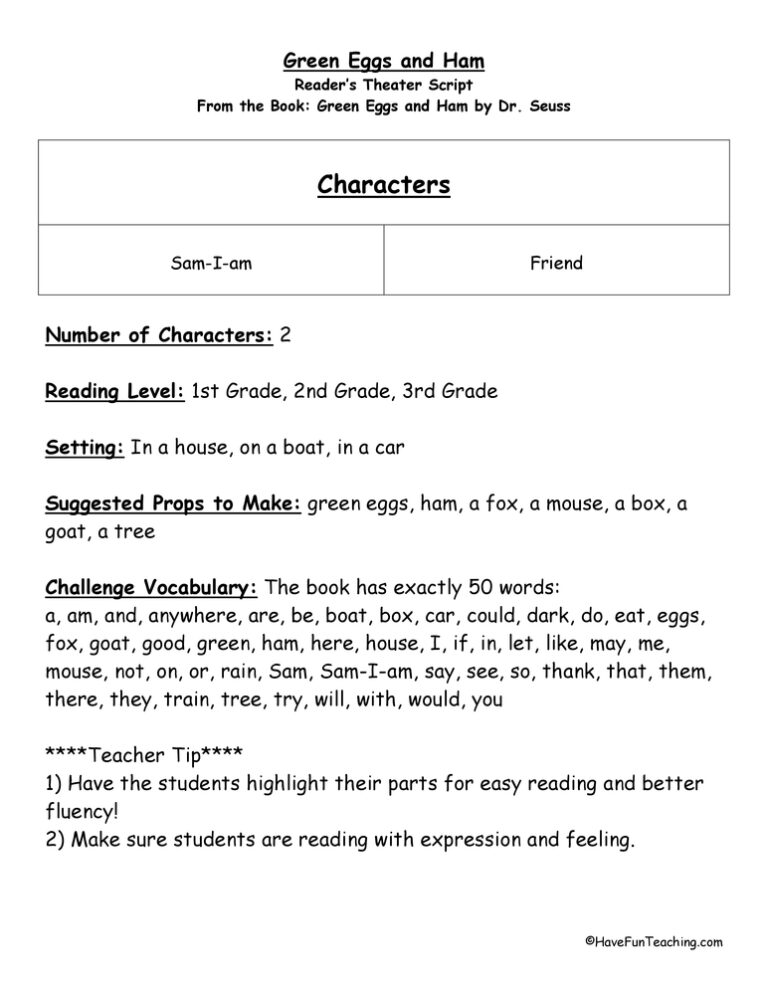
Worksheet1st GradeGreen Eggs and Ham Reader's Theater

Using Green Eggs and Ham Reader's Theater, students act out different parts in the story Green Eggs and Hall to learn more about Dr. Seuss.

Worksheet
Worksheet1st GradeOne to One Reading Words Worksheet

This one to one reading words worksheet has 1st grade readers touch a box for each word, then write the missing word from a word bank. An answer key is included.

Worksheet
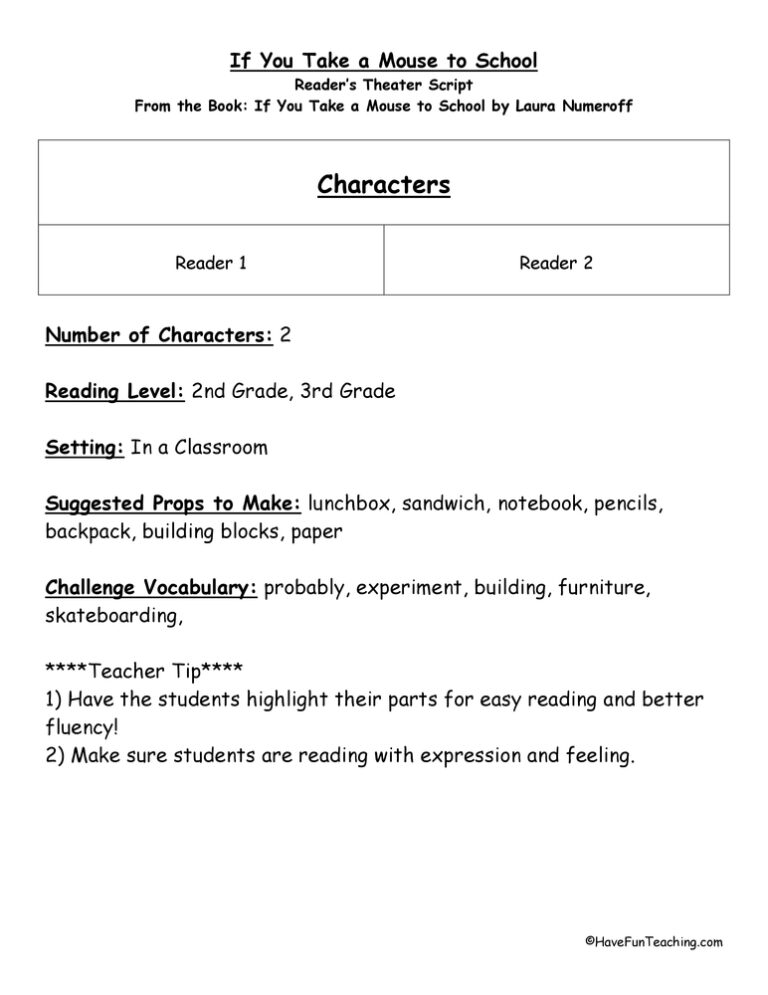
Worksheet1st GradeIf You Take A Mouse To School Reader's Theater

Using If You Take A Mouse To School Reader's Theater, students act out different parts in the story in this beloved story to build their reading fluency and accuracy skills.

From our teachers' playbook

Read it smooth, read it like you talk

What do kids learn about reading fluency?

Fluency is reading accurately, at a comfortable pace and with expression, so it sounds like talking. It has three parts kids can work on: accuracy + rate + expression. Beginning readers track words from left to right, sound out words smoothly and learn high-frequency words by sight. Then they read short sentences without stopping on every word. Older readers pay attention to punctuation, pause at commas, raise their voice at question marks and read with feeling. The click: when reading gets smooth, kids have brain space left over to understand what they read.

Our favorite ways to build fluency

Fluency grows with modeling and lots of rereading. These are the moves we use every year.

Echo reading

Read one sentence aloud with great expression, then kids read the same sentence back, copying your voice. Ham it up for question marks and exclamation points! Echo reading lets kids hear what fluent reading sounds like before they try.

Why it works: showing first, practicing together, then letting kids try alone is the "gradual release" model teachers have relied on for decades (Pearson and Gallagher, 1983).

Reading Fluency WorksheetTry it withReading Fluency WorksheetWorksheetsOpen it →
Read it three times

Have kids reread the same short passage three times across the week and color in a progress chart each time. They feel the difference as the words get smoother. Seeing their own growth is huge motivation.

Why it works: short practice spread over several days beats one long session, according to a large review of learning research (Dunlosky and colleagues, 2013).

Fluency Progress ChartTry it withFluency Progress ChartWorksheetsOpen it →

Reader's theater

Give each child a part in a short play like The Three Billy Goats Gruff. They practice their lines all week and perform on Friday. Rereading for an audience is the most fun fluency practice there is.

Why it works: in a well-known study, a few short sessions of a simple number board game measurably boosted young children's number skills (Ramani and Siegler, 2008).

Three Billy Goats Gruff Reader's TheaterTry it withThree Billy Goats Gruff Reader's TheaterWorksheetsOpen it →

Fluency questions we hear a lot

What is reading fluency?

Reading fluency is the ability to read accurately, at a good pace and with expression. A fluent reader sounds natural, like they're talking, and can focus on understanding instead of decoding every word.

How can I improve my child's reading fluency?

Have them reread the same short passage a few times, read aloud together, and try echo reading where you read a line and they repeat it. Daily rereading of familiar books builds fluency fast.

Why is fluency important for reading comprehension?

When kids spend all their energy sounding out words, there's little left for understanding. Fluent reading frees up their attention so they can think about meaning.

How is reading fluency measured?

Teachers often listen to a child read a short passage for one minute and count the words read correctly. They also listen for expression and phrasing. Your child's teacher can share grade-level goals.