

Asking Questions About Pictures Worksheet
This Asking Questions About Pictures Worksheet gives 1st Grade students an illustrated scene, four fill-in-the-bubble questions, and room to write a question of their own. Answer key included, so checking takes seconds.
$6.97
Or free with a membership — members pay $3.33/mo for all 10,000+ resources. See plans
Want this one free?
Tell us where to send it and it’s yours — no card, no catch.
One free resource per teacher. We’ll also send free teaching ideas each week — unsubscribe anytime.
Teaching is easier with a membership
Unlimited printables, games & videos for PreK–6th — for your classroom or homeschool. Cancel anytime.
Start your 3-day free trial$0 today · cancel anytime · Instant access to 10,000+ resources
About this resource
Description
Asking questions is one of the very first comprehension habits a young reader builds, and a picture is the easiest place to start. This Asking Questions About Pictures Worksheet hands first graders a bright, full-color scene and asks them to look closely, notice the key details, and answer four questions about what they see. Because every answer lives in the illustration instead of in a block of text, students who are still working on decoding can practice the thinking skill all on its own: noticing who is there, what is happening, where the scene takes place, and how many of something they can count.
This first grade asking questions worksheet is a two-page printable that needs no preparation. Page one holds the illustrated garden scene, four fill-in-the-bubble questions built on the words who, what, where, and how many, and two handwriting lines where students turn the task around and write a question of their own. Page two is the answer key. Use it as a warm-up before a read-aloud, as an independent center during guided reading, or as a quick check that students can find evidence before they are asked to find it in print.
What’s Included
- One full-color illustrated scene built for close looking
- Four fill-in-the-bubble questions using who, what, where, and how many
- Two solid handwriting lines for a student-written question
- A complete answer key, including a sample student question
- A print-ready PDF sized for standard letter paper
Three reasons this helps kids. First, it separates comprehension from decoding, so a student who is still sounding out words can still show strong thinking. Second, the fill-in-the-bubble format gives young students practice with the answer style they will meet on early reading assessments. Third, writing their own question moves students from answering to asking, which is the step that turns passive readers into curious ones.
Teachers and parents can stretch the Asking Questions About Pictures Worksheet further in a few easy ways. Have partners trade papers and answer each other’s written questions out loud. Cover the choices and ask students to answer question three by counting aloud first. Project the picture and collect a class list of who, what, where, when, why, and how questions on chart paper. Then repeat the routine with a photograph from your own classroom library so students see that the strategy travels to any picture, and any book.
Related Resources
What teachers say
Reviews
You must be logged in to post a review.

This 1st Grade Decoding Words Worksheet lets young readers sound out decodable words aloud and circle the correctly spelled word. Answer key included — a quick, no-prep way to build reading fluency and phonics confidence.

This New Friend Reading Comprehension Worksheet gives first graders a short story about making a new friend, plus multiple-choice and short-answer questions. Answer key included for quick, no-prep reading practice.
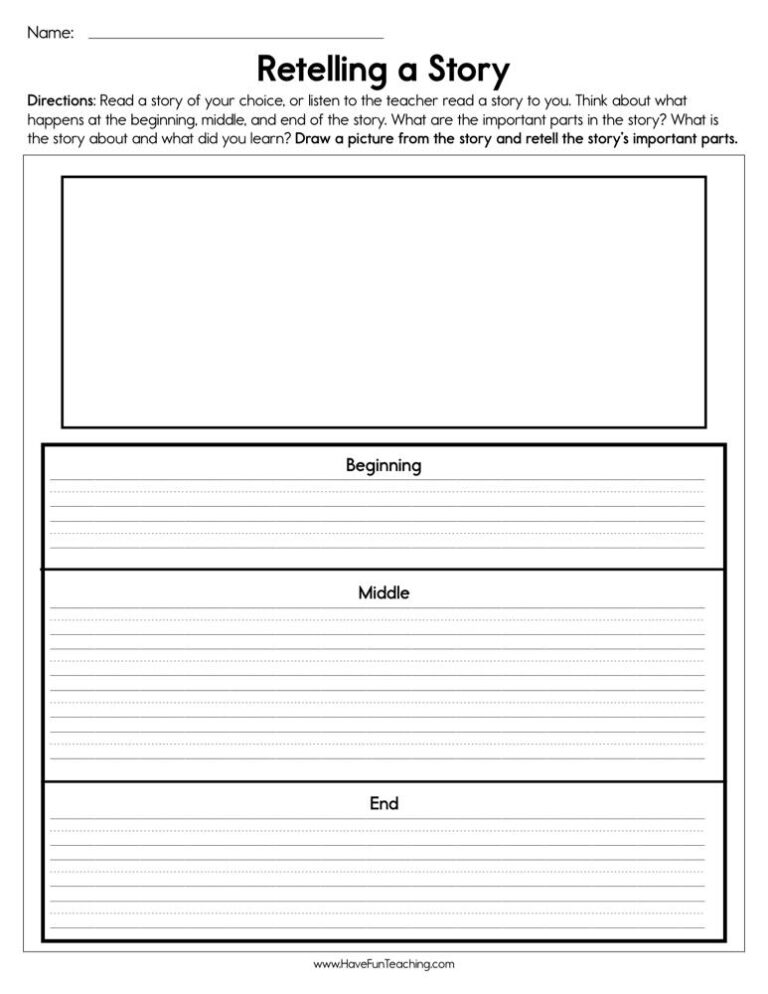
This Retelling a Story Worksheet gives 1st Grade readers a short story to sequence and retell in their own words, with a full answer key included, so comprehension practice is ready to print.
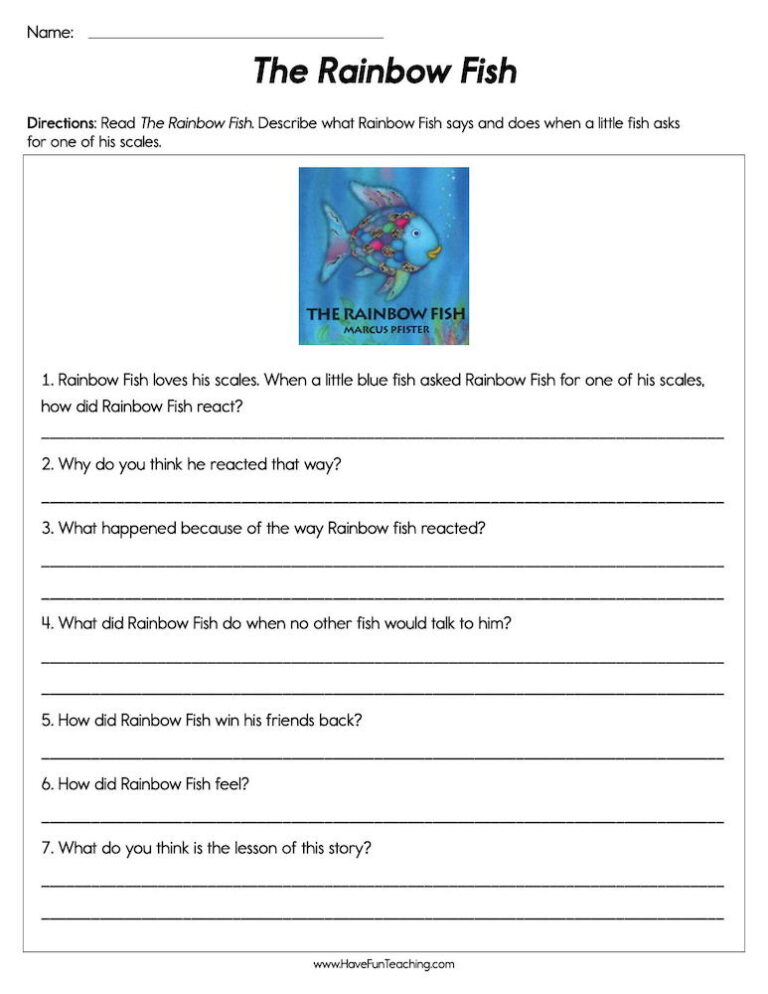
Using The Rainbow Fish Worksheet, students read The Rainbow Fish and describe what Rainbow Fish says and does when a little fish asks for one of his scales.

Using Chrysanthemum Worksheet, students read Chrysanthemum and describe what she says and does when her school friends make fun of her adored name.
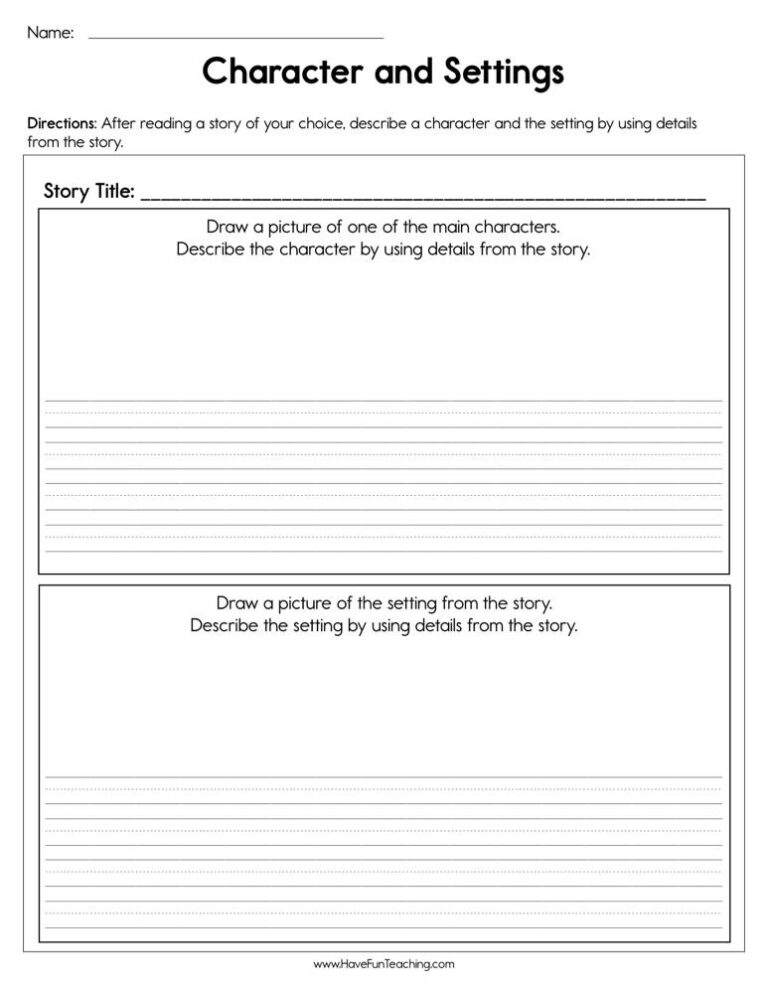
A print-and-go Character and Settings Worksheet that helps 1st graders draw and describe the main character and the setting of any story they choose. Flexible enough for guided reading, independent reading, or a bedtime book at home.
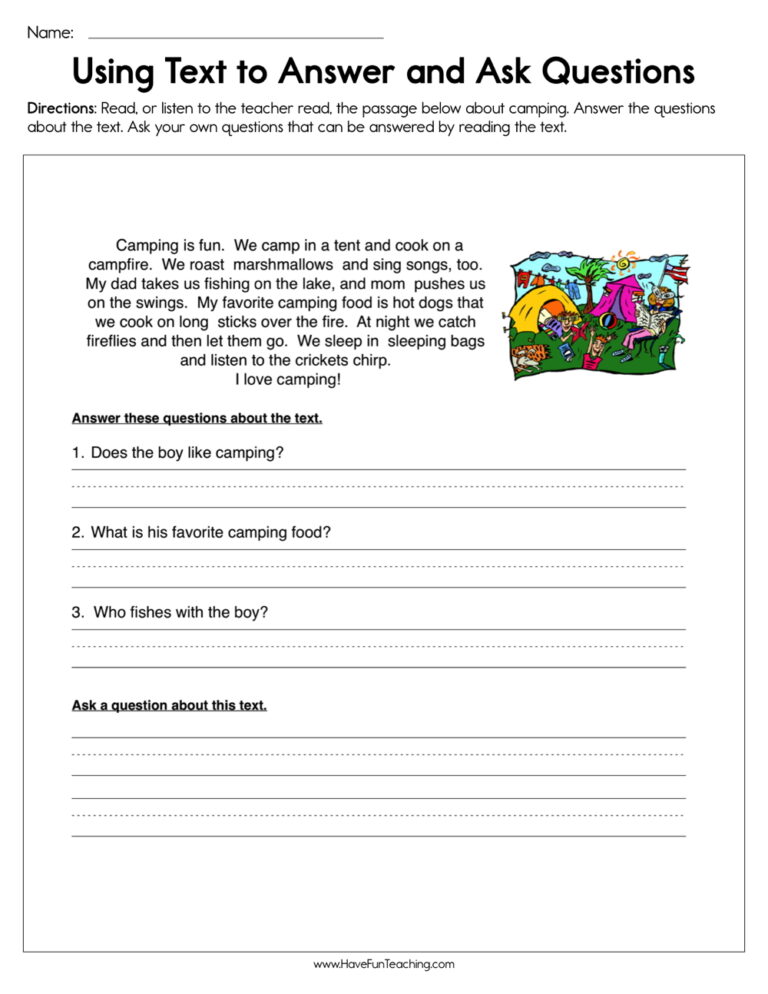
This Using Text to Answer and Ask Questions Worksheet gives 1st graders a short class-garden story, four bubble questions, and space to write a question of their own. Answer key included, so comprehension practice is ready in minutes.

A 1st Grade details of an informational text worksheet built around a short nonfiction text about sunflowers, with bubble questions on the main topic and key details. Answer key included for fast, no-prep nonfiction practice.
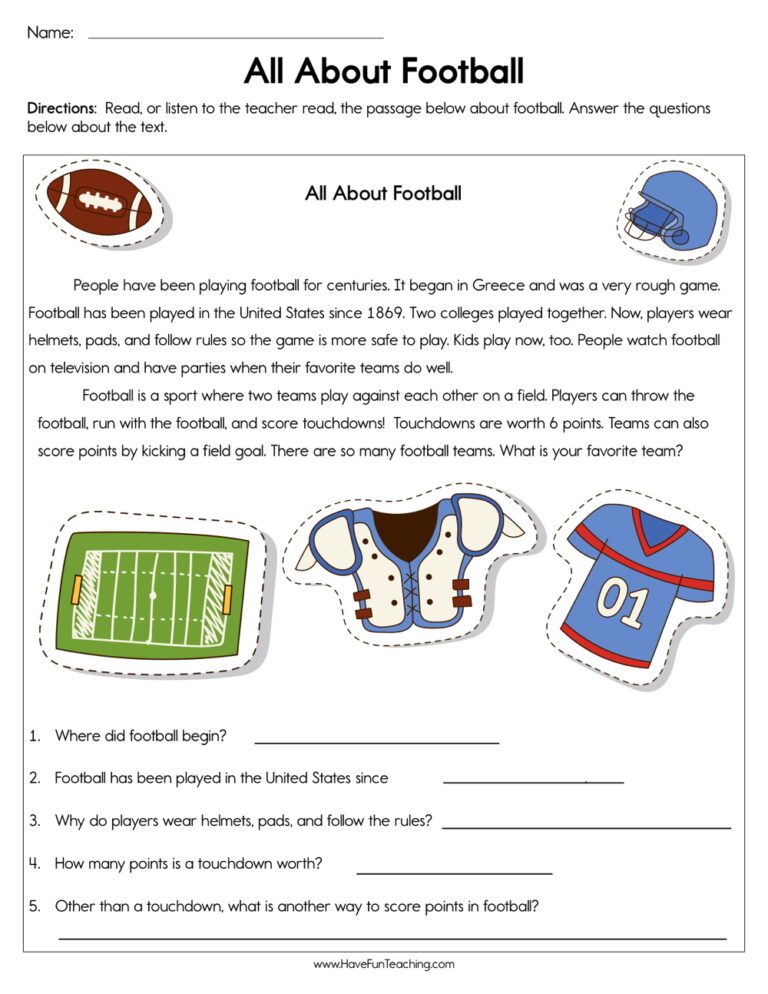
Build 1st Grade reading skills with the All About Football Worksheet, a short informational passage plus five bubble questions and word-box sentences. An answer key is included, so comprehension practice is ready to print.

The A New Friend Reading Comprehension Worksheet gives first graders a short, friendly story and five questions to practice reading. Grade 1, answer key included — a gentle way to build comprehension and kindness.
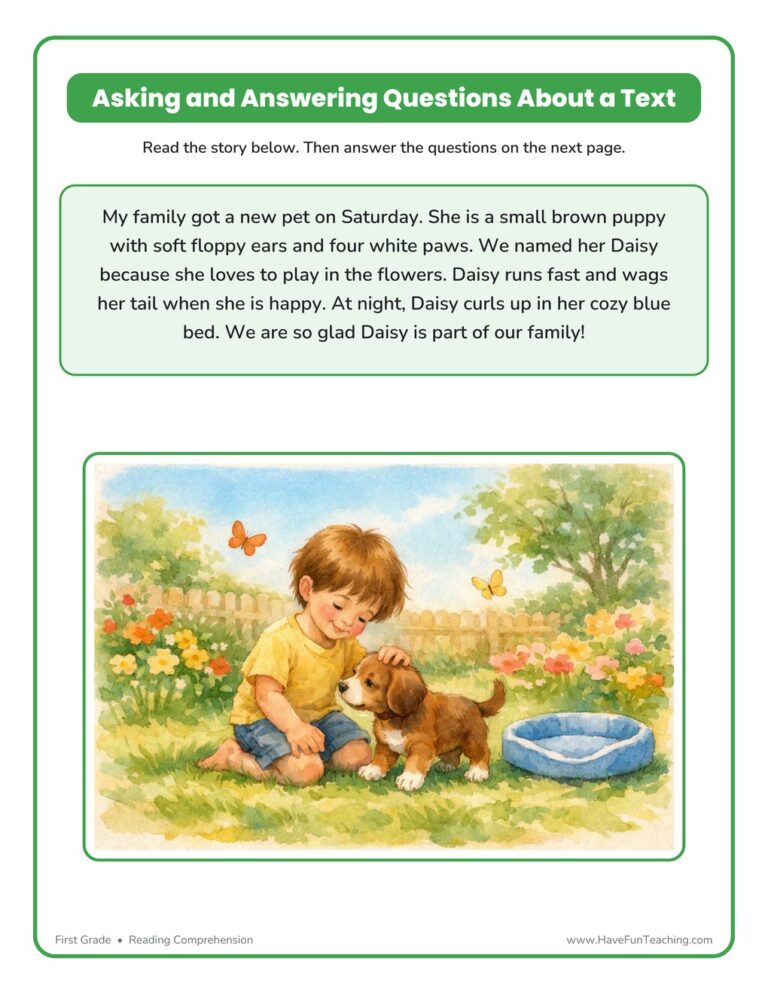
Practice asking and answering questions about a text with this first grade worksheet: read a short story about a new puppy, answer five questions, and write your own. Answer key included.
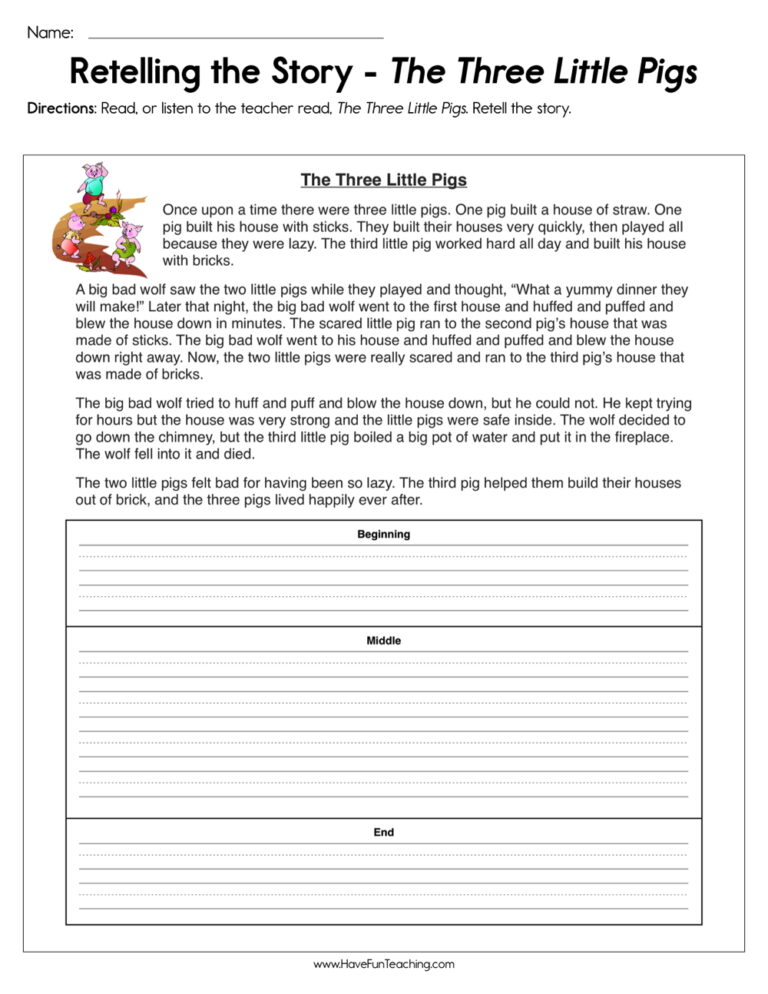
This Retelling the Story The Three Little Pigs Worksheet gives 1st graders a short story to read, four events to put in order, and Beginning, Middle, and End retell boxes. Answer key included for fast checking.
Reviews
There are no reviews yet