
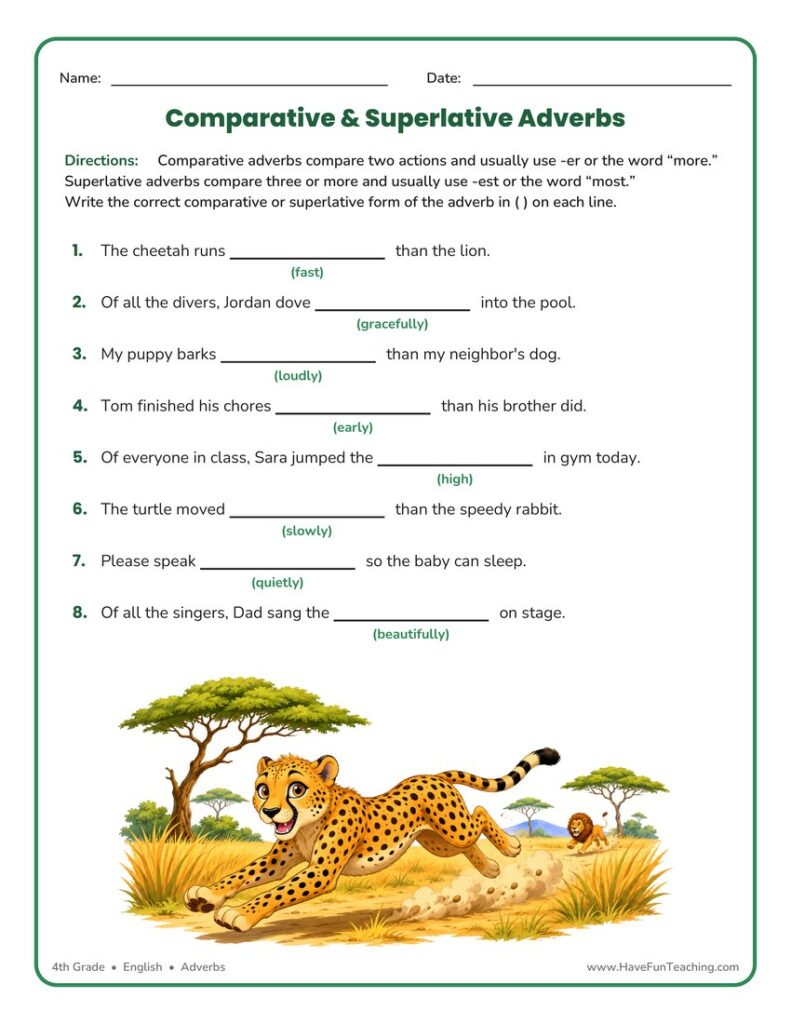
Comparative & Superlative Adverbs Worksheet
This Comparative & Superlative Adverbs Worksheet asks 4th graders to write the correct -er, -est, more, or most form of each adverb. Includes an answer key for quick, no-prep grammar practice.
$6.97
Or free with a membership — members pay $3.33/mo for all 10,000+ resources. See plans
Want this one free?
Tell us where to send it and it’s yours — no card, no catch.
One free resource per teacher. We’ll also send free teaching ideas each week — unsubscribe anytime.
Teaching is easier with a membership
Unlimited printables, games & videos for PreK–6th — for your classroom or homeschool. Cancel anytime.
Start your 3-day free trial$0 today · cancel anytime · Instant access to 10,000+ resources
About this resource
Description
An adverb is a word that describes a verb, telling how, when, or where an action happens. When we compare actions, we use comparative and superlative adverbs. This Comparative & Superlative Adverbs Worksheet helps students learn to form the comparative (-er or “more”) and superlative (-est or “most”) versions of adverbs and use them correctly in sentences.
This 4th grade adverbs worksheet gives students eight sentences, each with a base adverb shown in parentheses. Students decide whether the sentence compares two actions or three or more, then write the correct comparative or superlative form on the line. Clear directions remind them when to add -er or -est and when to use more or most. Use it for independent practice, homework, a grammar center, or a quick review before a quiz.
What’s Included
- 1 print-ready PDF worksheet
- Answer key
- 8 comparative and superlative adverb sentences with base-word prompts
This Comparative & Superlative Adverbs Worksheet helps kids in three ways. First, it builds a clear understanding of the difference between comparing two actions and comparing three or more. Second, the base adverb in parentheses guides students to focus on forming the correct ending or modifier. Third, the included answer key lets students and teachers check work right away and reinforce correct grammar.
To extend the lesson, have students sort adverbs into ones that take -er and -est and ones that need more and most, or challenge them to write their own comparative and superlative sentences about a race or a talent show. Acting out actions “quickly, more quickly, and most quickly,” or comparing how classmates do everyday tasks, turns adverb practice into a fun, hands-on activity at home or in class. The more students hear and use these adverb forms, the more naturally correct grammar becomes part of their everyday writing and speaking.
Related Resources
What teachers say
Reviews
You must be logged in to post a review.

This Describe it Using Adverbs Worksheet gives 3rd graders nine sentences that practice adverbs telling how, when, and where. An answer key is included, so grammar practice takes minutes to assign and score.
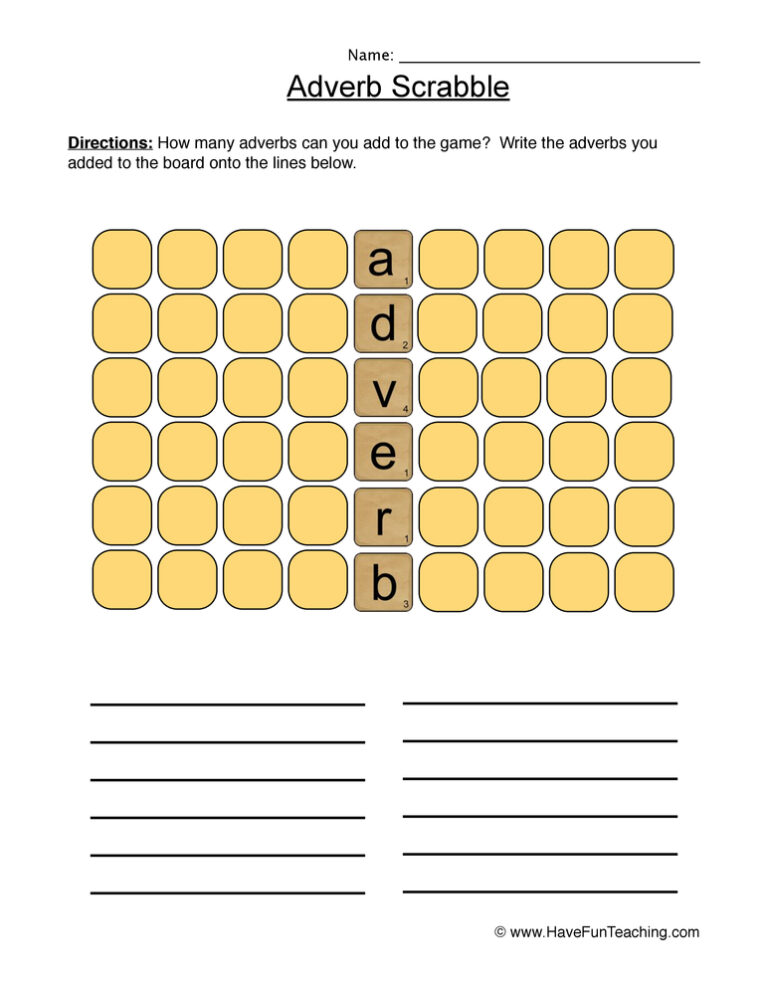
Using this Play Scrabble Adverbs Worksheet, students will be able to write adverbs while playing Scrabble to build their describing skills.

Using this Word Diving Deep Sorting Words Activity, students sort the word cards into categories (compare, addition, contrast, example, sequence, and summary) in order to see the relationship between various words in each category.
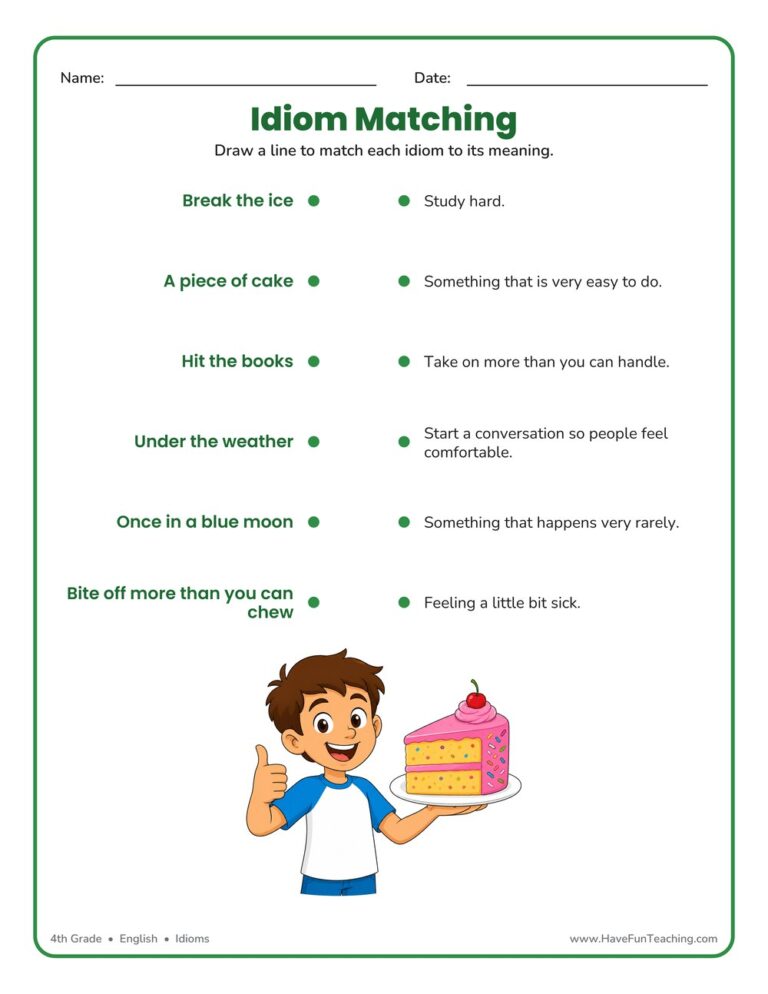
A matching idioms worksheet where 4th graders draw a line to connect six common idioms to their meanings. Includes an answer key for quick, no-prep figurative language practice.

This simple, compound, and complex sentences worksheet helps 4th grade students identify and combine sentence types using clauses and conjunctions. Includes a complete answer key for fast, no-prep grammar practice at home or school.
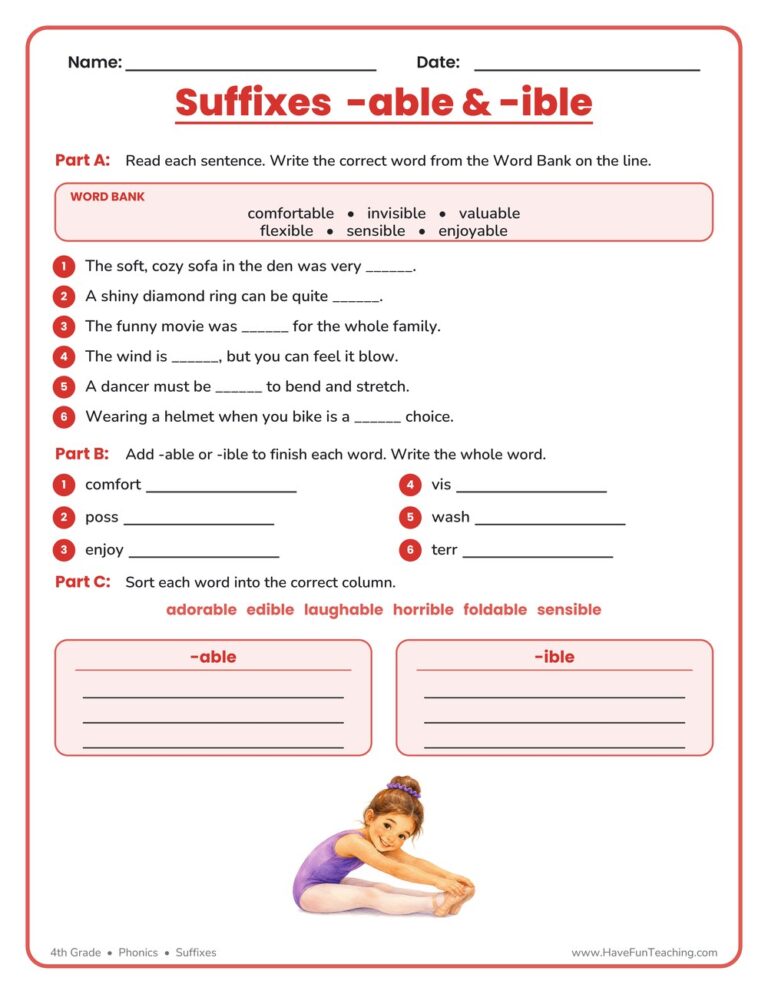
This Suffix ABLE and IBLE Worksheet helps 4th graders add -able or -ible and sort words by their ending across three quick activities. Answer key included — perfect for no-prep phonics and spelling practice.
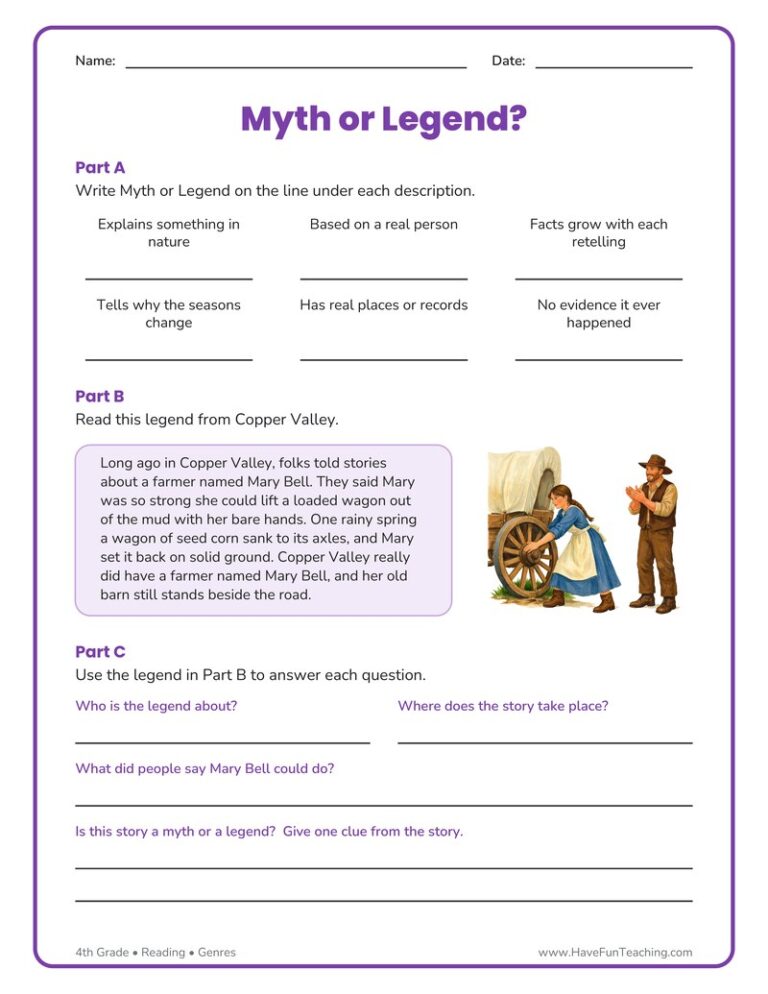
This Myths Legends Worksheet helps 4th graders tell the two genres apart, then apply what they learn to an original legend passage. Answer key included — a no-prep way to build genre knowledge and text evidence skills.
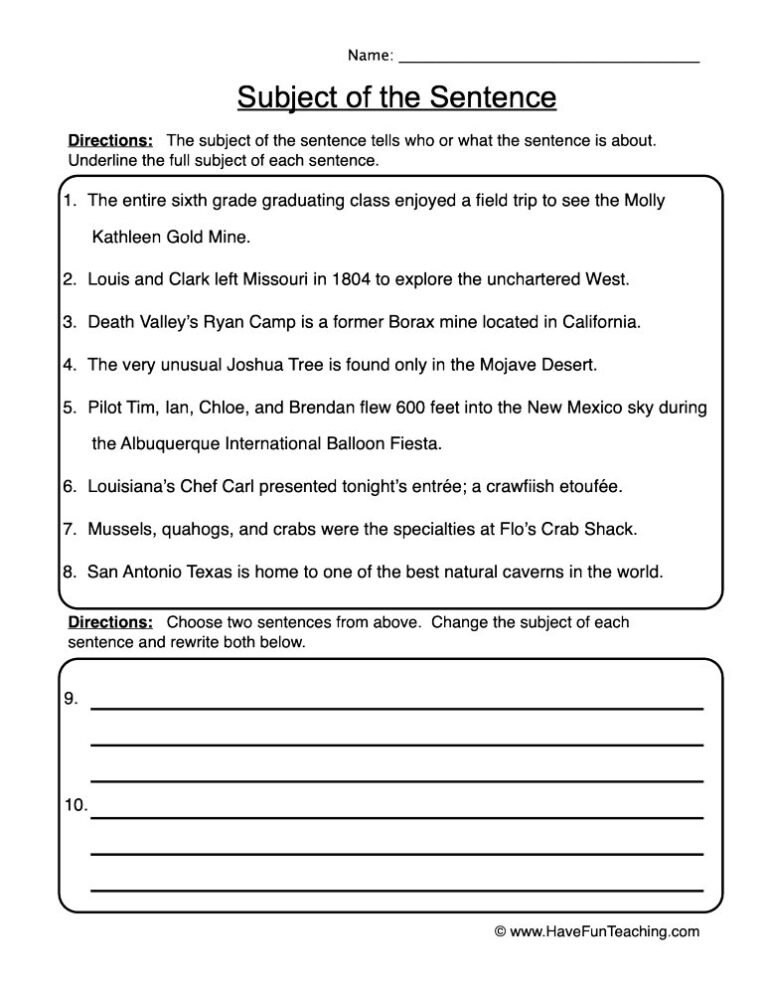
Students underline, write, and build complete subjects in this Subject of the Sentence Worksheet, a three-part grammar page for 4th grade. An answer key is included, so checking work takes only seconds.
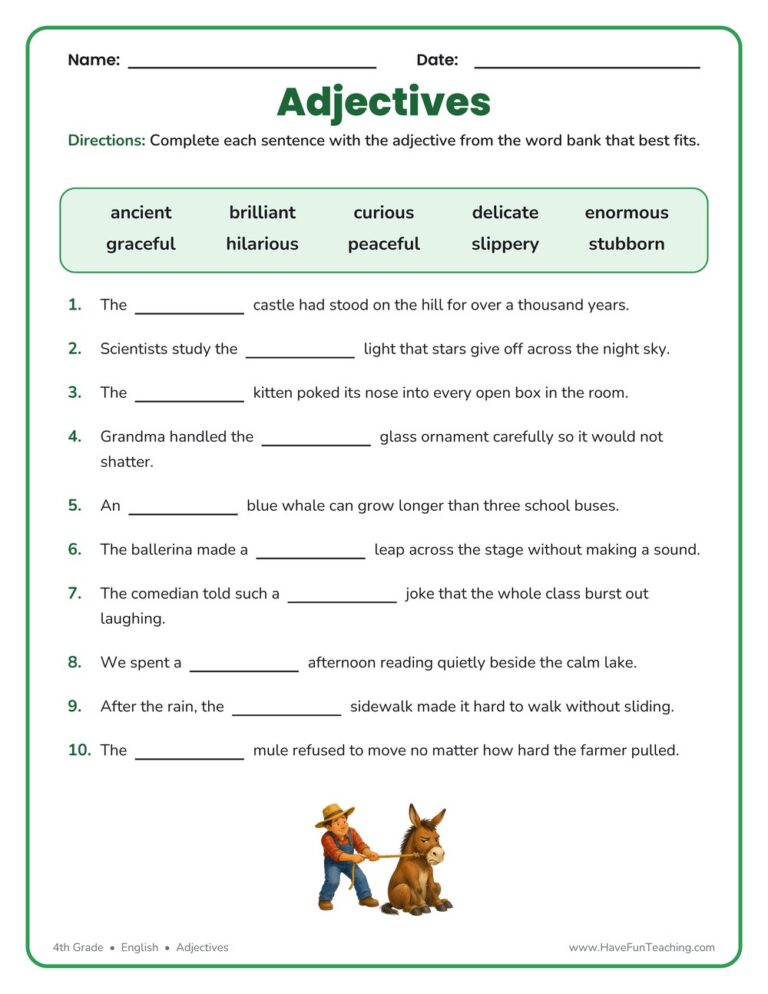
This Adjectives Fill in the Blanks Worksheet gives 4th graders ten sentences and a word bank of vivid describing words to complete, with an answer key included — perfect for building descriptive vocabulary and no-prep grammar practice.

Using the Science Songs (MP3 Album), students learn about different science concepts while listening to these upbeat and catchy songs.
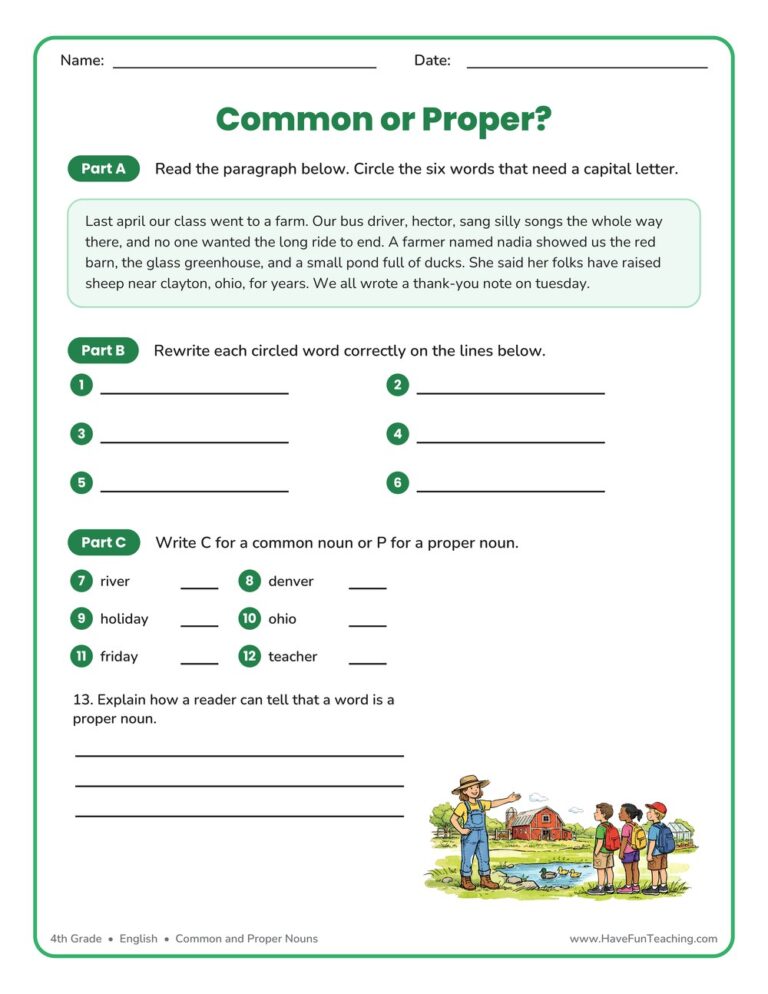
The Edit Common or Proper Nouns Worksheet has 4th Grade students proofread a paragraph for missing capital letters, rewrite each proper noun, and sort nouns as common or proper. Answer key included.

This 4.MD.7 Common Core Worksheet gives 4th graders practice finding unknown complementary and supplementary angles using right angles and straight lines. Includes a complete answer key — perfect for no-prep angle measurement practice.




Reviews
There are no reviews yet