

Identifying Things That Grow Worksheet
An identifying things that grow worksheet for Kindergarten students learning to tell living things from non-living things. Six picture cards and a two-column sort, with an answer key included, make science practice quick and clear.
$6.97
Or free with a membership — members pay $3.33/mo for all 10,000+ resources. See plans
Want this one free?
Tell us where to send it and it’s yours — no card, no catch.
One free resource per teacher. We’ll also send free teaching ideas each week — unsubscribe anytime.
Teaching is easier with a membership
Unlimited printables, games & videos for PreK–6th — for your classroom or homeschool. Cancel anytime.
Start your 3-day free trial$0 today · cancel anytime · Instant access to 10,000+ resources
About this resource
Description
Living things grow, and non-living things do not. Telling those two groups apart is one of the first big ideas a young scientist meets, and this identifying things that grow worksheet gives Kindergarten students a clear, friendly way to practice it. Children look at everyday objects — a rock, a tree, a puppy, a ball, a sunflower, and a chair — and decide which ones are alive and getting bigger over time.
This kindergarten living and non-living things worksheet is built as two simple parts. Part A is a picture bank of six numbered watercolor illustrations, drawn large so little eyes can study the details. In Part B, students write each picture’s number into the box where it belongs: Grows or Does Not Grow. Because the child writes a number instead of a word, the activity stays focused on the science thinking rather than on spelling. Print it for morning work, a science center, a small-group lesson, or homework, and use the included answer key to check the page in seconds.
What’s Included
- 1 print-ready PDF worksheet
- Answer key
- 6 numbered picture cards and a 2-column sorting activity
There are three reasons this identifying things that grow worksheet helps children learn. First, it uses objects a five-year-old already knows, so the science idea is what the child works on, not the vocabulary. Second, sorting into only two boxes gives a clean either-or decision that builds confidence and makes a misconception easy for a teacher to spot. Third, writing the numbers turns a looking task into a recording task, which is the very first step toward keeping science notes.
Take the idea off the page, too. Go on a short walk and have children point to things that grow and things that do not, then draw two favorites when you get back to the room. Plant bean seeds in a clear cup and measure them each week so students watch growing happen for themselves. Sort classroom objects into two hoops on the floor and talk about why each one belongs there. Then ask a question that stretches thinking — will a puppy stay the same size forever? — and let children explain their answers out loud.
Related Resources
What teachers say
Reviews
You must be logged in to post a review.
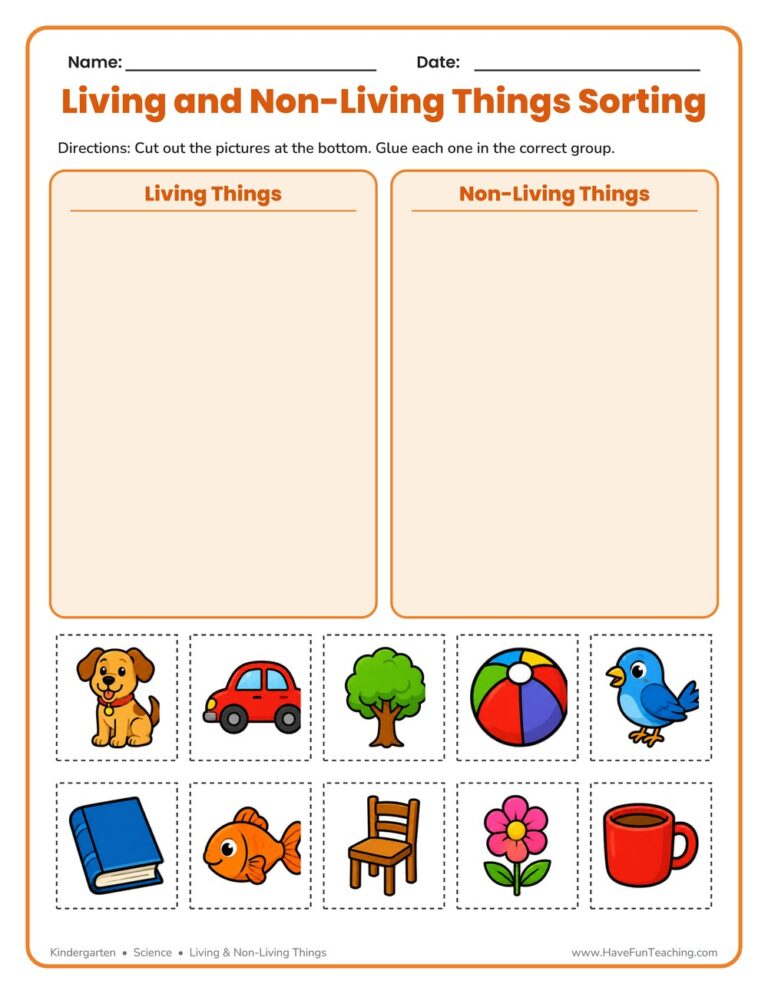
This Living Things and Non Living Things Sorting Worksheet has kindergarten students cut out ten pictures and sort them into living and non-living groups. Answer key included for quick, hands-on science practice.
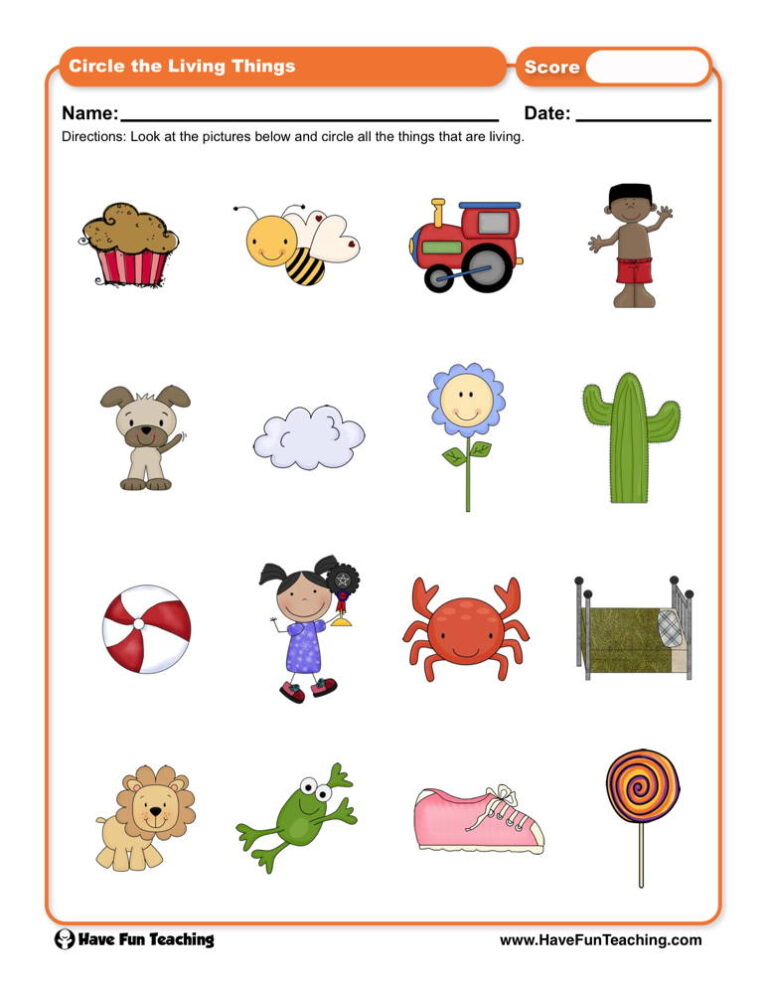
This Circle the Living Things Worksheet asks Kindergarten students to spot the pictures that grow, then classify three more. Answer key included — an easy, picture-based first look at living and non-living things.
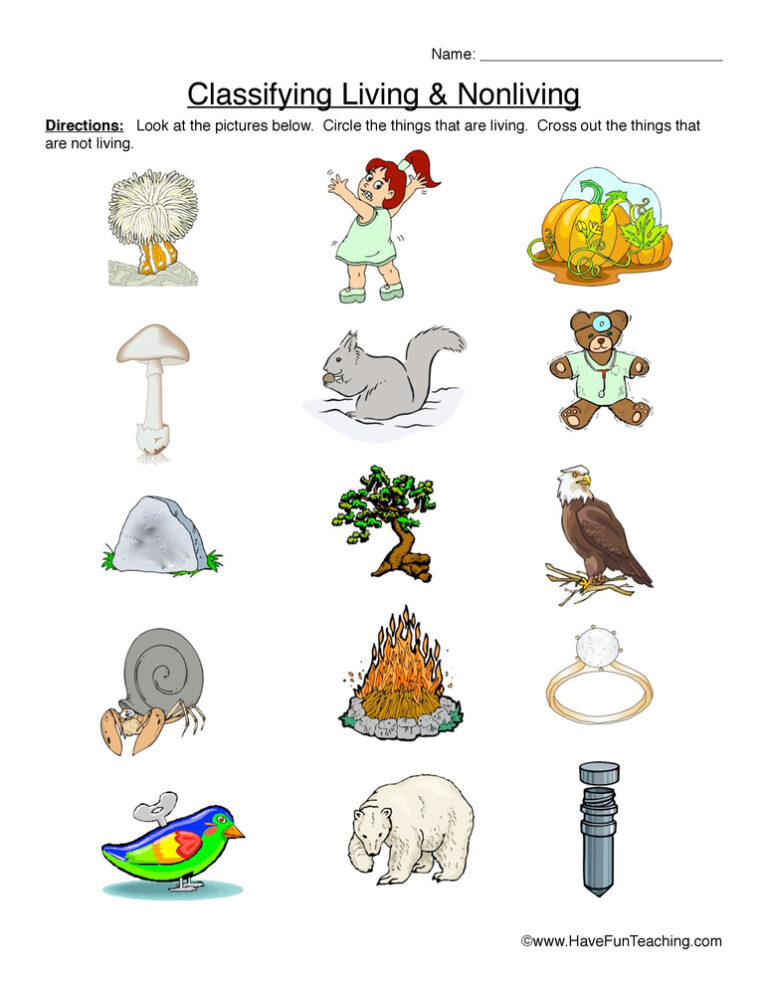
The Classifying Living and Nonliving Things Primary Version Worksheet asks Kindergarten students to sort six familiar pictures into living and nonliving groups. An answer key is included, so this hands-on science practice takes no prep at all.

This Basic Fish Parts Worksheet asks 1st graders to label six numbered parts on a big, friendly fish using a word box. An answer key is included, so science practice takes no prep at all.
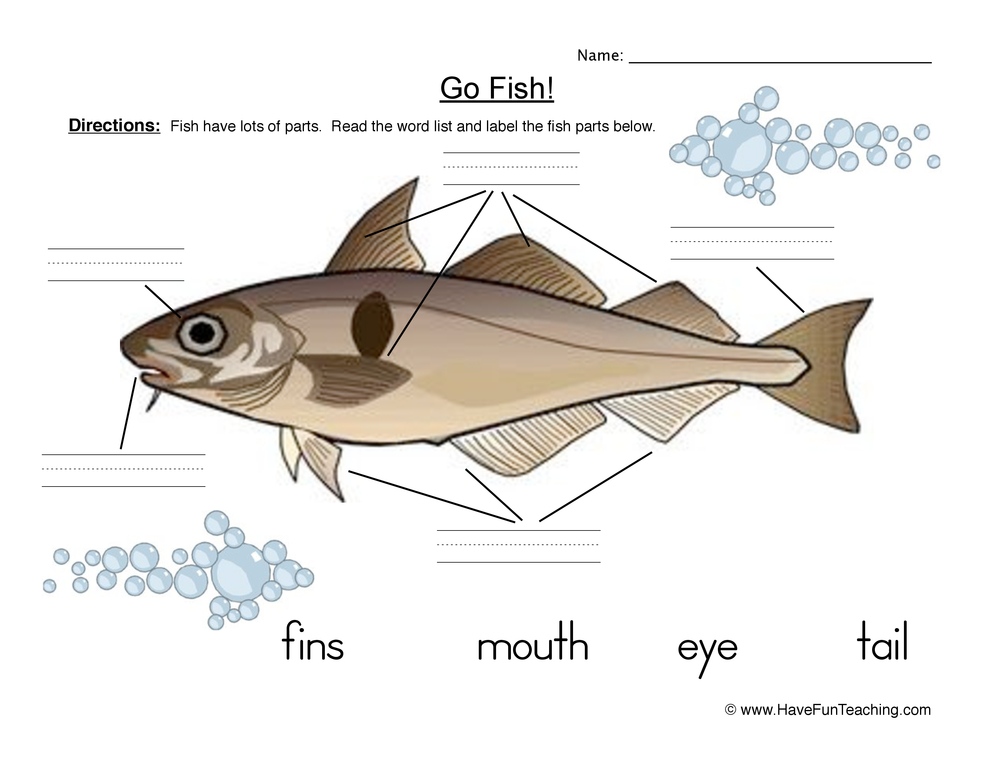
This Fish Parts Worksheet has kindergarten students label the eye, fin, mouth, and tail on a big numbered fish using a word box. An answer key is included for fast, easy checking.
Using this Living and Non-Living Things Mini Pack, students learn about the Living and Non-Living Things through ten fun worksheets and four activities.

Using this Frog Facts Activity, students learn about frogs by sorting facts into true or false categories.
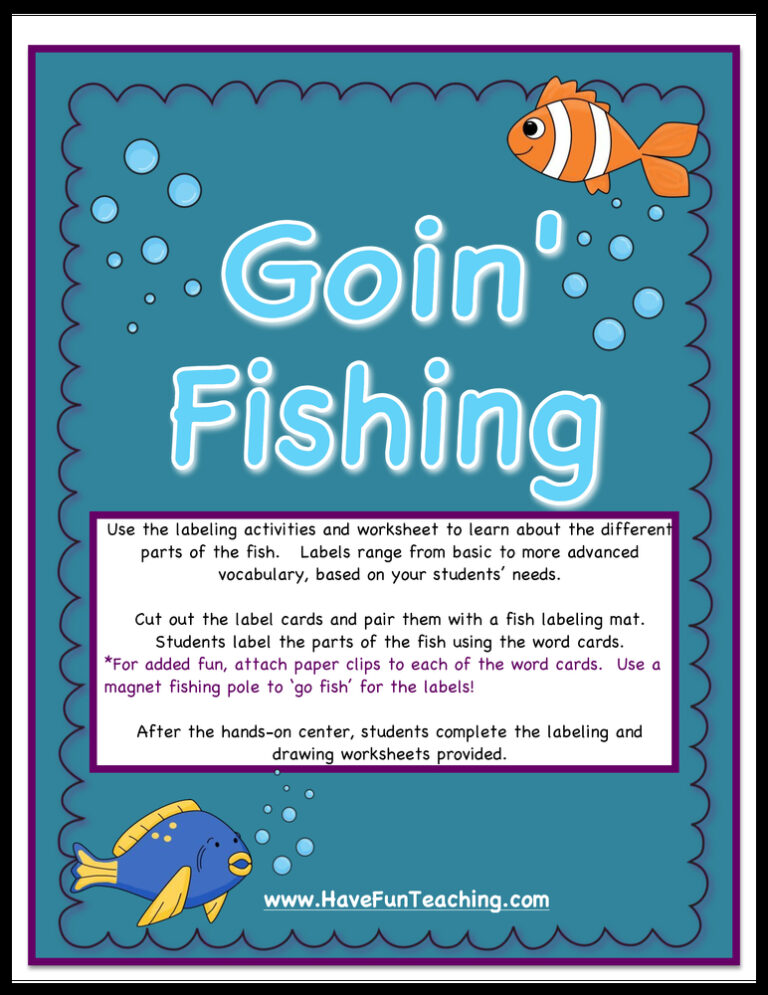
UsingFish Parts Activity, students label the parts of the fish using the word cards to build their understanding of a fish's anatomy.
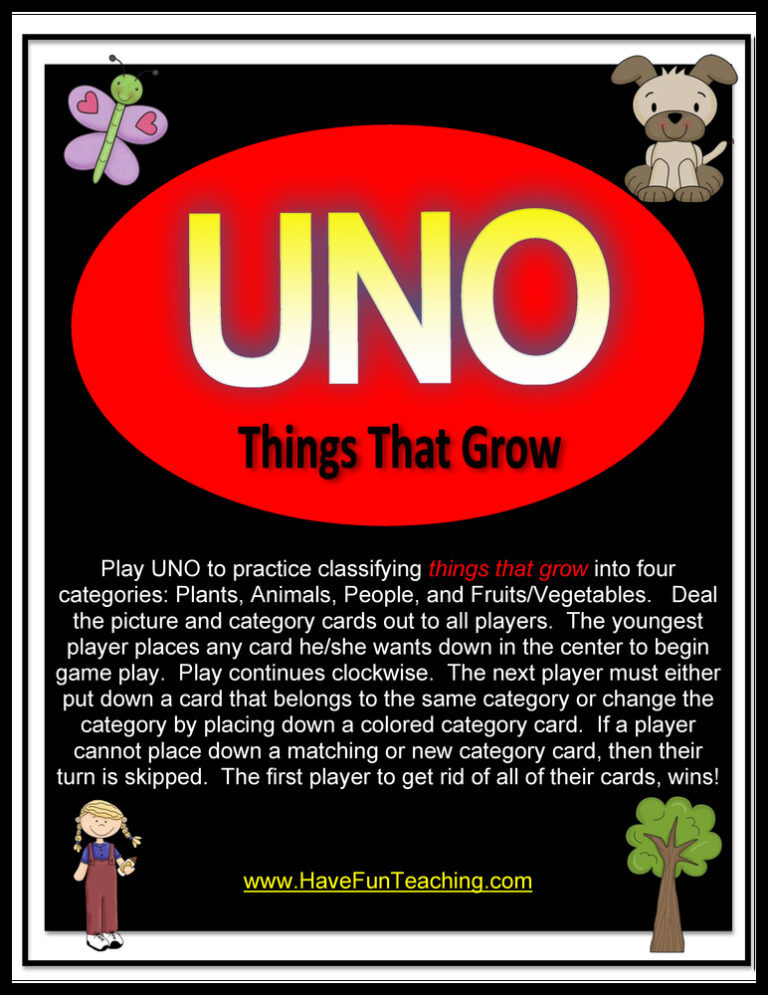
Using Things That Grow Activity, students play UNO to practice classifying things that grow into four categories.
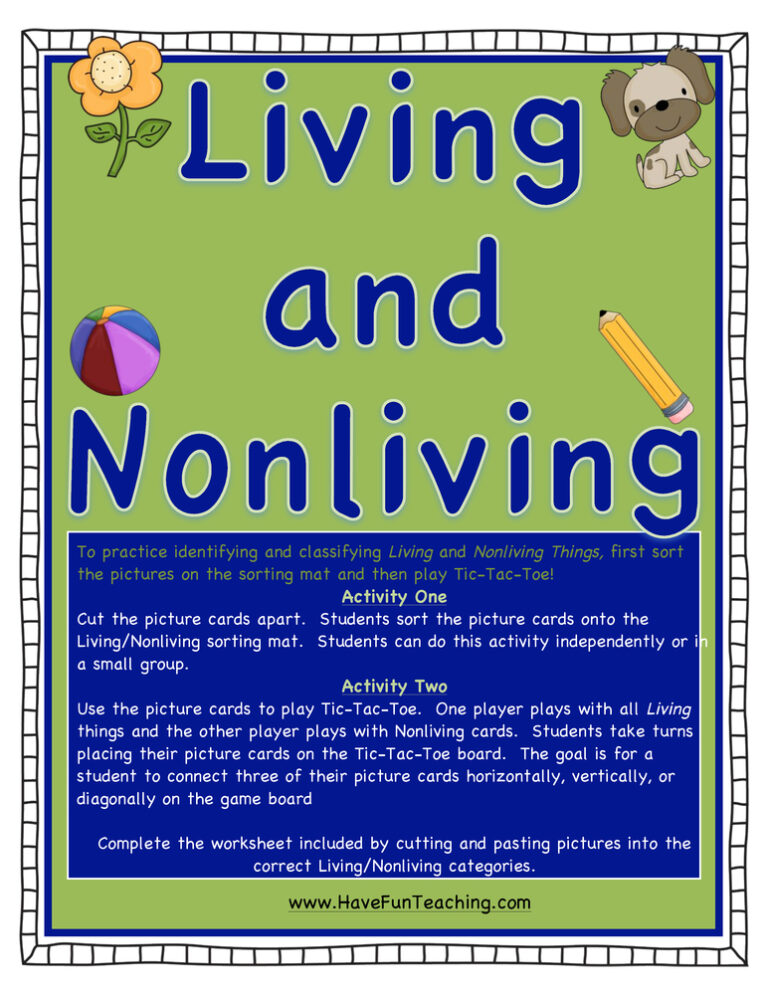
Using Living and Nonliving Activity, students first sort the pictures on the sorting mat and then play Tic-Tac-Toe!

Using this Animal Riddles Activity, students read riddles about different animals to try to figure out which animal is being described.

UsingLife Cycle Three Pack Science Life Cycles Activity, students sequence the life cycles of three animals.




Reviews
There are no reviews yet