
Skip to content
Start My 3 Free Days $0 today · cancel anytime

Grammar Activities

26 grammar activities. Teacher favorites: Noun, Adjective, and Verb Activity and Position Words Activity. How teachers use these

Grammar Activities

26 grammar activities. Teacher favorites: Noun, Adjective, and Verb Activity and Position Words Activity. How teachers use these

Activity
Activity1st GradeNoun, Adjective, and Verb Activity

A noun, adjective, and verb activity for 1st to 3rd grade: sort 24 popcorn word cards into three buckets, then practice in sentences. Answer key included for easy checking.

Activity
ActivityPreschoolPosition Words Activity

In this position words activity, preschool to 1st grade children match butterfly pictures to above, below, next to, in front of, and behind. Answer key included.

Activity
Activity1st GradeDescribing Words Activity

This describing words activity has 1st and 2nd Grade students match 8 picture cards with 16 adjective cards, with a recording sheet, practice page and answer key included.

Activity
Activity1st GradeDescribing Nouns Adjective Activity

This describing nouns adjective activity has 1st and 2nd Grade partners describe picture cards with adjectives and play a guessing game. Answer key included.

Activity
ActivityPreschoolNoun BINGO

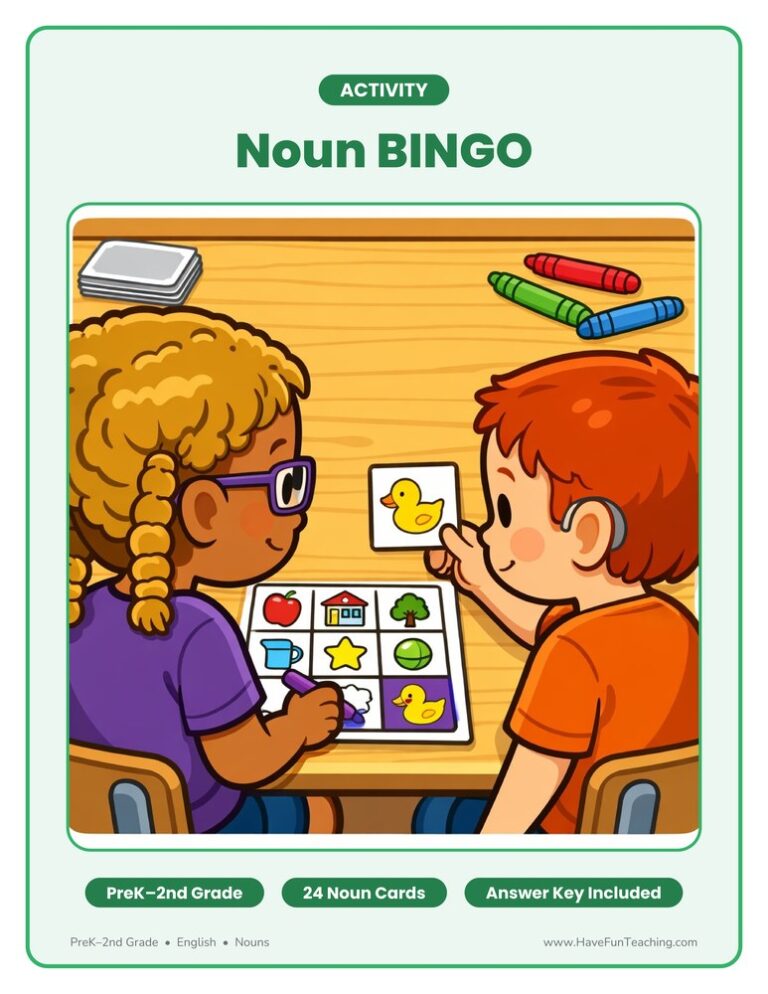
This noun bingo activity has 24 picture cards and 4 boards for Preschool to 2nd Grade, plus a practice page with an answer key included, so kids learn nouns while they play.

Activity
Activity1st GradeCapitalize It Activity

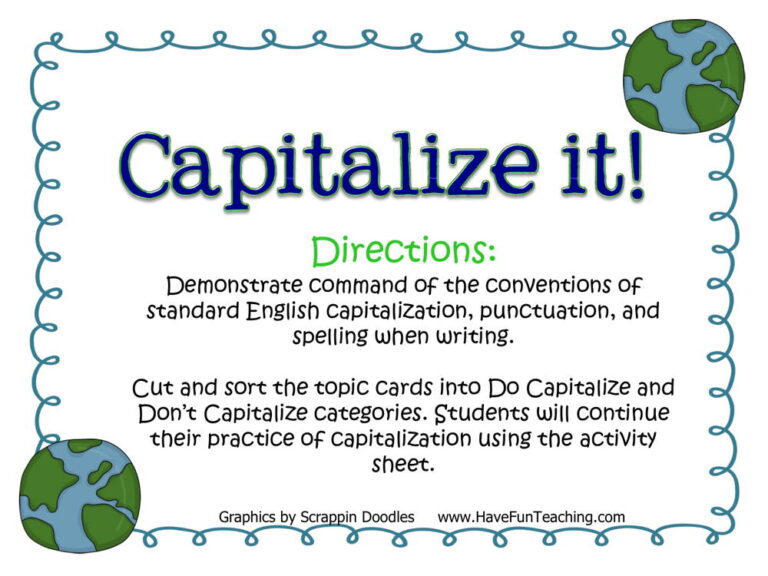
Using Capitalize It Activity, students sort the topic cards into Do Capitalize and Don't Capitalize categories.

Activity
Activity2nd GradeProofreading Capitalization and Punctuation Activity

This proofreading capitalization and punctuation activity gives 2nd to 5th grade students 16 self-checking detective cards for fixing sentences. A practice page and answer key are included.

Activity
Activity1st GradeUsing Clues to Describe Activity

Using this Using Clues to Describe Activity, students describe familiar people, places, things, and events.

Activity
Activity3rd GradeDiving Deep Sorting Words Activity

This diving deep sorting words activity for 3rd to 5th grade has students sort 36 transition word cards by the job each word does. Answer key included.

Activity
Activity1st GradeComplete Sentences with Subject and Predicate Activity

This complete sentences with subject and predicate activity has 1st to 3rd grade students match picture subject cards to predicate cards, then practice on a worksheet. Answer key included.

Activity
Activity1st GradeCommon and Proper Nouns Activity

This common and proper nouns activity has 1st to 3rd grade students sort snowflake word cards on a winter mat, with a practice page and answer key included for easy checking.

Activity
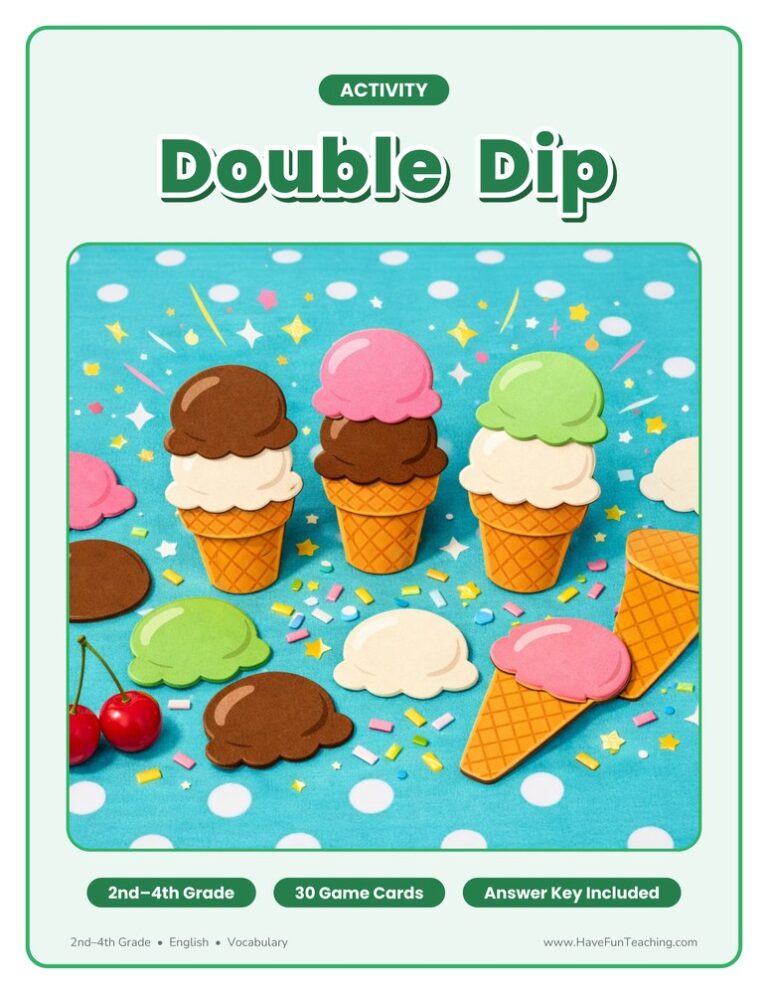
Activity2nd GradeDouble Dip Homographs Activity

This double dip homographs activity for 2nd to 4th Grade has kids match cone words to two scoop sentences, one for each meaning. Answer key included for quick checking.

Activity
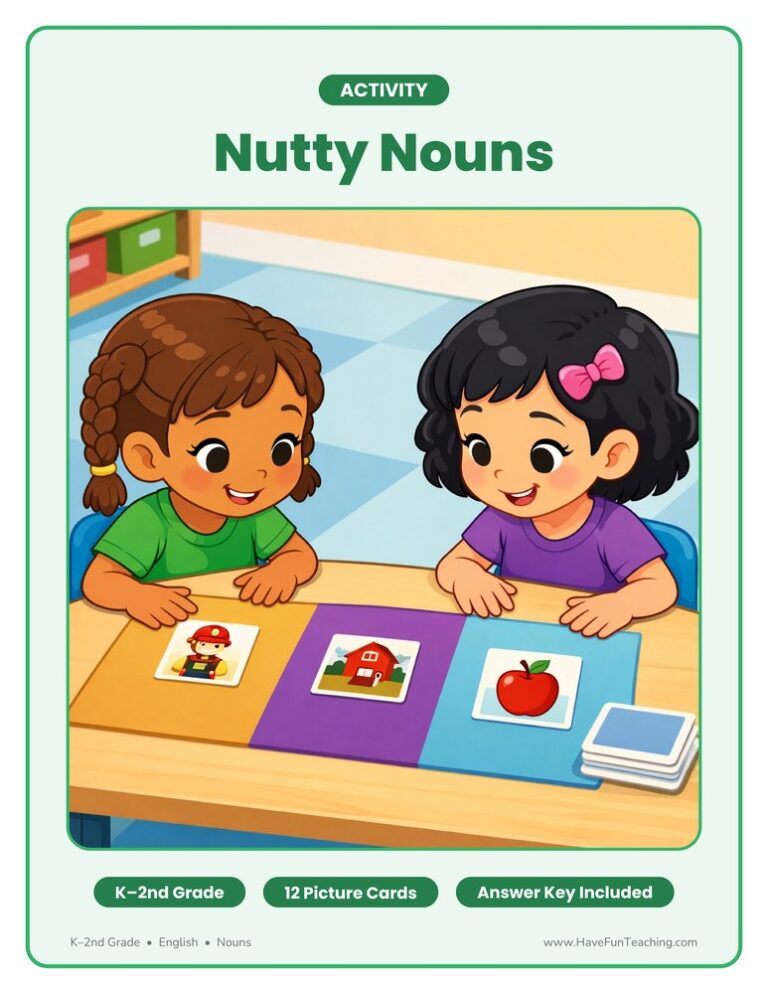
ActivityKindergartenNutty Nouns Activity

This nutty nouns activity lets Kindergarten to 2nd grade students sort picture cards into person, place and thing, then practice with a word-box sort. Answer key included.

Activity
Activity1st GradeDescribe It Figurative Language Activity

This describe it figurative language activity for 1st and 2nd Grade has kids match adjective word cards to the pictures they describe. Answer key included.

Activity
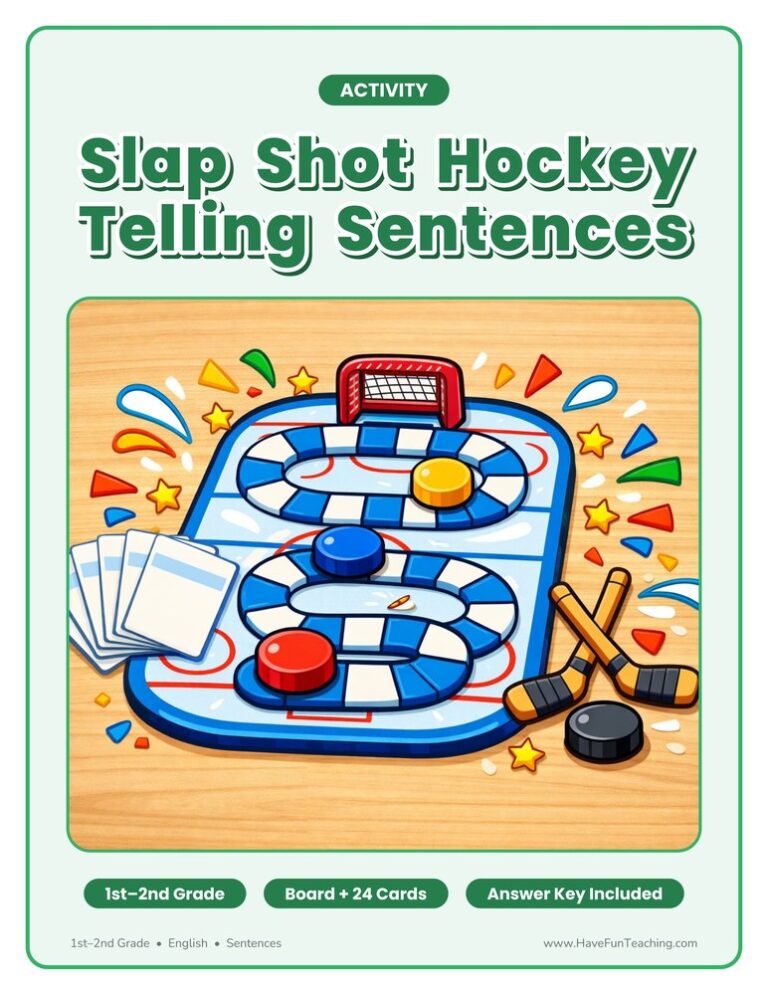
Activity1st GradeSlap Shot Hockey Telling Sentences Activity

This slap shot hockey telling sentences activity for 1st and 2nd Grade has kids race pucks on a rink board by sorting telling and asking sentences. Answer key included.

Activity
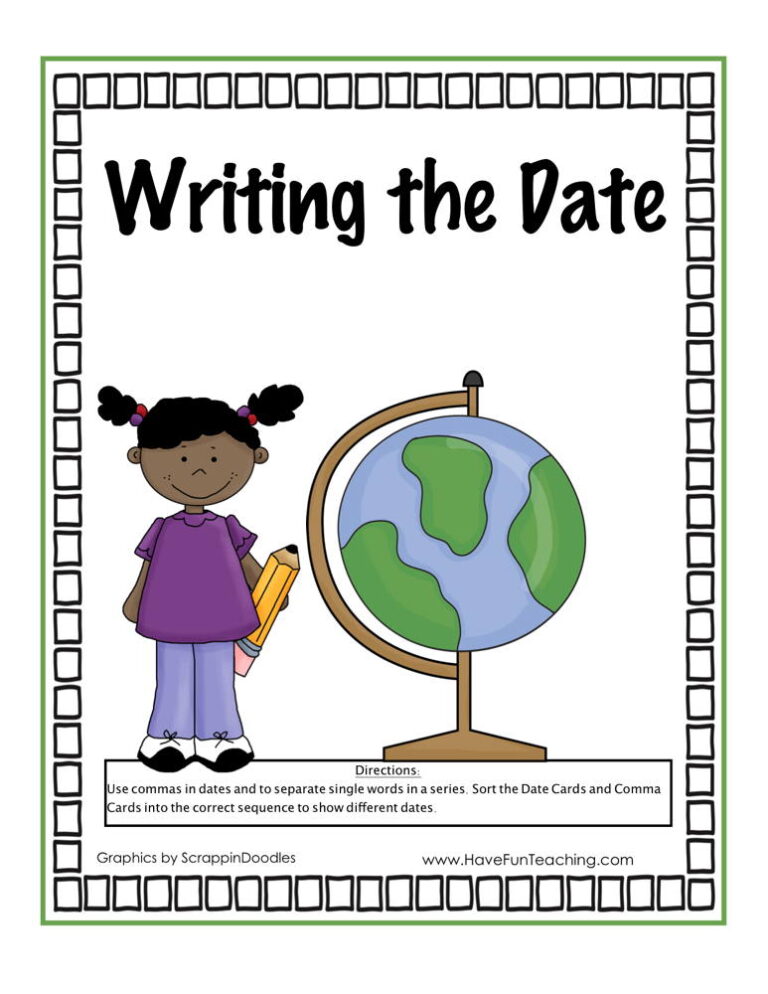
Activity1st GradeWriting the Date Activity

This writing the date activity lets 1st to 3rd graders build dates with month, day, year, and comma cards, then write them correctly. Answer key included for easy checking.

Activity
Activity1st GradeApples to Apples Adjectives Activity

Describing Words Activity, Adjectives Activity, Parts of Speech, Descriptive Words

Activity
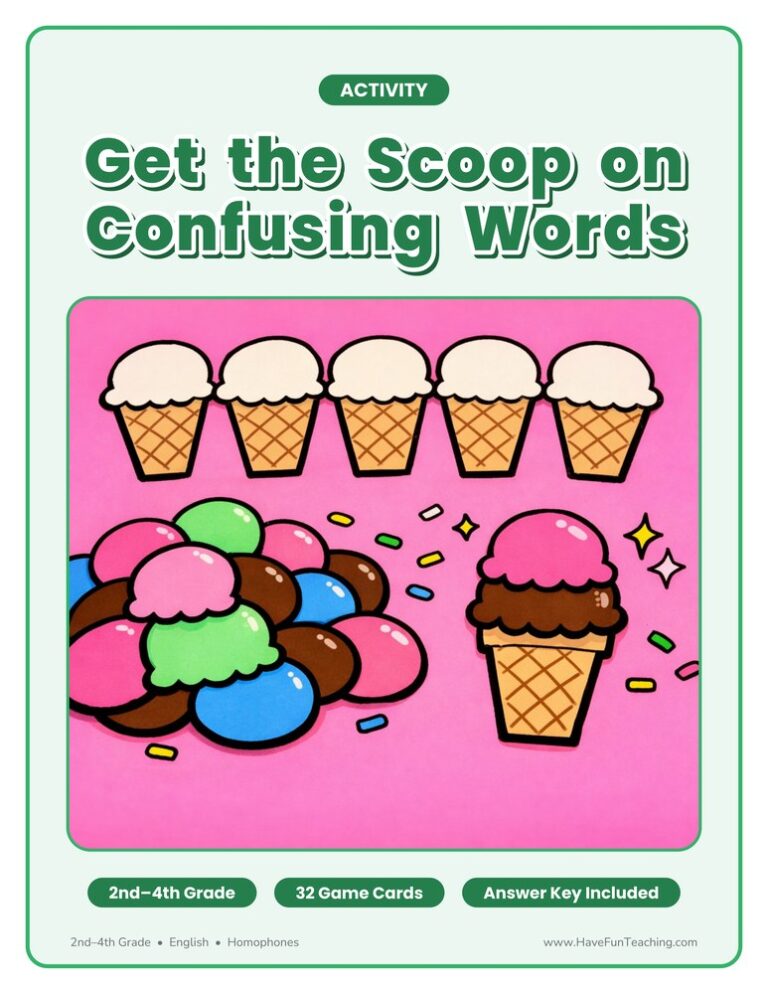
Activity2nd GradeGet The Scoop On Confusing Words Activity

This get the scoop on confusing words activity has 2nd to 4th grade students match ice cream cone sentences to the homophone scoop that completes them. Answer key included.

Activity
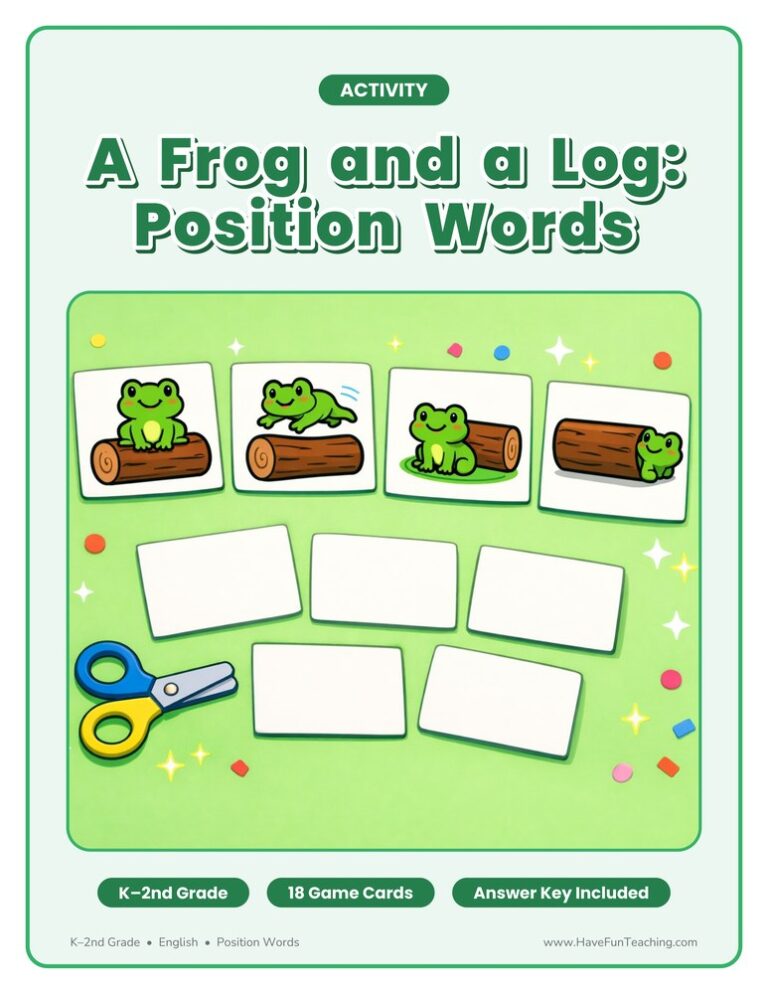
ActivityKindergartenA Frog and a Log Position Words Activity

This frog and a log position words activity helps K-2nd Grade children match picture cards to on, under, above, next to, in front of and behind, with practice and an answer key included.

Activity
Activity1st GradeAbout Me Mobile Activity

Using About Me Mobile Activity, students can create a mobile to introduce themselves and share important information about themselves at the beginning of a new school year!

From our teachers' playbook

Fix it, polish it, make it shine

What do kids learn about grammar?

Grammar is the set of rules that makes writing clear. Young kids learn that a sentence is a complete thought that starts with a capital letter and ends with a punctuation mark. As they grow, they learn nouns, verbs, adjectives and pronouns, make subjects and verbs agree, and fix fragments and run-ons. By 3rd grade and up, kids edit their own writing for capitals, commas and spelling, and combine short sentences into stronger ones: Sam ran. Sam jumped. → Sam ran and jumped. The click is when kids start catching their own mistakes.

Our favorite ways to teach grammar

Grammar sticks when kids use it in real sentences. These are our go-to moves.

Edit out loud

Write a sentence full of mistakes on the board and fix it out loud: "This sentence starts with a lowercase letter, so I need a capital." Then kids find and fix the rest with a partner. Hearing how a good editor thinks is half the lesson.

Why it works: showing first, practicing together, then letting kids try alone is the "gradual release" model teachers have relied on for decades (Pearson and Gallagher, 1983).

Editing Sentences WorksheetTry it withEditing Sentences WorksheetWorksheetsOpen it →

Daily fix-it sentence

Start each day with one broken sentence to fix in under three minutes. Rotate the mistakes: capitals Monday, punctuation Tuesday, and so on. Little daily practice keeps every rule fresh without a big grammar unit.

Why it works: the brain holds on to what it meets again and again over time; spaced practice was rated among the very best methods (Dunlosky and colleagues, 2013).

Fixing Sentences WorksheetTry it withFixing Sentences WorksheetWorksheetsOpen it →

Combine the sentences

Give kids two short, choppy sentences on strips and have them glue them together into one smooth sentence using and. Then try it with their own writing. Building sentences teaches grammar and makes writing sound better at the same time.

Why it works: the U.S. Department of Education's guide for teaching elementary math recommends moving from hands-on objects to drawings to numbers.

Compound Predicates Sentences WorksheetTry it withCompound Predicates Sentences WorksheetWorksheetsOpen it →
Grammar questions we hear a lot

What grammar should elementary students know?

Elementary students learn complete sentences, capitalization, end punctuation and commas, parts of speech, subject-verb agreement, verb tenses and how to fix fragments and run-ons.

What's the best way to teach grammar to kids?

Teach grammar in real sentences instead of long lists of rules. Short daily editing practice, modeling corrections and having kids fix their own writing works much better than worksheets alone.

What is a sentence fragment?

A sentence fragment is an incomplete sentence that's missing a subject or a verb, or doesn't finish a thought. Ran to the store is a fragment, but She ran to the store is complete.

How do I help my child with grammar at home?

Read together and talk about why authors use capitals and punctuation. When your child writes, have them read it aloud. Kids often hear mistakes before they see them.



