Skip to content
Start My 3 Free Days $0 today · cancel anytime

1st Grade Graphic Organizers

11 1st grade graphic organizers, covering independent and guided reading, narrative writing, seasons, plus 8 more topics. How teachers use these

1st Grade Graphic Organizers

11 1st grade graphic organizers, covering independent and guided reading, narrative writing, seasons, plus 8 more topics. How teachers use these

Graphic Organizer
Graphic Organizer1st GradeCharacters, Settings, and Big Events Worksheet

A characters, settings, and big events worksheet for 1st Grade: students read a short story, then draw and write the characters, setting, and big event in a simple organizer. Answer key included for quick, no-prep story elements practice.

Graphic Organizer
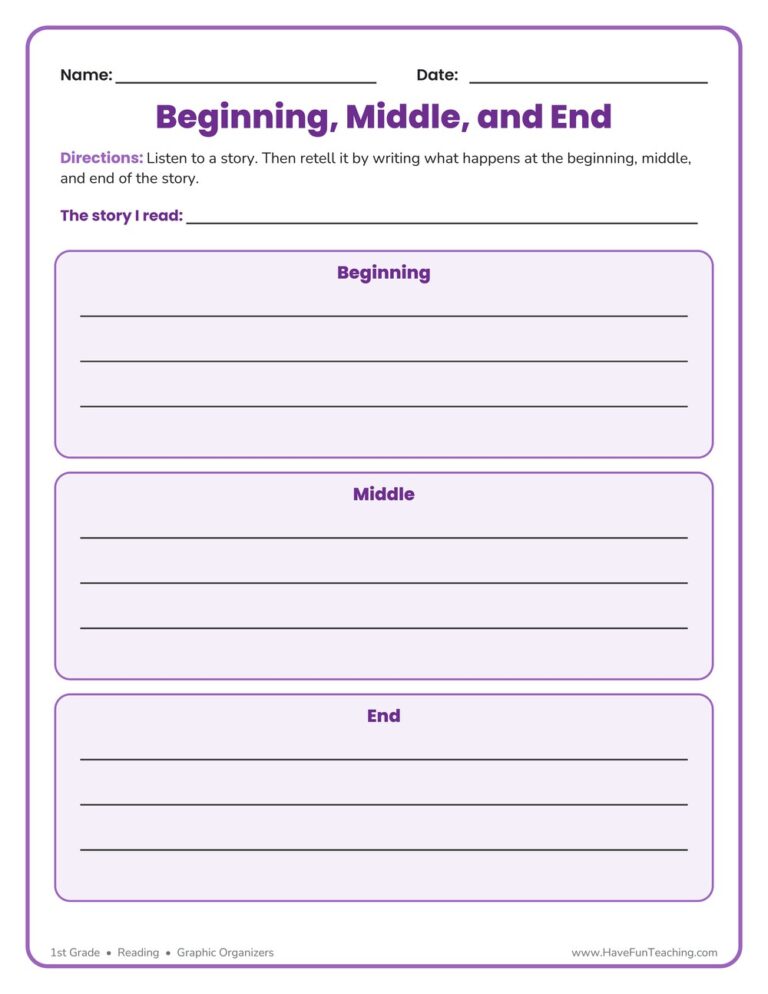
Graphic Organizer1st GradeBeginning, Middle, and End Worksheet

A reusable Beginning, Middle, and End Worksheet that helps 1st graders retell any story in order across three clear sections. Perfect for building sequencing and summarizing skills with every book they read.

Graphic Organizer
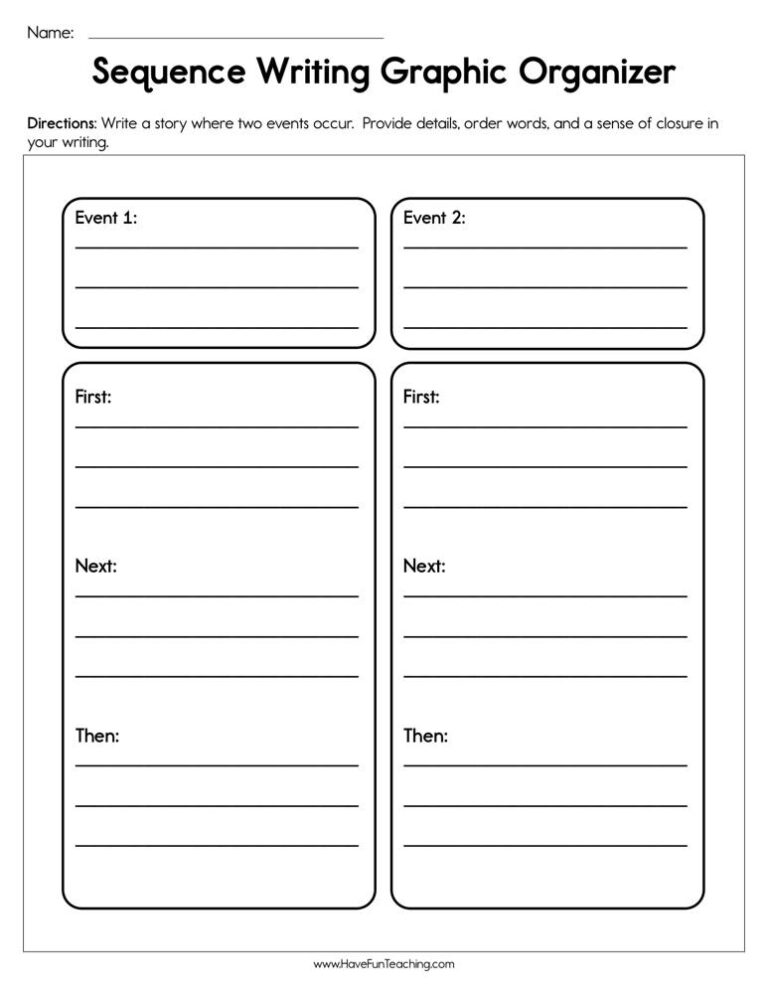
Graphic Organizer1st GradeSequence Writing Graphic Organizer Worksheet

Plan a story from start to finish with this Sequence Writing Graphic Organizer Worksheet. First Grade writers name their story idea, then write what happens First, Next, Then, and Last on wide primary lines.

Graphic Organizer
Graphic Organizer1st GradeComparing Characters Worksheet

This comparing characters worksheet gives 1st graders a short story about two friends and a three-part chart for sorting what is alike and what is different. Answer key included, so checking takes seconds.

Graphic Organizer
Graphic Organizer1st GradeComparing Seasons Venn Diagram Worksheet

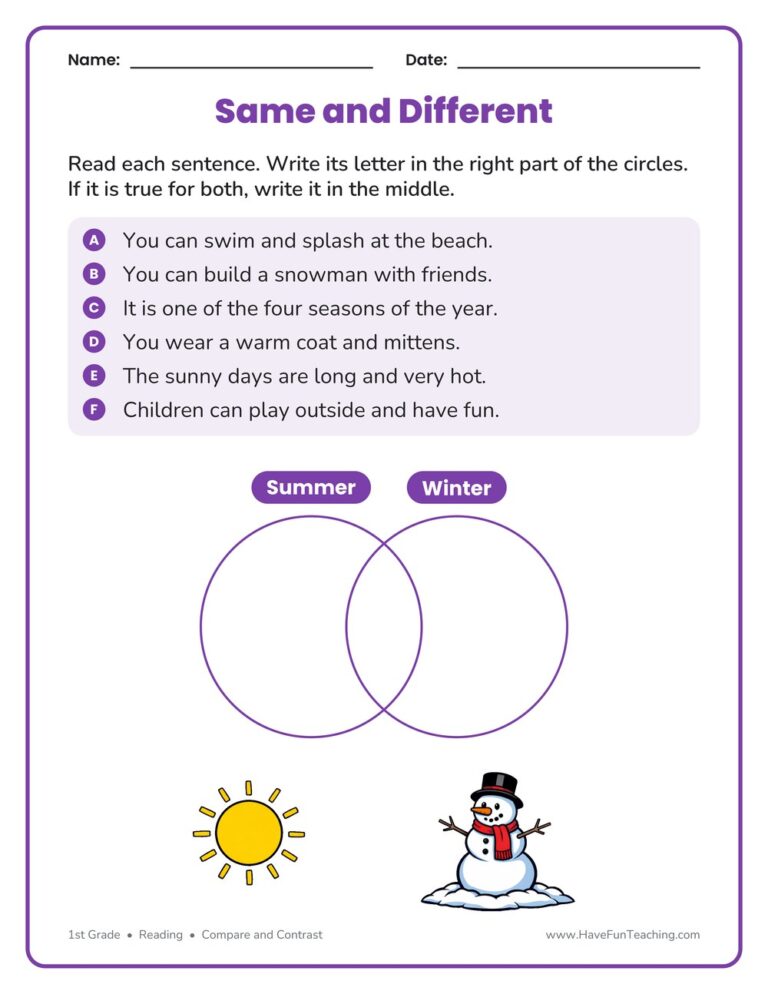
This Comparing Seasons Venn Diagram Worksheet helps 1st graders sort six facts about summer and winter into a labeled Venn diagram. An answer key is included, making practice quick and easy to check.

Graphic Organizer
Graphic Organizer1st GradeKey Details Graphic Organizer Worksheet

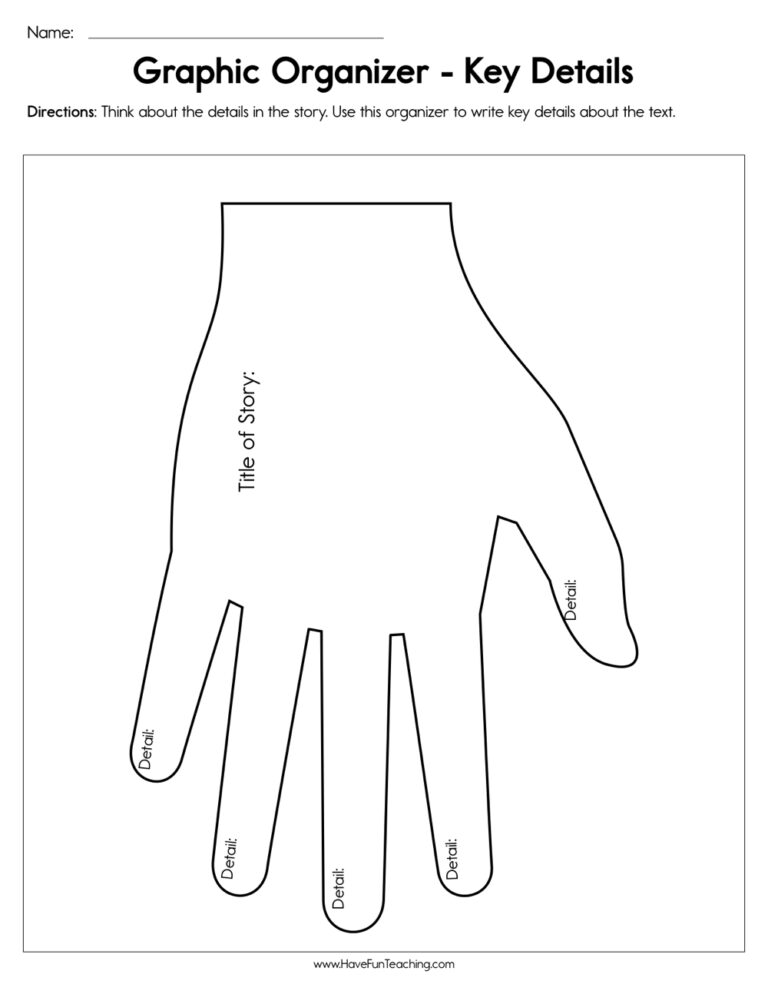
Use this key details graphic organizer worksheet with any book as 1st grade students name the main topic and write three details that tell more about the story.

Graphic Organizer
Graphic Organizer1st GradeUse the Text to Make Inferences Activity

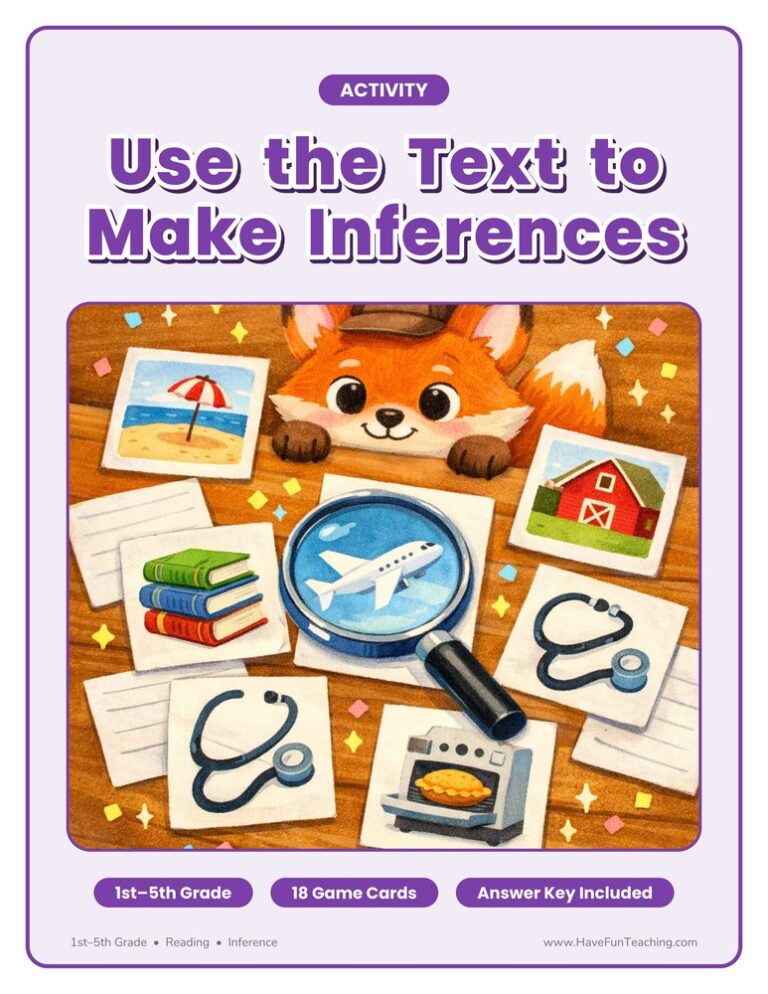
In this use the text to make inferences activity, 1st to 5th grade students read short clue stories, infer the place, and name the text clues. Answer key included.

Graphic Organizer
Graphic Organizer1st GradeStory Details Graphic Organizer Worksheet

A story details graphic organizer worksheet for 1st grade readers. Children write the story title, then record who, what, where, and when in four labeled boxes, building a retelling routine that works with any book.

Graphic Organizer
Graphic Organizer1st GradeThe Itsy Bitsy Spider Graphic Organizer Worksheet

The Itsy Bitsy Spider Graphic Organizer Worksheet lets 1st grade readers finish a main idea sentence and four key details from a word bank. An answer key is included for quick checking.

Graphic Organizer
Graphic Organizer1st GradeStory Books and Poems Graphic Organizer Worksheet

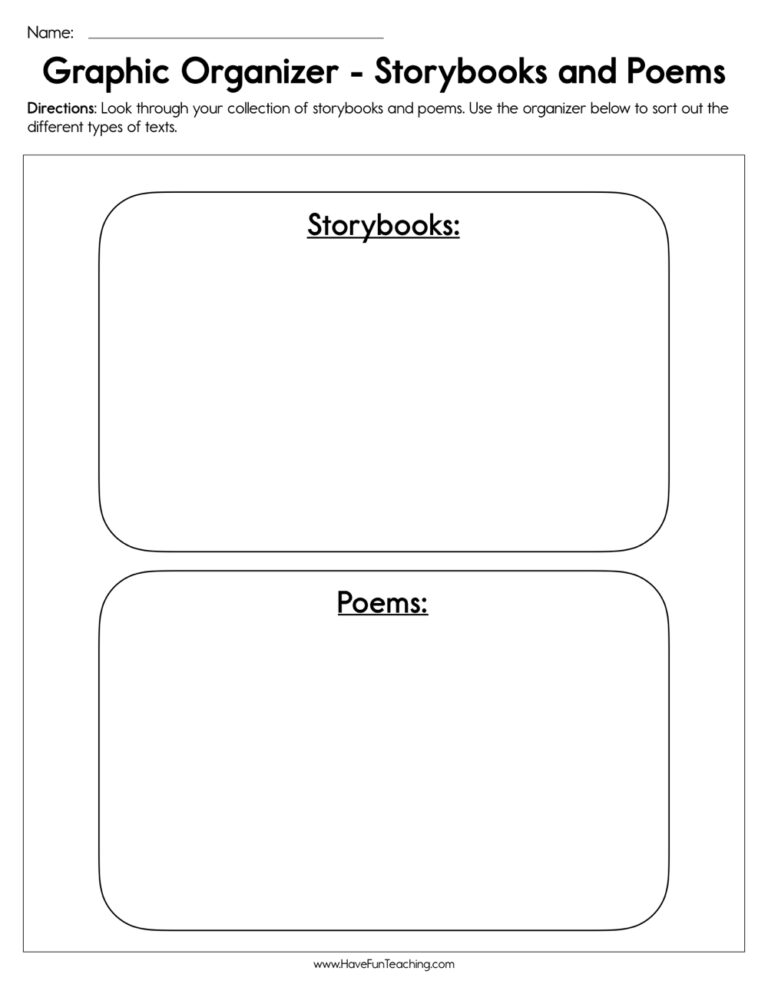
This story books and poems graphic organizer has first graders read a snowman story and a snow poem, then sort five clues to the right book. Answer key included.

Graphic Organizer
Graphic Organizer1st GradeSequencing Graphic Organizer Worksheet

This sequencing graphic organizer worksheet has 1st graders read a short how-to text about planting a seed and write the first, next, and last steps. An answer key is included.

From our teachers' playbook

The year reading takes off

What do kids learn in 1st grade?

First grade is a year of huge growth, especially in reading. Kids blend short vowel words, learn digraphs like sh and ch, add blends and silent e, and build a bank of sight words. In math, they add and subtract within 20 using strategies like making ten: 8 + 5 = 8 + 2 + 3 = 13. They learn tens and ones, count to 120, tell time to the half hour and measure length. In writing, kids put together complete sentences with capitals and end marks. The best moment is when a 1st grader reads their first whole book aloud to you!

Our favorite ways to help 1st graders grow

First graders learn best with hands-on practice and lots of quick, happy repetition.

Bundle the tens

Have kids bundle straws or craft sticks into groups of ten with rubber bands. Show 34 as 3 bundles and 4 loose sticks, then fill in the counting tens and ones page. Kids see why the 3 means thirty.

Why it works: going from real objects to pictures to symbols is a core recommendation of the U.S. Department of Education's elementary math guide.
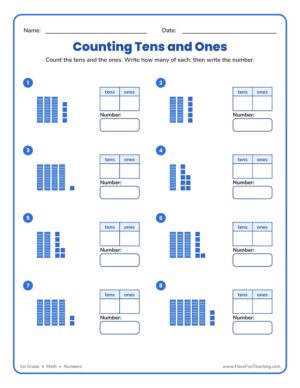
Counting Tens Ones WorksheetTry it withCounting Tens Ones WorksheetWorksheetsOpen it →

Facts in tiny doses

Give a short adding and subtracting within 20 page three times a week instead of one big page on Friday. Short, spread-out practice builds fact fluency that lasts into 2nd grade.

Why it works: the brain holds on to what it meets again and again over time; spaced practice was rated among the very best methods (Dunlosky and colleagues, 2013).

Adding and Subtracting Within 20 WorksheetTry it withAdding and Subtracting Within 20 WorksheetWorksheetsOpen it →

Questions parents and teachers ask about 1st grade

What should a 1st grader know by the end of the year?

Most 1st graders can read simple books, decode short vowel words and blends, read many sight words, add and subtract within 20, count to 120 and write complete sentences.

How many sight words should a 1st grader know?

Many schools aim for about 100 high-frequency words, often the first 100 Fry words. Every school's list is a little different.

How can I help my 1st grader with reading?

Read together every day, let your child read easy books to you, and practice sounding out words. Five minutes of sight word practice helps too.

What math strategies do 1st graders learn?

They learn counting on, making ten, doubles and using number lines. These strategies help kids add and subtract within 20 without counting on fingers.

Keep exploring