
3 days free
Ready for the whole library?
You’ve had your freebie — but members download 10,000+ resources for every grade, all year long. Try it free — $0 today, cancel anytime.
Free for teachers
Pick your grade. We’ll send 10 free resources.
Worksheets, activities and a video — picked for your classroom, ready to print tonight.
One free bundle per teacher. We’ll also send free teaching ideas each week — unsubscribe anytime.



Using this Rainbow Fish and The Very Grouchy Ladybug Worksheet, students compare and contrast the adventures that each character experiences after reading the two stories.

In this Adding Tens and Tens Activity, students will practice adding 10 to a given number to build addition fact fluency.

In this Adding Three Numbers Activity, students add three whole numbers together to solve by matching equation cards to answer cards.
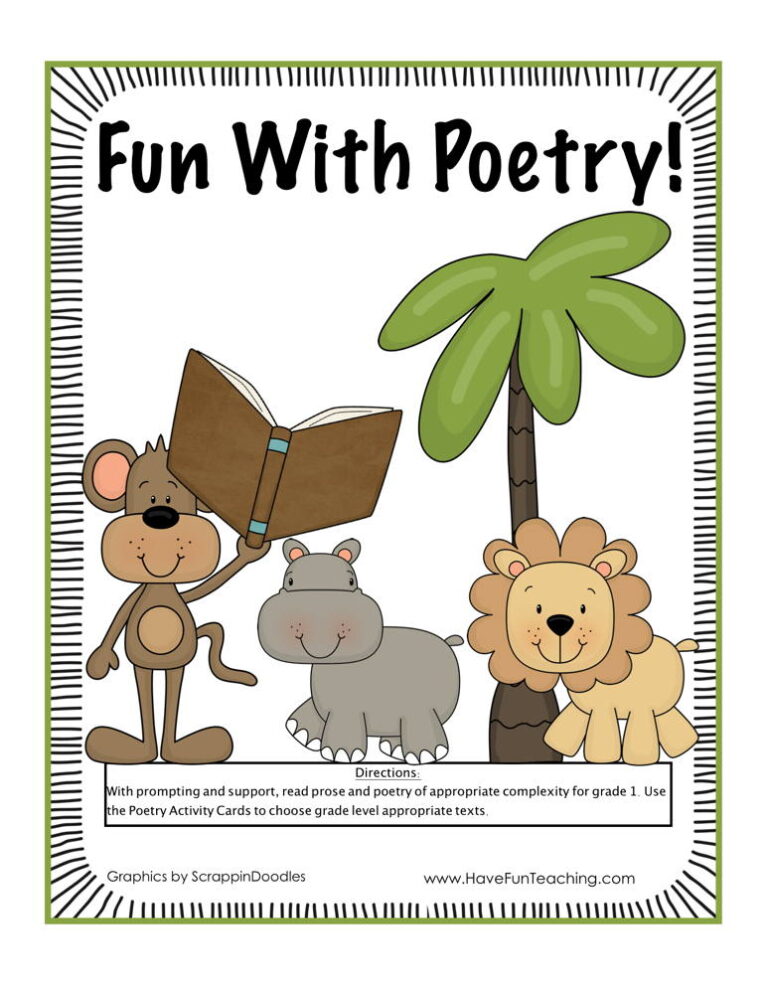
Using Fun With Poetry Activity, students read prose and poetry of appropriate complexity for grade 1. to build reading comprehension skills.
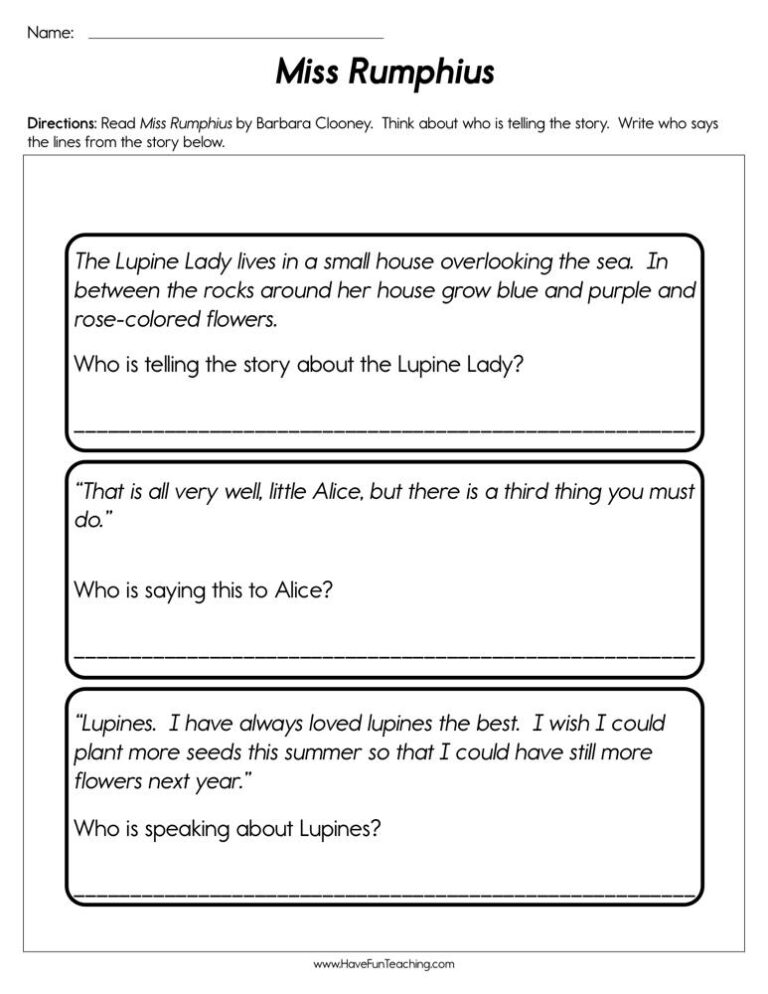
Using Miss Rumphius Point of View Worksheet, students read Miss Rumphius by Barbara Clooney to determine who says the lines from the story.

Using Retelling Stories Activity,students put the Event Cards in the correct order to retell the story to build summarizing skills.
Using Technology Time Centers Activity, students explore a variety of digital tools to produce and publish writing, including in collaboration with peers.
Using This is What I Know Activity, studentswrite informative text in which they name a topic, supply some facts about the topic, and provide some sense of closure using research from books.

Using Drawing to Add Details Activity, students add drawings or other visual displays to descriptions to provide additional detail.

Using Making Connections in a Story Activity, studentsmake connections as they read to build their understanding of what they have read.

Using Asking Questions about a Text Worksheet, students ask questions to seek help, get information, or clarify something that is not understood while reading or being read to.

Using this Comparing and Ordering Numbers 1-10 Activity, students use the lion number cards to compare each number and sort them into the categories that they belong.

Using Position Words Butterfly Activity, students choose a word from the box to describe where the butterfly is located in relation to the object to build their positional word vocabulary.

Using this What Comes Next Sequencing Numbers Activity, students count forward to find the missing number to complete the number sequence.

Using this Comparing Shapes Sorting Activity, students sort pictures of 2D and 3D shapes into the category that best describes which shape is shown.

Using this Name that Shape Sorting Activity, students sort pictures of 2D shapes into the category that best describes which shape is shown.
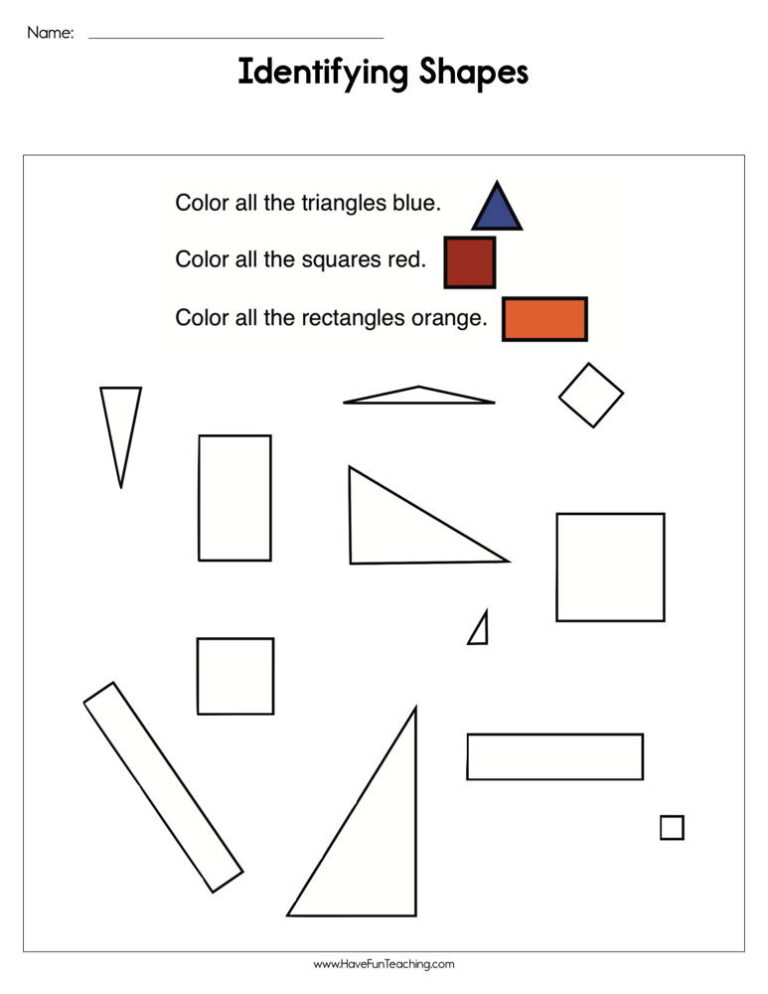
Using this Identifying 2-D Shapes Worksheet, students identify 2D shapes by coloring each shape a different color to build shape recognition skills.
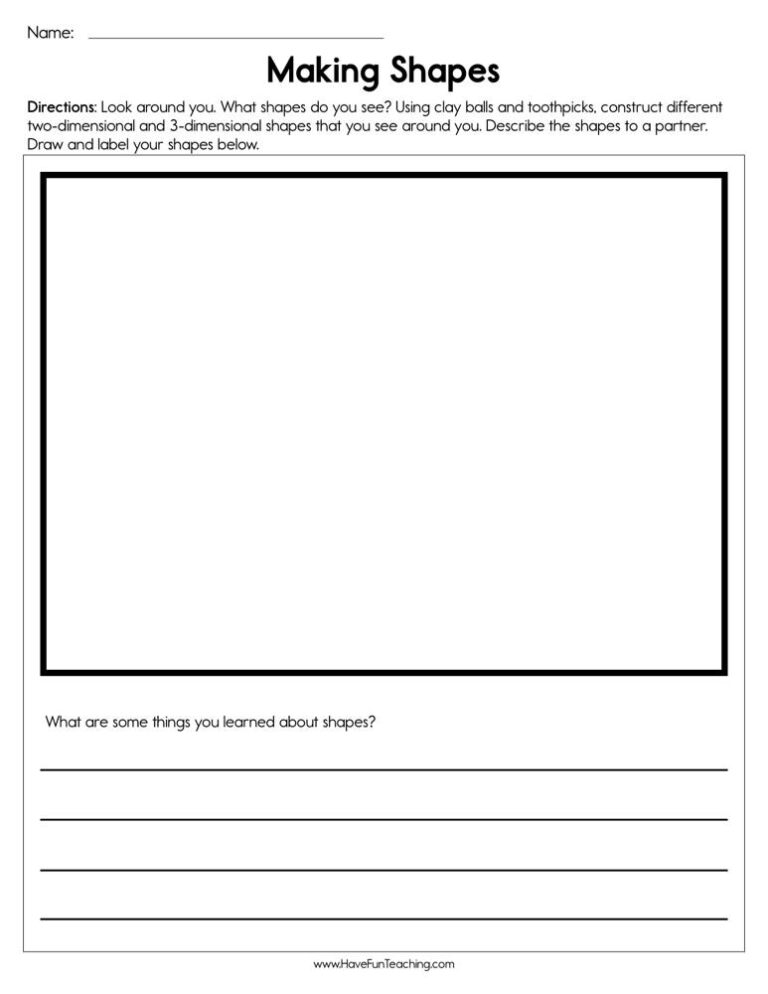
This Making Shapes Worksheet teaches students how use straws and twist ties to create 2-D and 3-D shapes with faces, angles, and sides.

This Using Objects to Construct New Shapes Worksheet teaches students how use straws and twist ties to create 2-D shapes with faces, angles, and sides.

This Creating New Shapes Worksheet teaches students how use straws and twist ties to create 2-D shapes with faces, angles, and sides.



